If your Jeep Wrangler’s check engine light just popped on, you’re probably wondering what it means and what to do next. That little warning light can feel like a mystery, but understanding the codes behind it can save you time, money, and stress.
Whether you want to figure out the problem yourself or talk to your mechanic with confidence, knowing how to read your Jeep Wrangler’s check engine light codes is the first step.
You’ll discover easy ways to retrieve these codes sometimes without any special tools and learn what the most common codes mean.
By the end, you’ll feel empowered to tackle that warning light and keep your Jeep running smoothly. Keep reading to find the secrets behind your Wrangler’s check engine light codes!
Reading Codes Manually
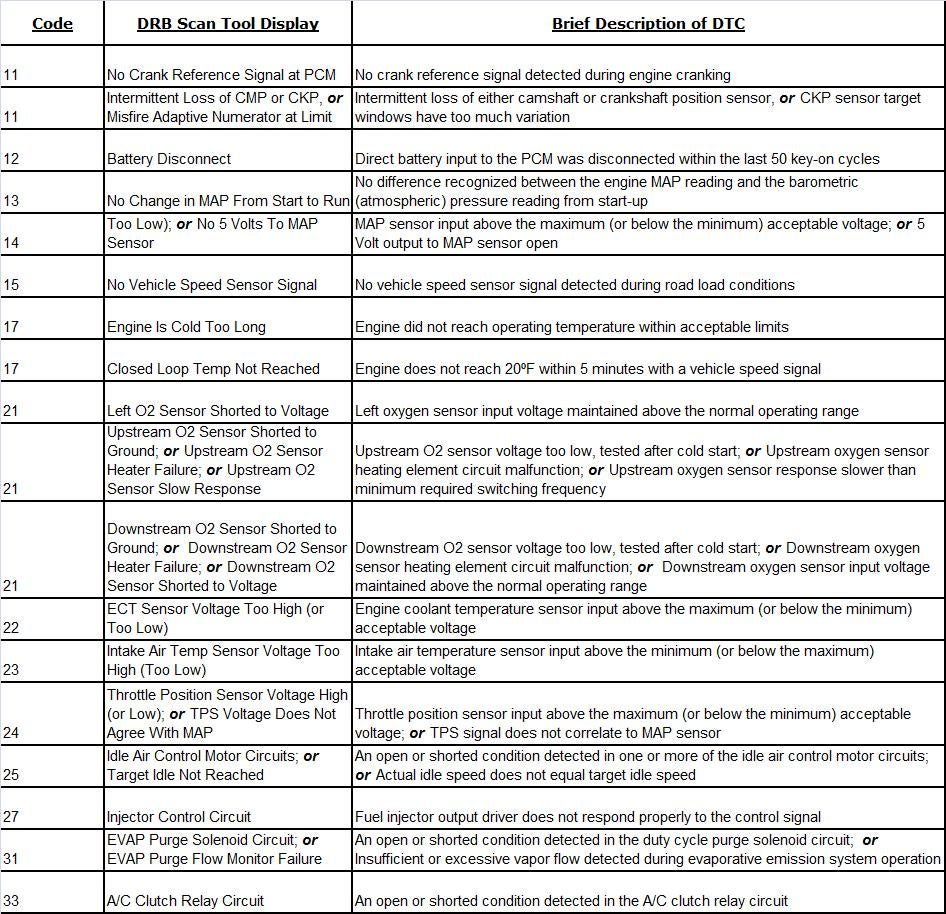
Reading Jeep Wrangler check engine light codes manually is a useful skill. It helps you diagnose issues without a scanner. Many Jeep Wranglers have a built-in way to display codes on the dashboard. This method saves time and money on trips to the mechanic. Follow simple steps to access and understand the codes your vehicle shows.
Key Cycle Method
Start by sitting in the driver’s seat with all doors closed. Insert the key into the ignition.
Turn the key from OFF to ON three times in a row. End on the ON position without starting the engine.
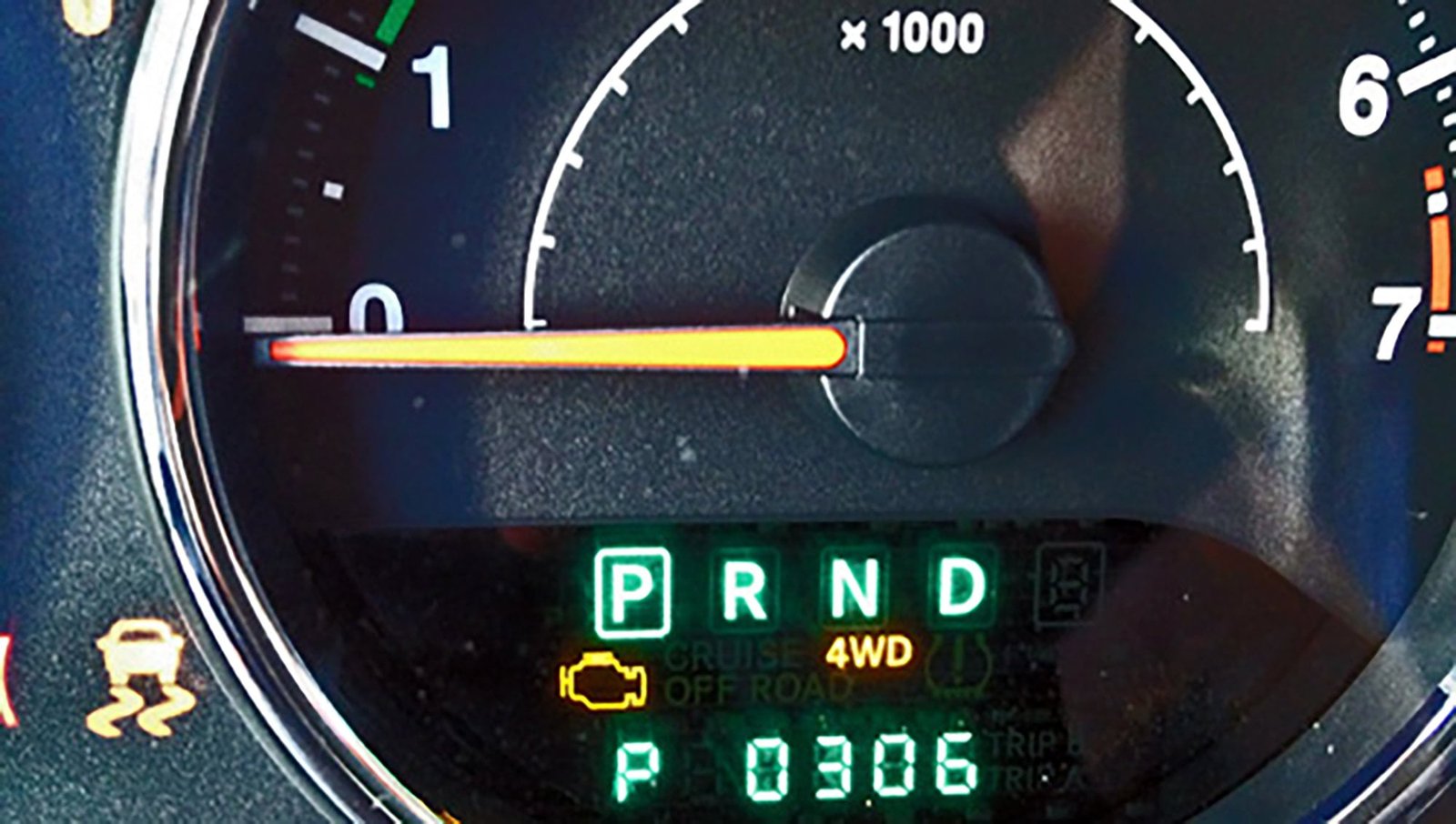
This sequence prompts the dashboard to show any stored trouble codes. If no codes exist, the display will read “-done-.”
Dashboard Code Display
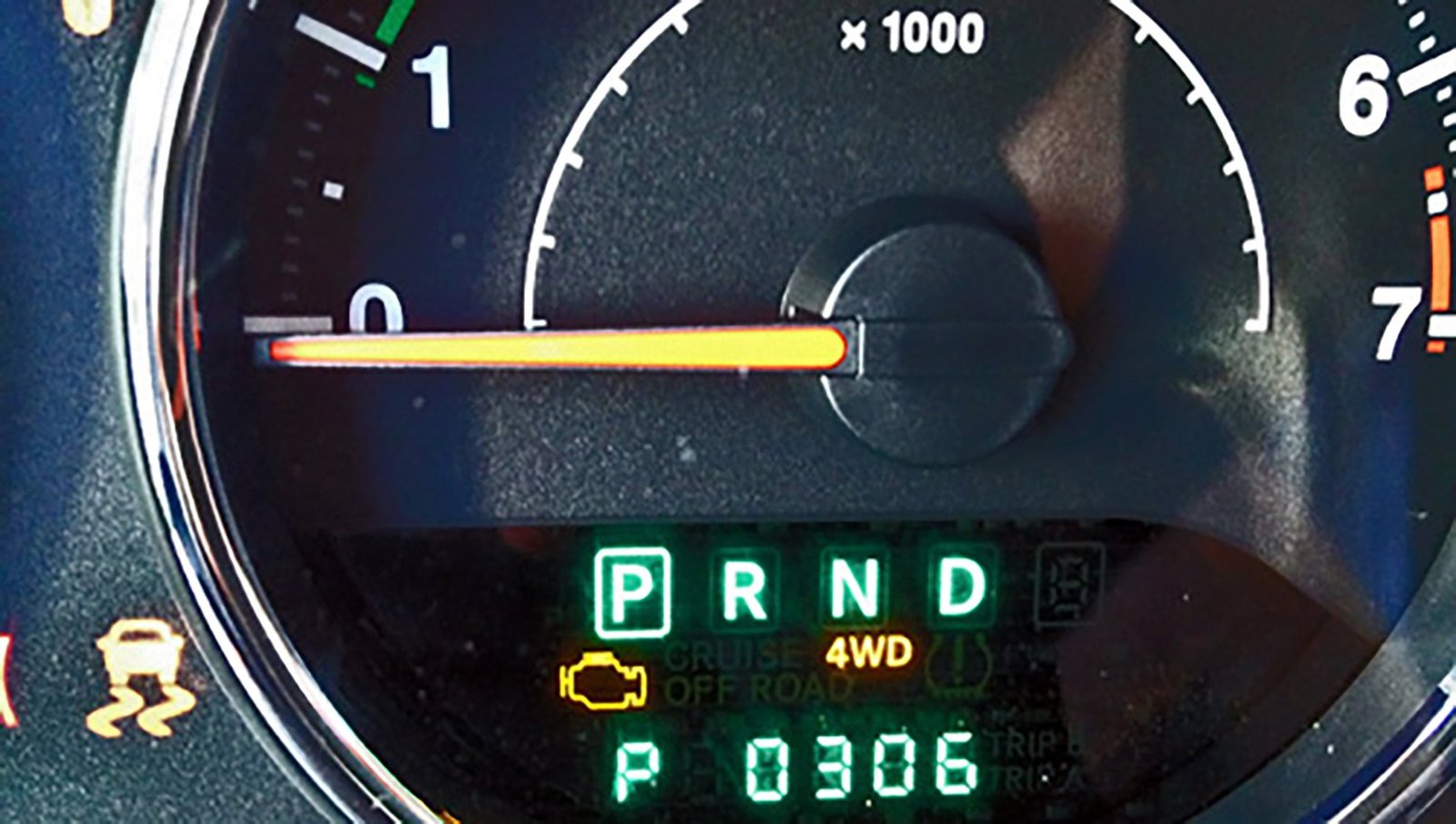
The codes appear on the odometer or the digital display. Each code consists of letters and numbers, like “P0301.” The codes flash one after another with a short pause.
Write down each code as it appears to research later. This display method lets you see problems directly from your dashboard.
Interpreting Results
Each code points to a specific issue in your Jeep. Codes starting with “P” relate to engine or transmission problems.
Use the code number to find the exact fault online or in your manual. Some codes may indicate minor issues; others might need urgent repair.
Understanding these codes helps you decide if you can drive safely or need a tow.
Common Jeep Wrangler Codes
Jeep Wrangler check engine light codes reveal important information about your vehicle’s health. These codes help identify issues quickly.
Understanding common codes saves time and money. It also aids in proper repairs.
Many Jeep Wrangler owners face specific trouble codes often. These codes relate to engine, sensors, emissions, and electrical systems.
Knowing these common codes helps you maintain your Wrangler better.
Engine Misfire Codes
Engine misfire codes start with P0300 to P0312. They indicate one or more cylinders are not firing properly.
Causes include bad spark plugs, ignition coils, or fuel problems. Misfires can cause rough running and poor fuel economy. Detecting these codes early avoids engine damage.
Oxygen Sensor Codes
Oxygen sensor codes range from P0130 to P0167. These sensors monitor exhaust gases and help control fuel mix.
Faulty sensors cause poor fuel efficiency and higher emissions. Common issues include wiring problems or sensor failure. Replacing bad sensors restores engine performance.
Emissions Control Codes
Emissions control codes cover problems with the catalytic converter, EGR valve, and EVAP system. Codes like P0420 or P0440 signal these issues.
They affect pollution control and can trigger the check engine light. Fixing these keeps your Jeep clean and legal.
Battery And Electrical Codes
Battery and electrical codes often relate to voltage problems. Codes such as P0562 or P062F show low or irregular voltage.
A weak battery or alternator can cause these codes. Electrical faults may cause sensors to send wrong signals.
Testing battery and charging system prevents false alarms.
Using An Obd-ii Scanner
Using an OBD-II scanner is the easiest way to identify issues behind your Jeep Wrangler’s check engine light. This device reads codes stored in your vehicle’s computer. Those codes point to specific problems. Understanding them helps in quick repairs and saves money.
OBD-II scanners are widely available and work on all Jeep Wrangler models made after 1996. They connect to a port usually found under the dashboard.
Once connected, they communicate with the engine control unit (ECU) to retrieve error codes. These codes explain why the check engine light came on.
Choosing The Right Scanner
Select an OBD-II scanner that fits your needs. Basic models read and clear codes.
Advanced scanners show live data and explain code meanings. Look for a scanner compatible with Jeep Wrangler and easy to use.
A clear display and simple controls improve your experience.
Connecting And Reading Codes
Locate the OBD-II port under the dashboard near the steering column. Plug in your scanner while the ignition is off.
Turn the key to the ON position without starting the engine. The scanner will power up and begin communication with your Jeep’s computer.
Follow the scanner’s menu to read the stored codes. Codes appear as a combination of letters and numbers, such as P0300 or P0420.
Note these codes down. You can look up their meanings in the scanner’s manual or online to understand the problem.
Resetting The Check Engine Light
After repairs, reset the check engine light using the scanner. Most devices have a “Clear Codes” or “Erase” option.
Select it to turn off the light and delete stored codes. This resets your Jeep’s computer and ensures the light stays off if the problem is fixed.
Keep in mind, if the issue is not resolved, the light will come back on. Resetting the light without fixing the problem only masks the warning temporarily.
Battery Issues And Check Engine Light
The check engine light on your Jeep Wrangler can signal many issues. Battery problems are common triggers for this warning.
A weak or failing battery affects your vehicle’s electrical system. This can cause the engine control unit to detect faults and store error codes.
Understanding how battery issues relate to the check engine light helps with quick diagnosis and repair.
How Low Voltage Triggers Codes
When your battery voltage drops, sensors may send wrong signals. The engine control unit sees these as faults.
Low voltage can cause misfires, sensor errors, or communication problems. These errors trigger check engine light codes.
Even a slightly weak battery can cause trouble while driving or starting. The vehicle’s computer tries to protect the engine by alerting you.
Post Jump-start Code Resets
Jump-starting your Jeep can reset some systems temporarily. The check engine light might stay on after a jump-start.
This happens because stored codes have not cleared yet. The vehicle needs several drive cycles to reset fully.
If the battery was the main cause, the light should turn off soon. Persistent codes may indicate other issues beyond the battery.
Battery Maintenance Tips
- Check battery terminals for corrosion regularly.
- Keep terminals clean and tight to ensure good contact.
- Test battery voltage with a multimeter monthly.
- Replace the battery every 3-5 years or as needed.
- Avoid short trips that don’t fully charge the battery.
- Turn off all electronics before shutting down the engine.
- Have the charging system checked during routine service.
Deciding To Drive Or Tow
Deciding whether to drive your Jeep Wrangler or tow it after the check engine light comes on can be tricky. The check engine light signals a problem, but not all issues are the same.
Some problems allow safe driving to a repair shop, while others require immediate towing to prevent damage. Knowing the type of warning can help protect your vehicle and your safety.
Steady Light Vs. Flashing Light
A steady check engine light means a minor issue. It is usually safe to drive your Jeep for a short distance.
Use caution and watch for changes in engine performance. A flashing check engine light means a serious problem.
The engine may be misfiring or overheating. Stop driving immediately.
Driving with a flashing light can cause severe damage.
Signs Of Severe Engine Problems
Listen for unusual noises like knocking or sputtering. Notice if the engine feels rough or loses power.
Watch for smoke from the exhaust or engine overheating. These signs mean the problem is severe.
The engine needs immediate attention. Continuing to drive can lead to costly repairs or engine failure.
Safety Considerations
Safety is the top priority. If the check engine light flashes or the engine shows severe problems, do not drive.
Call for roadside assistance or a tow truck. Driving with engine trouble risks breakdowns in dangerous places.
It can also harm other drivers on the road. Always choose towing if in doubt about your Jeep’s condition.
Quick Fixes For Common Codes
Quick fixes can often solve common Jeep Wrangler check engine light codes. Some issues do not require a mechanic.
Simple steps may save time and money. This section covers easy solutions to frequent problems.
Follow these tips to handle common codes fast.
Replacing Faulty Sensors
Sensors like oxygen or mass airflow sensors often cause check engine lights. A bad sensor sends wrong signals to the engine control unit.
Replace the faulty sensor to clear the code. Use a quality replacement to ensure proper function. Sensor replacement usually fixes engine performance issues.
Addressing Loose Gas Caps
A loose or damaged gas cap causes fuel system codes. The cap keeps fuel vapors sealed inside the tank.
Tighten the gas cap until it clicks firmly. Replace it if damaged or worn out.
This fix often turns off the check engine light quickly. It also helps improve fuel efficiency.
Battery And Electrical Checks
A weak or failing battery can trigger check engine warnings. Low voltage affects sensors and engine control modules.
Test the battery’s charge and connections regularly. Clean corroded terminals and secure loose cables.
Replace the battery if it cannot hold a charge. Proper electrical health prevents many engine codes.
Preventing Future Check Engine Lights
Preventing future check engine lights on your Jeep Wrangler helps avoid costly repairs. Staying ahead keeps your vehicle running smoothly and safely. Simple care steps make a big difference.
Following a routine and paying attention to small details reduces the chance of engine issues. Knowing what to do protects your Jeep’s performance and your peace of mind.
Regular Maintenance Schedule
Stick to the Jeep Wrangler’s maintenance schedule found in the owner’s manual. Timely oil changes, filter replacements, and inspections prevent many engine problems.
Ignoring scheduled checks can cause hidden issues to grow.
Check belts, hoses, and spark plugs regularly. Replace worn parts before they fail.
Clean or change air filters often to keep the engine breathing well.
Monitoring Fluid Levels
Check engine oil, coolant, brake fluid, and transmission fluid levels often. Low or dirty fluids stress the engine and other systems, triggering warning lights.
Use a dipstick or reservoir markings to measure levels.
Top off fluids with the correct types recommended by Jeep. Never mix different fluids or use poor-quality substitutes.
Clean fluid systems keep your Jeep running cool and smooth.
Using Quality Parts And Fuel
Use only parts made for Jeep Wranglers. Cheap or generic parts may cause malfunctions and engine codes.
OEM or trusted aftermarket parts maintain performance and reliability.
Fill your Jeep with high-quality fuel from reputable stations. Poor fuel can clog injectors and damage sensors.
Adding fuel system cleaners periodically helps keep injectors clean and efficient.

How To Get Check Engine Code Jeep Wrangler?
To get the check engine code on a Jeep Wrangler, cycle the key OFF-ON three times, ending ON. The code appears on the odometer. Use an OBD-II scanner for detailed codes.
What Is The Most Common Check Engine Light On A Jeep Wrangler?
The most common check engine light on a Jeep Wrangler indicates an oxygen sensor or catalytic converter issue. These parts often cause emissions problems.
Can I Drive $1000 Miles With The Check Engine Light On?
Driving 1,000 miles with the check engine light on is risky. It may cause severe engine damage. Have a mechanic inspect it immediately.
Can The Check Engine Light On A Jeep Wrangler Mean The Battery Is Low?
Yes, a low or weak battery can trigger the check engine light on a Jeep Wrangler. Low voltage causes sensors to send incorrect signals.
This often happens after a dead battery or jump-start when the system resets and stores fault codes.
Conclusion
Knowing your Jeep Wrangler’s check engine light codes helps you act fast. Reading codes is simple and often needs no special tools.
You can spot common issues early and avoid costly repairs. Pay attention to steady or flashing lights to decide if driving is safe.
Using an OBD-II scanner gives more detailed information. Regular checks keep your Jeep running smoothly and safely.
Stay informed, and your Wrangler will serve you well for many miles.