Jeep TJ owners often search for ways to boost engine performance and reliability. One of the most popular upgrades is a cold air intake with a quality air filter. But with so many options available, it’s easy to feel lost. Is a high-flow filter really worth it? What’s the difference between cotton, foam, and paper? This guide compares the best Jeep TJ cold air intake air filters, showing how they impact power, protection, and long-term value.
Why Cold Air Intake And Air Filter Quality Matter
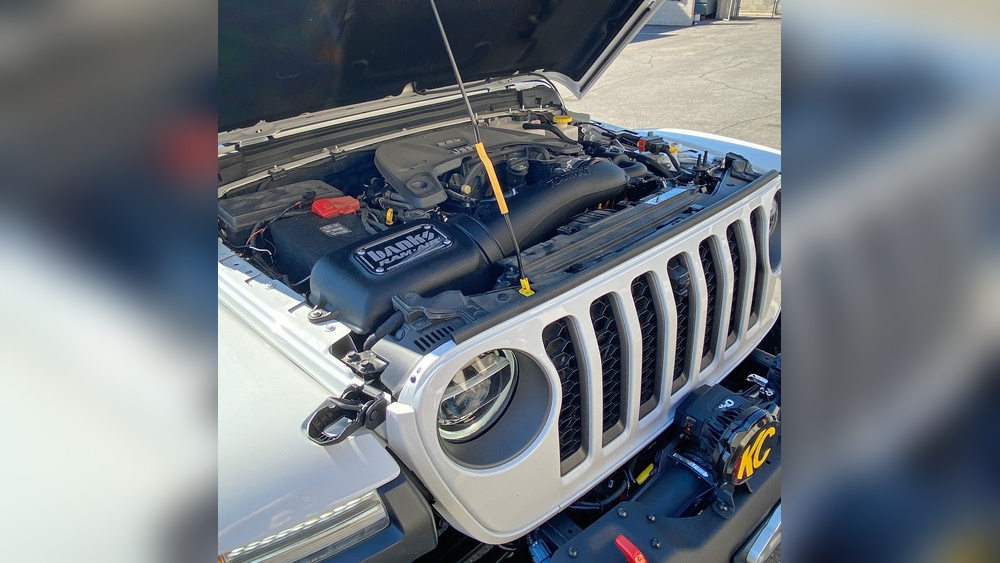
A cold air intake brings cooler, denser air to the engine. Cooler air contains more oxygen, helping the engine burn fuel better. This can improve horsepower, throttle response, and even fuel economy. But the real key is the air filter. If your filter is low quality, you risk dirt entering the engine or airflow being restricted. The right filter balances maximum airflow and engine protection.
Many Jeep TJ owners miss this: the filter is often more important than the intake tube itself. Choosing the right filter can mean the difference between a stronger engine and expensive repairs.
Common Air Filter Types For Jeep Tj
Let’s break down the main filter types you’ll find in cold air intake kits.
| Filter Type | Material | Airflow | Filtration | Maintenance |
|---|---|---|---|---|
| Cotton Gauze | Oiled cotton | High | Good | Wash & oil |
| Foam | Polyurethane foam | Very high | Moderate | Wash & oil |
| Paper | Pleated paper | Medium | Excellent | Replace |
| Synthetic | Dry synthetic fiber | Medium-high | Good | Wash or replace |
Cotton gauze filters (like K&N) are popular for their balance of airflow and filtering. Foam filters can flow even more air but may let in more dust. Paper filters trap dirt well but restrict air, hurting performance. Synthetic filters offer a mix—good airflow, easy cleaning, and solid protection.
Comparing Top Cold Air Intake Air Filters For Jeep Tj
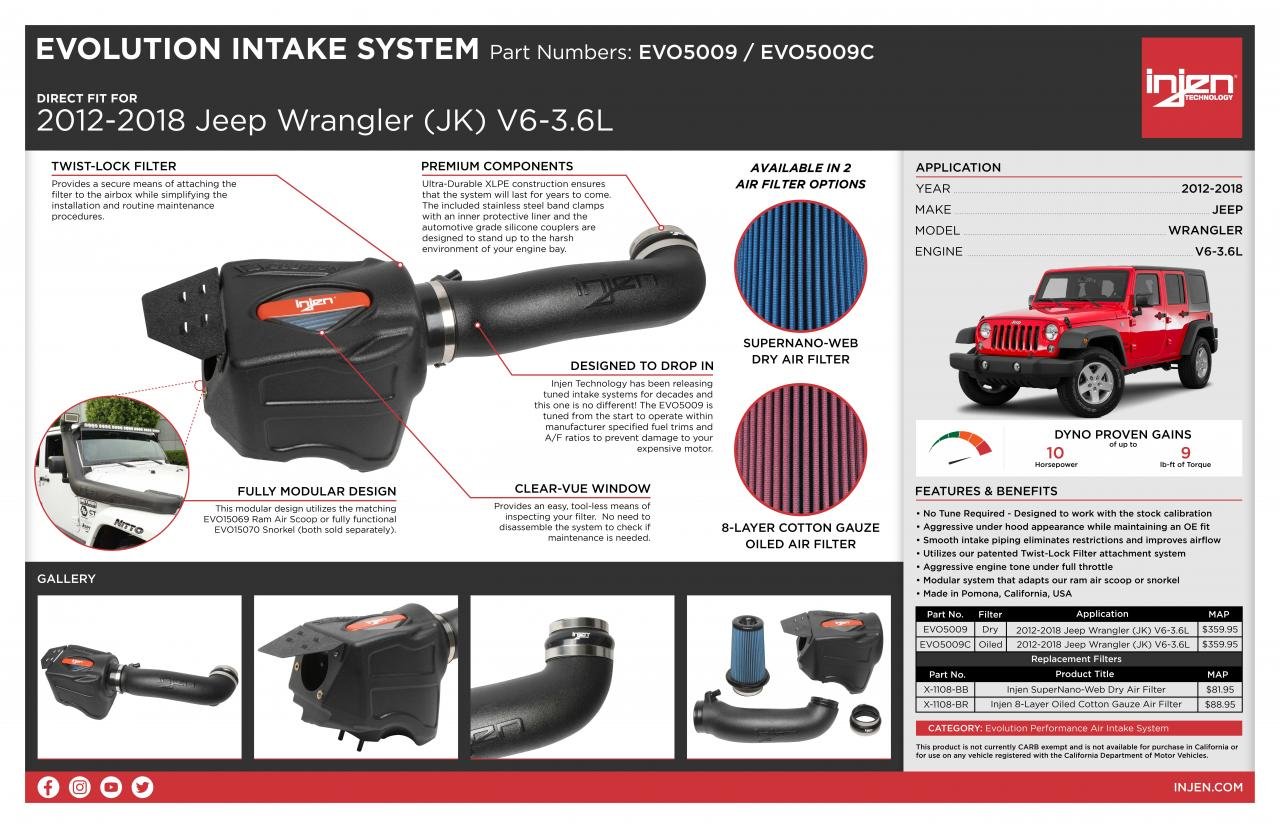
Here’s a closer look at popular filters used in Jeep TJ cold air intake systems. We’ll compare their features, durability, and real-world results.
| Brand | Filter Type | Horsepower Gain | Protection | Price |
|---|---|---|---|---|
| K&N | Cotton Gauze | +5-7 hp | High | $$ |
| AEM | Synthetic Dry | +3-5 hp | Good | $$$ |
| Spectre | Oiled Cotton | +4-6 hp | Moderate | $ |
| Volant | Synthetic | +4-5 hp | Very High | $$$ |
| OEM (Stock) | Pleated Paper | 0 hp | Excellent | $ |
Real-world Performance
K&N’s oiled cotton filter is famous for boosting power. Many Jeep TJ owners report a noticeable improvement in throttle response after installing K&N cold air intake kits.
AEM’s synthetic filter is easier to clean and doesn’t require oil, but may not flow quite as much air.
Spectre is a budget-friendly option, but its protection rating is lower some users see more dust in the intake.
Volant uses a dry synthetic filter with high filtration, ideal for dusty environments. Stock paper filters offer strong protection but can choke airflow, especially after a few thousand miles.
What To Consider When Choosing
Choosing the best filter isn’t just about horsepower. Here are factors you should consider:
- Driving Environment: If you drive in dusty trails, prioritize filtration over airflow. Synthetic and paper filters protect better.
- Maintenance: Oiled filters need regular cleaning and re-oiling. Dry filters are easier to maintain but may need replacement sooner.
- Budget: High-quality filters cost more upfront but can save money by protecting your engine.
- Warranty and Fit: Some brands offer lifetime warranties. Always check fitment for Jeep TJ (1997–2006).
- Performance Goals: If you want maximum power, choose oiled cotton or foam. If you value engine longevity, go for synthetic or paper.
Many beginners forget: a dirty or poorly oiled filter can reduce performance and risk engine damage. Always follow the manufacturer’s cleaning schedule.
Filter Longevity And Value
How long does a filter last? Oiled cotton filters can last up to 50,000 miles if cleaned properly.
Synthetic filters may last 30,000 40,000 miles. Paper filters usually need replacement every 10,000 15,000 miles.
Here’s a quick durability comparison:
| Filter Type | Expected Lifespan | Cleaning Required? |
|---|---|---|
| Cotton Gauze | 40,000-50,000 miles | Yes |
| Synthetic | 30,000-40,000 miles | Yes |
| Paper | 10,000-15,000 miles | No, replace |
| Foam | 20,000-30,000 miles | Yes |
A non-obvious tip: some aftermarket filters can be reused for years, but only if you clean them with the right products. Using water alone can ruin oiled filters. Always check the manufacturer’s instructions.
Practical Tips For Jeep Tj Owners
- Check your air filter every oil change, especially if you drive off-road.
- Don’t over-oil cotton filters; excess oil can damage sensors.
- If you live in a dusty area, synthetic filters offer better long-term protection.
- For easy maintenance, dry filters are best—you can clean them with just water.
- Make sure the filter seals tightly. Gaps allow dirt into your engine.
Many Jeep TJ drivers overlook filter fitment. A poor fit can cause leaks and reduce engine life. Always test the filter before final installation.
Frequently Asked Questions
What Is The Best Air Filter For Jeep Tj Cold Air Intake?
For most Jeep TJ owners, K&N cotton gauze or AEM synthetic dry filters offer the best balance of airflow and protection. If you drive in dusty conditions, Volant’s synthetic filter is a smart choice.
How Often Should I Clean Or Replace My Cold Air Intake Filter?
Clean oiled filters every 10,000 15,000 miles. Replace paper filters at the same interval.
For synthetic filters, check every 15,000 miles and clean as needed.
Will A Cold Air Intake With A High-quality Filter Increase My Jeep Tj’s Horsepower?
Yes, a cold air intake with a quality filter can add 3–7 horsepower. The actual gain depends on the filter type and engine condition.
Are Oiled Filters Safe For Sensors In Jeep Tj?
Oiled filters are safe if you don’t over-oil them. Too much oil can contaminate the mass airflow sensor. Always follow the manufacturer’s oiling instructions.
Where Can I Find More Technical Details And Test Results For Jeep Tj Air Filters?
You can read detailed filter tests and reviews at K&N Filters, which provides real-world performance data and comparisons.
Upgrading your Jeep TJ’s cold air intake with a quality filter is one of the smartest ways to improve performance and engine health. Choose wisely, maintain regularly, and your Jeep will reward you for many miles ahead.