If you drive a Jeep and you’ve seen the dreaded P2111 code pop up, you know it’s more than just a warning light—it’s a signal that your vehicle’s throttle system isn’t working right.
This code can cause your Jeep to lose power, go into limp mode, or even stall unexpectedly.
You might feel frustrated and unsure about what to do next. But don’t worry understanding what P2111 means, why it happens, and how to fix it can save you time, money, and stress.
Keep reading to learn exactly how this issue affects your Jeep and what steps you can take to get back on the road safely and smoothly.
Symptoms Of P2111 Code
The P2111 code on a Jeep signals an issue in the throttle actuator control system. This problem causes several noticeable symptoms.
Drivers often feel these symptoms while driving or during startup. Recognizing these signs helps in early diagnosis and repair.
Below are the common symptoms linked to the P2111 code.
Limp Mode And Reduced Power
The vehicle may enter limp mode suddenly. In limp mode, the engine power reduces drastically.
This limits the vehicle speed to protect the engine. Acceleration feels weak or sluggish.
The Jeep might struggle to climb hills or merge on highways.
Etc Warning Light
The Electronic Throttle Control (ETC) warning light appears on the dashboard. It often shows as a red lightning bolt.
This light alerts drivers to a throttle system fault. The warning may flash or stay solid. It signals the need for immediate attention.
Engine Performance Issues
The engine may run rough or hesitate during acceleration. Stalling can occur unexpectedly, especially at low speeds.
Fuel efficiency might drop noticeably. The throttle response can feel delayed or inconsistent.
These issues affect daily driving comfort and safety.

Common Causes Of P2111
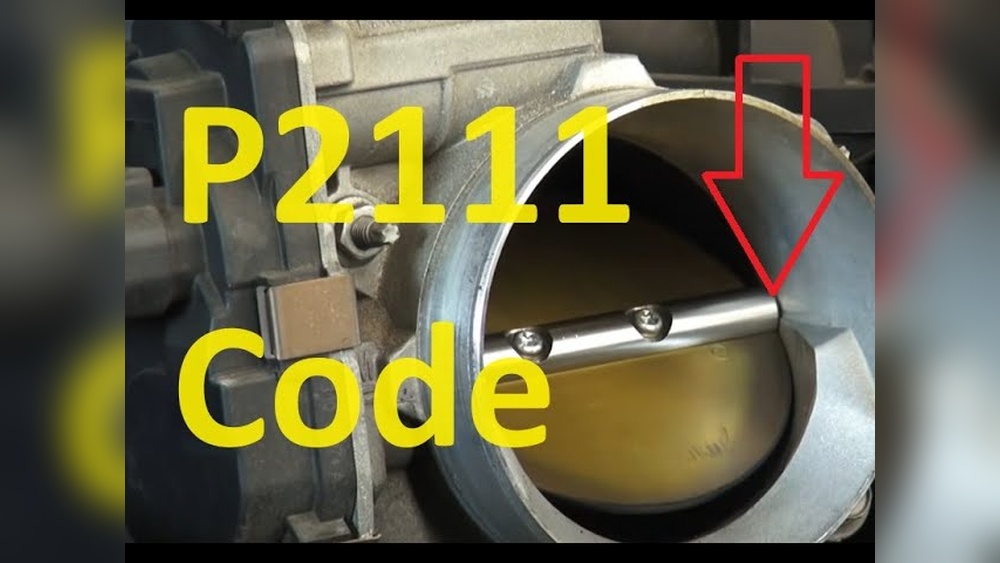
Cleaning the throttle body is a key step to keep your Jeep P2111 running smoothly. Dirt and carbon build-up can block airflow, causing engine problems.
Regular cleaning helps maintain proper throttle function and prevents error codes. A clean throttle body improves fuel efficiency and engine response.
Choosing The Right Cleaner
Use a cleaner made specifically for throttle bodies. These cleaners dissolve carbon without harming sensors or coatings.
Avoid harsh chemicals or carburetor cleaners, which can damage parts. Spray the cleaner directly on the throttle body interior.
Let it sit for a few minutes to break down grime.
Safe Cleaning Techniques
Disconnect the battery before starting to avoid electrical issues. Remove the air intake tube for easy access.
Use a soft cloth or brush to wipe away deposits gently. Do not force the throttle plate open by hand.
Clean slowly and carefully to avoid damage. Reconnect all parts securely after cleaning.
Preventing Future Carbon Buildup
Use high-quality fuel to reduce deposits. Change air filters regularly to keep dirt out.
Avoid excessive idling, which can cause carbon buildup. Consider fuel additives designed to clean the intake system.
Regular maintenance helps keep the throttle body clean and efficient.
Inspecting The Throttle Body
Checking electrical connections is a vital step when diagnosing Jeep P2111 errors. Faulty or loose connections often cause throttle control issues.
Ensuring all wiring and connectors are in good condition helps prevent misfires and sensor failures.
Proper inspection can save time and money by avoiding unnecessary part replacements. Follow these simple steps to check your vehicle’s electrical system carefully and accurately.
Inspecting Wiring Harness
Begin by visually examining the wiring harness near the throttle body. Look for cracks, cuts, or worn insulation on the wires.
Damaged wiring can cause shorts or open circuits that trigger error codes.
Flex the harness gently to find hidden breaks or weak spots. Dirt and oil buildup may hide problems, so clean the area for a clear view.
Secure loose wires to prevent rubbing and further damage during vehicle operation.
Ensuring Connector Integrity
Check the electrical connectors attached to the throttle body. Make sure each connector fits snugly and clicks into place.
Loose or corroded connectors disrupt electrical flow and cause faults.
Remove connectors and inspect the pins inside. Bent or corroded pins reduce contact quality.
Clean corrosion with electrical contact cleaner and a soft brush. Avoid forcing connectors back on to prevent pin damage.
Testing Electrical Continuity
Use a multimeter to test wiring continuity between the throttle body and the engine control module. Continuity tests confirm if wires carry current properly without breaks.
Set your meter to the continuity mode and place probes on each wire end.
No beep or reading means a break or fault in the wire. Repair or replace damaged wires as needed.
Testing ensures signals reach the throttle actuator correctly, preventing P2111 errors from recurring.

Cleaning The Throttle Body
Performing a throttle relearn on a Jeep P2111 is essential after cleaning or replacing the throttle body. This process helps the vehicle’s computer understand the new throttle position.
Without relearning, the engine may run poorly or trigger warning lights.
The throttle relearn can be done manually or with a scan tool. Both methods ensure the throttle plate moves correctly and the engine responds smoothly.
Proper relearn improves drivability and prevents error codes.
Manual Relearn Procedure
Start by turning the ignition key to the “ON” position. Do not start the engine yet.
Leave it on for about 3 minutes. This step lets the throttle body calibrate itself.
Next, turn the ignition off for 10 seconds. Repeat this cycle three times.
After the final cycle, start the engine and let it idle. The engine may run rough for a minute; this is normal.
Drive the vehicle gently to complete the relearn. Avoid sudden acceleration or heavy loads.
The computer will adjust throttle settings during this time.
Using Obd-ii Scan Tools
Connect an OBD-II scan tool to the vehicle’s diagnostic port. Turn the ignition to the “ON” position.
Use the scan tool to access the throttle relearn function.
Follow the prompts on the scan tool screen. The tool will command the throttle plate to move and store new settings.
This method is faster and more precise than manual relearn.
After the tool confirms completion, turn off the ignition. Disconnect the scan tool.
Start the engine and check if the throttle responds smoothly.
Confirming Successful Relearn
Check the dashboard for any warning lights. The Electronic Throttle Control light should be off.
If it stays on, the relearn may have failed or another issue exists.
Listen to the engine idle. It should be steady without stalling or roughness.
Test the throttle response by pressing the accelerator gently. The engine should react smoothly.
If symptoms persist, repeat the relearn or inspect the throttle body and wiring. Proper relearn prevents error codes and improves vehicle performance.
Checking Electrical Connections
Preventative maintenance is key to avoiding Jeep P2111 issues. Keeping your vehicle in good shape saves money and stress.
Simple checks and cleaning help keep the throttle body working well. Regular care prevents sudden breakdowns and extends engine life.
Regular Throttle Body Cleaning
Carbon builds up inside the throttle body over time. This buildup can block the throttle valve from closing properly.
Clean the throttle body every 20,000 miles or as needed. Remove the air intake tube first.
Use a throttle body cleaner and a soft cloth. Gently wipe away carbon deposits to avoid damage.
Clean parts improve air flow and engine response.
Routine Electrical Checks
Inspect the throttle body’s electrical connector often. Check for loose pins or corrosion.
Look for frayed or broken wires near the connector. Tighten or replace any damaged parts quickly.
Faulty wiring can cause throttle errors and poor engine performance. Clean connectors with electrical contact cleaner if dirty.
Monitoring Engine Performance
Watch for signs like rough idling or reduced power. Engine hesitation can signal throttle body problems. Use an OBD-II scanner to check for error codes. Address issues early to avoid bigger repairs. Regular engine checks help detect problems before they worsen. Keep your Jeep running smoothly and safely.
Frequently Asked Questions
How Do I Fix Error Code P2111?
Clean the throttle body to remove carbon buildup. Inspect wiring for damage or corrosion.
Replace the throttle body if problems persist. Perform a throttle relearn using a scan tool or ignition cycle.
What Does P2111 Mean Throttle Actuator Control System Stuck Open?
P2111 means the throttle actuator control system detects the throttle stuck open. This causes reduced power and engine limp mode.
Common causes include carbon buildup or faulty throttle body components. Cleaning, wiring checks, or throttle body replacement usually fix the issue.
Can You Do A Throttle Body Relearn Without A Scanner?
You can perform a throttle body relearn without a scanner by turning the ignition to "ON" for a few minutes. This resets the throttle position.
Some vehicles may still require a scanner for complete relearn procedures.
What Are The Common Symptoms Of A P2111 Code?
Common symptoms of a P2111 code include reduced engine power, limp mode activation, and a flashing electronic throttle control warning light. The engine may hesitate or stall, and throttle response often feels delayed or stuck.
These issues typically signal throttle body or sensor problems.
Conclusion
The Jeep P2111 code signals a throttle control issue. It can cause reduced power and warning lights.
Cleaning the throttle body often helps solve the problem. Checking wiring and connections is also important. Sometimes, replacing the throttle body becomes necessary.
After repairs, a relearn procedure resets the system. Regular maintenance can prevent this trouble.
Understanding these steps keeps your Jeep running smoothly and safely. Stay alert to symptoms and act quickly to avoid bigger repairs.