If you’ve noticed the P1281 code popping up on your Jeep’s dashboard, you’re probably wondering what it means and what to do next. This code signals that your engine coolant isn’t reaching the right temperature within a certain time after startup.
That might sound technical, but it can affect how your Jeep runs and even impact your fuel efficiency. Understanding what causes the P1281 code and how to fix it can save you time, money, and stress.
Keep reading to learn exactly why this happens and what steps you can take to get your Jeep back in top shape.
What P1281 Means
The Jeep P1281 code signals an issue with engine temperature. It shows the engine coolant did not heat up enough.
This problem appears within six minutes after starting the engine. The code helps identify if the engine runs colder than it should.
Understanding this code is key to fixing the problem quickly.
Engine Coolant Temperature Basics
Engine coolant controls the engine’s heat. It moves heat away from the engine block.
This prevents the engine from overheating. The coolant temperature sensor tracks this heat.
It sends data to the engine control unit (ECU). The ECU adjusts fuel and air mixture based on this data.
If the coolant temperature is too low, the engine runs less efficiently. It may cause poor fuel economy and higher emissions.
The engine needs to reach a certain temperature fast. This allows it to work well and reduce wear.
Why The Code Appears
The P1281 code appears when the coolant temperature is too low. The ECU expects the engine to warm up quickly.
If it does not, the code triggers. This can happen for several reasons.
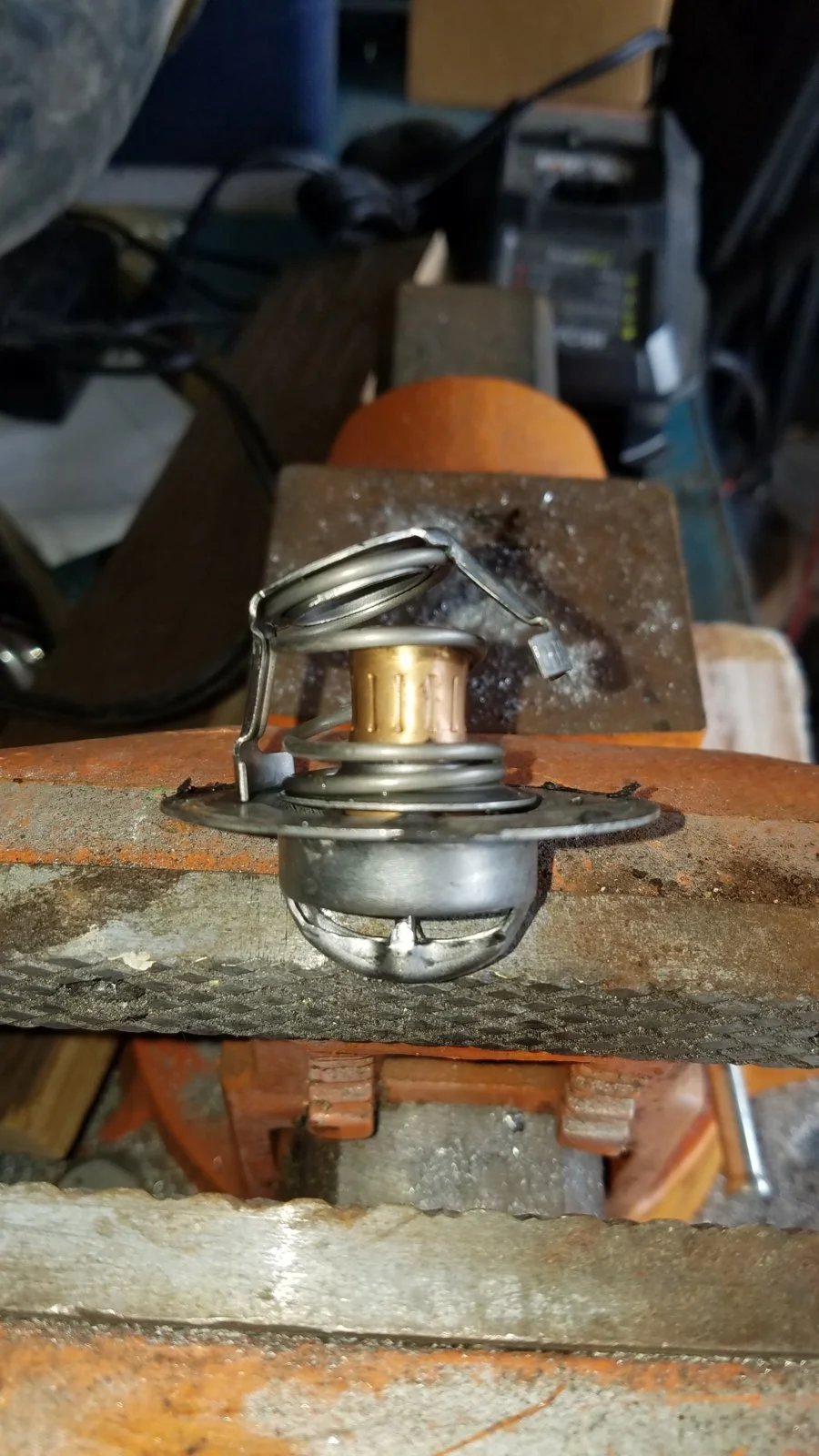
A faulty thermostat can keep coolant from heating. A stuck-open thermostat lets coolant flow too much.
This stops the engine from reaching the right temperature. Another cause is a bad coolant temperature sensor.
It may give wrong readings to the ECU.
Low coolant levels or leaks also cause slow heating. Air pockets in the cooling system affect coolant flow.
Wiring problems or a failing ECU can trigger the code too. Finding the exact cause helps avoid engine damage.
Common Causes
The Jeep P1281 trouble code signals an issue with the engine coolant temperature. This code appears when the engine coolant does not reach the required temperature within six minutes of starting.
Several factors can cause this problem. Understanding these common causes helps in quick diagnosis and repair.
Below are the main reasons behind the P1281 code.
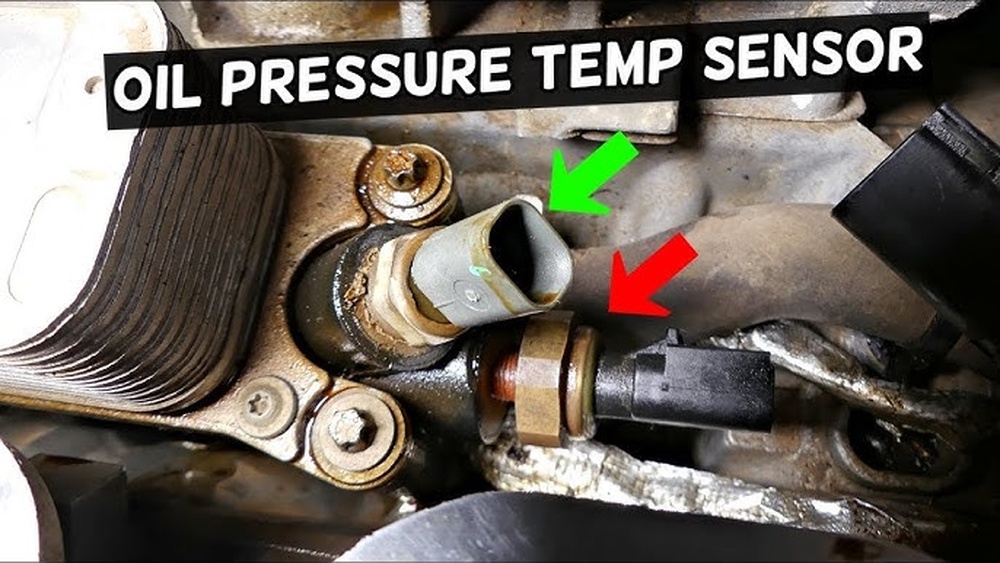
Faulty Coolant Temperature Sensor
The coolant temperature sensor measures the engine’s temperature. A faulty sensor sends wrong signals to the engine control unit.
This can prevent the engine from warming up properly. Replacing a bad sensor often solves the issue.
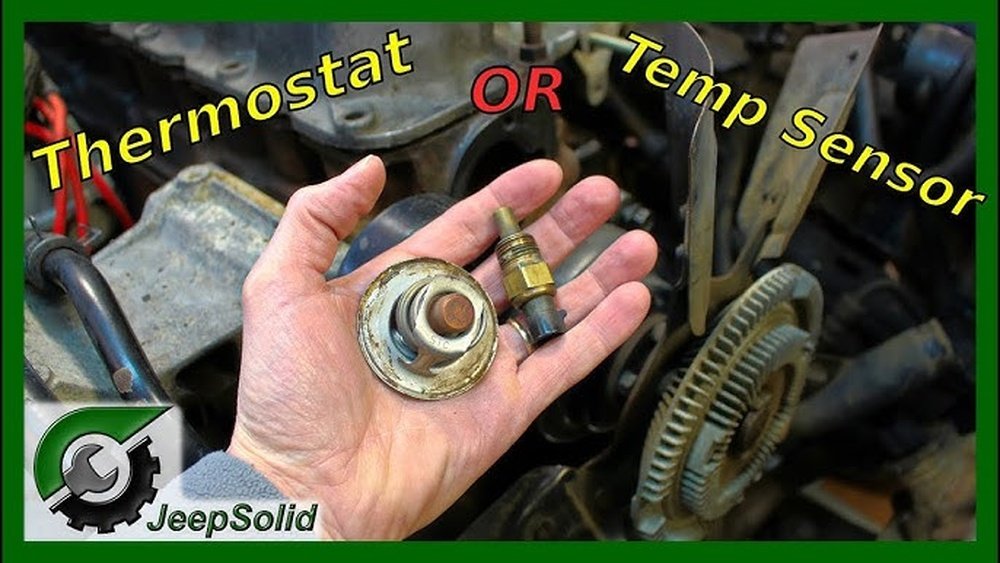
Thermostat Issues
The thermostat controls coolant flow through the engine. If it sticks open, the engine stays too cool.
This causes the P1281 code to appear. Replacing a stuck thermostat usually fixes the problem.
Wiring And Connector Problems
Damaged wiring or loose connectors can disrupt sensor signals. Corrosion or broken wires lead to incorrect temperature readings. Inspecting and repairing wiring restores proper communication.
Engine Coolant Level
Low coolant levels affect engine temperature regulation. Not enough coolant can stop the engine from reaching the right heat.
Checking and refilling coolant prevents the P1281 code from showing up.
Symptoms To Watch For
Watching for certain symptoms can help identify the Jeep P1281 code early. This code means the engine coolant does not reach the right temperature quickly.
Noticing signs soon can prevent bigger engine problems. common symptoms to watch for.
Engine Running Cold
The engine may stay cooler than normal. It takes longer to warm up after starting.
This can cause poor engine performance. You might feel the engine is less smooth or responsive.
Poor Fuel Economy
Fuel use may increase noticeably. The engine uses more gas to run cold.
This wastes fuel and costs more money. You might fill up your tank more often than usual.
Check Engine Light
The check engine light may turn on. It signals a problem with engine temperature.
This warning should not be ignored. A diagnostic tool can read the P1281 code.
Heating System Performance
The heater inside the vehicle may blow cold air. This happens because the engine coolant is not hot enough.
Cabin heating becomes weak or fails altogether. This makes driving uncomfortable in cold weather.
Tools Needed For Diagnosis
Diagnosing the Jeep P1281 code needs certain tools. These tools help find the problem quickly and correctly.
Having the right equipment saves time and effort. It also ensures accurate results for repair.
Obd-ii Scanner
An OBD-II scanner reads error codes from the vehicle’s computer. This tool identifies the exact trouble code, like P1281. It helps understand what part needs checking. Many models connect to smartphones for easy use. Using a scanner makes diagnosis faster and clearer.
Multimeter
A multimeter measures electrical values like voltage and resistance. It tests sensors and wiring linked to the engine temperature.
This tool confirms if parts receive proper power and signals. A multimeter is essential for finding electrical faults.
It supports accurate troubleshooting of the cooling system.
Basic Hand Tools
Basic hand tools include screwdrivers, pliers, and wrenches. These tools help remove sensors and engine parts safely.
They allow access to the coolant temperature sensor and related components. Having these tools on hand makes repairs easier.
They are necessary for any physical inspection or part replacement.
Step-by-step Diagnosis
Diagnosing the Jeep P1281 code requires a clear, step-by-step approach. This code signals the engine coolant temperature did not reach the expected level in time.
Quick and accurate diagnosis prevents further engine issues. Follow these steps carefully to find the root cause and fix it properly.
Reading The Code
Start by using an OBD-II scanner to read the trouble codes. Connect the scanner to the Jeep’s diagnostic port.
Turn the ignition on, but do not start the engine. Note the P1281 code and any other codes present.
This confirms the issue and guides your next steps.
Testing The Coolant Temperature Sensor
Check the coolant temperature sensor (CTS) for proper function. Use a multimeter to test the sensor’s resistance.
Compare the readings to the manufacturer’s specifications. Replace the sensor if it shows abnormal values or no response.
A faulty CTS often triggers the P1281 code.
Inspecting Thermostat Operation
The thermostat controls coolant flow and engine temperature. Remove the thermostat and check if it opens and closes correctly.
Use hot water to see if it opens around the correct temperature. Replace a stuck or slow thermostat.
A bad thermostat can cause slow engine warm-up.
Checking Wiring And Connectors
Inspect the wiring and connectors linked to the coolant temperature sensor. Look for damage, corrosion, or loose connections.
Repair or replace any faulty wiring or connectors. Poor electrical connections can cause false readings and trigger the code.
Verifying Coolant Levels
Check the coolant level in the radiator and overflow tank. Low coolant can affect temperature readings and engine performance.
Top up the coolant to the recommended level if it is low. Ensure no leaks exist in the cooling system.
Proper coolant level helps maintain correct engine temperature.
Fixing The P1281 Code
The P1281 code on a Jeep means the engine coolant is not heating up properly. This issue causes poor engine performance and can increase fuel use.
Fixing this code quickly helps your Jeep run smoothly and avoids bigger problems.
Several parts and systems can cause this error. Checking and fixing each one step-by-step is important.
The main areas to focus on are the coolant temperature sensor, thermostat, wiring, and coolant level.
Replacing The Coolant Temperature Sensor
The coolant temperature sensor measures the engine’s temperature. A bad sensor sends wrong signals to the engine control unit.
This can trigger the P1281 code. Replace the sensor if it shows signs of damage or gives faulty readings.
Use a new sensor made for your Jeep model for the best results.
Replacing The Thermostat
The thermostat controls coolant flow to keep the engine at the right temperature. A stuck-open thermostat lets coolant flow too much, keeping the engine cold.
This causes the P1281 code to appear. Install a new thermostat that opens at the correct temperature.
This helps the engine warm up fast and stay at the right heat level.
Repairing Wiring Issues
Wiring problems can stop the coolant temperature sensor from sending correct data. Check for broken, loose, or corroded wires around the sensor and thermostat.
Fix any damaged wiring by cleaning, tightening, or replacing it. Good wiring ensures accurate signals and proper engine temperature readings.
Refilling And Bleeding Coolant
Low coolant levels or air in the system cause poor heating. Refill the coolant to the proper level using the right type.
Bleed the system to remove trapped air pockets. This allows coolant to flow freely and heat the engine correctly.
Proper coolant flow helps avoid the P1281 code and engine overheating.
Preventive Maintenance Tips
Preventive maintenance is key to avoiding Jeep P1281 trouble codes. This code signals the engine coolant is not reaching the right temperature fast enough.
Regular care helps keep the engine running smoothly and prevents costly repairs.
Regular Coolant Checks
Check the coolant level often. Low coolant can cause the engine to stay cold longer.
Use the right type of coolant for your Jeep. Flush and replace the coolant as the owner’s manual suggests.
This keeps the system clean and working well.
Sensor And Thermostat Inspection
Inspect the coolant temperature sensor for damage or dirt. A faulty sensor sends wrong signals to the engine control unit.
Check the thermostat to ensure it opens and closes properly. Replace any faulty parts to keep the engine at the right temperature.
Wiring Care
Look over the wiring connected to sensors and the thermostat. Broken or loose wires cause wrong readings and trigger error codes.
Clean and secure all connections to avoid electrical problems. Protect wires from heat and moisture to extend their life.
When To Seek Professional Help
Knowing when to seek professional help for Jeep P1281 issues is important. Some problems need expert skills and tools.
Acting too late can cause more damage and higher repair costs.
Understanding the signs that require professional attention saves time and money. It also ensures your Jeep runs safely and efficiently.
Persistent Codes
When the P1281 code keeps coming back after resets, it shows a deeper issue. Simple fixes may not solve the problem.
A professional mechanic can perform detailed diagnostics to find the root cause. Persistent codes often mean the engine control module or sensors need expert testing.
Complex Electrical Problems
Electrical faults linked to P1281 can be tricky. Problems with wiring, connectors, or the engine control unit require special equipment.
Professionals use advanced tools to trace electrical faults safely. Handling these issues without proper knowledge may cause more harm.
Advanced Engine Issues
Sometimes, the P1281 code points to serious engine problems. Issues with the coolant temperature sensor or thermostat may affect engine performance.
These repairs often need engine disassembly and calibration. Professional mechanics have the skills and tools needed for accurate repairs.
Conclusion
The Jeep P1281 code shows the engine coolant did not heat up fast. This can cause poor fuel economy and engine performance.
Checking the thermostat and coolant system helps fix the issue. Regular maintenance keeps your Jeep running smoothly.
Understanding this code saves time and money on repairs.
Stay alert to signs of engine temperature problems. Taking quick action prevents bigger issues later.
Keep your Jeep reliable and ready for any trip.