If you’ve noticed your Jeep acting up or your check engine light flashing, you might have come across the code P0732. This specific code points to a problem with your transmission’s second gear, and ignoring it can lead to costly repairs or even leave you stranded.
Understanding what P0732 means for your Jeep is the first step to fixing it quickly and safely.
You’ll learn the common signs to watch for, the main causes behind this issue, and the simple steps you can take to get your Jeep shifting smoothly again.
Keep reading your Jeep’s health depends on it.

Symptoms Of P0732
The P0732 error code signals a problem with the Jeep’s transmission. Recognizing its symptoms early helps prevent major damage.
This code specifically points to an issue with the second gear ratio, causing several noticeable driving problems. Understanding these symptoms aids in quick diagnosis and repair.
Check Engine Light Activation
The most common sign of P0732 is the Check Engine Light turning on. This warning light appears on the dashboard when the vehicle’s computer detects a transmission fault.
Ignoring this light can lead to more severe transmission damage over time.
Delayed And Harsh Shifts
Shifting delays or harsh gear changes often occur with this code. The Jeep may feel jerky or rough when changing gears, especially when accelerating from a stop.
This happens because the transmission struggles to engage the second gear properly.
Skipping Or Stuck Gears
Another symptom is the transmission skipping the second gear or getting stuck in a certain gear. This can cause the vehicle to lose power or behave unpredictably while driving.
The driver may notice sudden changes in speed or unusual noises from the transmission.
Common Causes
The Jeep P0732 trouble code signals a gear ratio error in the transmission. Several common causes trigger this code and affect your vehicle’s performance.
Identifying these issues early can prevent costly repairs and keep your Jeep running smoothly.
Understanding the main reasons behind the P0732 code helps you address the problem quickly. Below are the most frequent causes linked to this error.
Low Transmission Fluid
Transmission fluid lubricates and cools the moving parts inside the transmission. Low fluid levels reduce hydraulic pressure, which is essential for proper gear shifting.
Leaks from a damaged pan gasket or cracked cooler can lower fluid levels quickly. Without enough fluid, the transmission struggles to hold gears, causing the P0732 code to appear.
Faulty Speed Sensors
Speed sensors monitor the input and output speeds of the transmission. They send critical data to the transmission control module (TCM).
When these sensors fail or give false readings, the TCM miscalculates gear ratios. This error triggers the P0732 code and may result in rough or delayed shifting.
Damaged Clutch Packs And Bands
Clutch packs and bands inside the transmission help engage and hold gears. Over time, these parts wear out or become damaged.
Worn clutch packs cause slipping, which changes the gear ratio. This slipping leads to the P0732 trouble code and can cause harsh shifting or loss of power.
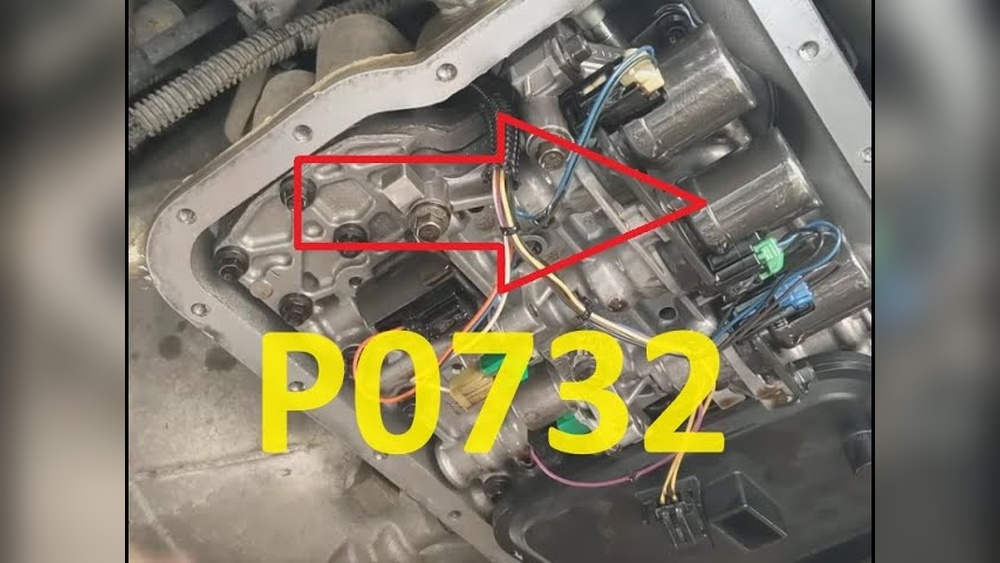
Transmission Valve Body Issues
The transmission valve body controls the flow of hydraulic fluid. It directs fluid to different parts to change gears smoothly.
Problems here can cause shifting troubles and error codes like Jeep P0732.
Faults in the valve body often lead to delayed or harsh shifts. The vehicle might skip gears or feel stuck.
Identifying the cause helps fix the transmission quickly.
Faulty Shift Solenoid B
Shift solenoids control fluid flow to change gears. A faulty shift solenoid B can cause incorrect gear shifts.
It may stick open or closed, disrupting pressure in the valve body.
Symptoms include rough or delayed gear changes and the P0732 code. Replacing or cleaning the solenoid often solves the problem.
Blocked Or Stuck Solenoids
Solenoids can get blocked by dirt or old transmission fluid debris. This blockage stops proper fluid flow in the valve body. Stuck solenoids prevent smooth gear engagement.
The transmission may slip or fail to shift properly. Cleaning or replacing the solenoids restores normal function. Regular fluid changes reduce this risk.
Diagnostic Steps
Diagnosing the Jeep P0732 trouble code requires a clear and step-by-step approach. This code signals an issue with the second gear ratio, often related to transmission performance.
Proper diagnostics help identify the root cause quickly. The following steps guide you through the process.
Inspect Speed Sensors
Start by checking the input and output speed sensors. These sensors send vital data to the transmission control module.
Look for signs of damage or loose connections. Test sensor readings with a scan tool to ensure accuracy.
Faulty sensors can cause false gear ratio errors.
Check Transmission Fluid Levels
Low or dirty transmission fluid often causes shifting problems. Check the fluid level using the dipstick while the engine is warm.
The fluid should be clean and at the correct level. Dark or burnt-smelling fluid means it needs changing.
Proper fluid supports hydraulic pressure and smooth gear shifts.
Scan For Transmission Codes
Use an OBD-II scanner to retrieve all transmission-related codes. Multiple codes may appear, giving clues to the problem. Pay attention to solenoid or valve body codes. These can indicate internal issues affecting gear engagement. Clearing and rescanning codes after repairs confirms the fix.
Quick Fixes
Quick fixes often resolve Jeep P0732 transmission code issues fast. These fixes target common causes that lead to gear ratio errors.
Acting quickly can prevent costly repairs and get your Jeep shifting smoothly again.
Replace Or Repair Sensors
Faulty speed sensors often trigger the P0732 code. These sensors send gear speed data to the transmission control module.
Replace damaged sensors or repair wiring issues. This step restores accurate gear ratio readings and helps the transmission operate properly.
Flush And Refill Transmission Fluid
Old or dirty transmission fluid causes shifting problems. Flushing removes debris and contaminants from the system.
Refill with fresh, manufacturer-recommended fluid. Clean fluid improves hydraulic pressure and prevents solenoid blockages, reducing gear slippage and error codes.
Clean Or Replace Valve Body Components
The valve body controls fluid flow inside the transmission. Dirt or worn parts can block fluid paths and cause shifting faults.
Cleaning the valve body or replacing faulty solenoids restores proper gear engagement. This fix often clears the P0732 error and improves transmission response.
When To Seek Professional Help
Knowing when to seek professional help for Jeep P0732 issues saves time and money. Transmission problems can worsen quickly without proper care.
Recognizing the right moment to consult an expert keeps your vehicle safe and reliable. Some symptoms need immediate attention beyond basic troubleshooting.
Persistent Transmission Issues
When transmission problems keep coming back, it is time for a mechanic. Repeated harsh shifts or slipping gears suggest deeper issues.
DIY fixes may not last or fully solve the problem. Professionals can diagnose hidden faults causing persistent trouble.
Complex Mechanical Repairs
Transmission components are delicate and complex. Fixing clutch packs, bands, or valve bodies needs skill and special tools.
Attempting these repairs alone can cause more damage. A trained technician knows how to handle these tasks safely and correctly.
Software And Programming Updates
Modern Jeep transmissions rely on software for gear shifting. Sometimes, the control module needs updates or reprogramming.
Only professionals have the right equipment to perform these tasks. Proper programming ensures smooth and accurate transmission operation.

Conclusion
Jeep P0732 code signals a second gear issue. It often causes rough or delayed shifting.
Common causes include low fluid, faulty sensors, or worn parts. Early checks on sensors and fluid levels help avoid big repairs.
Fixing problems quickly keeps your Jeep running smoothly.
Stay alert to symptoms and address them soon. This saves time and money on transmission damage.