If you’re driving your Jeep and suddenly see the dreaded P0700 code pop up on your dashboard, it can feel like a big red flag waving at you. This code means your Transmission Control Module (TCM) has spotted a problem and wants your immediate attention.
But what does that really mean for your Jeep’s performance? And more importantly, how can you fix it before it turns into a costly headache?
You’ll discover exactly what causes the Jeep P0700 code, the common symptoms you shouldn’t ignore, and simple steps you can take to diagnose and solve the issue.
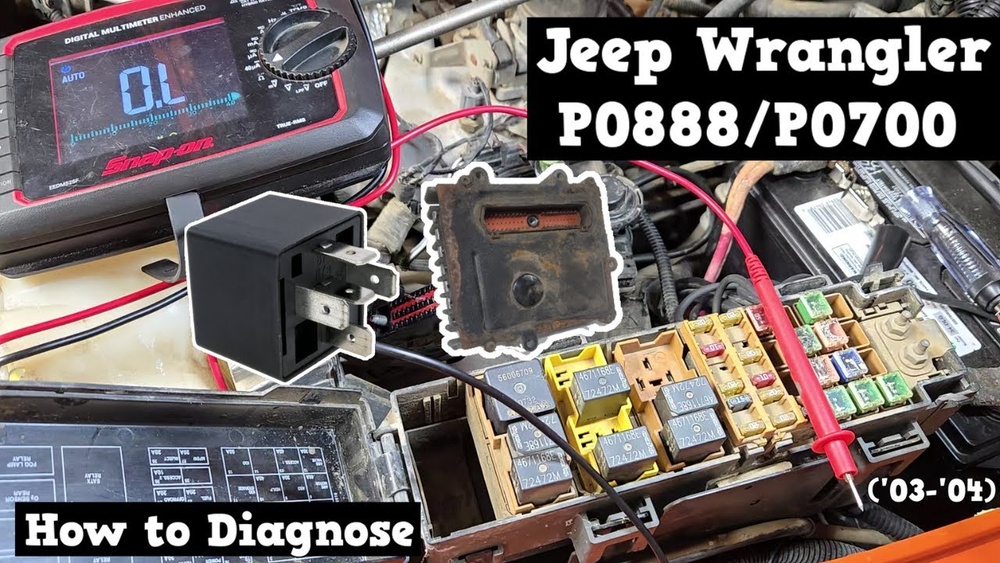
Keep reading to get your Jeep shifting smoothly again and avoid getting stuck in “limp mode. ” Your ride deserves better, and so do you.

P0700 Code Basics
The P0700 code is a common trouble code for Jeep owners. It signals an issue within the transmission system.
This code does not directly tell what is wrong but points to a problem detected by the Transmission Control Module (TCM).
Understanding the basics of the P0700 code helps to diagnose and fix transmission problems early. It also aids in preventing further damage to your Jeep’s transmission.
What P0700 Means
The P0700 code means the transmission control system has found a fault. The vehicle’s engine control module (ECM) receives this code from the TCM.
This code often lights up the Check Engine Light on the dashboard. It indicates the TCM has detected a problem but does not specify the exact issue.
Usually, this code appears with other transmission-related trouble codes. These additional codes provide more details about the specific transmission problem.
Why It Triggers
The P0700 code triggers when the TCM senses a fault in the transmission system. Common triggers include low transmission fluid levels or dirty fluid.
Bad wiring or loose connections in the transmission system can also cause this code.
Faulty sensors or solenoids inside the transmission may lead to this error. Problems with the torque converter or slipping gears can trigger the P0700 code as well.
Sometimes, recent battery discharges can cause temporary transmission errors. The TCM then sends the P0700 code to warn the driver of possible issues.
Jeep Transmission Issues
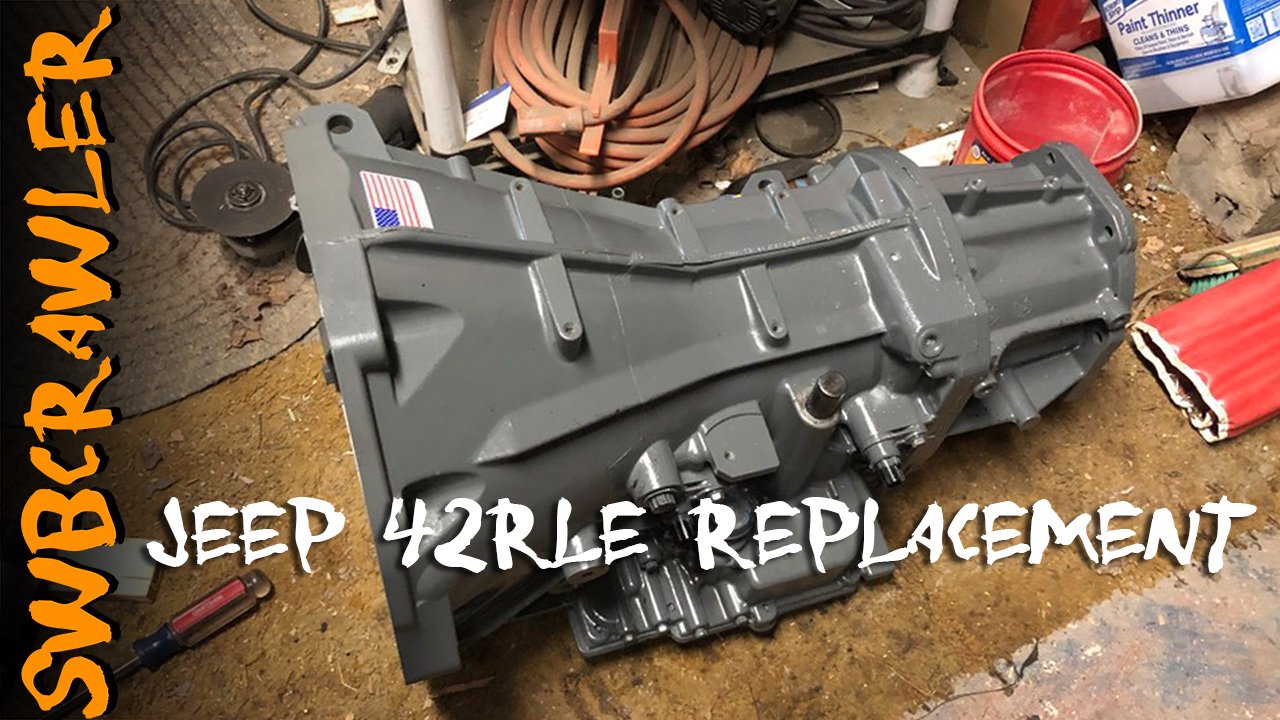
Jeep transmission issues can disrupt your driving experience and cause concern. These problems often relate to the transmission control system.
The transmission controls how power moves from the engine to the wheels.
When the transmission malfunctions, your Jeep may not shift gears smoothly. Identifying issues early can prevent costly repairs.
Understanding common causes and symptoms helps you act fast.
Common Causes
Low or dirty transmission fluid stops proper gear shifting. It reduces pressure needed for smooth operation.
A faulty Transmission Control Module (TCM) can cause errors. The TCM controls shifting and monitors sensors.
Bad sensors or solenoids disrupt signals inside the transmission. This can cause erratic shifting or failure to change gears.
Worn or damaged wiring and connectors may cut off communication. Corrosion or loose wires often cause signal loss.
Symptoms To Watch
The Check Engine or Transmission warning lights often turn on first. This alerts you to a transmission-related problem.
Shifts may feel harsh, delayed, or unpredictable. You might notice jerking or slipping while driving.
Your Jeep might stall or hesitate during acceleration. This can signal transmission trouble.
Unusual noises like clunking or whining while shifting also indicate issues. These sounds should not be ignored.
Transmission Control Module Problems
The Transmission Control Module (TCM) in a Jeep plays a key role in managing the transmission system. It controls gear shifts based on data from various sensors.
Problems with the TCM can cause the P0700 error code to appear. This code points to issues within the transmission control system.
Understanding the common TCM problems helps in diagnosing and fixing transmission faults quickly.
Tcm Failures
TCM failures often occur due to internal faults or damage. The module may develop cracked solder joints or suffer from water damage.
Such failures disrupt communication with the transmission system. A faulty TCM can cause erratic shifting or prevent the transmission from shifting at all.
Repairing or replacing the TCM may be necessary to restore proper function.
Sensor And Solenoid Faults
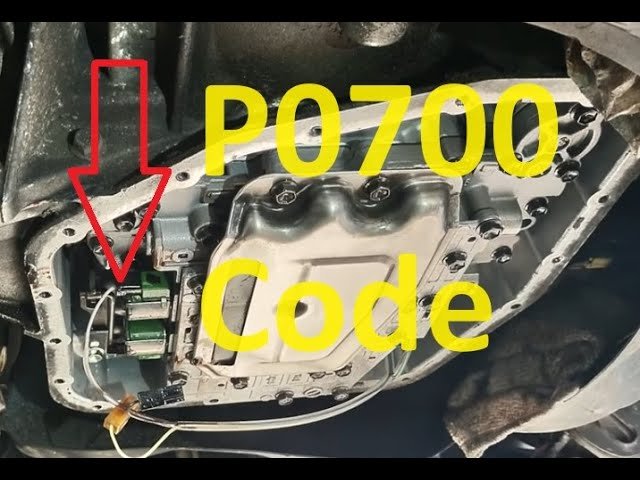
Sensors and solenoids send important signals to the TCM. Faulty output shaft speed sensors or transmission range sensors can confuse the TCM.
Solenoids control the flow of transmission fluid, and their failure can cause shifting problems. These faults often trigger the P0700 code.
Checking and replacing faulty sensors or solenoids helps fix transmission issues quickly.
Fluid And Wiring Troubles
Fluid and wiring issues often cause Jeep P0700 transmission trouble codes. These problems affect the transmission control module (TCM) operation.
Proper fluid levels and good wiring condition ensure smooth transmission performance.
Checking the transmission fluid and inspecting wiring are critical steps. Both help diagnose and fix the error quickly.
Simple checks can prevent costly repairs and keep your Jeep running well.
Checking Transmission Fluid
Start with the transmission fluid level and condition. Warm up the engine and keep it idling.
Use the dipstick to check the fluid level if your Jeep has one.
The fluid should be pink or red and clear. Low fluid levels cause shifting problems and trigger the P0700 code.
Dark, burnt, or metal-contaminated fluid needs replacement immediately.
Regular fluid and filter changes keep the transmission healthy. Avoid driving with low or dirty fluid to prevent damage.
Inspecting Wiring And Connectors
Next, examine the wiring harness and connectors near the transmission. Look under your Jeep for loose, damaged, or corroded wires. These can interrupt signals to the TCM.
Unplug and clean the connectors carefully. Dirt and corrosion may cause poor connections.
Repair or replace any frayed or broken wires.
Good wiring ensures the TCM receives accurate data. This helps prevent false error codes and transmission faults.
Diagnostic Steps
Diagnosing the Jeep P0700 code requires a clear, step-by-step approach. This code signals a transmission control system issue.
The transmission control module (TCM) has detected a problem and triggered the warning light. Understanding how to find the root cause helps prevent further damage.
Start with tools and tests that give accurate information. Each step narrows down the possible faults.
This process saves time and money on repairs. Here are the key diagnostic steps to follow.
Using Obd-ii Scanners
Begin by connecting an OBD-II scanner to your Jeep. This tool reads trouble codes stored in the vehicle’s computer. The P0700 code shows a transmission issue but does not give details. The scanner helps retrieve additional codes from the TCM. These extra codes pinpoint the exact problem.
Scan the transmission system codes next. Note all codes before clearing them.
After clearing, test drive the Jeep briefly. Rescan to see if codes return.
This confirms if the issue persists or was a false alert. OBD-II scanners are essential for accurate diagnostics.
Testing Sensors And Solenoids
Faulty sensors or solenoids often cause the P0700 code. Check the transmission range sensor first.
This sensor tells the TCM the gear position. Use a multimeter to test sensor voltage and resistance. Compare readings to manufacturer specs.
Next, test shift solenoids. These control fluid flow inside the transmission.
Use a scan tool to activate solenoids manually. Listen for clicking sounds indicating proper function.
Measure resistance with a multimeter to find electrical faults. Replace any defective sensors or solenoids promptly.
Fixing Transmission Codes
Fixing transmission codes like Jeep P0700 requires careful attention. This code signals a problem with the transmission control system.
Ignoring it can cause more damage and costly repairs. Taking the right steps can help restore your Jeep’s performance and extend its life.
Start by understanding the possible causes. Low fluid, wiring issues, or a faulty control module may trigger this code.
Each fix targets a different source of the problem. Below are key methods to address transmission codes effectively.
Fluid Changes And Flushes
Transmission fluid plays a vital role in smooth shifting. Old or dirty fluid can cause errors in the transmission system.
Change the fluid regularly based on your Jeep’s manual. A flush removes old fluid and contaminants.
Fresh fluid helps the transmission work properly and may clear the P0700 code.
Repairing Or Replacing Wiring
Wiring problems often cause transmission trouble codes. Check for damaged, loose, or corroded wires near the transmission and TCM.
Repair broken wires and clean connectors to restore good signals. Faulty wiring disrupts communication between parts and triggers error codes.
Fixing wiring can stop the warning light and improve shifting.
Resetting The Tcm
The Transmission Control Module controls gear shifts. Sometimes, it needs a reset to clear errors.
Disconnect the battery for a few minutes to reset the TCM. This can erase stored codes and allow the system to recalibrate.
After resetting, test drive your Jeep to see if the P0700 code returns. If it does, further diagnosis is necessary.
Preventing Future Issues
Preventing future issues with your Jeep’s P0700 code requires consistent care. Simple actions can keep the transmission system healthy.
Regular attention avoids costly repairs and extends vehicle life.
Regular Maintenance Tips
Check the transmission fluid level often. Use the correct fluid type for your Jeep.
Change the fluid and filter as recommended in the owner’s manual. Clean and inspect connectors and wiring near the transmission.
Replace worn or damaged parts quickly to stop further damage.
Battery And Electrical Care
Keep the battery terminals clean and tight. Test the battery voltage regularly.
Replace weak or old batteries to prevent electrical faults. Inspect wiring for cracks or corrosion.
Secure loose wires to avoid signal loss to the transmission control module.
When To Seek Professional Help
The Jeep P0700 code signals transmission issues that may need expert care. Some fixes require special tools and skills.
Acting quickly prevents bigger problems and higher costs.
Know when to call a professional. They can diagnose hidden problems and provide safe repairs.
Avoid guessing or delaying repairs for better Jeep performance.
Complex Repairs
Transmission problems often involve parts inside the gearbox. Fixing these requires opening the transmission.
This work needs expertise and proper equipment. Complex repairs include replacing solenoids, sensors, or clutch packs.
A professional mechanic ensures the repair is done right. DIY attempts can cause more damage and safety risks.
Transmission Replacement Options
Sometimes, the transmission is too damaged to fix. Then, replacement is the best choice.
Options include new, rebuilt, or used transmissions. Professionals help you select the best fit for your Jeep.
They also handle installation and testing. This process needs precision to avoid future issues.
Trusting experts saves time and money in the long run.
Frequently Asked Questions
How Do I Fix Code P0700?
Fix code P0700 by checking transmission fluid level and condition. Inspect wiring and connectors for damage.
Reset the transmission control module if needed. Replace faulty sensors or solenoids. Consult a mechanic if the problem persists.
How Serious Is A P0700 Error Code?
A P0700 error code signals a transmission control system issue. It can cause shifting problems and may lead to limp mode.
Prompt diagnosis and repair prevent further transmission damage and costly repairs.
How To Reset Tcm On Jeep Wrangler?
To reset the TCM on a Jeep Wrangler, disconnect the battery for 15 minutes. Reconnect it and start the engine to reset the module.
What Tools Are Needed To Diagnose P0700?
Use an OBD-II scanner to read the P0700 code. A multimeter helps test wiring and sensors.
A scan tool checks the Transmission Control Module (TCM) for detailed diagnostics.
Conclusion
The Jeep P0700 code signals a transmission control problem. Check your transmission fluid level and quality first.
Inspect wiring and connectors for damage or corrosion. Faulty sensors or solenoids may also cause this issue.
Fixing these problems early prevents more costly repairs later.
Drive safely and keep an eye on warning lights. Regular maintenance helps avoid transmission troubles.
Understanding this code helps you make smart repair decisions. Stay informed and proactive to keep your Jeep running smoothly.