If you’ve spotted the Jeep P0520 code on your dashboard, you’re probably wondering what it means and how it affects your ride. This code points to an issue with your oil pressure sensor, a small but important part that keeps your engine running smoothly.
Ignoring it can lead to serious engine trouble, but don’t worry you’re in the right place to learn exactly what’s going on and how to fix it.
Keep reading to find out what causes the P0520 code, how to diagnose the problem, and the best ways to get your Jeep back on the road safely.
Your engine’s health depends on it.
Symptoms Of P0520 Code
The P0520 code signals a problem with your Jeep’s oil pressure sensor. Recognizing the symptoms early helps prevent engine damage.
These signs often affect dashboard indicators and engine behavior. Knowing what to watch for can save time and money on repairs.
Below are common symptoms of the P0520 code and how they show up in your Jeep.
Check Engine Light Behavior
The check engine light often turns on when the P0520 code appears. It may blink or stay solid.
This warning indicates the engine control module detects an issue with oil pressure signals. Ignoring this light can lead to more serious engine problems.
Oil Pressure Gauge Issues
The oil pressure gauge on your dashboard may act strangely. It could read zero, stay stuck at one number, or jump erratically.
These unusual readings mean the sensor or wiring might be faulty. Proper oil pressure is vital for engine health.
Engine Performance Effects
Engine power might drop if the P0520 code is active. The vehicle can feel sluggish or hesitate during acceleration.
In some cases, rough idling or stalling occurs. These symptoms happen because the engine’s oil pressure is not correctly monitored or maintained.

Common Causes Of P0520
The P0520 code in Jeep vehicles points to an issue with the oil pressure sensor or the oil pressure circuit. Knowing the common causes helps in quick and accurate diagnosis. This prevents engine damage and costly repairs.
The causes often fall into three main categories. Each one affects the sensor’s ability to provide correct data to the engine control unit.
Faulty Oil Pressure Sensor
The oil pressure sensor can wear out over time. It fails to send accurate oil pressure readings.
This triggers the P0520 code. Sensors exposed to heat and oil grime degrade faster. A faulty sensor often causes false warnings.
Wiring And Connector Problems
Wiring issues can interrupt the sensor’s signal. Loose, corroded, or damaged wires are common culprits.
Connectors may become unplugged or dirty. These problems break the electrical circuit.
The engine control unit then reads incorrect or no data.
Actual Low Oil Pressure
Sometimes, the oil pressure is genuinely low. This happens due to a failing oil pump or worn engine bearings.
Thick sludge can also block oil flow. Low oil pressure is dangerous and can cause engine damage. It requires immediate attention.
Locating The Oil Pressure Sensor
Finding the oil pressure sensor on your Jeep is the first step to diagnosing P0520 code issues. The sensor sends vital information about engine oil pressure to your vehicle’s computer.
Its location varies by Jeep model and engine type. Knowing exactly where the sensor sits helps save time and avoids damage.
This guide breaks down where to find the sensor, what tools you need, and how to remove nearby parts safely.
Sensor Position On Jeep Models
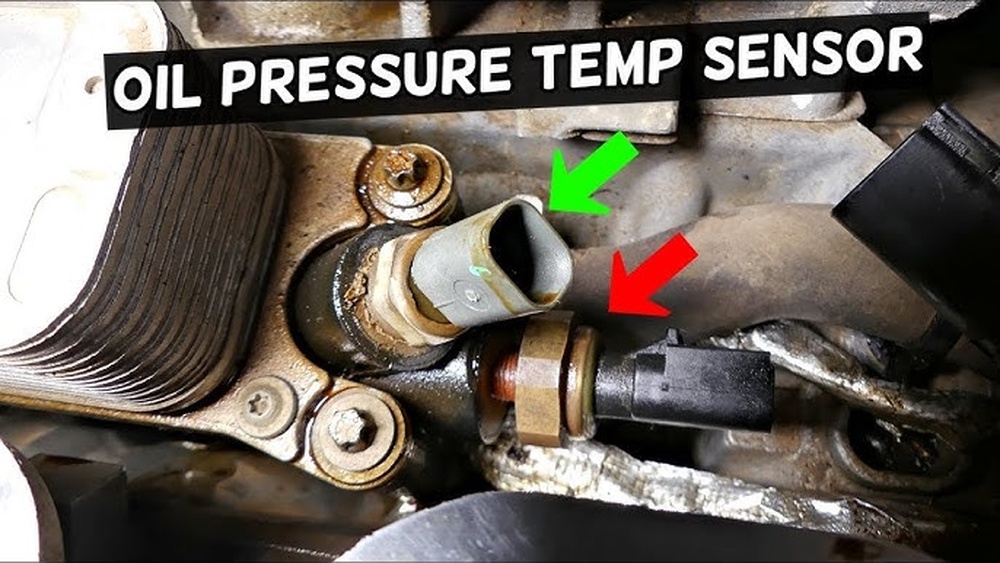
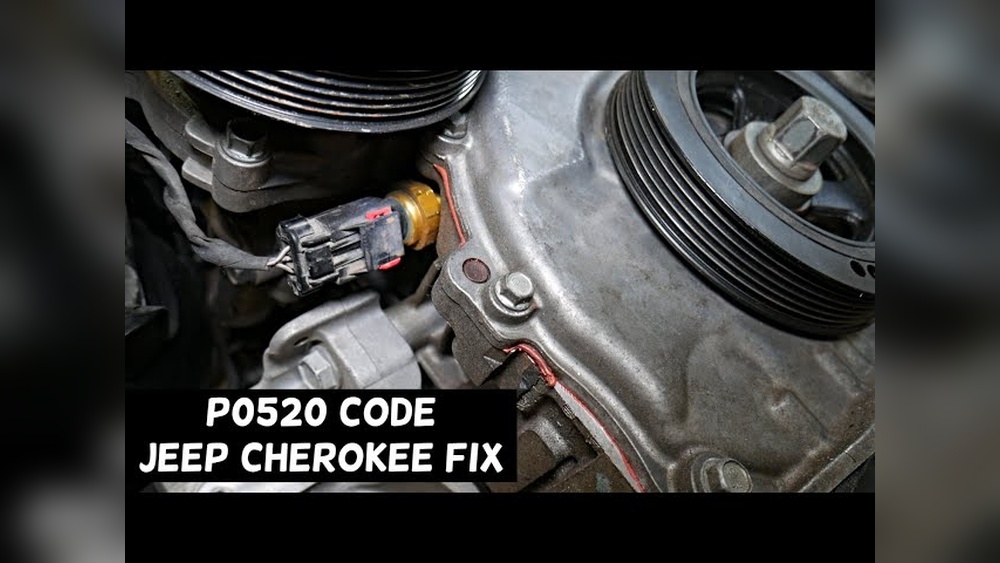
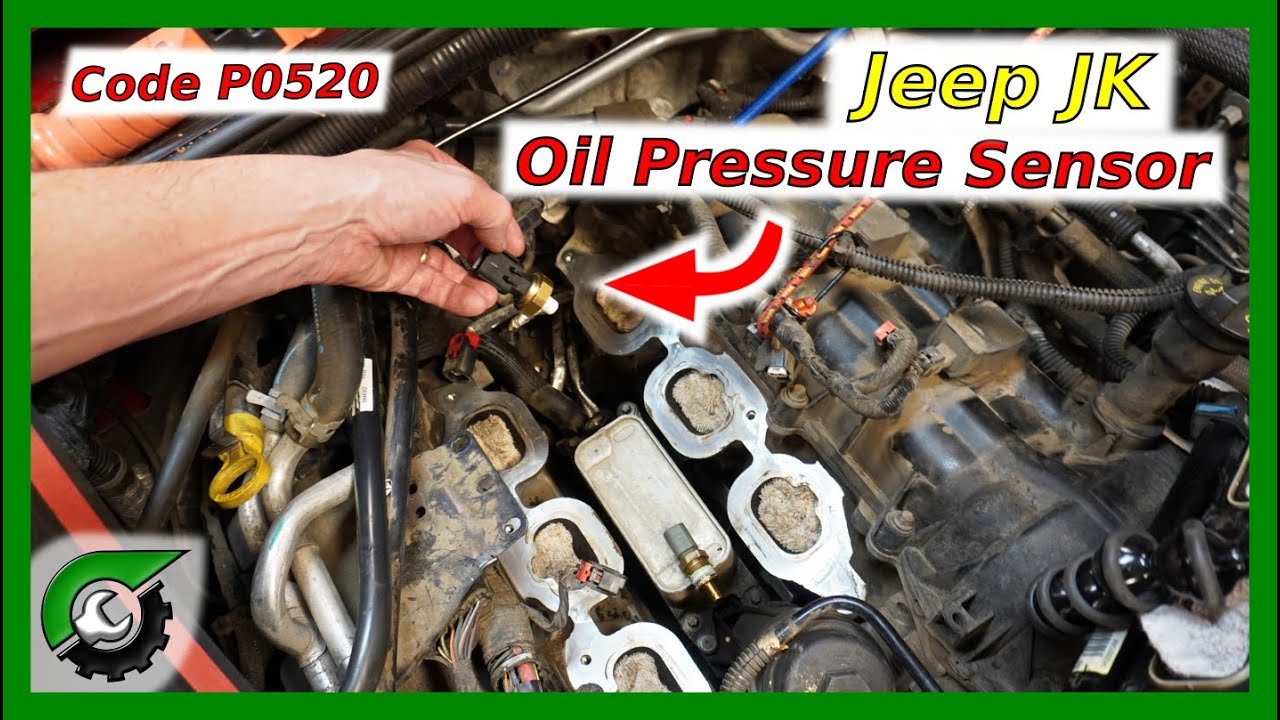
Most Jeep models place the oil pressure sensor near the engine block. On Jeep Wranglers, it often sits on the passenger side, close to the oil filter adapter.
Grand Cherokees may have it under the water pump. Some models locate it at the back of the lower intake manifold.
Always check your vehicle’s manual for exact placement. The sensor looks like a small, threaded cylinder with an electrical connector on top.
Tools Needed For Access
Accessing the oil pressure sensor requires basic automotive tools. A ratchet with various socket sizes is essential.
You will also need a wrench set and screwdrivers. A flashlight helps see in tight engine spaces.
Gloves protect your hands from grease and hot surfaces. Having a container for bolts and parts keeps everything organized. Prepare these tools before starting the job.
Removing Intake Components
On many Jeep engines, the sensor hides under intake parts. Removing the upper intake manifold often gives better access.
Start by disconnecting the battery to avoid electrical shorts. Carefully unplug sensors and fuel lines attached to the intake.
Use a socket to remove bolts holding the intake in place. Lift the intake gently to avoid breaking gaskets or hoses.
Set the parts aside on a clean surface for reassembly later.
Diagnosing The Issue
Diagnosing the Jeep P0520 code requires a careful approach. This code indicates a problem with the engine oil pressure sensor circuit.
Accurate diagnosis helps prevent engine damage and unnecessary repairs.
Start by verifying the basic conditions. Check the engine oil level and quality.
Inspect the wiring and connectors for any damage. Test the sensor itself.
Use a mechanical oil pressure gauge for confirmation.
Checking Engine Oil Level And Quality
Check the engine oil using the dipstick. The oil level must be within the recommended range.
Too low or too high oil can cause false readings. Look at the oil color and texture.
Dirty or thick oil affects pressure readings. Change the oil if it looks contaminated or old.
Use the oil type specified for your Jeep model.
Inspecting Wiring And Connectors
Locate the wiring harness connected to the oil pressure sensor. Look for broken, frayed, or corroded wires.
Make sure the connector fits snugly. Loose connections cause signal interruptions.
Clean any dirt or corrosion on terminals. Repair or replace damaged wiring as needed.
Secure the harness away from hot or moving parts.
Testing The Sensor Functionality
Remove the oil pressure sensor carefully. Use a multimeter to check resistance and continuity.
Follow the Jeep service manual for exact values. A faulty sensor will show readings outside the normal range.
Replace the sensor if it fails these tests. Reinstall the new sensor properly to avoid leaks.
Using Mechanical Oil Pressure Gauge
Attach a mechanical oil pressure gauge to the engine. This tool gives a direct pressure reading.
Start the engine and watch the gauge. Compare the reading with Jeep’s specifications.
Low pressure confirms a real engine problem. Normal pressure suggests an electrical or sensor issue. Use this method to verify sensor accuracy.
Step-by-step Fix Guide
The Jeep P0520 code signals an issue with oil pressure readings. Fixing it needs a clear plan.
Follow this step-by-step guide to solve the problem efficiently. Each step targets a common cause of the code.
Replacing The Oil Pressure Sensor
Start by locating the oil pressure sensor on your Jeep. It usually sits near the engine block or oil filter. Disconnect the negative battery terminal to avoid shocks. Remove any components blocking access. Unscrew the old sensor carefully. Install the new sensor by screwing it in tightly but avoid over-tightening. Reconnect the wiring harness and battery terminal. Clear the error codes using an OBD-II scanner. Test the system by starting the engine and checking for the code.
Repairing Wiring And Connectors
Inspect the wiring connected to the oil pressure sensor. Look for frayed wires, corrosion, or loose connections.
Use a multimeter to check for continuity. Clean dirty connectors with electrical contact cleaner.
Repair any damaged wires by cutting and soldering new wire pieces. Secure wires with electrical tape or heat shrink tubing.
Reattach connectors firmly to ensure a solid connection. Clear error codes and restart the engine to confirm the fix.
Addressing Low Oil Pressure Causes
Low oil pressure can trigger the P0520 code. Check the oil level using the dipstick and add oil if low.
Change the oil if it looks dirty or old. Inspect the oil pump for wear or damage.
Replace the oil pump if it fails to maintain pressure. Look for clogged oil passages or filters and clean or replace them.
Worn engine bearings can also cause low pressure and need professional inspection. After repairs, reset codes and test drive the Jeep to verify the fix.
Cost Breakdown
Understanding the cost breakdown for fixing the Jeep P0520 code helps you plan your repair budget. This code usually means there is an issue with the oil pressure sensor or its circuit.
Repair costs vary depending on parts, labor, and repair methods.
Knowing the price details can save time and avoid surprises at the repair shop. Below is a clear look at the main cost components.
Sensor Replacement Prices
The oil pressure sensor price ranges from $20 to $100. The cost depends on the Jeep model and sensor brand.
OEM sensors cost more but fit better and last longer. Aftermarket sensors are cheaper but may have shorter lifespans.
Buying from a dealer ensures quality but costs more. Online retailers often offer better prices but check reviews to avoid low-quality parts.
Labor And Additional Parts
Labor costs depend on the mechanic’s hourly rate and job difficulty. Expect to pay $50 to $150 for labor.
The sensor may be hard to reach, adding time to the job.
Sometimes, additional parts like wiring or connectors need replacement. This adds $10 to $50 to the total cost.
Diagnostic fees may also apply if the cause is unclear.
Diy Vs Professional Repair
DIY repair saves labor costs but needs basic tools and skills. The sensor location can be tricky, requiring removal of engine parts.
Mistakes can lead to bigger issues or engine damage.
Professional repair is safer and faster. Mechanics have the right tools and experience.
They can test the sensor and oil pressure accurately. Choose DIY only if confident and prepared.
Preventing Future Issues
Preventing future issues with the Jeep P0520 code saves time and money. Regular care keeps the oil pressure sensor working well.
Small steps help avoid sensor failures and engine problems. Follow these tips to protect your vehicle.
Regular Oil Maintenance
Check your oil level often using the dipstick. Change oil according to the Jeep’s schedule.
Use the right oil type for your engine. Clean oil prevents sensor damage and engine wear.
Dirty or low oil can trigger the P0520 code.
Inspecting Wiring Periodically
Look at the sensor wiring for damage or corrosion. Make sure connectors fit tightly and wires are not loose.
Replace frayed or broken wires quickly. Good wiring ensures proper sensor signals. Faulty wiring often causes false sensor readings.
Using Quality Replacement Parts
Choose OEM or trusted brand sensors for replacements. Cheap parts may fail and cause errors.
Quality parts last longer and fit correctly. Using the right sensor protects your engine’s health.
Always check compatibility with your Jeep model before buying.
How Do I Fix Code P0520?
To fix code P0520, check engine oil level and condition first. Inspect sensor wiring and connections for damage.
Replace the faulty oil pressure sensor if needed. If the code persists, test actual oil pressure with a mechanical gauge to rule out engine issues.
What Causes A P0520 Code On A Jeep?
A P0520 code on a Jeep indicates a malfunction in the engine oil pressure sensor or its circuit. Common causes include a faulty sensor, damaged wiring, or actual low oil pressure due to engine issues like a failing oil pump or worn bearings.
How Much Does It Cost To Replace The Oil Pressure Sensor On A Jeep Jk?
Replacing the oil pressure sensor on a Jeep JK costs between $60 and $150. This includes parts and labor. Prices vary by location and service provider.
Can A Bad Oil Filter Cause A P0520 Code?
A bad oil filter can cause low oil pressure, potentially triggering a P0520 code. Replace the filter to restore proper flow.
Conclusion
The Jeep P0520 code points to an oil pressure sensor issue. Checking oil levels and wiring helps spot common problems fast.
Replacing a faulty sensor often clears the code and restores normal function. Persistent issues may need a professional pressure test.
Staying on top of this keeps your engine safe and running smoothly. Regular checks prevent costly repairs down the road.
Simple care goes a long way in Jeep maintenance.