If you drive a Jeep and have noticed your engine acting up, the P0505 code might be the culprit behind those frustrating idle problems.
This code signals an issue with your vehicle’s idle control system, which is crucial for keeping your engine running smoothly when your Jeep is at rest.
Ignoring it can lead to rough idling, stalling, or even more serious engine trouble. You’ll discover exactly what the Jeep P0505 code means, common causes, and simple fixes you can try yourself.
Understanding this will save you time and money, and keep your Jeep running like it’s meant to.
Keep reading to get your idle back under control and enjoy a smoother ride.
P0505 Code Basics
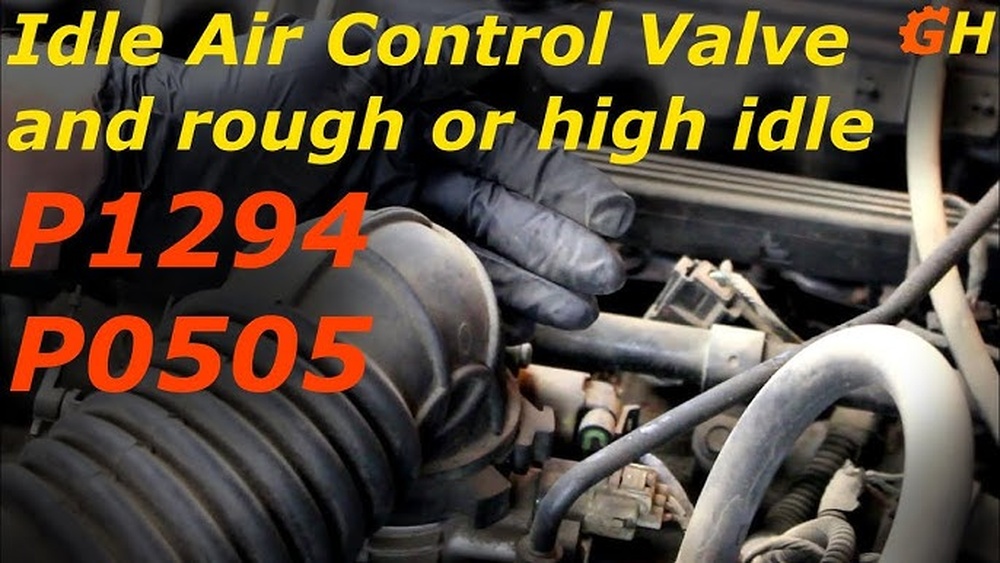
The P0505 code signals an issue with the idle control system in your Jeep. It means the Idle Air Control (IAC) valve is not working right.
This valve helps manage engine idle speed by controlling airflow.
When the IAC valve fails, the engine may idle too high, too low, or stall. The vehicle’s computer detects this and sets the P0505 trouble code.
This code helps mechanics find the cause of idle problems quickly.
What Triggers P0505
Carbon buildup can clog the IAC valve or throttle body. This stops the valve from moving freely.
Vacuum leaks in hoses cause unmetered air to enter the engine. This confuses the idle control system.
Wiring problems like frayed or corroded wires can break the signal to the IAC valve. Faulty IAC valves that are worn out or damaged also trigger this code.
Symptoms To Watch For
Watch for rough or uneven engine idle. The engine may stall shortly after starting.
You might notice the idle speed surging or fluctuating. The check engine light often comes on with this code.
Poor engine performance or hesitation can also happen. These symptoms mean the idle control system needs attention.

Idle Air Control Valve Issues
The idle air control (IAC) valve plays a key role in maintaining your Jeep's idle speed. Problems with this valve often trigger the P0505 code.
This code signals an issue in the idle control system, affecting engine performance and drivability.
Many idle air control valve problems stem from dirt and carbon buildup. These can block airflow or cause the valve to stick.
Understanding these issues helps you spot problems early and keep your Jeep running smoothly.
Carbon Buildup Effects
Carbon deposits form inside the IAC valve over time. This buildup limits the valve’s movement.
Restricted airflow causes rough idle or stalling. The engine may surge or hesitate when idling.
Excess carbon reduces fuel efficiency and increases emissions.
Valve Malfunction Signs
The Jeep may idle too high or too low. You might notice engine stalling after starting.
The check engine light can turn on with code P0505. Engine hesitation or uneven idle speed also signals valve issues.
These symptoms point to a stuck or faulty IAC valve.
Cleaning The IAC Valve
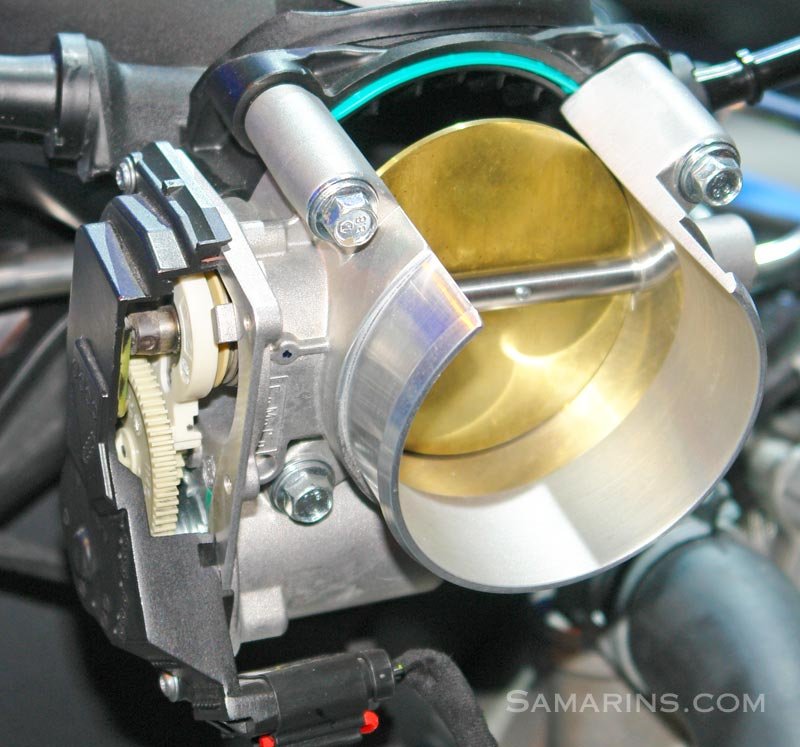
Remove the IAC valve carefully from the throttle body. Use a throttle body cleaner to remove carbon deposits.
Spray cleaner into the valve and let it soak briefly. Use a soft brush to scrub stubborn buildup gently.
Allow the valve to dry completely before reinstalling.
Regular cleaning prevents valve sticking and maintains smooth idle speed. If cleaning does not fix the problem, replacing the valve might be necessary.
Vacuum Leaks And Air Intake
Vacuum leaks and air intake issues are common causes of Jeep P0505 trouble codes. These leaks allow extra air to enter the engine, disrupting the air-fuel mixture.
This disruption affects engine idle and performance. Understanding where leaks occur and how they impact the engine helps with quick diagnosis and repair.
Common Leak Locations
Vacuum leaks often happen at hose connections and intake gaskets. Cracks in vacuum lines, throttle body gaskets, and intake manifold seals are usual spots.
Loose or damaged hoses near the brake booster can also cause leaks. These areas let unmetered air enter the engine, causing idle problems.
Impact On Idle Performance
Vacuum leaks cause rough and unstable idle speeds. The engine may idle too high or stall unexpectedly.
Air leaks confuse the engine control module, leading to incorrect fuel delivery. This results in poor engine response and increased emissions.
Idle problems often trigger the P0505 code in Jeeps.
Detecting Vacuum Leaks
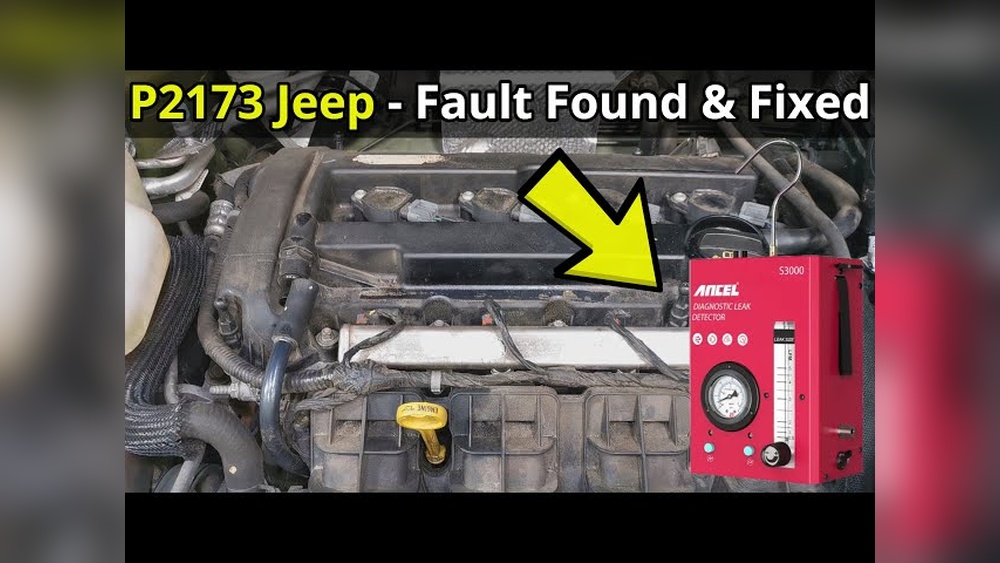
Listening for hissing sounds near the intake system can reveal leaks. Using a smoke machine helps find hidden cracks and holes.
Spraying carb cleaner on suspected areas may change engine speed if a leak exists. Careful inspection of all vacuum lines and connections is essential for accurate detection.
Wiring And Electrical Problems
Wiring and electrical problems often cause the Jeep P0505 code. This code relates to the Idle Air Control (IAC) system.
Faulty wiring can disrupt the signal to the IAC valve.
This disruption affects the engine's idle speed and performance. Detecting wiring issues is key to fixing the problem fast.
Understanding the wiring system helps you avoid guesswork.
Inspecting Wiring Harness
Begin by examining the wiring harness connected to the IAC valve. Look closely for any visible damage or wear.
Pay attention to spots where the harness bends or rubs against other parts.
These areas are prone to damage. Check for loose connectors or corrosion.
A secure and clean connection ensures proper signal flow. Use a flashlight for better visibility in tight spaces.
Common Wiring Damage
Wiring damage often shows as frayed wires or melted insulation. Heat from the engine can cause wires to degrade.
Rodents may also chew on wires, creating shorts.
Corrosion from moisture can weaken connectors. Signs of damage include discoloration or burnt smells.
Damaged wiring can cause erratic idle or engine stalling.
Replace or repair damaged wires to restore proper function.
Testing Electrical Connections
Use a multimeter to test the electrical connections for continuity. This tool helps identify breaks or shorts in the wiring. Measure resistance between the connectors and ground.
A high resistance reading means poor connection. Check voltage supply to the IAC valve during engine running. Stable voltage confirms good wiring condition.
Repair or replace faulty connections for a stable idle system.
Throttle Body Maintenance
Resetting the idle system is a key step to fix Jeep P0505 error codes. This process helps restore smooth engine idle speed.
It clears faults in the Idle Air Control (IAC) valve or related sensors. Resetting can improve engine performance and reduce stalling issues.
The process is simple and requires basic tools or a diagnostic scanner.
Steps To Reset Idle Control
Start by turning off the engine. Disconnect the negative battery cable.
Wait for about 15 minutes to allow the system to reset. Reconnect the battery cable and start the engine.
Let it idle for 5 to 10 minutes. This lets the computer relearn the idle settings.
During this time, avoid pressing the gas pedal. The engine should reach a stable idle speed.
If it doesn’t, the IAC valve may need cleaning or replacement.
Using Diagnostic Tools
A diagnostic scanner can speed up the reset process. Plug the scanner into the vehicle’s OBD-II port.
Turn the ignition to the “on” position without starting the engine. Use the scanner to clear any stored trouble codes.
Some scanners allow you to reset the idle control system directly.
After clearing codes, start the engine and observe the idle speed. If problems persist, the scanner can help identify other faults.
This tool is valuable for quick and accurate troubleshooting.
How To Fix A P0505 Code?
Clean or replace the Idle Air Control (IAC) valve if clogged. Check for vacuum leaks and repair damaged hoses.
Inspect wiring for damage or corrosion. Clear the code after repairs to reset the system.
Can A Bad PCV Valve Cause P0505?
A bad PCV valve can cause vacuum leaks, potentially triggering code P0505. Check and replace the valve if faulty.
What Are The Symptoms Of A P0505 Code?
Symptoms of a P0505 code include rough or fluctuating idle, stalling, and engine hesitation. The check engine light usually turns on.
Can I Drive With A P0505 Code?
Driving with a P0505 code is possible but not recommended. It indicates an idle control system issue that may cause stalling or rough idling.
Have a mechanic check and fix the problem promptly to avoid engine performance issues and ensure safe driving.
Conclusion
The Jeep P0505 code points to idle control issues needing attention. Clean the idle air control valve to remove carbon buildup.
Check for vacuum leaks and wiring problems that affect performance. Replacing faulty parts can restore smooth idling and prevent engine stalling.
Regular maintenance helps avoid this error and keeps your Jeep running well. Understanding these simple steps can save time and money.
Stay alert to symptoms and fix problems early for better driving.