If your Jeep’s check engine light just came on and you noticed the P0442 code, you’re probably wondering what it means and how serious it is. This code points to a small leak in your vehicle’s EVAP system, which controls fuel vapor emissions.
While it might not cause your Jeep to stall or lose power, ignoring it could lead to failed emissions tests and bigger problems down the road. You want to fix it quickly but might not know where to start.
You’ll learn the common causes behind the Jeep P0442 code, simple steps you can take to troubleshoot, and when to call a mechanic.
Keep reading to save time, avoid costly repairs, and get your Jeep running clean again.
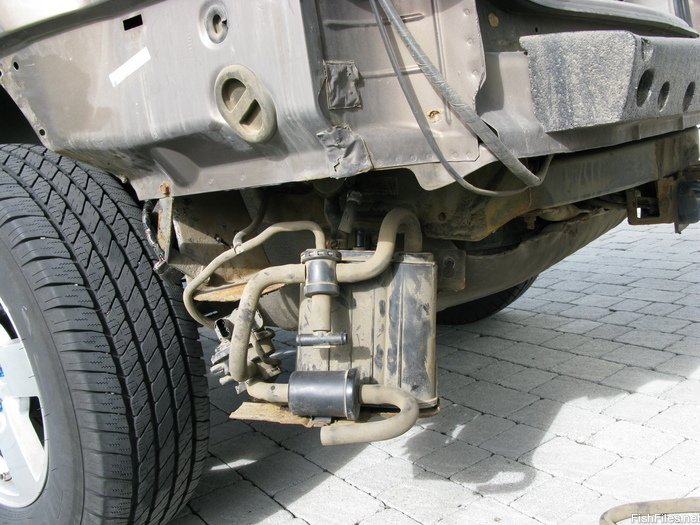
Evap Leak Code P0442 Basics
The EVAP system stops fuel vapors from escaping into the air. It captures vapors from the gas tank and sends them to the engine to burn.
Code P0442 shows a small leak in this system. This code often lights up the Check Engine Light on your Jeep.
The leak is usually small and may not affect how your Jeep runs. But it can cause your vehicle to fail an emissions test.
Detecting the leak helps keep the environment clean and your Jeep running well.
The Meaning Of P0442
Code P0442 means the onboard computer found a small leak. It detects pressure changes in the EVAP system.
The system is not holding pressure as it should. This triggers the error code and warning light.
How The Evap System Works
The EVAP system collects fuel vapors inside the gas tank. It stores them in a charcoal canister.
When the engine runs, the vapors are sent to be burned. This stops harmful gases from leaving the car.
Common Signs Of A P0442 Code
The Check Engine Light is the main sign of a P0442 code. Your Jeep might have a gas smell near the fuel tank.
You might notice the gas cap feels loose or damaged. Other than that, the Jeep often drives normally.
Common Causes Of P0442 Code
The P0442 code signals a small leak in the EVAP system of your Jeep. This system traps fuel vapors and prevents them from escaping into the air.
A small leak can trigger the Check Engine Light. Understanding the common causes helps to find and fix the problem quickly.
Loose Or Damaged Gas Cap
A loose or broken gas cap often causes the P0442 code. The cap seals the fuel tank and keeps vapors inside.
If it is not tight or if the seal is worn, vapors can leak out. Checking and tightening the gas cap is the simplest first step.
Cracked Evap Hoses
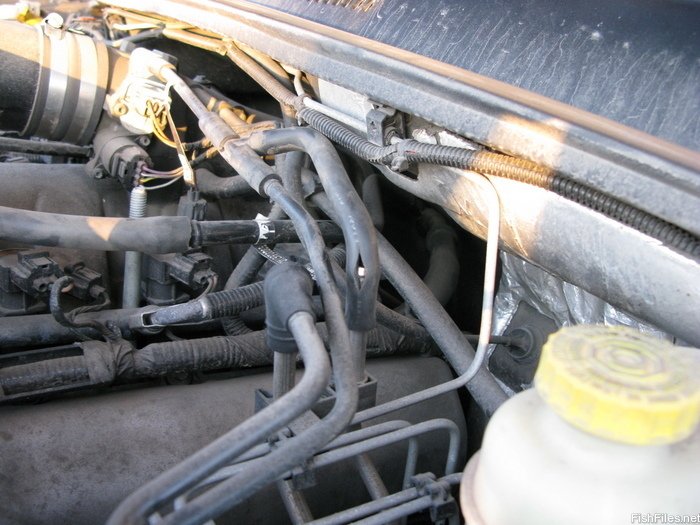
EVAP hoses carry fuel vapors to the charcoal canister. These hoses are made of rubber and can crack or dry out over time.
Cracks or loose connections allow vapors to escape. Inspect hoses near the fuel tank and canister for damage or wear.
Faulty Purge And Vent Valves
The purge and vent valves control vapor flow in the EVAP system. They open and close to send vapors to the engine or release pressure.
If these valves stick or fail, the system can leak. Valve problems often need a mechanic to test and replace them.
Charcoal Canister Damage
The charcoal canister traps fuel vapors before they reach the engine. It can crack or break from road debris or age.
Damage to the canister causes leaks and triggers the P0442 code. Inspecting the canister for cracks or holes is essential for repair.
Quick Checks To Fix The Code
The Jeep P0442 code signals a small leak in the EVAP system. This system stops fuel vapors from escaping into the air.
Fixing this code can be simple with some quick checks. These checks help find common problems fast.
Addressing them can clear the code and stop the Check Engine Light from staying on.
Tighten Or Replace Gas Cap
A loose or damaged gas cap is the main cause of code P0442. Check if the gas cap is tight.
If it feels loose, tighten it until it clicks. If the cap is old or cracked, replace it.
A good seal keeps fuel vapors inside the tank.
Inspect And Replace Evap Hoses
Look at the EVAP hoses for cracks or breaks. These hoses can dry out and crack over time.
Check especially near the charcoal canister and fuel tank. Replace any damaged or loose hoses.
This stops vapor leaks and keeps the system working.
Test And Swap Purge Valve
The purge valve controls vapor flow to the engine. A stuck valve can cause leaks and trigger the code.
Test the valve by listening for clicks when the engine runs. If it does not open or close properly, replace the purge valve. This ensures proper vapor control.
Examine Charcoal Canister For Cracks
The charcoal canister stores fuel vapors before they burn. Off-road driving or age can crack the canister.
Inspect it closely for damage. Replace the canister if cracks are found.
A good canister prevents vapor leaks and clears the P0442 code.
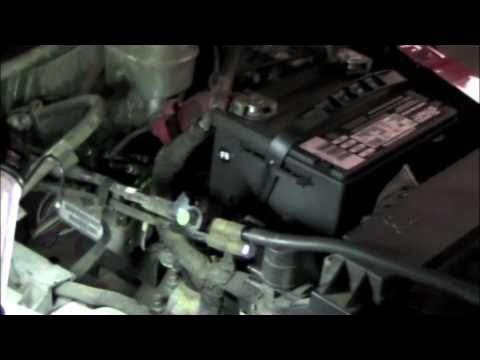
Diagnosing hidden leaks in your Jeep’s EVAP system can be tricky. These leaks cause the P0442 code and trigger the Check Engine Light.
They often hide in places you cannot easily see. Finding these leaks early helps avoid bigger problems and costly repairs.
Using A Smoke Machine
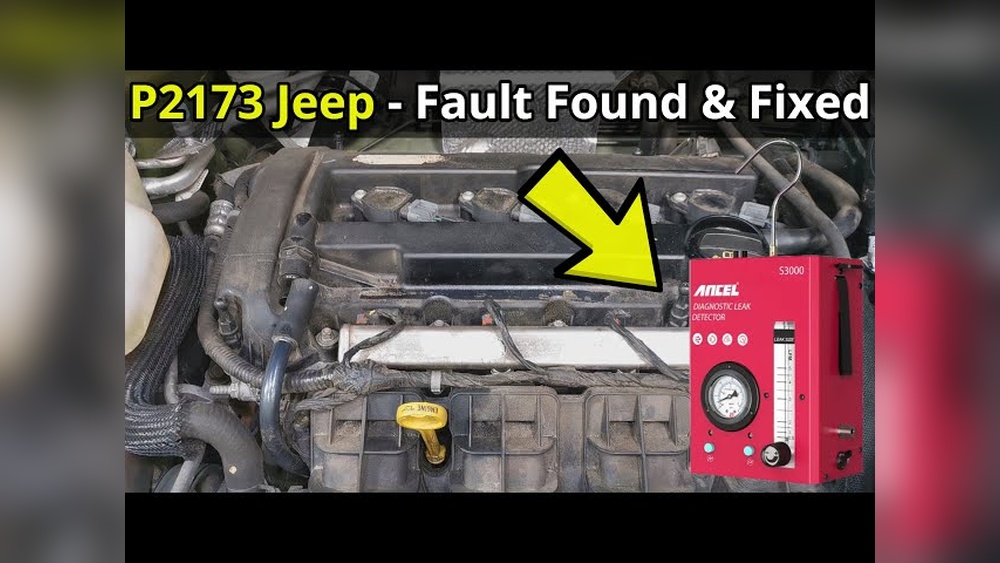
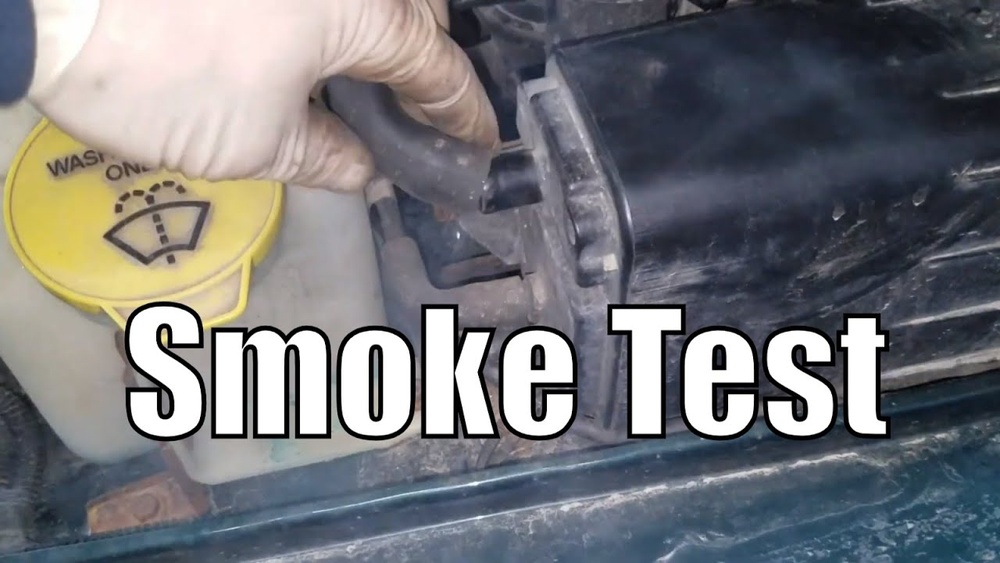
A smoke machine is a common tool to find hidden EVAP leaks. It pumps thick smoke into the system through a test port.
The smoke escapes through any cracks or holes, showing where the leak is. This method is fast and very effective at revealing even tiny leaks.
Tracing Vacuum Lines
Vacuum lines carry air and fuel vapors throughout the system. These lines can crack or slip loose over time.
Follow each line carefully to check for damage or disconnections. Use your hands to feel for soft spots or breaks that may cause leaks.
Spotting Hard-to-see Cracks
Some cracks hide under dirt or inside tight spaces. Clean the area around the EVAP components before inspection.
Use a bright flashlight to look closely at hoses and connectors. Small cracks often appear as hairline splits or worn spots.
When To Seek Professional Help
Knowing when to seek professional help for a Jeep P0442 code saves time and money. Some repairs need special skills and tools.
Trying to fix these yourself may cause more damage.
Some EVAP system issues look simple but hide complex problems. Professionals have the experience to handle these safely and correctly.
Here are key situations that require expert attention.
Complex Evap System Repairs
The EVAP system has many parts working together. A small leak might come from hidden or hard-to-reach places.
Professionals understand the system’s layout and can fix tricky issues. They prevent further damage and ensure your Jeep runs well.
Fuel Tank Or Canister Removal
Removing the fuel tank or charcoal canister is not easy. These parts connect to the EVAP system and hold fuel vapors.
A professional knows how to detach and reinstall them safely. This avoids spills, leaks, or injuries.
Advanced Diagnostic Tools
Some EVAP leaks are tiny and invisible to the naked eye. Professionals use smoke machines and scan tools to find these leaks.
These tools show exactly where the problem is. This leads to faster and more accurate repairs.
Cost And Impact Of Evap Leaks
EVAP leaks in Jeep vehicles can lead to significant costs and impacts. The EVAP system controls fuel vapors to reduce pollution.
Small leaks may seem minor but can cause serious problems. Understanding the cost and effects helps Jeep owners make smart decisions.
Emissions Test Failures
EVAP leaks often cause vehicles to fail emissions tests. The system detects fuel vapors escaping into the air.
Even small leaks can trigger a failure. This means the Jeep cannot pass state inspections.
Owners must fix leaks to meet environmental standards.
Fuel Economy Effects
Leaks in the EVAP system can lower fuel efficiency. Escaping vapors mean wasted fuel.
The engine may run less smoothly, using more gas. This results in more frequent trips to the pump.
Fixing leaks helps save money on fuel over time.
Repair Cost Estimates
Repair costs for EVAP leaks vary widely. A loose gas cap is the cheapest fix, often under $20.
Replacing hoses or valves can cost $100 to $300. Charcoal canister repairs may exceed $400.
Labor costs also affect the total repair price. Early detection helps reduce expensive repairs.
Preventing Future Evap Issues
Preventing future EVAP issues in your Jeep helps keep your vehicle running smoothly. The EVAP system controls fuel vapors, reducing pollution and improving efficiency.
Small leaks can trigger error codes like P0442, leading to check engine lights and failed emissions tests. Regular care stops these problems before they start.
Regular Gas Cap Checks
Check your gas cap often for tightness and damage. A loose or worn gas cap causes many EVAP leaks.
Make sure it clicks when you tighten it. Replace the cap if it looks cracked or old.
This simple step keeps vapors sealed inside your fuel tank.
Routine Hose Inspections
Inspect EVAP hoses for cracks, holes, or dry rot. These rubber hoses wear out over time, especially near the charcoal canister or fuel tank.
Replace any damaged hoses to prevent vapor leaks. Secure loose hoses back in place. Regular checks stop small problems from growing.
Keeping The Evap System Clean
Keep the EVAP system free of dirt and debris. Dirt can block valves or damage parts.
Clean around the charcoal canister and purge valve gently. Avoid using harsh chemicals that may harm components.
A clean system works better and lasts longer.
Frequently Asked Questions
What Is The Most Common Cause Of The P0442 Code?
The most common cause of the P0442 code is a loose, damaged, or faulty gas cap that fails to seal properly.
How Do I Fix Error Code P0442?
To fix error code P0442, first tighten or replace the gas cap. Next, inspect EVAP hoses for cracks or leaks.
Check the purge and vent valves for faults. Use a smoke test to find hidden leaks.
Replace damaged parts to clear the code and turn off the Check Engine Light.
How Serious Is A Very Small Evap Leak?
A very small EVAP leak rarely affects drivability but triggers the Check Engine Light. It can cause emissions test failure and should be fixed promptly.
How Much Does It Cost To Fix A Very Small Evap Leak?
Fixing a very small EVAP leak typically costs between $50 and $150. Most repairs involve replacing a gas cap or sealing minor hose leaks.
Conclusion
A Jeep P0442 code points to a small EVAP system leak. Often, a loose or damaged gas cap causes this issue.
Checking hoses and valves can also find the problem. Fixing it keeps your Jeep running well and passes emissions tests.
Don’t ignore the check engine light. Catching leaks early saves money and trouble later.
Simple fixes often solve the problem quickly. Stay alert and maintain your Jeep’s EVAP system for smooth driving.