If you’ve ever seen the P0430 code pop up on your Jeep’s dashboard, you might be wondering what it means and how it affects your ride. This code points to a problem with your catalytic converter’s efficiency, which can impact your Jeep’s performance and emissions.
But don’t worry understanding why this happens and how to fix it can save you time, money, and stress. You’ll learn the common causes behind the P0430 code and simple steps you can take to diagnose and solve the issue.
Keep reading to get your Jeep running smoothly again!
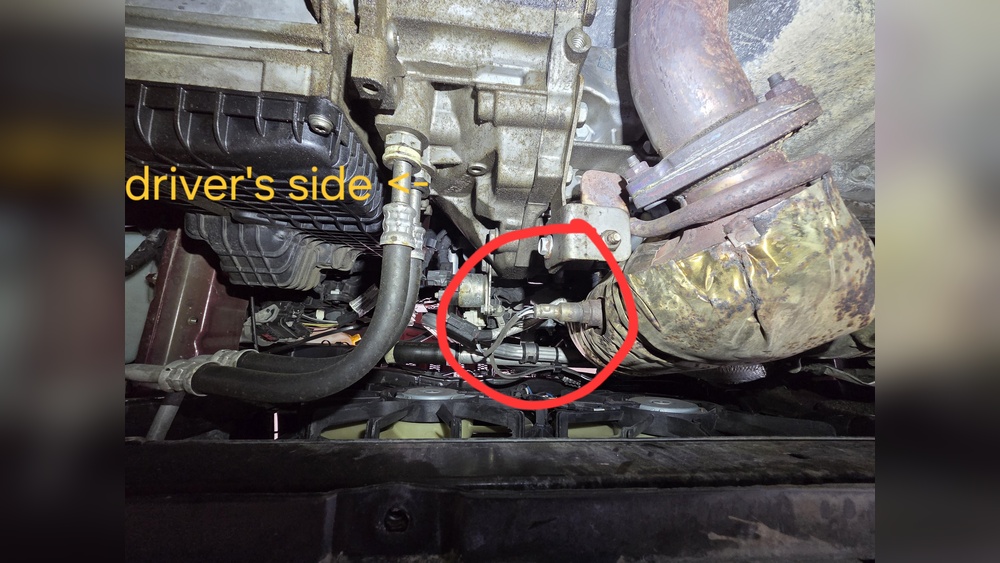
P0430 Code Basics
The P0430 code signals a problem with your Jeep’s catalytic converter. This converter helps reduce harmful emissions.
When it fails, your car may not pass emissions tests.
The code appears when the engine control module detects low efficiency in the converter. It compares oxygen sensor readings before and after the converter.
If the difference is too small, the code triggers.
What Triggers P0430
Several issues can cause the P0430 code. A failing or clogged catalytic converter is the most common.
Over time, the internal material breaks down and stops working well.
Exhaust leaks also trigger this code. Cracks or loose bolts in the exhaust manifold let extra air in.
This confuses the oxygen sensors and causes false readings.
Engine problems like rich fuel mixtures or misfires can damage the converter. Oil consumption may also foul the converter’s internal parts. These issues reduce the converter’s efficiency.
Symptoms To Watch For
Your Jeep might show warning signs before the P0430 code appears. The check engine light will turn on.
You may notice reduced engine power or poor fuel economy.
Sometimes, rough idling or hesitation during acceleration happens. A rotten egg smell from the exhaust is a classic sign of converter trouble.
Strange noises under the vehicle can also appear.
Common Causes
The P0430 code signals that the catalytic converter is not working as it should. Several issues can cause this problem in your Jeep.
Understanding these common causes helps with quick diagnosis and repair.
Most causes relate to the exhaust system or engine performance. Fixing these can restore your Jeep’s efficiency and reduce emissions.
Catalytic Converter Problems
The catalytic converter may fail due to age or damage. Inside, the material can degrade or clog from carbon buildup.
This reduces its ability to clean exhaust gases.
A clogged converter causes poor engine performance and triggers the P0430 code. Heat or impact damage can also harm the converter’s function.
Exhaust Leaks
Leaks in the exhaust system affect sensor readings. Cracks or loose bolts in the exhaust manifold allow extra air inside. This unmetered air confuses the oxygen sensors.
The sensors then report incorrect data to the engine computer. The system thinks the catalytic converter is failing, causing the P0430 code.
Engine Performance Issues
Problems like rich fuel mixtures or misfires harm the catalytic converter. Oil burning inside the engine can also damage the converter over time.
These issues cause excess fuel or contaminants to enter the exhaust. The converter cannot process these properly, leading to poor performance and error codes.
Diagnosing P0430
DIY fixes for the Jeep P0430 code can save you time and money. This code means the catalytic converter is not working well.
Some simple steps can help improve its function. Many repairs do not require a mechanic.
Start with easy methods before costly replacements. Cleaning the fuel system and checking for leaks often solve the problem.
After repairs, resetting the code can confirm the fix.
Fuel Additives For Cleaning
Fuel additives help clean the catalytic converter. They remove carbon buildup inside the system.
Pour the additive into the fuel tank as per instructions. Run the engine for some miles to let it work.
This method can restore converter efficiency and clear the P0430 code.
Repairing Exhaust Leaks
Exhaust leaks let extra air enter the system. This confuses oxygen sensors and triggers the P0430 code.
Check for cracks or loose bolts in the exhaust manifold. Tighten bolts or replace gaskets if needed.
Small leaks can be sealed with exhaust putty. Fixing leaks improves sensor readings and converter performance.
Resetting The Code
After repairs, reset the P0430 code to check the results. Use an OBD-II scanner or a code reader tool. Plug it into the Jeep’s diagnostic port and clear the code. Drive the vehicle to see if the code returns. If it stays off, the repair worked. This step confirms the problem is fixed.

Diy Fixes
Preventing future issues with the Jeep P0430 code saves time and money. It helps keep your vehicle running smoothly.
Simple steps can reduce the chance of this error coming back. Taking care of your Jeep regularly protects the catalytic converter and engine health.
Regular Maintenance Tips
Change the engine oil on schedule. Clean oil supports engine parts and the catalytic converter.
Replace air filters often to keep air clean and flowing. Inspect exhaust pipes and manifolds for leaks or damage.
Leaks let air in and confuse sensors, causing P0430. Use a quality fuel system cleaner once in a while.
It removes deposits that harm engine and converter performance.
Fuel Quality And Engine Care
Use only recommended fuel grades for your Jeep. Poor quality fuel can cause rich mixtures and damage the converter.
Avoid letting the fuel tank run too low; it can lead to dirt entering the system. Fix engine misfires quickly to prevent excess fuel from reaching the converter.
Regularly check oxygen sensors for proper function. Clean sensors help the converter work efficiently and avoid the P0430 code.
When To Replace Parts
Dealing with a Jeep P0430 code often requires expert help. This code points to problems with the catalytic converter’s efficiency.
Fixing it might need special tools and experience. Professional mechanics have the right skills to diagnose and repair the issue correctly.
Trusting an expert can save time and money in the long run.
When To See A Mechanic
Check for warning lights on your dashboard. If the check engine light stays on, visit a mechanic soon.
Strange smells or reduced engine power also signal a problem. Avoid delaying repairs to prevent further damage.
A certified mechanic can run tests to pinpoint the exact cause.
What To Expect During Repairs
The mechanic will start with a full diagnostic scan. They check oxygen sensors and the catalytic converter’s condition.
Sometimes, cleaning the converter can fix the issue. Other times, replacement parts may be necessary.
Repairs usually take a few hours, depending on the damage. Professionals also test your vehicle after repairs to ensure the code clears.

Frequently Asked Questions
How Do I Fix Error Code P0430?
Check for a failing catalytic converter or exhaust leaks. Use a fuel additive to clean minor deposits.
Replace the converter if damaged. Scan for engine issues like misfires or rich fuel mixtures and fix them to clear code P0430.
Does P0430 Mean I Need A New Catalytic Converter?
P0430 indicates your catalytic converter’s efficiency is below standard. Replacement isn’t always required; inspect sensors, exhaust leaks, and engine issues first.
Is P0430 Bank 1 Or Bank 2?
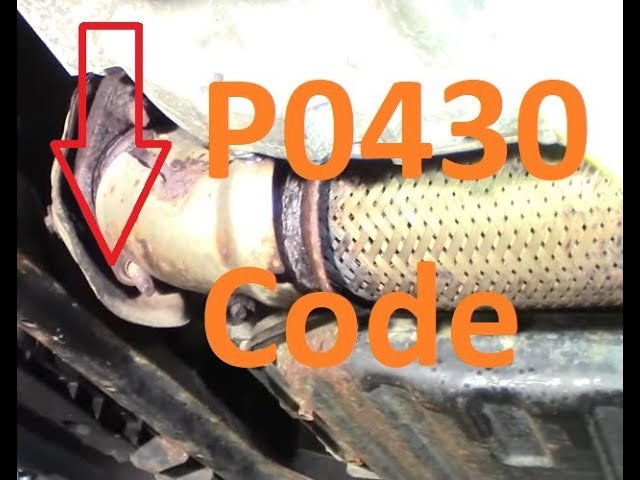
The P0430 code refers to Bank 2 of the catalytic converter system. It indicates catalyst efficiency below threshold on Bank 2.
What Is The Most Common Cause For A P0430 Code?
The most common cause of a P0430 code is a failing or clogged catalytic converter. Exhaust leaks and engine misfires can also trigger it.
Conclusion
The Jeep P0430 code signals a catalytic converter issue. Addressing it early prevents further engine damage.
Check for exhaust leaks or sensor problems. Sometimes, a cleaning additive can help restore performance.
Persistent issues may need part replacement. Regular vehicle maintenance keeps your Jeep running smoothly.
Stay alert to warning signs and act quickly. This keeps your Jeep safe and efficient on the road.