If your Jeep’s check engine light just came on with the P0430 code, you might be wondering what’s going on under the hood. This code signals a problem with your catalytic converter’s efficiency, and ignoring it could lead to costly repairs or poor engine performance.
But don’t worry understanding what causes the P0430 code and how to fix it isn’t as complicated as it sounds. You’ll learn what triggers this warning, how to diagnose the issue, and practical steps to get your Jeep running smoothly again.
Keep reading to protect your ride and avoid unexpected breakdowns.
Causes Of P0430 Code
The P0430 code signals a problem with the catalytic converter’s efficiency. This code appears when the converter fails to clean exhaust gases properly.
Several factors can cause this issue in your Jeep. Understanding these causes helps you address the problem faster.
Catalytic Converter Issues
The most common cause is a failing catalytic converter. Over time, the internal material breaks down or clogs with carbon.
This reduces its ability to filter harmful gases. Heat damage or contamination from engine problems can also harm the converter. A bad converter triggers the P0430 code.
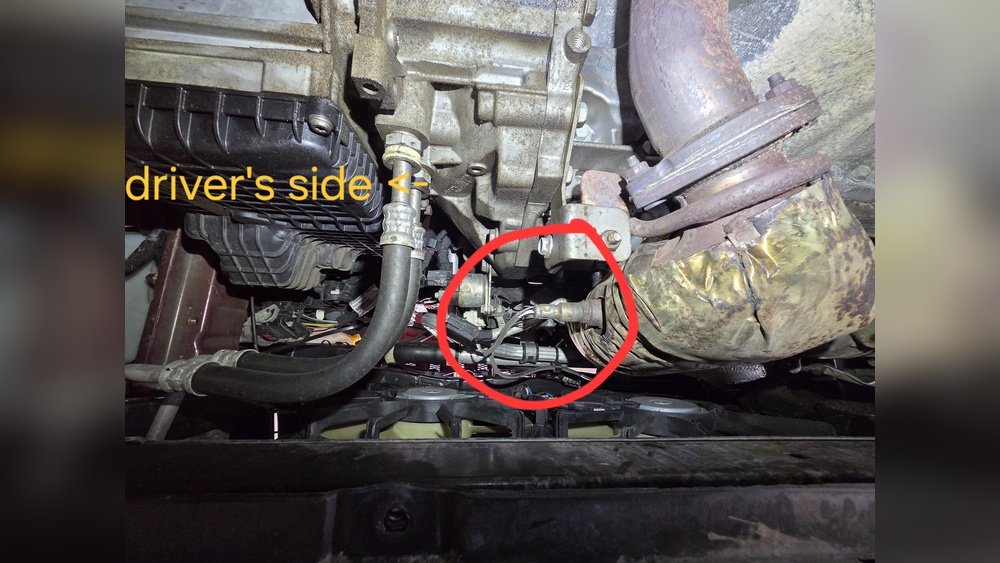
Exhaust Leaks
Exhaust leaks near the catalytic converter confuse oxygen sensors. Cracks or loose bolts in the exhaust manifold let air in.
This extra air changes sensor readings and makes the converter seem faulty. Small leaks can cause the P0430 error. Fixing leaks often clears the code.
Engine Performance Problems
Engine issues like misfires or rich fuel mixtures harm the catalytic converter. Burning oil or excess fuel clogs the converter with deposits.
Poor engine running conditions increase emissions and stress the converter. These problems can lead to the P0430 code showing on your Jeep.
Diagnosing The Problem
Diagnosing the Jeep P0430 code requires careful steps to find the root cause. This code signals a problem with the catalytic converter’s efficiency.
Checking the right parts and systems helps fix the issue quickly. The process involves scanning, engine checks, and exhaust inspection. Each step narrows down the possible faults.
Using An Obd-ii Scanner
Start by connecting an OBD-II scanner to the Jeep’s diagnostic port. The scanner reads stored trouble codes and live data. It confirms the P0430 code and shows related issues. The live data helps spot sensor readings out of range. This tool guides the next diagnostic steps.
Checking For Misfires
Misfires can cause catalytic converter problems. Check the engine for rough running or hesitation.
Use the scanner’s live data to see if any cylinders misfire. Inspect spark plugs, ignition coils, and fuel injectors. Fixing misfires can restore proper converter function.
Inspecting Exhaust System
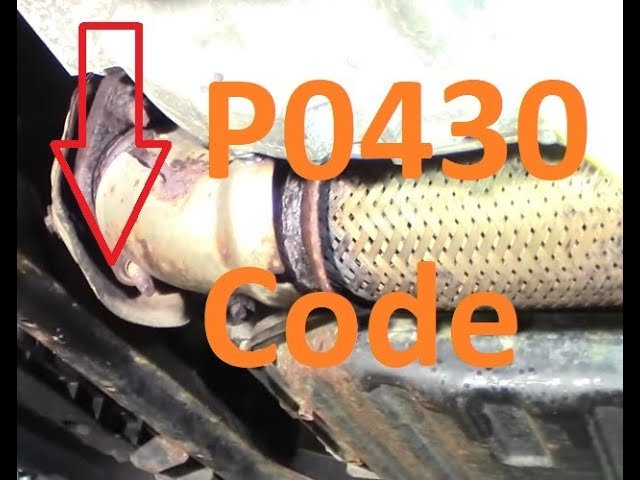
Exhaust leaks affect sensor readings and converter efficiency. Inspect the exhaust manifold, pipes, and gaskets for cracks or holes.
Listen for unusual noises like hissing or popping. Replace damaged parts to stop unmetered air from entering the system.
This ensures accurate sensor data and better performance.
Cleaning And Maintenance
Keeping your Jeep’s engine and exhaust system clean helps avoid the P0430 error code. Regular cleaning and maintenance improve performance and reduce harmful emissions.
Simple checks and treatments can extend your catalytic converter’s life.
Fuel Additives For Carbon Deposits
Carbon buildup can block the catalytic converter. Fuel additives help dissolve these deposits inside the engine.
Add them to your fuel tank as directed. This keeps fuel pathways clear and reduces the chance of P0430 errors. Use quality products made for carbon cleaning.
Exhaust System Inspection
Check the exhaust system regularly for leaks or damage. Cracks or holes let extra air enter, which confuses sensors.
Tighten loose bolts and replace worn gaskets. A sealed exhaust system ensures accurate readings and better engine function.
Oxygen Sensor Check
Oxygen sensors monitor emissions and control fuel mixture. Faulty sensors give wrong data, triggering P0430 codes.
Test sensors with a scan tool or multimeter. Clean or replace sensors showing poor performance.
Good sensors keep the catalytic converter working well.

Repair And Replacement Options
Repairing the Jeep P0430 code involves several options. This code often points to issues with the catalytic converter or related parts.
Proper repair ensures your Jeep runs clean and meets emissions standards.
Understanding the best repair or replacement steps saves time and money. Some fixes are simple, while others require parts replacement or engine work.
Here are the main repair options to consider.
Replacing The Catalytic Converter
The catalytic converter filters harmful gases from your Jeep’s exhaust. Over time, it can clog or fail, triggering the P0430 code. Replacing it restores proper emissions control.
Choose a high-quality converter that fits your Jeep model. Installation must be done carefully to avoid leaks.
A new converter helps improve fuel efficiency and lowers emissions.
Fixing Exhaust Leaks
Exhaust leaks near the catalytic converter confuse oxygen sensors. This can cause a false P0430 error code.
Common leak points include cracked pipes or loose gaskets.
Inspect the exhaust system for holes or broken parts. Tighten bolts and replace damaged gaskets or pipes.
Fixing leaks often clears the code without replacing the converter.
Addressing Engine Issues
Engine problems like misfires or rich fuel mixtures damage the catalytic converter. These issues can trigger the P0430 code. Fixing engine faults helps protect the converter.
Check for spark plug wear, faulty injectors, or oil leaks. Repair engine faults promptly to prevent further damage. A well-running engine supports emissions system health.
Preventing Future Emission Codes
Preventing future emission codes like Jeep P0430 helps keep your vehicle running clean and efficient. Addressing causes early avoids costly repairs and ensures your Jeep meets emission standards.
Consistent care improves engine health and reduces harmful emissions.
Regular Maintenance Tips
Change your oil and filters on time. Clean or replace air filters regularly.
Check spark plugs for wear and replace if needed. Inspect the exhaust system for leaks or damage.
Keep your vehicle tuned to factory specifications. Regular checks prevent issues that trigger emission codes.
Fuel Quality And Additives
Use high-quality fuel from trusted stations. Poor fuel can cause deposits in the catalytic converter.
Add fuel system cleaners occasionally to remove buildup. Products like Sea Foam help maintain fuel system health.
Clean fuel helps the converter work efficiently and lasts longer.
Monitoring Engine Performance
Watch for rough idling or misfires. Use an OBD-II scanner to check for engine trouble codes.
Address engine problems quickly to avoid converter damage. Keep sensors clean and functioning properly.
Good engine performance reduces stress on the emission system and prevents code P0430.

Frequently Asked Questions
How Do I Fix Error Code P0430?
Error code P0430 indicates a failing catalytic converter on bank 2. Fix it by inspecting for exhaust leaks, repairing damaged sensors, or replacing the converter if cleaning additives don’t help.
Does P0430 Mean I Need A New Catalytic Converter?
P0430 indicates your catalytic converter’s efficiency is below standard. It doesn’t always mean replacement is necessary.
Inspect sensors, exhaust leaks, and engine issues first. Cleaning additives might help if the converter is slightly clogged.
Consult a mechanic for accurate diagnosis before replacing the catalytic converter.
What Is The Code Po430 On A Jeep?
The code P0430 on a Jeep means the catalytic converter is not working efficiently. It signals reduced catalyst efficiency.
Is P0430 Bank 1 Or Bank 2?
The P0430 code refers to Bank 2, indicating a catalyst system efficiency issue on that side of the engine.
Conclusion
The Jeep P0430 code points to a catalytic converter issue. Checking exhaust leaks and engine performance helps find the cause.
Using a cleaning additive might clear minor blockages. If problems persist, a professional inspection is wise.
Fixing this code keeps your Jeep running clean and smooth.
Don’t ignore warning signs to avoid bigger repairs later. Stay attentive, and your Jeep will perform well for many miles.