If you’ve seen the Jeep P0420 code pop up on your dashboard, you’re probably wondering what it means and how it could affect your Jeep’s performance.
This code points to an issue with your vehicle’s catalytic converter efficiency, and ignoring it can lead to bigger problems down the road.
But don’t worry understanding what causes the P0420 code and knowing the right steps to fix it can save you time and money.
You’ll discover common reasons behind this warning, easy troubleshooting tips you can try yourself, and the best action plan to get your Jeep running smoothly again.
Keep reading to take control of your Jeep’s health and avoid costly repairs.
P0420 Code Basics
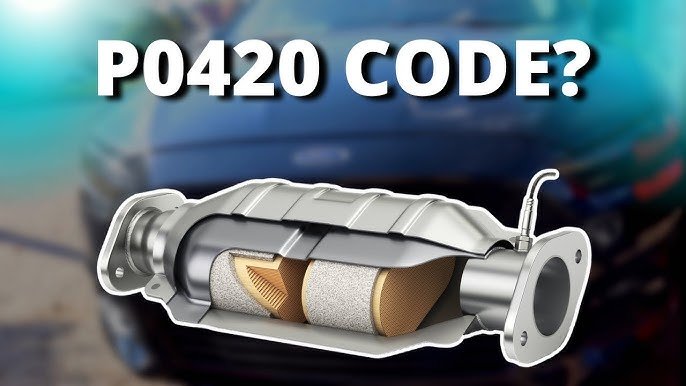
The P0420 code is a common issue for Jeep owners. It signals a problem with the catalytic converter’s efficiency.
This code can appear on the dashboard as a check engine light. Understanding the basics of P0420 helps in quick diagnosis and repair.
Addressing the P0420 code early protects your Jeep from more serious damage. It also keeps emissions low and maintains fuel efficiency.
Let’s explore what triggers this code and how it affects your Jeep’s performance.
What Triggers P0420
The P0420 code activates when the engine control module detects low catalyst system efficiency. This means the catalytic converter is not cleaning exhaust gases properly.
Common triggers include a failing catalytic converter, faulty oxygen sensors, or exhaust leaks. Sometimes, engine misfires or damaged wiring can also cause the code.
Identifying the exact cause is key to a proper fix.
Impact On Jeep Performance
The P0420 code can reduce your Jeep’s performance. You may notice poor fuel economy or rough engine running.
The engine might lose power or hesitate during acceleration. The check engine light stays on, which can affect emissions testing results.
Ignoring the code can lead to costly repairs and more damage to the exhaust system.
Common Causes
The Jeep P0420 code points to a problem with the catalytic converter’s efficiency. This issue can stem from several common causes.
Identifying the root cause avoids unnecessary repairs. It helps keep your Jeep running smoothly and saves money.
Catalytic Converter Issues
The catalytic converter may become clogged or damaged. Over time, it loses the ability to clean exhaust gases.
This reduces its efficiency and triggers the P0420 code. Heat damage or contamination from engine problems can harm the converter.
A faulty catalytic converter needs replacement to restore performance.
Oxygen Sensor Failures
Oxygen sensors monitor exhaust gases and help control fuel mixture. A bad sensor sends wrong data to the engine computer.
This confuses the system and causes the P0420 error. Sensors can wear out or get contaminated.
Replacing faulty oxygen sensors often fixes the problem.
Exhaust System Leaks
Leaks in the exhaust system affect emissions and sensor readings. Common leak spots include the manifold, pipes, or near the catalytic converter.
Leaks let extra air enter, causing wrong oxygen sensor signals. Repairing leaks restores proper exhaust flow and can clear the code.
Engine Misfires
Misfires cause incomplete combustion and release unburned fuel into the exhaust. This damages the catalytic converter and lowers its efficiency.
Misfires may result from bad spark plugs, ignition coils, or fuel issues. Fixing misfires prevents further damage and improves emissions.
Quick Diagnosis Steps
Diagnosing the Jeep P0420 code quickly saves time and money. Start with simple steps to find the root cause.
Follow these quick diagnosis steps to identify issues before replacing parts.
Using An Obd-ii Scanner
Connect an OBD-II scanner to your Jeep’s diagnostic port. Read the stored trouble codes carefully. Confirm the P0420 code is present. Check for any related codes that may affect readings. Use live data to monitor oxygen sensor signals. Look for unusual sensor behavior or slow response times. Clear codes and test drive to see if they return.
Visual Inspection Tips
Examine the exhaust system for visible damage. Look for cracks, rust, or loose parts near the catalytic converter.
Inspect oxygen sensor wiring and connectors for wear or corrosion. Check for signs of overheating on the catalytic converter’s surface.
Look under the vehicle for any signs of impact or damage. A simple visual check can reveal many common problems.
Checking For Exhaust Leaks
Exhaust leaks can cause false P0420 codes. Listen for hissing or popping noises while the engine runs.
Use a smoke machine or soapy water to detect leaks around joints. Focus on the area near the catalytic converter and manifold.
Tighten loose clamps or replace damaged gaskets as needed. Fixing leaks often restores proper sensor readings and clears the code.

Fast Fixes To Try
When your Jeep shows the P0420 code, quick fixes can save time and money. These steps address common causes without needing full part replacements.
Try these simple methods before visiting a mechanic. They often clear the error and restore your Jeep’s performance fast.
Cleaning Or Replacing Oxygen Sensors
Oxygen sensors monitor exhaust gases and help the engine run efficiently. Dirt or wear can cause wrong readings, triggering P0420.
Cleaning sensors with a special cleaner can remove buildup. If cleaning does not help, replacing the sensors is often the best choice.
New sensors improve fuel economy and reduce emissions.
Sealing Exhaust Leaks
Leaks in the exhaust system affect sensor readings and catalytic converter function. Check around the catalytic converter, manifold, and pipes for holes or cracks.
Use exhaust sealant or replace damaged parts to stop leaks. Fixing leaks keeps the exhaust flow steady and helps clear the P0420 code.
Resetting The Engine Control Module
The Engine Control Module (ECM) stores error codes like P0420. Resetting the ECM clears the code and resets the system.
You can reset by disconnecting the battery for a few minutes. After resetting, drive your Jeep to see if the code returns. This simple step sometimes fixes false alerts.
When To Replace Parts
Knowing the right time to replace parts like the catalytic converter and oxygen sensors can save you money and stress. These components affect your Jeep’s performance and emissions.
Ignoring signs of trouble may cause bigger engine problems. Understanding when to act helps keep your Jeep running smooth and efficient.
Signs Your Catalytic Converter Needs Replacement
A failing catalytic converter causes poor engine performance. Look for reduced power or sluggish acceleration.
A strong smell of rotten eggs or sulfur near your Jeep also signals trouble. The check engine light may come on with a P0420 code.
Rattling noises from underneath the vehicle mean the converter’s inside is breaking apart. Failing emissions tests or increased fuel consumption are other common signs.
Choosing The Right Oxygen Sensor
Oxygen sensors monitor exhaust gases to keep your engine balanced. Select sensors compatible with your Jeep’s make and model.
Heated oxygen sensors improve response time and durability. Avoid cheap sensors that can give false readings.
OEM or high-quality aftermarket sensors offer better reliability. Make sure the sensor matches your Jeep’s engine type and year for best results.
Cost Considerations
Replacing a catalytic converter can be costly but necessary. Prices vary depending on the Jeep model and converter type.
Oxygen sensors cost less but may need multiple replacements. Labor charges add to the total cost.
Consider getting quotes from several mechanics. Sometimes, cleaning or repairing parts saves money compared to full replacement.
Always weigh repair costs against vehicle value before deciding.
Preventive Maintenance Tips
Preventive maintenance is key to avoiding Jeep P0420 trouble codes. Keeping your vehicle in good shape helps the catalytic converter work properly.
Regular care also stops small issues from becoming big problems. Follow these simple tips to maintain engine health and reduce error codes.
Regular Engine Tune-ups
Schedule engine tune-ups at least once a year. Replace spark plugs and air filters as needed.
Clean fuel injectors to improve fuel flow. A well-tuned engine burns fuel efficiently, lowering emissions.
This reduces stress on the catalytic converter and oxygen sensors.
Fuel Quality And Additives
Use high-quality fuel recommended for your Jeep model. Poor fuel can cause deposits and clog sensors.
Adding fuel system cleaners helps remove buildup in the engine. Avoid cheap or contaminated gasoline to keep combustion clean. Clean fuel supports the catalytic converter’s efficiency.
Monitoring Engine Performance
Watch for signs like rough idling or loss of power. These can signal engine or sensor issues early.
Use an OBD-II scanner to check for error codes regularly. Fixing minor problems quickly prevents the P0420 code from appearing.
Keep your Jeep’s engine running smoothly to protect emissions systems.
Tools And Resources
Fixing a Jeep P0420 code requires the right tools and resources. Proper tools help diagnose the issue accurately.
Quality resources guide you through repairs safely. This section covers the essentials for handling P0420 effectively.
Recommended Diagnostic Tools
A reliable OBD-II scanner is a must-have. It reads error codes and clears them after repairs.
A multimeter helps test sensors and wiring. Smoke machines detect exhaust leaks that might cause P0420. These tools save time and avoid guesswork.
Where To Find Replacement Parts
OEM parts ensure quality and fit for your Jeep. Online stores like O’Reilly Auto Parts and AutoZone offer genuine parts.
Local auto shops can provide parts quickly. Check parts for compatibility with your Jeep model and year before buying.
Helpful Online Forums And Videos
Jeep Wrangler TJ Forum and Reddit’s r/Jeep are great for advice. Experienced users share solutions and common fixes. YouTube channels like “Donny The Late Model Tech” show step-by-step repairs. Forums and videos help understand the problem better and avoid mistakes.

Frequently Asked Questions
What Is The Code P0420 On A Jeep?
The code P0420 on a Jeep means the catalytic converter’s efficiency is below the required threshold. It often signals a failing converter or oxygen sensor issue.
How To Fix P0420 Fault Code?
Fix the P0420 code by checking for exhaust leaks, testing oxygen sensors, and inspecting the catalytic converter. Replace faulty sensors or the converter if needed.
Clear the code and test drive to confirm the repair.
Is P0420 Bank 1 Or Bank 2?
P0420 code usually refers to Bank 1, indicating catalytic converter efficiency below threshold on that side.
What Is The Most Common Cause For A P0420 Code?
The most common cause of a P0420 code is a failing catalytic converter. Faulty oxygen sensors can also trigger it.
Conclusion
The Jeep P0420 code signals a catalytic converter or sensor issue. Start by checking for exhaust leaks and inspecting oxygen sensors.
Simple fixes often save time and money. Ignoring the problem can lower fuel efficiency and harm the environment.
Regular maintenance helps keep your Jeep running smoothly.
Understanding this code makes repairs easier and less stressful. Stay proactive to avoid bigger engine troubles later.
Keep your Jeep safe and reliable on every drive.