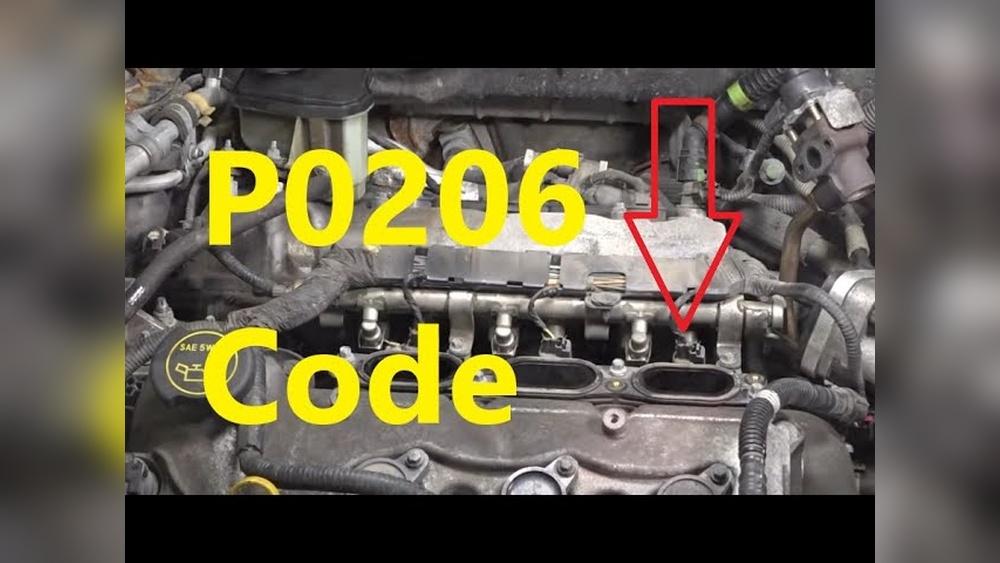
If your Jeep’s check engine light just came on and you’ve seen the code P0206 pop up, you’re probably wondering what it means and how it affects your ride.
This code points to a problem with the fuel injector in cylinder number six, something that can cause rough idling, poor performance, and lower fuel efficiency.
But don’t worry, you’re not alone, and fixing it might be simpler than you think. You’ll learn what causes the P0206 code, how to diagnose the issue, and what steps you can take to get your Jeep running smoothly again.
Keep reading to avoid costly repairs and keep your Jeep ready for the road.

P0206 Code Explained
The Jeep P0206 code points to a problem with the fuel injector circuit in cylinder six. This code appears when the engine control module detects a fault in that injector’s electrical circuit.
Understanding the common causes helps in quick diagnosis and repair. This section covers typical reasons behind the P0206 error code.
Damaged Wiring
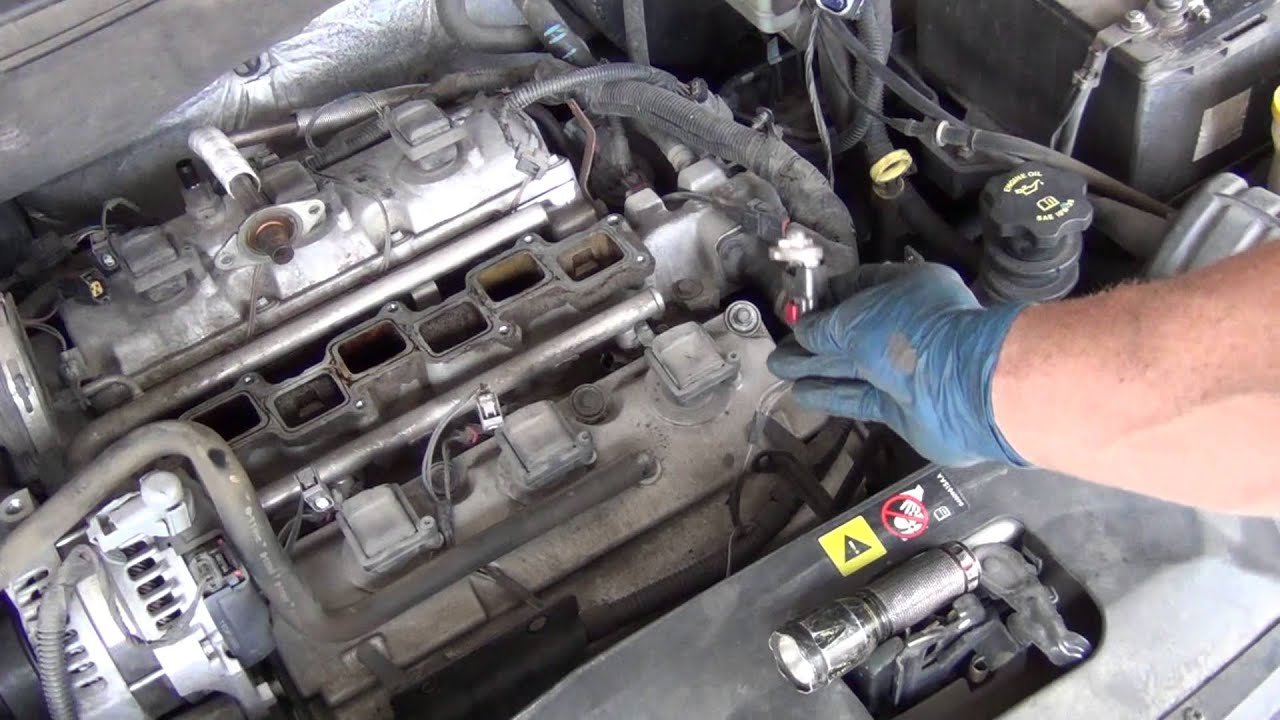
Wiring to the injector can get damaged over time. Frayed, broken, or corroded wires interrupt the electrical flow.
This stops the injector from working properly. Check the wiring harness for visible wear or breaks.
Damaged wiring often causes poor injector performance and triggers the P0206 code.
Faulty Fuel Injector
The fuel injector itself may fail. Dirt, clogging, or internal defects can cause it to stop spraying fuel correctly.
A faulty injector disrupts engine balance and triggers the error code. Testing the injector with specialized tools helps confirm if it needs replacement.
Defective Pcm
The powertrain control module (PCM) controls injector signals. A defective PCM can fail to send proper commands to the injector.
This is a less common issue but still possible. Diagnosing the PCM requires advanced tools and expertise.
Faulty PCM often causes multiple injector-related trouble codes.
Connector Issues
Loose or corroded connectors can cause poor electrical contact. This interrupts the signal flow between the PCM and injector.
Check connectors for dirt, rust, or looseness. Cleaning or reseating connectors often solves the problem and clears the P0206 code.
Common Causes
Diagnosing injector circuit faults is key to fixing the P0206 trouble code on Jeep vehicles. This code points to a problem in the fuel injector circuit of cylinder six.
Understanding how to check the wiring, injector pulse, and powertrain control module (PCM) output helps find the exact cause.
Proper diagnosis avoids unnecessary part replacement and saves time. The process involves simple tools and careful inspection.
Follow these steps to identify faults accurately and restore engine performance.
Inspecting Wiring And Connectors
Start by examining the wiring harness linked to the number six injector. Look for broken, frayed, or corroded wires.
Check connectors for looseness or dirt that may block signals.
Damaged wiring or poor connections often cause circuit faults. Repair or replace any faulty components before moving to the next step.
Testing Injector Pulse
Use a noid light to test the injector pulse signal. Connect it to the injector harness and crank the engine.
The noid light should flash, indicating the PCM sends the pulse.
No flash means no signal from the PCM or a wiring issue. This test confirms if the injector receives the correct electrical pulse for operation.
Checking Pcm Output
Verify the PCM output to the injector circuit. Use a digital multimeter to measure voltage and continuity.
Ensure the PCM driver is not damaged or shorted.
A faulty PCM can cause the P0206 code but is less common than wiring problems. Replace the PCM only after ruling out all other causes.
Tools Needed For Diagnosis
Driving with the P0206 code means the engine has a problem with the fuel injector in cylinder six. This code shows a fault in the injector circuit.
It can cause the engine to run rough or lose power. Understanding the risks helps you decide how to drive safely with this issue.
Potential Risks
The P0206 code can cause poor engine performance. The engine may misfire or hesitate during acceleration.
Fuel economy might drop, leading to more trips to the gas station. The engine could stall unexpectedly, which is dangerous on the road.
Long-term driving with this code can damage the catalytic converter. This damage increases repair costs and emissions.
Ignoring the code may lead to more serious engine problems.
When To Avoid Driving
Avoid driving if the engine stalls or runs very rough. If the check engine light flashes, stop immediately.
Severe misfires can damage engine parts and cause accidents. Do not drive long distances with the P0206 code active.
Heavy traffic or highway driving increases the risk of breakdowns. If you notice loss of power or strange noises, park safely and seek repairs.
Early action can save money and keep you safe on the road.
How Do You Fix A P0206 Code?
To fix a P0206 code, inspect and repair wiring to cylinder six's injector. Test injector pulse with a noid light.
Replace a faulty injector or PCM if needed. Clear the code after repairs and retest the engine.
Can I Drive With A P0206 Code?
Driving with a P0206 code is not recommended. It signals a fuel injector issue in cylinder six, causing poor engine performance and possible damage.
Get the problem diagnosed and repaired promptly to avoid further damage and unsafe driving conditions.
P0206 indicates a malfunction in the fuel injector circuit for cylinder six. It involves wiring, injector, or PCM issues.
Can I Drive With A Stuck Open Injector?
Driving with a stuck open injector can cause engine flooding, poor fuel economy, and damage. Avoid driving until repaired.
Conclusion
The Jeep P0206 code points to a fuel injector issue in cylinder six. Check wiring and connections first for damage or looseness.
Use simple tools like a noid light to test injector signals. Fixing this promptly keeps your Jeep running smoothly and saves money.
Regular maintenance helps avoid such problems in the future. Stay aware of warning signs and act quickly to maintain performance.