If your Jeep is showing the P0171 code with a “Fuel System 11 Lean” message, you’re likely wondering what’s going on under the hood. This warning means your engine is running too lean—there’s too much air and not enough fuel in the mix.
Ignoring this issue can lead to poor performance, reduced fuel efficiency, and even engine damage. But don’t worry you’re in the right place.
You’ll learn exactly what causes the P0171 code, how to diagnose it, and the simple steps you can take to fix your Jeep’s fuel system.
Keep reading to get your ride back to smooth, powerful driving.

What P0171 Code Means
The P0171 code signals that your Jeep’s engine runs too lean. This means the engine has too much air and not enough fuel in the mix.
The fuel system struggles to keep the right balance for smooth engine performance.
This lean fuel condition can reduce power and cause rough running. It may also lead to higher emissions and damage parts over time.
The engine’s computer detects this imbalance and triggers the P0171 error code. Fixing it early helps protect your Jeep’s engine and saves on repair costs.
Causes Of Lean Fuel Condition
A lean fuel condition often results from several common issues. A vacuum leak allows extra air into the engine.
This confuses the sensors and causes a lean reading. A clogged fuel filter or weak fuel pump restricts fuel flow.
Dirty or faulty fuel injectors can also reduce fuel delivery.
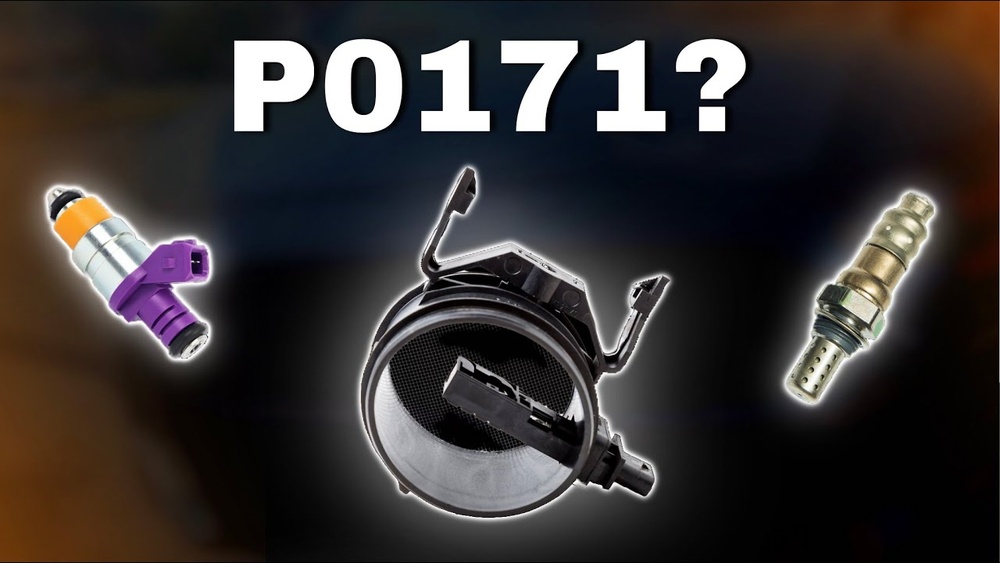
Another cause is a faulty oxygen sensor. It may send wrong information to the engine’s computer.
An exhaust leak before the sensor can mimic a lean condition. Air intake leaks and mass airflow sensor problems also contribute.
Regular maintenance helps prevent many of these causes.
Symptoms Of P0171 On Jeep
When the P0171 code appears, your Jeep may show several signs. The engine might run rough or hesitate during acceleration.
You could notice a drop in fuel efficiency. The check engine light often turns on and stays lit.
Sometimes, the engine may stall or struggle to start.
There might be unusual noises from the engine bay. A strong fuel smell is rare but possible.
These symptoms signal a lean condition affecting engine performance. Timely diagnosis keeps your Jeep running smoothly and safely.

Common Fuel System Issues
Common fuel system issues can trigger the Jeep P0171 code, indicating a lean fuel condition. This means the engine receives too little fuel or too much air.
Several components in the fuel system may cause this problem. Understanding these parts helps diagnose and fix the issue.
Fuel Pump And Filter Problems
The fuel pump pushes fuel to the engine. A weak or failing pump cannot deliver enough fuel.
This causes a lean condition and triggers the P0171 code. A clogged fuel filter also restricts fuel flow.
Dirt and debris block the filter, lowering fuel pressure. Replacing the filter and checking the pump often solves this issue.
Fuel Injector Malfunctions
Fuel injectors spray fuel into the engine’s cylinders. Dirty or faulty injectors deliver less fuel than needed.
This leads to a lean air-fuel mixture. Sometimes injectors get stuck or clogged.
Cleaning or replacing them restores proper fuel delivery and fixes the lean code.
Vacuum Leaks And Intake Issues
Vacuum leaks let extra air enter the engine. This upsets the air-fuel balance and causes a lean condition.
Common leak points include hoses, gaskets, and the intake manifold. Cracks or loose connections increase airflow.
Checking and sealing leaks stops excess air and clears the P0171 error.
Exhaust System And Sensor Checks
The exhaust system plays a key role in your Jeep’s fuel system health. Issues here often trigger the P0171 code, which means the engine is running lean.
Checking the exhaust and related sensors helps find the root cause. This step avoids costly repairs and keeps your Jeep running smoothly.
Detecting problems early can prevent further damage. The exhaust system includes sensors that monitor gases and send data to the engine control unit.
Faulty sensors or leaks can confuse the engine’s fuel calculations. This leads to poor performance and higher emissions.
Oxygen Sensor Failures
Oxygen sensors measure the amount of oxygen in exhaust gases. They tell the engine if the fuel mix is too rich or too lean.
A bad sensor sends wrong signals. The engine then adds too little or too much fuel.
Common signs of sensor failure include rough idle and poor fuel economy. Sensors wear out over time due to heat and contamination.
Testing with a scanner can confirm if sensors work properly. Replacing faulty oxygen sensors often clears the P0171 code.
Exhaust Manifold Leaks
Leaks in the exhaust manifold let extra air enter the exhaust stream. This air can trick sensors into thinking the engine runs lean.
Small cracks or loose bolts often cause these leaks. The leak disturbs the oxygen sensor readings.
Listen for ticking sounds near the engine block. Inspect the manifold for visible cracks or damage.
Fixing leaks requires tightening bolts or replacing the manifold. Proper sealing stops false sensor readings and fixes the lean condition.
Diagnostic Steps For P0171
Diagnosing the P0171 code in your Jeep requires a clear, step-by-step approach. This code signals a lean fuel condition, meaning the engine is not getting enough fuel or is getting too much air.
Finding the root cause involves checking several systems and components. The following diagnostic steps help pinpoint the issue efficiently.
Using Obd-ii Scanner Effectively
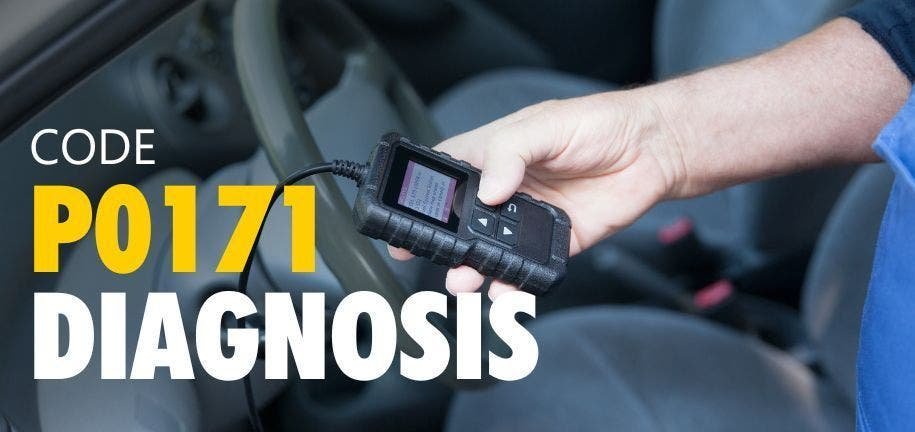
Start by connecting an OBD-II scanner to your Jeep’s port. This device reads trouble codes and live data from the engine control unit. Focus on fuel trim values and oxygen sensor readings. High positive fuel trims on both banks suggest a lean condition. Look for any related codes that might explain the problem. Clear the codes and drive the vehicle to see if the code returns. This process helps confirm the issue and guides further testing.
Performing Fuel Pressure Tests
Fuel pressure problems often cause P0171 codes. Attach a fuel pressure gauge to the fuel rail.
Turn the ignition on without starting the engine to check the pressure. Compare the reading to the manufacturer’s specifications.
Low pressure indicates a weak fuel pump, clogged fuel filter, or faulty pressure regulator. Fixing these issues restores proper fuel delivery and corrects the lean condition.
Inspecting For Vacuum Leaks
Vacuum leaks allow extra air into the engine, causing a lean mixture. Check all vacuum hoses for cracks, loose connections, or damage.
Listen for hissing sounds around the intake manifold. Spray carburetor cleaner or soapy water near suspected leaks while the engine runs.
A change in engine speed signals a leak. Repair or replace faulty hoses and gaskets to restore correct air-fuel balance.
Quick Fixes To Improve Performance
Fixing a Jeep P0171 Fuel System 11 Lean code can boost your vehicle’s performance quickly. This error means the engine runs with too little fuel or too much air.
Simple fixes can restore balance and improve drive quality. Check common causes and address them with easy repairs.
Keep your Jeep running smoothly and avoid further damage.
Cleaning Or Replacing Fuel Injectors
Dirty or clogged fuel injectors reduce fuel flow to the engine. Cleaning them helps restore proper fuel delivery.
Use a fuel injector cleaner or remove them for a thorough clean. If cleaning does not help, replace faulty injectors.
Proper fuel injection improves engine power and efficiency.
Fixing Vacuum Leaks
Vacuum leaks let extra air enter the engine, causing a lean condition. Inspect hoses and gaskets for cracks or loose connections.
Replace damaged parts or tighten loose clamps. Sealing vacuum leaks balances air and fuel mixture.
This fix helps the engine run smoother and saves fuel.
Replacing Faulty Sensors
Sensors like the oxygen sensor or mass airflow sensor can fail and send wrong data. Faulty sensors cause incorrect fuel mixture adjustments.
Test sensors and replace any that do not work properly. New sensors ensure accurate readings for fuel management.
This repair often clears the P0171 code and improves performance.
Preventive Maintenance Tips
Preventing the Jeep P0171 Fuel System 11 Lean code involves good maintenance habits. These tips keep your fuel system healthy and avoid costly repairs.
Simple checks and timely actions help your Jeep run smoothly.
Regular Fuel System Cleaning
Clean the fuel system regularly to remove dirt and deposits. Use fuel system cleaner additives during refueling.
This keeps injectors and fuel lines clear. A clean system improves fuel flow and engine performance.
Timely Sensor Replacements
Replace oxygen and mass air flow sensors on time. Worn sensors send wrong signals to the engine control unit.
This causes incorrect fuel mixture and triggers the P0171 code. Follow the Jeep’s maintenance schedule for sensor checks.
Keeping Exhaust System Intact
Check the exhaust system for leaks or cracks often. A damaged exhaust lets in extra oxygen, causing a lean fuel condition.
Fix any leaks quickly to keep the fuel system balanced. A sealed exhaust system supports proper engine function.
Frequently Asked Questions
How Do I Fix Error P0171 Too Lean?
Check for vacuum leaks, dirty air filters, or faulty oxygen sensors. Clean or replace parts causing lean fuel mixture to fix error P0171.
Can Low Fuel Pressure Cause P0171?
Low fuel pressure can cause a P0171 code by creating a lean fuel mixture. It reduces fuel delivery, increasing oxygen levels in the exhaust.
Check the fuel pump and filter to ensure proper pressure and avoid lean conditions triggering this error.
How To Fix Fuel Trim Too Lean?
Check for vacuum leaks and repair them. Inspect the MAF sensor and clean or replace it.
Ensure fuel injectors work properly. Test the fuel pressure and replace the fuel filter if clogged.
Fix any exhaust leaks affecting oxygen sensor readings.
What Is The Most Common Cause Of A P0171 Code?
The most common cause of a P0171 code is a vacuum leak, allowing extra air to enter the engine. This creates a lean fuel mixture.
Conclusion
The Jeep P0171 code means the engine runs too lean. This happens when the fuel system delivers too little fuel or too much air.
Fixing it early avoids bigger engine problems. Check for vacuum leaks, dirty fuel injectors, or a faulty oxygen sensor.
Regular maintenance keeps your Jeep running smoothly. Understanding this code helps you keep your vehicle safe and efficient.
Stay alert to any changes in performance or fuel economy. Simple checks can save time and money on repairs.