Is your Jeep struggling to accelerate, and the check engine light just won’t turn off? You’re not alone, and this isn’t a problem you want to ignore.
When your Jeep doesn’t respond like it used to, it’s more than just frustrating; it could be a sign that your vehicle has entered “limp mode,” a protective state that limits acceleration to prevent further damage. But what exactly is causing this issue?
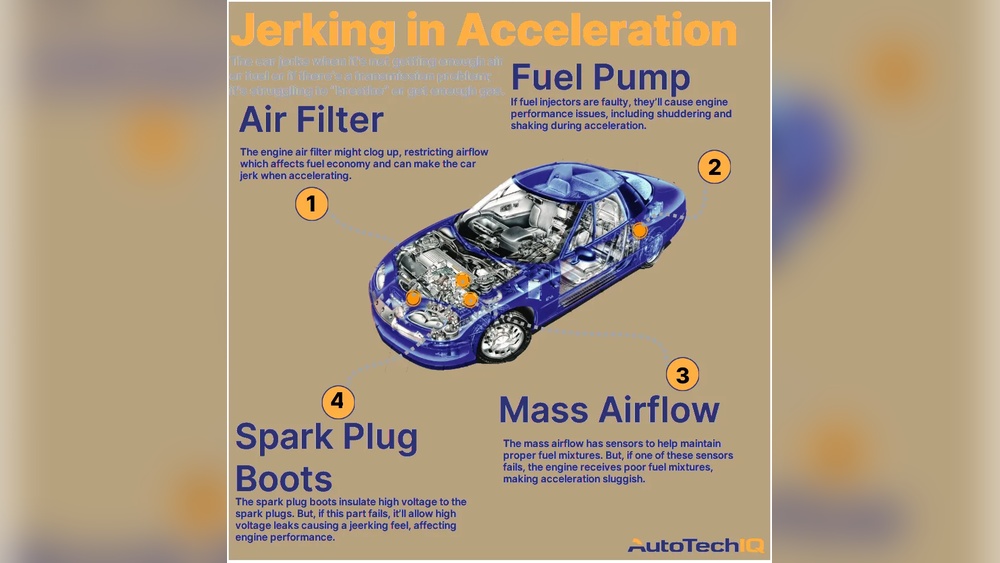
Is it the throttle body, spark plugs, or something else? You’ll discover the most common reasons behind poor acceleration combined with that stubborn check engine light.
Plus, you’ll learn simple steps to diagnose the problem and what to do next to get your Jeep back on the road safely and smoothly. Keep reading you’ll want to understand what’s going on before your next drive.
Symptoms Of Acceleration Issues
Acceleration problems in your Jeep can signal serious issues. Recognizing the symptoms early helps prevent further damage.
These signs often come with a check engine light, warning you to act.
Acceleration issues can affect your Jeep’s power and control. You might notice hesitation or sluggish response when pressing the gas pedal.
These symptoms could mean your Jeep is struggling to maintain speed or climb hills.
Signs Of Jeep Losing Power
Your Jeep may lose power suddenly or gradually while driving. The engine might feel weak or sputter during acceleration.
You could experience a delay before the Jeep responds to the gas pedal.
Sometimes the vehicle might stall or hesitate when trying to increase speed. Rough idling or unusual engine noises can also occur.
These signs often appear before the check engine light turns on.
Check Engine Light Patterns
The check engine light usually stays steady when a minor problem occurs. A flashing check engine light signals a serious engine misfire.
This condition demands immediate attention to avoid damage.
When the light comes on, your Jeep might enter limp mode. Limp mode limits acceleration to protect the engine.
Noticing the light alongside poor acceleration means it’s time to diagnose the problem.
Use an OBD-II scanner to read the trouble codes stored in your Jeep’s computer. These codes guide you toward the specific issue causing acceleration problems.
Common Causes
Diagnosing a Jeep that won’t accelerate properly with the check engine light on requires careful steps. This problem often signals the vehicle is in “limp mode.” Limp mode limits power to protect the engine and transmission.
To fix the issue, you must pinpoint the exact cause by reading the stored trouble codes.
Reading Obd-ii Trouble Codes
Use an OBD-II scanner to access your Jeep’s diagnostic codes. The scanner plugs into a port under the steering wheel.
These codes reveal specific problems causing poor acceleration. Common codes relate to the throttle body, sensors, or ignition system.
Knowing the codes helps focus repairs correctly and saves time.
Using Auto Parts Store Scanners
Many auto parts stores offer free code reading services. Stores like AutoZone or O’Reilly can scan your Jeep and print the trouble codes.
Bring your Jeep to the store and ask for a scan. This step helps if you do not own a scanner.
The printed codes give clues about what needs fixing.
Identifying Limp Mode
Limp mode activates when the Jeep detects serious engine or transmission problems. You might notice sluggish acceleration and limited speed.
The check engine light may flash or stay on steadily. Pull over safely and turn off the engine to check fluid levels.
Low oil or transmission fluid can trigger limp mode. Resetting the throttle position sensor (TPS) can sometimes clear the issue.
Diagnosing The Problem
When your Jeep is not accelerating properly and the check engine light is on, quick fixes can help you regain control. These simple steps address common issues that may cause your Jeep to lose power.
Trying these fixes might save you time and avoid costly repairs.
Start by ensuring your Jeep is safe and fluids are at proper levels. Then, you can perform a throttle position sensor relearn to reset the system.
Finally, a temporary limp mode reset might restore normal driving until you get professional help.
Pulling Over Safely And Checking Fluids
First, find a safe spot to pull over. Turn off the engine completely.
Check your engine oil and transmission fluid levels using the dipsticks. Low fluid levels can cause poor acceleration.
Add the correct fluids if needed. This simple check can prevent further damage.
Throttle Position Sensor Relearn
The throttle position sensor (TPS) controls how your Jeep responds to the gas pedal. Sometimes, the sensor needs to relearn its settings after issues.
To reset, turn the ignition to the ON position without starting the engine. Wait for about 10 seconds, then turn it off.
Repeat this process three times. Start the Jeep and drive gently to help the sensor recalibrate.
Temporary Limp Mode Reset
Limp mode limits your Jeep’s power to protect the engine. To reset limp mode, turn off the engine.
Disconnect the negative battery cable for about 15 minutes. Reconnect the cable and start the Jeep.
This action may clear the limp mode temporarily. Drive carefully and have your Jeep checked by a mechanic soon.
Quick Fixes To Try
Knowing when to seek professional help is important if your Jeep is not accelerating properly and the check engine light is on. Some issues require expert diagnosis and repair to avoid worsening the problem.
Acting too late can lead to costly damage or unsafe driving conditions.
Driving your Jeep with a malfunctioning engine or transmission might cause further harm. A professional mechanic can read the trouble codes and identify the exact cause of the problem.
They also have the right tools and experience to fix the issue safely and efficiently.
Finding Reputable Jeep Mechanics
Choose mechanics who specialize in Jeep vehicles. They understand common Jeep issues and know how to fix them correctly. Check online reviews on sites like Yelp or Google to find highly rated shops near you. Ask about their experience with your Jeep model.
Local dealerships can also be a reliable option, especially for complex problems. Confirm their service fees and warranty policies before committing.
Good communication and transparency are signs of a trustworthy mechanic.
Avoiding Damage From Flashing Check Engine Light
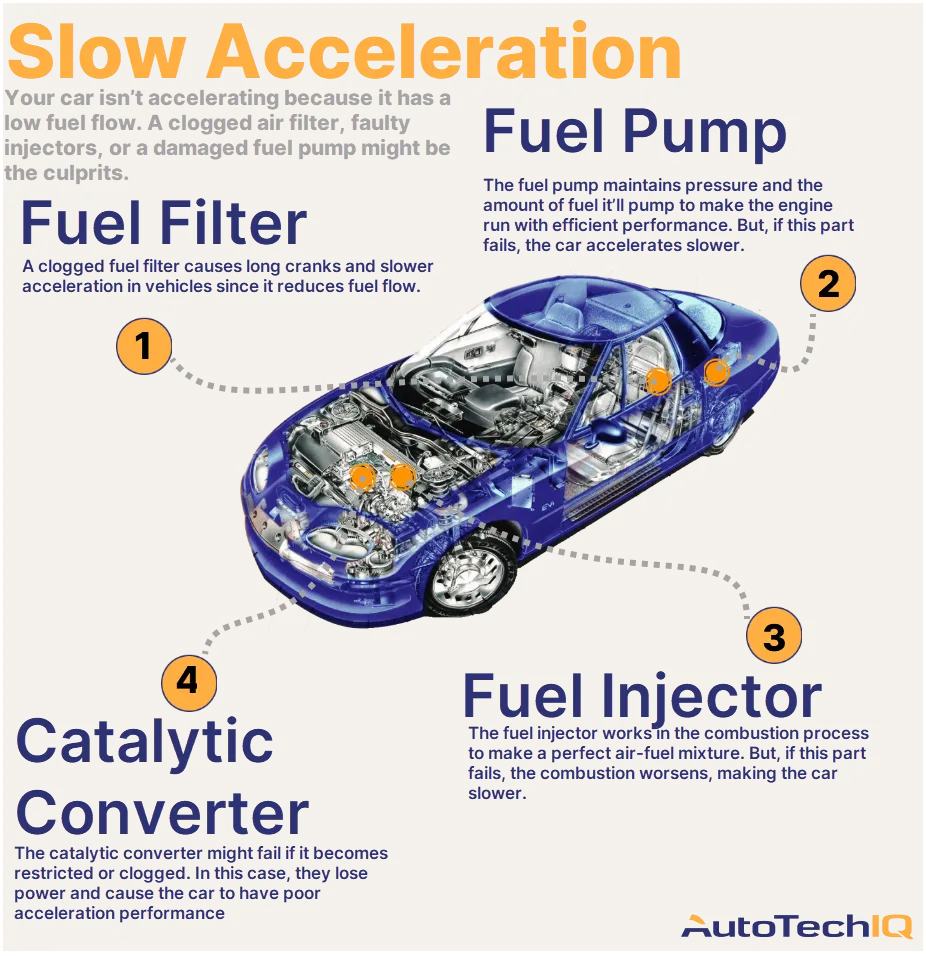
A flashing check engine light signals a serious engine misfire. Driving under this condition can damage the catalytic converter quickly.
Pull over safely and turn off the engine immediately if the light flashes.
Do not try to ignore or delay repairs. Get your Jeep to a professional mechanic as soon as possible.
Prompt attention can prevent expensive repairs and keep your Jeep running smoothly.
Why Is My Check Engine Light On And My Car Not Accelerating?
Your check engine light and lack of acceleration usually indicate "limp mode. " This limits power to protect the engine.
Common causes include a faulty throttle body, sensor issues, or ignition problems. Use an OBD-II scanner to read trouble codes and identify the exact problem quickly.
Why Is My Jeep Struggling To Accelerate?
Your Jeep may struggle to accelerate due to a faulty throttle body, bad spark plugs, or ignition coils. It might be in limp mode.
Use an OBD-II scanner to check error codes for accurate diagnosis. Check engine oil and transmission fluid levels regularly to avoid performance issues.
How Much Does It Cost To Fix A Jeep Electronic Throttle Control?
Fixing a Jeep electronic throttle control typically costs between $300 and $700. Prices vary by model and labor rates.
How Do I Know If My Transmission Is Going Bad In My Jeep?
Signs your Jeep's transmission is failing include slipping gears, delayed shifting, strange noises, and fluid leaks. Check for burning smells or warning lights.
Use an OBD-II scanner to identify trouble codes. Address issues promptly to avoid costly repairs.
Conclusion
A Jeep that won't accelerate properly and shows a check engine light needs prompt attention. Start by reading the trouble codes with an OBD-II scanner.
This will pinpoint the exact problem, whether it's the throttle body, spark plugs, or another issue.
Don't ignore a flashing check engine light, as it signals serious engine trouble. Regular checks and quick fixes can keep your Jeep running smoothly and safely.
Stay alert and take action early to avoid costly repairs later.