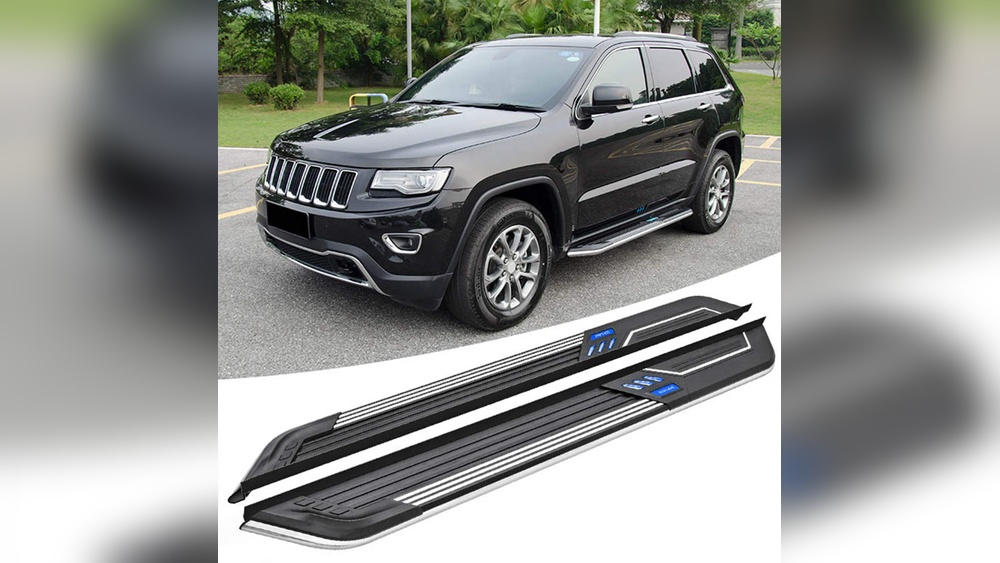
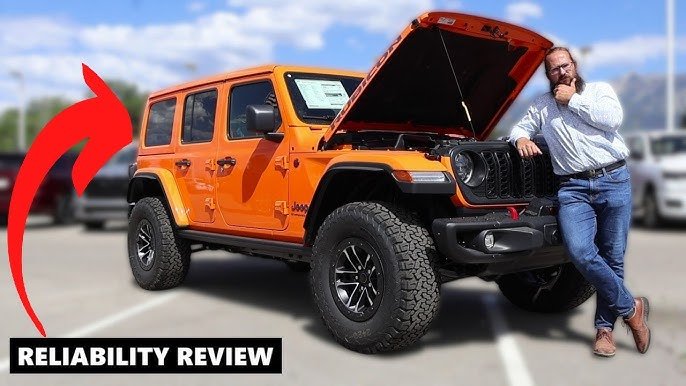
The Jeep Cherokee is a popular SUV known for its off-road capabilities and rugged design. Like any vehicle, it requires regular maintenance to ensure it runs smoothly and safely.
Among the critical components that often need attention are the front wheel bearings and the carriage bolts that secure various parts of the chassis and suspension. Understanding these parts, their functions, common issues, and maintenance procedures is vital for any Jeep Cherokee owner.
This guide will explore the intricacies of the front wheel bearings and carriage bolts, providing practical insights for maintenance and repair.
Understanding Jeep Cherokee Front Wheel Bearings
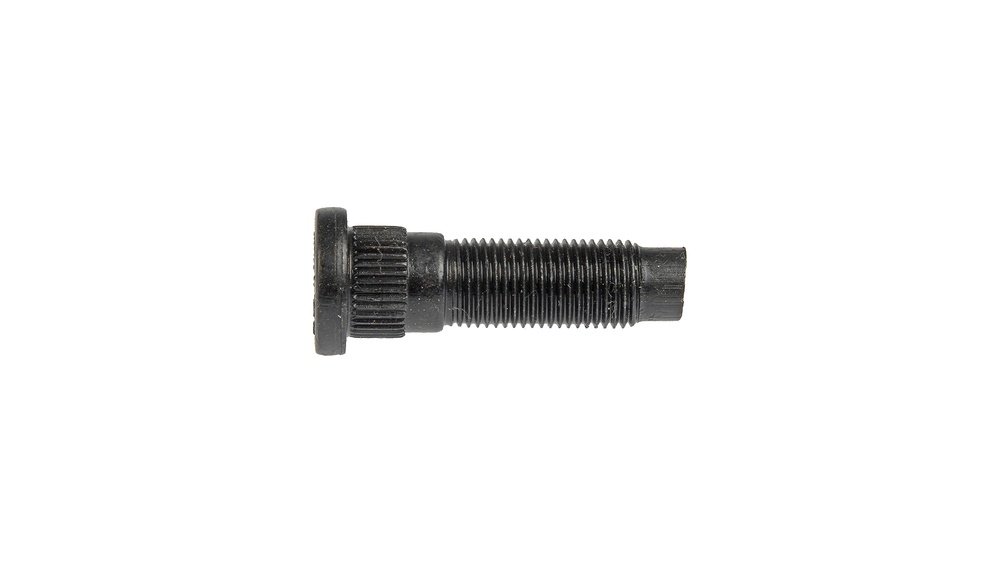
The front wheel bearing is a crucial component in your Jeep Cherokee’s drivetrain. Its primary job is to reduce friction between the wheel hub and the axle. This allows the wheels to rotate freely with minimal resistance, enabling smooth driving and efficient movement. Without a properly functioning wheel bearing, your Cherokee would struggle to roll, and driving would be noisy and difficult.
How Wheel Bearings Work
A wheel bearing is essentially a set of steel balls or rollers housed within a metal ring. These balls or rollers sit between two tracks, allowing the outer part of the bearing (which is attached to the wheel hub) to spin around the inner part (which is attached to the axle or steering knuckle). This design ensures that the wheel can turn smoothly while supporting the vehicle’s weight. In many modern vehicles, including most Jeep Cherokees, the front wheel bearings are integrated into a hub assembly. This means the bearing is pre-sealed and often difficult or impossible to service separately. If the bearing fails, the entire hub assembly usually needs to be replaced.
Signs Of Failing Front Wheel Bearings
Recognizing the symptoms of a failing wheel bearing is key to preventing more significant damage and ensuring safety. The most common signs include:
- Humming or Grinding Noise: This is often the first indication. The noise typically starts as a low hum and gets louder as you drive, especially when turning. It might sound like a jet engine or a constant grinding. The sound may change or disappear when you turn the steering wheel left or right, as this puts more or less pressure on the affected bearing.
- Loose Steering: If a wheel bearing is severely worn, it can create play in the wheel. This might result in a feeling of looseness or vagueness in the steering.
- Wobbling or Vibration: A worn bearing can cause the wheel to wobble or vibrate, especially at higher speeds. You might feel this vibration through the steering wheel or the floor of the vehicle.
- ABS or Traction Control Lights: Many Jeep Cherokees have Anti-lock Braking System (ABS) and traction control sensors integrated with the wheel hub. A failing wheel bearing can interfere with these sensors, causing the ABS or traction control warning lights to illuminate on your dashboard.
- Uneven Tire Wear: A damaged wheel bearing can cause the wheel to sit at an improper angle, leading to accelerated and uneven wear on the tire.
Common Causes Of Wheel Bearing Failure
Wheel bearings are designed to last for many thousands of miles, but they can fail prematurely due to several factors:
- Age and Mileage: Like any mechanical part, wheel bearings wear out over time.
- Impacts: Hitting potholes, curbs, or other road debris can shock the bearing and cause damage.
- Water and Debris Intrusion: If the seals on the bearing fail, water, dirt, or salt can get inside, causing corrosion and rapid wear. This is particularly common in areas with harsh winters or off-roading.
- Improper Installation: If a wheel bearing or hub assembly is not installed correctly, it can lead to premature failure.
- Overloading: Consistently carrying heavy loads can put extra stress on the wheel bearings.
Replacing Jeep Cherokee Front Wheel Bearings
Replacing a front wheel bearing on a Jeep Cherokee, especially one with an integrated hub assembly, is a moderately difficult DIY task or a common repair job for a mechanic. The process typically involves:
- Lifting the Vehicle and Removing the Wheel: Safely jack up the front of your Cherokee and remove the tire.
- Removing Brake Components: You’ll need to remove the brake caliper and rotor to access the hub.
- Disconnecting Sensors: Carefully disconnect any ABS or speed sensors attached to the hub assembly.
- Removing the Hub Assembly: This usually involves removing several large bolts that attach the hub to the steering knuckle.
- Installing the New Hub Assembly: Bolt the new hub assembly into place, ensuring all bolts are torqued to the manufacturer’s specifications.
- Reassembling Brake Components and Wheel: Reinstall the brake rotor, caliper, and wheel.
- Final Checks: Lower the vehicle and double-check all connections and torque settings.
Pro Tip: Always replace wheel bearings in pairs. If one side fails, the other is likely not far behind. This saves you from having to do the job again soon.
The Role Of Carriage Bolts In Your Jeep Cherokee
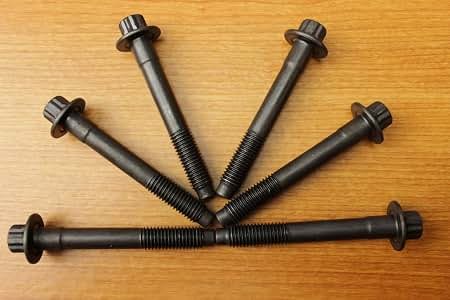
Carriage bolts are a specific type of fastener characterized by their smooth, rounded head and a square section just below the head. This square section is designed to dig into the material it’s fastened to, preventing the bolt from turning when the nut is tightened.
In a Jeep Cherokee, carriage bolts are used in various applications, often where a smooth, snag-free exterior is desired or where a bolt needs to be held securely without access to the head.
Where You’ll Find Carriage Bolts
Jeep Cherokees utilize carriage bolts in several key areas:
- Body Mounts: They are often used to attach the vehicle’s body to the frame, providing a strong and secure connection.
- Suspension Components: Some parts of the suspension system, like brackets or subframes, might use carriage bolts to ensure stability and prevent loosening.
- Interior Trim and Accessories: In some cases, carriage bolts might be found securing interior panels, seat brackets, or aftermarket accessories where a clean finish is important.
- Skid Plates and Underbody Protection: When installing or securing skid plates, carriage bolts are frequently employed because the square neck can be held in place from one side while the nut is tightened on the other, often in tight or awkward spaces.
Why Carriage Bolts Are Used
The unique design of a carriage bolt offers specific advantages:
- Anti-Rotation: The square neck is the primary benefit. When inserted into a square hole or a slightly undersized round hole, it bites into the material and locks the bolt in place. This is invaluable in applications where you can only access one side of the fastener, such as when mounting a bracket to a frame.
- Smooth Exterior Finish: The domed, smooth head provides a clean, snag-free surface. This is important for body panels to prevent injury or damage to anything that might brush against them.
- Security: Because the head doesn’t have slots or external drive features that can be easily turned with a tool, carriage bolts offer a degree of tamper resistance.
Common Issues With Carriage Bolts
While robust, carriage bolts can encounter problems over time, especially in a vehicle like the Jeep Cherokee that is often exposed to harsh elements:
- Corrosion and Rust: Like any metal fastener, carriage bolts can rust, especially if exposed to moisture, salt, or mud. This can make them difficult to remove. The square neck is particularly susceptible to rust, which can compromise its ability to lock.
- Stripped Square Neck: If the bolt is over-tightened or rusted, the square neck can become rounded off, losing its ability to prevent rotation.
- Damaged Heads: While smooth, the heads can still be damaged by impact or improper tool use, making removal challenging.
- Overtightening: Applying too much force can stretch or break the bolt, or damage the surrounding material.
Replacing And Maintaining Carriage Bolts
When it comes to carriage bolts, maintenance usually involves ensuring they are tight and free from excessive rust. Replacement is typically only needed if a bolt is damaged or corroded beyond usability.
- Removal: If a carriage bolt is rusted, penetrating oil is your best friend. Apply it generously and let it soak in. Sometimes, gentle tapping with a hammer on the head or nut can help break the rust bond. If the square neck strips, you might need to use locking pliers or even cut the bolt off.
- Installation: When installing new carriage bolts, ensure you use the correct size and grade. For applications like body mounts or skid plates, it’s often recommended to use stainless steel or corrosion-resistant coated bolts to prevent future rust issues. Always tighten them to the manufacturer’s specified torque. For body mounts, it’s crucial to ensure the body is properly aligned before tightening to avoid stress on the frame and body.
Example: When reinstalling a skid plate on your Jeep Cherokee, you’ll likely use carriage bolts. Insert the bolt through the designated holes in the skid plate and the frame. The square neck will seat into the frame, holding the bolt steady while you thread the nut onto the other end. Tightening the nut will pull the skid plate snugly against the frame.
Maintenance And Troubleshooting Tips
Proper maintenance of both front wheel bearings and carriage bolts will extend the life of your Jeep Cherokee and prevent costly repairs.
Wheel Bearing Maintenance
- Listen for Noises: Regularly pay attention to any unusual sounds coming from your wheels, especially humming or grinding noises that change with speed or turning.
- Inspect for Play: Periodically (e.g., during tire rotations), check for any looseness in the wheel by trying to wiggle it at the 12 and 6 o’clock positions and the 3 and 9 o’clock positions (with the vehicle off and parking brake engaged). Excessive play indicates a worn bearing.
- Address ABS/Traction Control Lights: If these lights illuminate, don’t ignore them. While it could be a sensor issue, it’s often related to a failing wheel bearing. Get it diagnosed promptly.
- Avoid Deep Water/Mud: If you frequently drive through deep water or mud, be aware that this can compromise the seals on your wheel bearings. Consider using marine-grade grease for lubrication if this is a common activity.
Carriage Bolt Maintenance
- Regular Inspection: When performing other maintenance, visually inspect accessible carriage bolts for signs of rust or damage.
- Lubrication: For bolts in critical areas like body mounts or suspension, a small amount of anti-seize compound applied to the threads (not the square neck) can help prevent seizing due to rust.
- Torque Checks: If you’ve had suspension work done or removed body panels, ensure the relevant carriage bolts have been tightened to the correct torque specifications.
When To Call A Professional
While some maintenance tasks are DIY-friendly, certain situations warrant professional help:
- Uncertainty: If you’re unsure about any aspect of the repair or maintenance process, it’s always safer to consult a qualified mechanic.
- Specialized Tools: Some wheel bearing and hub replacement procedures require specialized tools that most home mechanics don’t have.
- Severe Rust: If carriage bolts are severely rusted and stuck, a mechanic has the experience and tools to remove them without causing further damage to your Jeep.
- Complex Suspension Work: Work on suspension components can be safety-critical. If you’re not comfortable with these tasks, leave them to the experts.
Comparing Wheel Bearing And Hub Assemblies
For Jeep Cherokees, especially newer models, the wheel bearing is typically integrated into a hub assembly. This design simplifies manufacturing and installation but means that if the bearing fails, the entire assembly is usually replaced.
Here’s a look at the differences and considerations:
| Feature | Separate Wheel Bearing (Older Designs) | Integrated Hub Assembly (Common on Modern Cherokees) |
|---|---|---|
| **Components** | Bearing, races, seals (often serviceable) | Bearing, hub, sometimes ABS sensor (all one unit) |
| **Serviceability** | Can sometimes be replaced individually | Usually replaced as a complete unit |
| **Installation** | Can be more complex, requires pressing | Generally simpler, bolts directly to knuckle |
| **Cost (Part)** | Lower | Higher |
| **Cost (Labor)** | Potentially higher due to pressing | Potentially lower due to simpler bolt-on |
| **Failure Mode** | Bearing wears out | Bearing wears out, or hub/sensor fails |
| **Troubleshooting** | Can isolate bearing noise | Noise often points to the entire assembly |
When diagnosing a wheel bearing issue on a Jeep Cherokee, mechanics will often focus on replacing the entire hub assembly if a problem is detected. This is because the integrated nature of the bearing means that even if only the bearing itself is worn, the risk of damaging the hub or other components during a partial replacement is high, and the labor savings are often minimal.
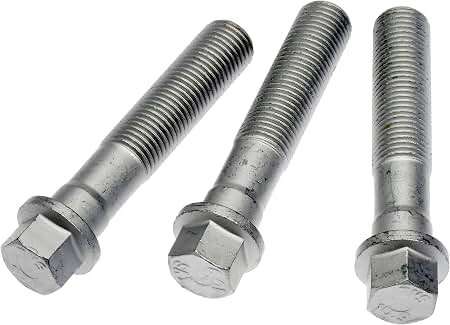
Understanding Bolt Grades And Materials
When replacing carriage bolts or any other fasteners on your Jeep Cherokee, understanding bolt grades and materials is important for ensuring strength and durability.
Bolt Grades
Bolt grades indicate the strength and load-bearing capacity of a bolt. They are typically marked on the bolt head.
The most common grading system in North America is the SAE system (e. g. , Grade 2, Grade 5, Grade 8).
- Grade 2: Basic strength, suitable for light-duty applications.
- Grade 5: Stronger, commonly used in automotive applications. Often marked with three radial lines on the head.
- Grade 8: Very high strength, used for critical load-bearing applications. Marked with six radial lines on the head.
For most automotive applications on a Jeep Cherokee, especially for suspension and chassis components, Grade 5 or Grade 8 bolts are typically specified. Always consult your Jeep’s service manual for the correct grade.
Materials
- Steel: The most common material for bolts. Can be hardened and plated for increased strength and corrosion resistance.
- Stainless Steel: Offers excellent corrosion resistance, making it ideal for exterior applications or areas exposed to moisture and salt. While strong, it may not always match the tensile strength of a high-grade alloy steel bolt.
- Coated Bolts: Many automotive bolts are coated (e.g., zinc-plated, cadmium-plated) to provide a layer of corrosion protection.
For carriage bolts, especially those used in body mounts or skid plates, opting for stainless steel or high-quality coated steel bolts is a wise investment to combat rust and ensure longevity.
Specific Bolt Locations And Considerations For Jeep Cherokee Models
While the general principles apply across different Jeep Cherokee generations (XJ, KJ, KK, KL), specific bolt locations and types can vary. It’s always best to refer to the official service manual for your particular year and model. However, some common areas and considerations include: