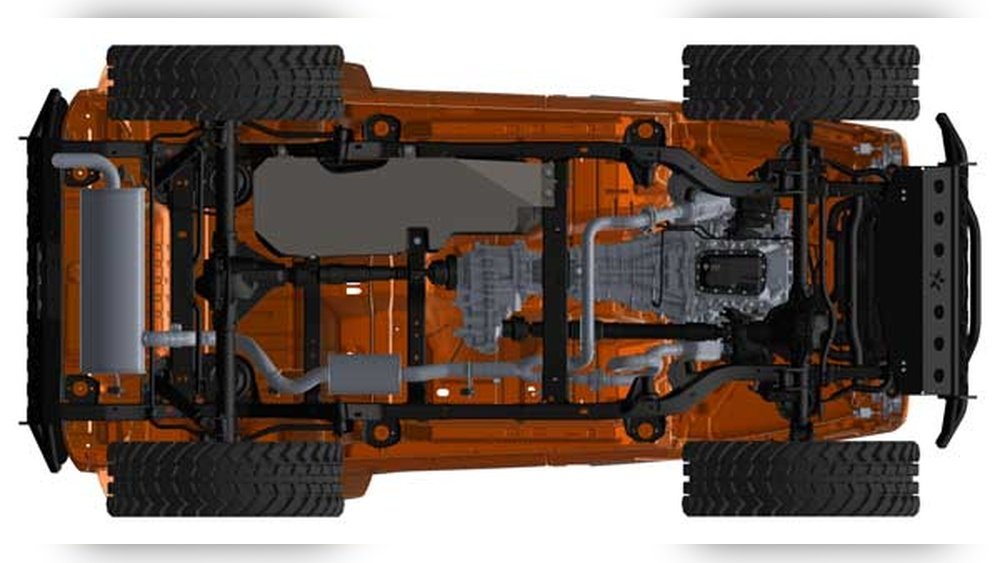
If you take your Jeep JK 4 Door off-road, you know how quickly rough terrain can put your vehicle at risk. The fuel tank sits in a vulnerable spot under the Jeep—just behind the rear axle. One sharp rock, log, or hard landing can dent or puncture the tank, leading to expensive repairs or even leaving you stranded. That’s why a fuel tank skid plate is one of the smartest upgrades for any serious JK owner. But which skid plate is right for you, and what should you know before installing one? Let’s break down the essentials and review four popular options, so you can protect your rig with confidence.
Why A Fuel Tank Skid Plate Matters
Your fuel tank is made from relatively thin metal or plastic. On the trail, debris, rocks, and stumps can easily hit this area. One good impact can crack the tank or damage the lines, causing leaks and dangerous situations. Even paved roads aren’t always safe—road debris or deep potholes can do their own damage.
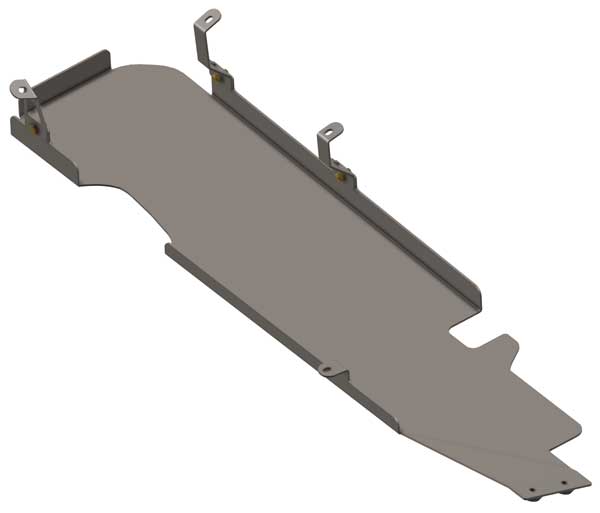
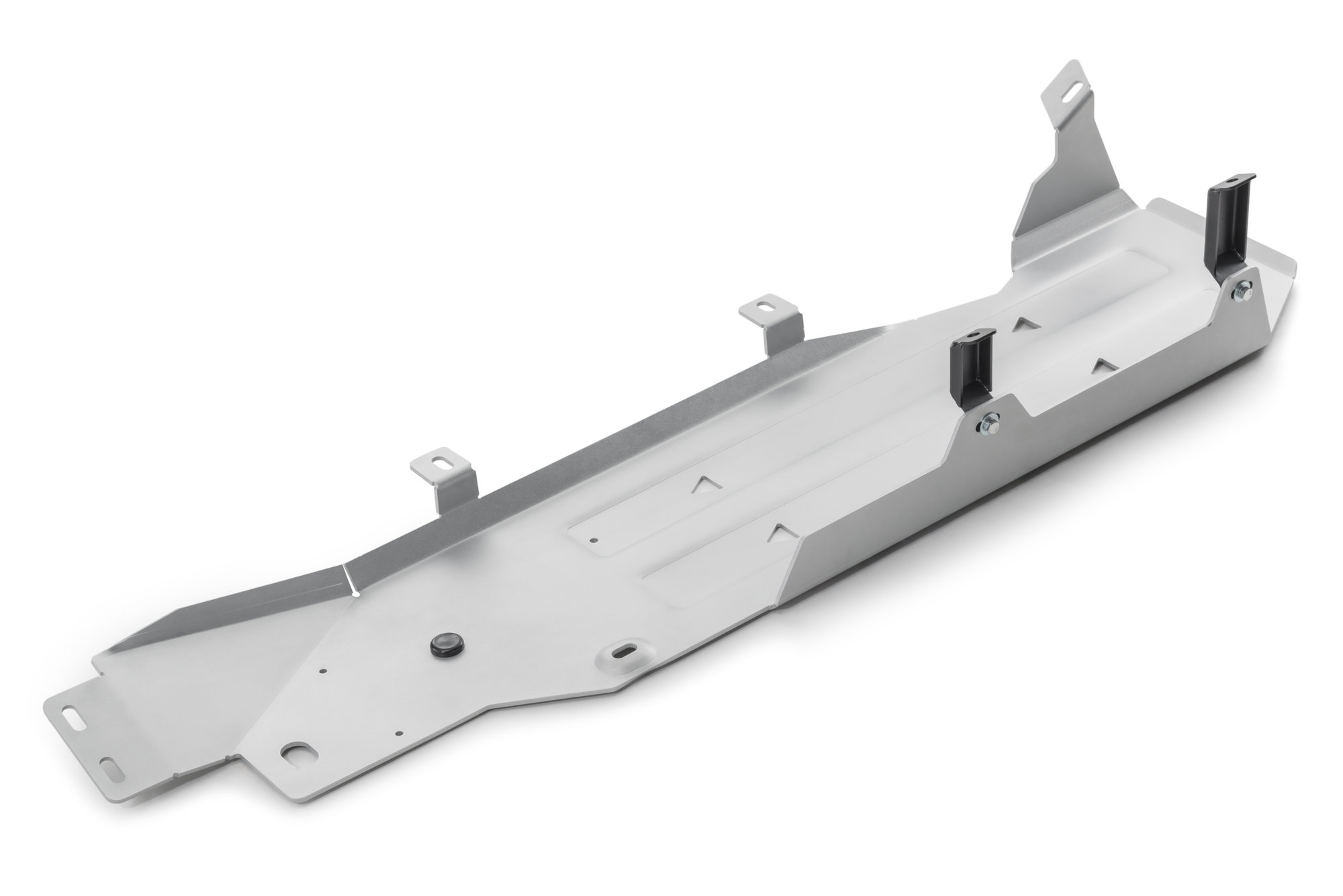
Installing a skid plate gives your fuel tank a solid shield. Most skid plates are made from thick steel or aluminum and designed to absorb or deflect impacts. This upgrade is essential for:
- Off-roaders who frequent rocky, uneven terrain
- Jeep owners living in areas with rough roads or winter debris
- Anyone wanting to avoid costly fuel tank repairs
But not all skid plates are the same. Let’s look closer at what makes a good one.
Key Factors To Consider
When choosing a fuel tank skid plate for your Jeep JK 4 Door, keep these factors in mind:
- Material strength – Steel offers maximum protection but adds weight. Aluminum is lighter but can bend under severe impacts.
- Coverage area – Some skid plates only protect the bottom, while others wrap up the sides.
- Ease of installation – Bolt-on options are easier for DIY, while weld-on plates may be stronger but require professional help.
- Ground clearance – A thick or poorly designed skid plate can reduce clearance, making it easier to get hung up.
- Corrosion resistance – Powder coating or galvanized finishes help prevent rust.
Below, we’ll examine four top-rated fuel tank skid plates for the Jeep JK 4 Door, each with its own strengths.
1. Mopar Jeep Jk 4 Door Fuel Tank Skid Plate
Mopar is the original parts supplier for Jeep, so their skid plate is designed to fit your JK perfectly. Made from heavy-duty steel, this plate often comes standard on Rubicon models but can be added to other trims.
- Material: 3/16″ steel
- Finish: Black powder coat for corrosion resistance
- Coverage: Full bottom and partial side protection
Strengths: Factory fit and finish means there’s no need for modification. The Mopar plate is tested by Jeep engineers, so you can trust its durability. It bolts to factory mounting points using existing hardware, making installation simple for most owners.
Limitations: While very strong, this plate is heavier than aluminum options and may rust if the powder coating is damaged. It’s also one of the more expensive choices, but it’s hard to beat for fit.
Pro tip: If you already have a factory skid, check for dents or rust before hitting challenging trails. Even factory skids can get damaged and may need replacement after hard use.
2. Rugged Ridge Fuel Tank Skid Plate
The Rugged Ridge skid plate is a popular aftermarket choice, known for its balance of protection and affordability. It’s engineered for the Jeep JK 4 Door, offering a solid shield without breaking the bank.
- Material: 3/16″ stamped steel
- Finish: Black powder coat
- Coverage: Bottom and side coverage
Strengths: The Rugged Ridge plate uses a simple bolt-on design that fits most JK 4 Door models. It’s lighter than some factory plates but still offers excellent strength for moderate to hard trails. The cost is usually lower than OEM or premium brands, making it good for budget-minded owners.
Limitations: Some users report needing to slightly adjust the fit, especially if their Jeep has aftermarket exhaust or suspension changes. The powder coating is durable but can chip under extreme impacts.
Non-obvious insight: Before installing, always check the compatibility with your Jeep’s year and trim. Some 2 Door JKs have different mounting points and require a different part number.
3. Arb 4×4 Accessories Fuel Tank Skid Plate
ARB is known for high-quality off-road gear, and their fuel tank skid plate is built for serious abuse. It’s made from press-formed and laser-cut steel for maximum strength and a precise fit.
- Material: 4mm steel (about 0.16”)
- Finish: Red powder coat for extra visibility and rust protection
- Coverage: Extensive—bottom, sides, and rear edge
Strengths: The ARB plate is designed for the harshest conditions. Its thick steel resists bending, and the full wrap coverage protects not just the bottom, but also the vulnerable sides and rear corners of the tank. The red finish is not just for looks—it makes it easier to spot leaks or damage during inspections.
Limitations: The extra coverage and thick steel mean this is one of the heaviest options. It may slightly reduce ground clearance, especially on lifted or heavily loaded Jeeps. Installation is straightforward but may require a helper because of the weight.
Pro tip: If you run larger tires or often crawl over big rocks, the extra coverage can save you from a tank puncture that cheaper plates might miss.
4. Rock Hard 4×4 Fuel Tank Skid Plate
Rock Hard 4×4 products are designed by off-roaders for off-roaders. Their fuel tank skid plate for the JK 4 Door is built with real-world abuse in mind, using thick steel and smart bracing.
- Material: 3/16″ steel with internal bracing
- Finish: Textured black powder coat
- Coverage: Full bottom and critical side protection
Strengths: What sets Rock Hard apart is the use of internal bracing. This design helps the plate resist bending even after heavy impacts. The powder coat is thicker than many competitors, which helps fight rust. Installation uses existing mounting holes, and detailed instructions make DIY possible for most owners.
Limitations: The heavy-duty design adds noticeable weight to the rear of the Jeep. If you’re concerned about fuel economy, this could matter. It’s also priced at the higher end, but you get serious protection for the cost.
Non-obvious insight: Don’t ignore the factory crossmember or mounting brackets—these can bend during a hard hit, so inspect them regularly if you off-road often.

Comparison: Top 4 Fuel Tank Skid Plates
To help you see the differences at a glance, here’s a quick comparison:
| Brand | Material | Coverage | Finish | Approx. Weight | DIY Friendly |
|---|---|---|---|---|---|
| Mopar | 3/16″ Steel | Bottom + Partial Sides | Black Powder Coat | ~45 lbs | Yes |
| Rugged Ridge | 3/16″ Stamped Steel | Bottom + Sides | Black Powder Coat | ~40 lbs | Yes |
| ARB | 4mm Steel | Bottom + Sides + Rear | Red Powder Coat | ~55 lbs | Yes (Heavy) |
| Rock Hard 4×4 | 3/16″ Steel + Bracing | Bottom + Critical Sides | Textured Black Powder | ~50 lbs | Yes |
Installation Tips And Common Mistakes
Installing a fuel tank skid plate is usually a bolt-on job, but a few details can make the process go smoother and safer:
- Empty your gas tank first. A full tank adds weight, making it harder to align the skid plate and increasing the risk of dropping tools onto the tank.
- Use a jack or helper. Some plates are heavy and awkward to hold in place while bolting up.
- Check for factory skid plates. Some Jeeps come with a thin factory plate that must be removed first.
- Inspect mounting holes. Rust or debris can make it hard to thread bolts—clean or chase threads before starting.
- Tighten bolts evenly. Start all bolts by hand, then snug them up gradually in a cross-pattern.
Common mistakes:
- Forgetting to re-torque bolts after a few hundred miles—skid plates settle and can loosen.
- Over-tightening bolts and stripping threads.
- Not checking for exhaust or suspension clearance. Some plates may touch aftermarket parts.
Real-world Examples: Skid Plate Damage And Protection
Let’s look at two scenarios to see why a skid plate matters:
Scenario 1: A Jeep JK owner tackles the Rubicon Trail. Without a skid plate, a large rock hits the rear of the fuel tank. The plastic tank cracks, leaking gas and ending the trip early. Repairs cost over $1,000, not including the tow.
Scenario 2: Another JK owner has a Rock Hard 4×4 plate. The same rock hits, but the impact is absorbed by the steel plate. The Jeep continues the trail with only scratches on the plate. No leaks, no repairs needed.
Data: According to off-road forums, nearly 1 in 5 Jeep JK owners report at least one serious fuel tank scrape or dent after a year of moderate off-roading. Plates with side coverage reduce punctures by more than 80% compared to no plate.
Skid Plate Weight Vs. Protection
Many Jeep owners worry about adding weight. Heavier plates protect better but can slightly lower fuel economy and rear suspension travel. Here’s a quick look:
| Plate Weight | Protection Level | Effect on MPG |
|---|---|---|
| Under 30 lbs | Low (thin aluminum) | Negligible |
| 40-50 lbs | High (thick steel) | -0.2 to -0.4 MPG |
| Over 55 lbs | Very High (full wrap) | -0.5 MPG or more |
Advice: For daily drivers who off-road occasionally, a mid-weight plate is a good balance. Hardcore rock crawlers should not compromise on strength.
Maintenance And Inspection
A fuel tank skid plate is not install-and-forget. Regular checks keep it working:
- Inspect after every off-road trip for dents, deep scratches, or rust.
- Touch up paint if you see bare metal to prevent rust.
- Check mounting bolts for tightness every oil change.
- If you notice decreased ground clearance, check that the plate hasn’t bent upwards.
Non-obvious tip: After deep water crossings, spray the skid plate and mounting area to wash away mud and salt, which can cause hidden corrosion.
Cost Breakdown
Prices for quality Jeep JK 4 Door fuel tank skid plates range from $200 to $600, depending on brand and features. Here’s a cost snapshot:
| Brand | Average Price | Warranty | Where to Buy |
|---|---|---|---|
| Mopar | $400 – $500 | 1 Year | Dealerships, Online Retailers |
| Rugged Ridge | $250 – $350 | 5 Years | Aftermarket Parts Stores |
| ARB | $500 – $600 | 2 Years | ARB Dealers |
| Rock Hard 4×4 | $450 – $550 | Lifetime | Direct, Off-road Retailers |
Tip: Buy from authorized dealers for warranty support. Used skid plates can save money but check for hidden damage.
The Bottom Line
A fuel tank skid plate is one of the smartest investments for your Jeep JK 4 Door if you value off-road capability and reliability. From factory-fit Mopar to premium ARB and Rock Hard options, there’s a solution for every budget and need. Don’t wait for a puncture to ruin your adventure—protect your tank, and you’ll drive with more confidence on every trail.
For more technical details and Jeep JK specifications, you can check the official Jeep website.
Frequently Asked Questions
What Does A Fuel Tank Skid Plate Do?
A fuel tank skid plate protects your tank from rocks, debris, and impacts on or off the road. It acts as a shield, preventing dents, cracks, and leaks that can lead to breakdowns or expensive repairs.
Is Installation Easy For Beginners?
Most skid plates are designed for bolt-on installation using basic tools. However, the plates can be heavy, so a helper or jack is recommended. Always follow the included instructions and check for any model-specific notes.
Will A Skid Plate Affect My Gas Mileage?
Adding a steel skid plate increases weight by 40–55 lbs. This may reduce gas mileage by about 0.2 to 0.5 MPG, depending on driving habits and terrain. For most Jeep owners, this is a small trade-off for extra protection.
How Often Should I Inspect My Skid Plate?
Check your skid plate after every off-road trip and at every oil change. Look for dents, deep scratches, rust, and loose bolts. Regular checks prevent small problems from becoming big ones.
Which Is Better: Steel Or Aluminum Skid Plate?
Steel skid plates offer the best protection and are more common for the Jeep JK 4 Door. Aluminum is lighter but can bend under severe impacts. For serious off-roading, steel is usually the better choice.