If your Jeep Grand Cherokee is showing the “Service Tire Pressure System” warning, you might be wondering what it means and how to fix it. This alert is your vehicle’s way of telling you that the Tire Pressure Monitoring System (TPMS) needs attention.
Ignoring this message could lead to uneven tire wear, reduced fuel efficiency, or even unsafe driving conditions. You’ll learn why this warning appears, how to check your tire pressures properly, and what steps to take to reset or repair the system.
Keep reading to make sure your Jeep stays safe and performs at its best on the roads around Austin, Texas, and beyond.
Tire Pressure System Basics
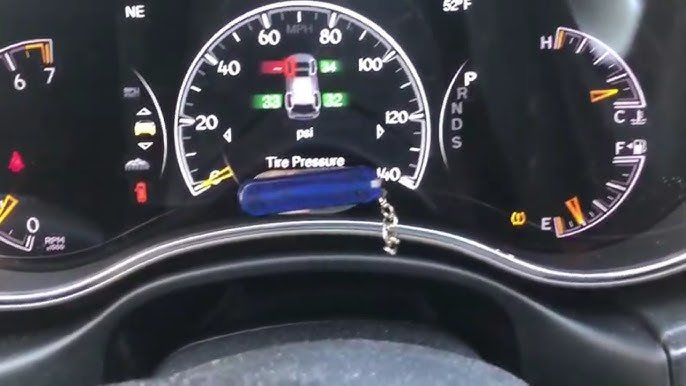
The tire pressure system in your Jeep Grand Cherokee helps keep your tires properly inflated. Proper tire pressure improves safety, fuel efficiency, and tire life. The system monitors the air pressure inside each tire and alerts you if any tire is underinflated or overinflated.
Understanding how this system works and what alerts it gives can help you maintain your vehicle better. This knowledge helps you respond quickly to any tire pressure issues and avoid bigger problems.
How Tpms Works
The Tire Pressure Monitoring System (TPMS) uses sensors inside each tire. These sensors measure the air pressure and send data to the vehicle’s computer.
If the pressure falls below or rises above the recommended level, the system triggers a warning light on your dashboard.
The sensors communicate wirelessly, giving real-time updates on tire pressure. Some models include the spare tire sensor to monitor its pressure as well.
The system helps you keep all tires at the best pressure for safe driving.
Common Tpms Alerts
The most common alert is the low tire pressure warning light. It means one or more tires need air.
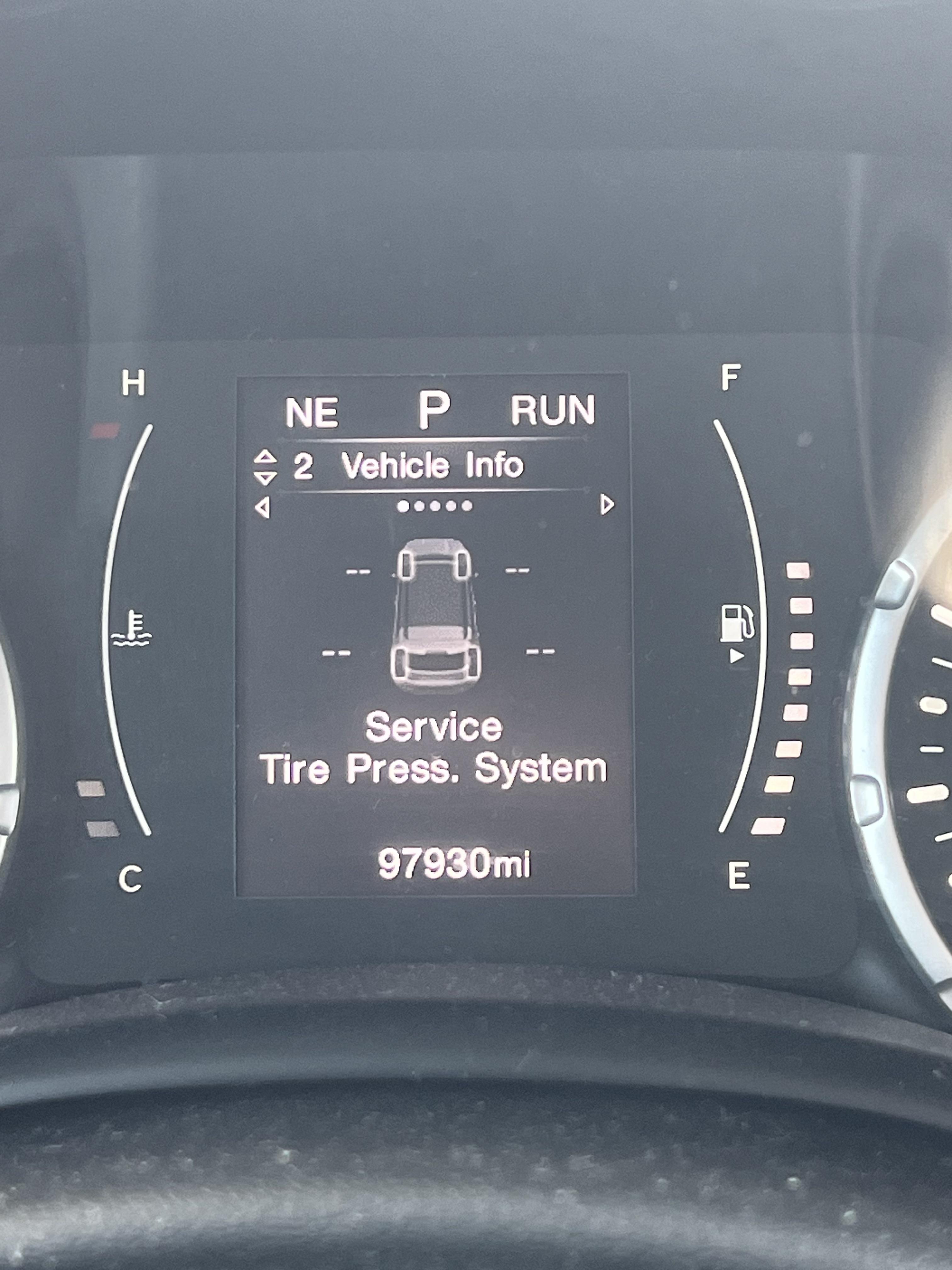
Sometimes, the light may flash or show dashes, indicating a sensor is not working or communicating properly.
A “Service Tire Pressure System” message means the system needs attention. This can happen if a sensor battery dies, sensors get damaged during tire changes, or the system detects a fault.
Addressing these alerts quickly keeps your Jeep running safely.

Reasons For Service Tire Pressure System Message
The “Service Tire Pressure System” message in your Jeep Grand Cherokee signals a problem with the tire pressure monitoring system (TPMS). This system keeps track of your tire pressure and alerts you about any issues. Several reasons cause this warning to appear. Understanding these helps you fix the problem quickly and keep your vehicle safe.
Sensor Communication Issues
Each tire has a sensor that sends pressure data to the vehicle’s computer. Sometimes, these sensors fail to communicate properly.
This can happen due to interference or a weak signal. When communication breaks, the system shows the service message.
The display may flash dashes or a warning for the affected tire.
Low Spare Tire Pressure
Many Jeep Grand Cherokees include a sensor in the full-size spare tire. If the spare tire’s pressure drops below the recommended level, the system detects it.
This triggers the service message, even if the main tires are fine. Checking and inflating the spare tire can clear the alert.
Sensor Battery Failure
TPMS sensors run on small batteries that last several years. Over time, the battery weakens or dies.
A dead battery means the sensor cannot send pressure data. This causes the “Service Tire Pressure System” message to appear.
Replacing the sensor or battery usually solves this issue.
Damage During Tire Service
Tire changes or repairs can damage TPMS sensors if handled carelessly. Sensors may break or become loose during mounting or balancing.
This damage stops the sensor from working correctly. After tire service, the system may warn you to check the sensors.
Always ask technicians to handle sensors with care.
Checking Tire Pressure On Jeep Grand Cherokee
Fixing the Tire Pressure Monitoring System (TPMS) warning on your Jeep Grand Cherokee often requires quick, simple steps. These steps help clear the alert without complex tools.
Follow the actions below to get your TPMS back in working order fast.
Inflate Tires To Recommended Psi
Check the sticker on the driver’s door for the right PSI. Use a tire pressure gauge to measure each tire.
Inflate all tires to match the recommended PSI exactly. Low tire pressure is the most common reason for the TPMS light.
Driving To Reset Tpms Light
After inflating the tires, drive your Jeep for about 10 to 15 minutes. Keep your speed steady above 30 mph.
This helps the TPMS sensors reset and sends updated pressure data to the system. The warning light should turn off after the drive.
Battery Reset Via Disconnecting Positive Terminal
Turn off the engine and open the hood. Use a wrench to disconnect the positive battery terminal.
Wait about 10 minutes before reconnecting it. This resets the vehicle’s computer and can clear TPMS errors.
Start the Jeep and check if the light is off.

Conclusion
Keeping your Jeep Grand Cherokee’s tire pressure system in good shape ensures safer driving. Regularly check all tires, including the spare, for proper inflation.
Use the vehicle’s display to monitor each tire’s pressure easily. Address any warning lights promptly to avoid potential issues.
If sensors fail, visit a trusted mechanic to replace and reset them. Taking these simple steps helps maintain your Jeep’s performance and your peace of mind on the road.