If you’re seeing the Jeep Grand Cherokee P1391 code pop up, it means your engine isn’t getting the right signals from key sensors. This can cause your Jeep to misfire, hesitate, or even struggle to start.
You might feel a rough ride, experience long crank times, or notice your engine bucking under load. Don’t ignore these signs, your vehicle’s performance and reliability depend on fixing this issue quickly. You’ll discover what triggers the P1391 code, how to spot the symptoms, and the best steps to get your Grand Cherokee running smoothly again.
Keep reading, because understanding this code could save you time and money on repairs.
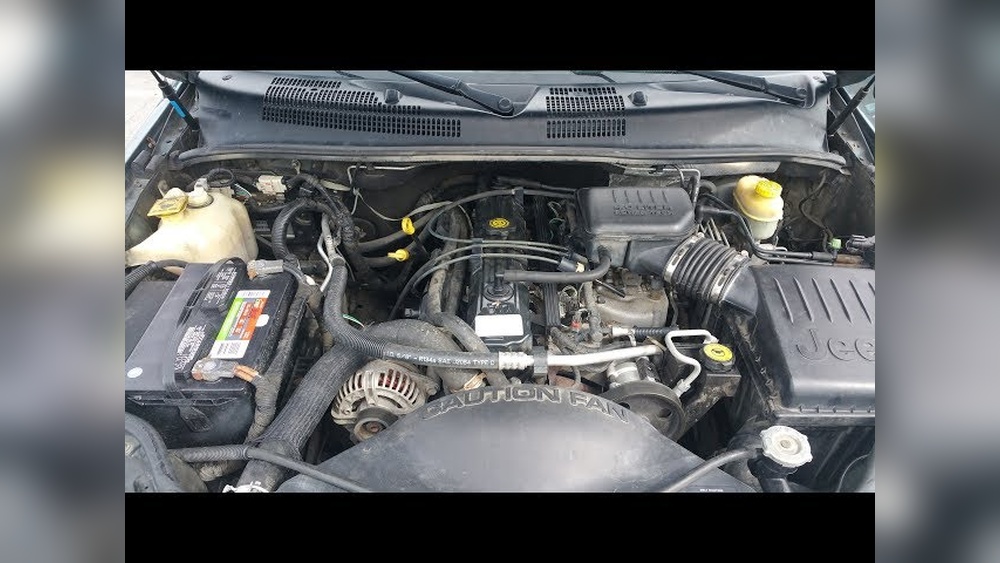
Symptoms Of P1391 Code
The P1391 code in a Jeep Grand Cherokee signals an issue with the camshaft or crankshaft position sensor. This problem often causes noticeable symptoms that affect the vehicle’s performance. Understanding these signs helps identify the problem early and avoid further damage.
Common symptoms include difficulty starting the engine, engine misfires, and unusual engine behavior. These symptoms may appear suddenly or come and go, making diagnosis tricky without proper attention.
Intermittent No-start Issues
The Jeep may fail to start at times without warning. You might hear the engine crank but it won’t catch or fire up. This no-start condition can happen sporadically, confusing drivers and mechanics alike.
Sometimes the engine cranks for a long time before starting, or it may not start at all until the next try. This issue often points to a faulty sensor or wiring problem in the crankshaft or camshaft system.
Engine Misfires And Stumbling
The engine may misfire or stumble during acceleration or while cruising. This feels like the engine is hesitating or bucking. Misfires reduce power and can damage the catalytic converter over time.
Misfires occur because the engine timing signals are inconsistent or missing. The sensors send incorrect data to the engine control unit, causing poor fuel injection and spark timing.
Hard Starts And Long Crank Times
Starting the Jeep can become difficult, requiring multiple attempts. The engine may crank longer than usual before firing up. This delay frustrates drivers and wastes battery power.
Hard starts happen when the sensor signals are weak or erratic. The engine control unit struggles to determine the right moment to ignite the fuel-air mixture, leading to long crank times.

Common Causes
The Jeep Grand Cherokee P1391 code signals an issue with the crankshaft or camshaft position sensors. This code often leads to engine misfires, hard starts, or no-start conditions. Understanding the common causes helps in quick diagnosis and repair.
Several components might fail or malfunction, causing this code. These issues affect the engine’s timing and sensor signals, resulting in poor performance. Below are the most frequent reasons behind the P1391 error.
Faulty Crankshaft Or Camshaft Sensors
The crankshaft and camshaft sensors monitor engine position and speed. Faulty sensors can send incorrect or no signals to the engine control unit. This causes misfires and starting problems. Sensors wear out over time or get damaged by heat and vibration.
Wiring Harness Problems
Damaged wiring can interrupt signals between sensors and the engine control module. Wires may chafe, corrode, or short due to heat or engine movement. Loose or broken connections also cause intermittent sensor data loss. Inspecting and repairing the wiring is essential.
Timing Chain And Sensor Synchronization
The timing chain connects the crankshaft and camshaft, keeping them in sync. A stretched or worn chain can cause sensors to lose proper timing. This results in incorrect sensor readings and triggers the P1391 code. Proper timing chain maintenance prevents this issue.
Damaged Tone Or Reluctor Rings
Tone or reluctor rings provide reference signals for sensors by rotating with engine parts. Damage or debris on these rings can disrupt sensor signals. Cracks, missing teeth, or rust on the rings cause misreads. Checking and replacing damaged rings restores correct sensor input.
Testing Sensors
Testing sensors is key to diagnosing the P1391 code in your Jeep Grand Cherokee. Sensors like the crankshaft and camshaft position sensors tell the engine computer where parts are. Faulty signals from these sensors cause misfires and starting problems. Proper testing ensures you find the true cause and fix it correctly.
This section covers how to check the crankshaft and camshaft sensors. It also explains how to use a multimeter and scan tools. Follow these steps to test the sensors accurately and safely.
Checking The Crankshaft Position Sensor
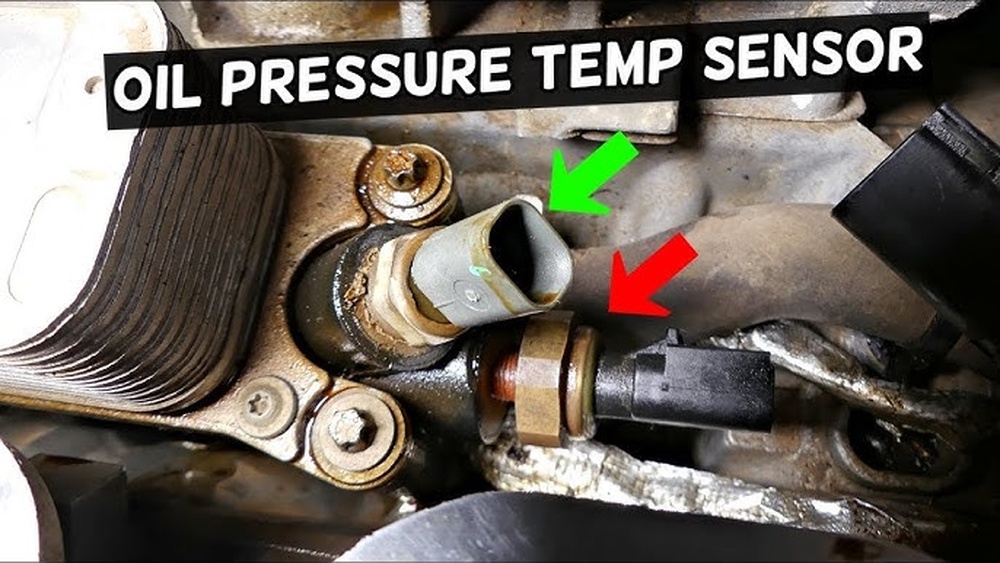
Start by locating the crankshaft position sensor near the engine’s crankshaft. Look for signs of damage or dirt on the sensor and wiring. Clean the sensor if dirty, but replace it if it shows cracks or corrosion.
Next, check the sensor’s electrical connector. Make sure it is tight and free of rust. Loose or corroded connections can cause signal loss and trigger code P1391.
Inspecting The Camshaft Position Sensor
The camshaft position sensor sits on the cylinder head near the camshaft. Inspect it for physical damage or oil leaks. Oil can cause the sensor to fail over time. Also, check the wiring harness for cuts or worn insulation.
Test the sensor’s mounting. It must be secure and aligned properly. A misaligned camshaft sensor can send wrong signals to the engine control module.
Using A Multimeter And Scan Tools
A digital multimeter helps measure the sensor’s resistance and voltage. Set the meter to the correct setting and follow the sensor’s specifications. Compare your readings with the Jeep’s service manual values.
Scan tools read live data from the sensors while the engine runs. Watch for erratic or no signal from the crankshaft or camshaft sensors. This data helps confirm sensor problems or wiring issues.
Using both tools together gives a complete sensor health check. This approach saves time and avoids unnecessary part replacements.
Inspecting Wiring And Connections
Inspecting wiring and connections is vital when diagnosing the Jeep Grand Cherokee P1391 code. Faulty wiring can cause intermittent sensor signals and engine issues. A thorough check helps find wiring faults or damage early. This can save time and money on repairs.
Tracing Wiring Harnesses
Start by locating the wiring harnesses connected to the camshaft and crankshaft sensors. Follow each wire carefully along its route. Check for any signs of wear or pinching. Use a wiring diagram to identify the correct wires. This method helps spot breaks or shorts that cause sensor errors.
Identifying Corrosion And Damage
Look closely at the connectors and wiring for corrosion or dirt build-up. Corrosion can block electrical signals. Inspect insulation for cracks or burns. Check for melted wires or exposed copper. Moisture or oil exposure often causes corrosion and damage. Cleaning or replacing corroded parts improves signal quality.
Repairing Or Replacing Wiring
Fix minor damage by cleaning connectors and applying dielectric grease. Replace frayed or broken wires with new ones of the same gauge. Use proper connectors and secure wiring harnesses to avoid movement. For severe damage, replace the entire wiring harness section. Good repairs ensure reliable sensor signals and better engine performance.
Fixing Timing And Sensor Alignment
Fixing timing and sensor alignment is essential for resolving Jeep Grand Cherokee P1391 issues. This process ensures the engine runs smoothly by syncing the camshaft and crankshaft sensors properly. Misalignment can cause misfires, hard starts, or no-start conditions. Accurate timing and sensor placement restore engine performance and prevent further damage.
Verifying Valve Timing
Start by checking the valve timing against factory specifications. Use a timing light or a mechanical gauge to inspect the camshaft and crankshaft positions. Incorrect valve timing causes sensor errors and engine misfires. Adjust timing marks carefully to align them properly. Proper valve timing ensures sensors send accurate signals to the engine control unit.
Adjusting Sensor Positions
Next, focus on the camshaft and crankshaft sensor positions. Sensors must be aligned to the tone rings or reluctor wheels. Loosen the sensor mounting bolts slightly to allow movement. Gently rotate sensors until the signal strength improves. Secure the bolts once the sensor position provides a stable reading. Proper sensor alignment prevents intermittent no-starts and misfires.
Addressing Timing Chain Stretch
Timing chain stretch causes sensor misalignment and affects engine timing. Inspect the timing chain for slack or wear signs. Replace the chain if it is loose or damaged. Installing a new timing chain restores correct camshaft and crankshaft synchronization. This fix reduces P1391 codes and improves engine reliability.
Replacing Components
Replacing components related to the Jeep Grand Cherokee P1391 code is important to restore engine performance. Faulty sensors often cause the error and need careful replacement. Understanding the types of sensors and the replacement process can save time and money. The focus lies on the crankshaft and camshaft position sensors, which play a vital role in engine timing.
Choosing Oem Vs Aftermarket Sensors
OEM sensors come directly from the vehicle manufacturer. They guarantee perfect fit and reliable function. Aftermarket sensors are often cheaper and widely available. Quality varies between brands, so research is essential. OEM parts usually last longer and maintain engine accuracy. Aftermarket parts may suit budget repairs but can cause future issues. Choose based on budget, urgency, and long-term plans.
Replacing The Crankshaft Position Sensor
Locate the sensor near the engine’s crankshaft pulley or flywheel. Disconnect the battery before starting. Remove electrical connectors carefully to avoid damage. Unscrew the mounting bolts holding the sensor in place. Install the new sensor by reversing removal steps. Ensure the sensor fits snugly and wiring is secure. Clear error codes using a scan tool after replacement.
Replacing The Camshaft Position Sensor
Find the camshaft sensor usually on the cylinder head. Disconnect the vehicle’s battery for safety. Remove any covers blocking sensor access. Unplug the electrical connector gently. Unscrew the sensor mounting bolts and take out the sensor. Insert the new sensor and tighten bolts firmly. Reattach the connector and covers. Reset the vehicle’s computer to clear fault codes.
Additional Checks
After addressing the P1391 code on your Jeep Grand Cherokee, performing additional checks ensures lasting repair success. These extra steps help catch hidden issues that may cause repeated problems. Careful inspection and testing improve your engine’s reliability and smooth operation. Focus on key components related to engine timing and ignition to prevent future errors.
Inspecting The Flywheel Or Flexplate
The flywheel or flexplate works closely with the crankshaft position sensor. Damage or wear on these parts can cause faulty signals. Look for cracks, missing teeth, or warping on the flexplate or flywheel surface. Also, check the mounting bolts for tightness and corrosion. Replace damaged components to restore proper sensor readings and engine timing.
Checking Spark Plugs And Fuel Injectors
Worn spark plugs can lead to misfires and rough starts similar to P1391 symptoms. Remove each plug and inspect for fouling or wear. Replace plugs if needed to ensure strong ignition. Fuel injectors must deliver fuel evenly. Use a fuel injector cleaner or have a professional test their spray pattern. Clean or replace clogged injectors to improve combustion.
Monitoring Engine Performance Post-repair
After repairs, watch your Jeep’s engine behavior closely. Listen for unusual noises or hesitation during acceleration. Use an OBD-II scanner to check for returning trouble codes. Observe fuel efficiency and idle smoothness. Early detection of new issues helps avoid costly repairs. Regular monitoring keeps your vehicle running at its best.

Diy Tips And Precautions
Tackling the Jeep Grand Cherokee P1391 code on your own can save time and money. Before starting, know the right steps to diagnose and fix the issue safely. Following simple tips and taking precautions makes the repair smoother. Understanding what tools to use, safety rules to follow, and when to call a professional is key.
Tools Needed For Diagnosis
Gather basic tools to diagnose the P1391 code effectively. You will need a digital multimeter to test sensor voltage and resistance. An OBD-II scanner helps read and clear trouble codes. Basic hand tools like screwdrivers and socket sets are necessary to access sensors. A flashlight and safety gloves improve visibility and protect your hands. Having these tools ready speeds up the process.
Safety Measures During Repairs
Always disconnect the vehicle battery before starting repairs. This prevents electrical shocks and shorts. Work in a well-ventilated area to avoid inhaling fumes. Use gloves to protect your skin from sharp parts and chemicals. Keep loose clothing and hair away from moving engine parts. Never work on a hot engine; wait until it cools down. Follow these steps to stay safe.
When To Seek Professional Help
Some problems require expert attention. If you cannot locate the sensor or wiring issue, ask for help. Complex engine timing or damaged tone rings may need special tools. Persistent or unclear symptoms also call for a mechanic. Avoid guessing repairs that can cause more damage. Professionals have the right knowledge and equipment to fix the P1391 code correctly.
<!– wp:rank-math/faq-block {"questions":[{"id":"faq-question-15e6a457370c","title":"What Does A P1391 Code Mean?","content":"A P1391 code means the engine’s computer detects intermittent loss of crankshaft or camshaft position sensor signals. This causes misfires, hard starts, or no-start conditions.
nnnnCommon causes include faulty sensors, wiring issues, timing chain problems, or damaged tone rings. Repair involves inspecting wiring, sensor alignment, or sensor replacement.
“,”visible”:true},{“id”:”faq-question-a3ec8f0699f5″,”title”:”What Is P1391 Intermittent Loss Of Cmp Or Ckp?”,”content”:”P1391 indicates an intermittent loss of camshaft (CMP) or crankshaft (CKP) sensor signal. This causes engine misfires, hard starts, or no-start issues.
nnnnCommon causes include bad sensors, wiring problems, timing chain issues, or damaged tone rings. Inspect wiring, sensor alignment, and replace faulty sensors to fix it.
“,”visible”:true},{“id”:”faq-question-e47558d6d7e7″,”title”:”How Do You Test A Crankshaft Position Sensor On A Jeep?”,”content”:”To test a Jeep’s crankshaft position sensor, use a multimeter to check resistance and voltage. Inspect wiring for damage.
nnnnScan for error codes with an OBD-II scanner. Replace the sensor if readings are outside manufacturer specs.
“,”visible”:true},{“id”:”faq-question-dbbe5ae395fb”,”title”:”What Does Jeep Grand Cherokee P1391 Code Mean?”,”content”:”The P1391 code indicates a problem with the crankshaft or camshaft position sensor signal. It often causes misfires, hard starts, or intermittent no-starts in the Jeep Grand Cherokee.
“,”visible”:true}]} –>What Does A P1391 Code Mean?
A P1391 code means the engine’s computer detects intermittent loss of crankshaft or camshaft position sensor signals. This causes misfires, hard starts, or no-start conditions.
Common causes include faulty sensors, wiring issues, timing chain problems, or damaged tone rings. Repair involves inspecting wiring, sensor alignment, or sensor replacement.
What Is P1391 Intermittent Loss Of Cmp Or Ckp?
P1391 indicates an intermittent loss of camshaft (CMP) or crankshaft (CKP) sensor signal. This causes engine misfires, hard starts, or no-start issues.
Common causes include bad sensors, wiring problems, timing chain issues, or damaged tone rings. Inspect wiring, sensor alignment, and replace faulty sensors to fix it.
How Do You Test A Crankshaft Position Sensor On A Jeep?
To test a Jeep’s crankshaft position sensor, use a multimeter to check resistance and voltage. Inspect wiring for damage.
Scan for error codes with an OBD-II scanner. Replace the sensor if readings are outside manufacturer specs.
What Does Jeep Grand Cherokee P1391 Code Mean?
The P1391 code indicates a problem with the crankshaft or camshaft position sensor signal. It often causes misfires, hard starts, or intermittent no-starts in the Jeep Grand Cherokee.
Conclusion
The Jeep Grand Cherokee P1391 code points to sensor or wiring problems. These issues cause engine misfires and hard starts.
Checking sensors and wiring carefully helps find the cause. Replacing faulty parts can restore smooth engine function.
Regular maintenance prevents future errors and keeps your vehicle reliable.
Stay attentive to symptoms for safer driving and fewer breakdowns.