If your Jeep just threw a P2096 code, you might be wondering what it means and how it affects your ride. This trouble code signals that your engine is running too lean, which can cause rough idling, poor fuel economy, or even engine misfires.
But don’t worry you’re in the right place to get clear answers.
You’ll discover the common causes behind the P2096 code, how to spot the warning signs, and what steps you can take to fix it before it turns into a bigger problem.
Keep reading to protect your Jeep and keep it running smoothly.

What P2096 Means
The Jeep DTC P2096 code signals a lean condition in the exhaust system. This means the engine is running with too much air and not enough fuel.
A lean mixture can cause engine issues and trigger the check engine light.
Understanding this code helps identify problems in the fuel or exhaust system. It points to a problem with the post-catalytic converter oxygen sensor on bank 1.
This sensor monitors the exhaust gases after they pass through the catalytic converter.
Lean Condition Explained
A lean condition means more air than fuel reaches the engine. This can make the engine run hotter and less efficiently.
It may cause rough idling, misfires, or poor acceleration. The engine’s computer detects this imbalance through oxygen sensors.
Too much air can come from leaks in the exhaust or intake system. It may also result from fuel delivery problems.
When the engine runs lean, it risks damage from overheating or increased wear.
How The Code Triggers
The P2096 code triggers when the post-catalytic oxygen sensor detects lean exhaust gases. This sensor compares readings with the pre-catalytic sensor.
If the post sensor shows a lean condition for too long, the code sets.
Common causes include exhaust leaks, a failing catalytic converter, or bad oxygen sensors. Fuel system issues like clogged injectors can also cause lean conditions.
The engine control module stores this code to alert the driver.
Common Causes
The Jeep DTC P2096 code signals a lean condition in the post-catalytic converter oxygen sensor circuit. This means the engine runs with too much air and not enough fuel.
Several issues can cause this code to trigger. Identifying the common causes helps fix the problem quickly.
Here are the main reasons behind this error.
Exhaust Leaks
Exhaust leaks are a frequent cause of code P2096. Small cracks, loose flanges, or damaged gaskets allow extra air into the exhaust system.
This false air confuses the oxygen sensors, making the engine control unit think the mixture is too lean. Leaks near the engine or between the oxygen sensors are most common.
These leaks often cause rough idle and poor performance.
Faulty Oxygen Sensors
Oxygen sensors monitor the air-fuel ratio in the exhaust. If one sensor malfunctions, it sends wrong data to the engine computer.
A faulty downstream oxygen sensor can cause code P2096. Sensors wear out over time or get contaminated.
Replacing bad sensors restores accurate readings and smooth engine operation.
Clogged Catalytic Converter
A clogged catalytic converter restricts exhaust flow. It prevents proper chemical reactions that reduce emissions.
This blockage causes incorrect oxygen sensor readings. A failing converter leads to a lean condition and triggers the P2096 code.
Signs include reduced power, poor fuel economy, and a strong exhaust smell.
Engine Misfires
Engine misfires can cause lean conditions in the exhaust. When cylinders misfire, unburned fuel enters the exhaust system.
This disrupts the oxygen sensor signals. Misfires may result from spark plug problems, ignition coil faults, or fuel delivery issues.
Fixing misfires often clears the P2096 error code.
Symptoms To Watch For
The Jeep DTC P2096 code signals a lean condition in the exhaust system. It means the engine is getting too much air or not enough fuel.
This issue causes several noticeable symptoms. Recognizing these early signs helps avoid bigger problems.
Watch for these common symptoms. They often point to the P2096 trouble code.
Acting fast can save time and money on repairs.
Check Engine Light
The most obvious sign is the check engine light. It usually turns on when the engine control unit detects a lean mixture.
The light may blink or stay solid. Either way, it means a problem needs attention.
Rough Idle
The engine may run unevenly at idle. You might feel vibrations or shaking inside the vehicle.
This rough idle happens because the fuel-air mix is off balance. The engine struggles to stay smooth and steady.
Poor Fuel Economy
Fuel efficiency drops noticeably with this code. Your Jeep might use more gas than normal.
The engine tries to compensate for the lean condition. This wastes fuel and reduces mileage per tank.
Hissing Noises
Hissing sounds during acceleration often indicate an exhaust leak. Air escapes through cracks or loose parts in the exhaust system.
These leaks cause the engine to read wrong oxygen levels. The P2096 code often follows this noise.
Diagnosing The Problem
Diagnosing Jeep DTC P2096 involves careful checks to identify the root cause. This code points to a lean condition in the exhaust system.
Finding the exact problem requires some tools and attention to detail. Start by gathering basic diagnostic equipment and preparing for a step-by-step inspection.
Using An Obd-ii Scanner
An OBD-II scanner reads trouble codes from your Jeep’s computer. Connect the scanner to the port under the dashboard. It shows code P2096 and any related codes. This helps confirm the lean exhaust condition. Some scanners also display live data from oxygen sensors. Watch sensor readings to see if they fluctuate abnormally. This step saves time and guides the next checks.
Visual Inspection Tips
Look closely at the exhaust system and engine bay. Check for broken or loose parts around the exhaust pipes.
Inspect gaskets and flanges for cracks or damage. These can allow extra air into the system.
Examine wiring and connectors near oxygen sensors. Damaged wires can cause incorrect sensor signals.
Clean any dirt or corrosion found on connectors. A good visual inspection reveals many common issues.
Testing Oxygen Sensors
Oxygen sensors measure oxygen in exhaust gases. Use a multimeter or scan tool to test sensor voltage and response time.
Sensors should show fast switching between low and high voltage. Slow or no response indicates a faulty sensor.
Replace sensors that fail these tests. Clean sensors might improve performance but do not ignore sensor replacement if needed.
Proper sensor function is critical for fuel control.
Checking For Exhaust Leaks
Exhaust leaks cause extra air to enter the system. Listen for hissing or popping sounds near the engine or exhaust pipes.
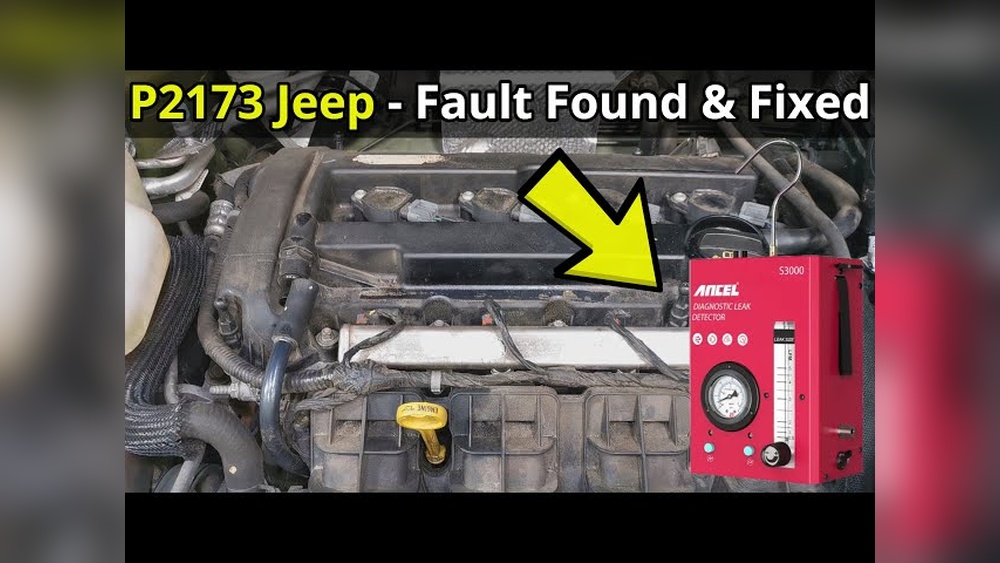
Use a smoke machine or soapy water to find leaks at joints and flanges. Leaks often occur between the upstream and downstream oxygen sensors.
Repair any leaks by tightening bolts or replacing gaskets. Fixing leaks restores correct air-fuel readings and clears the P2096 code.
Step-by-step Fixes
Fixing Jeep DTC P2096 requires a clear plan. Each step targets common causes of the error.
Follow these simple actions to solve the problem effectively.
Repairing Exhaust Leaks
Exhaust leaks let extra air enter the system. This confuses the oxygen sensors and triggers the code.
Check for cracks, loose flanges, or damaged gaskets. Replace or seal any faulty parts.
Tighten bolts and clamps around the exhaust pipes. Use a smoke machine or soapy water to find small leaks.
Fixing leaks restores correct air-fuel balance and clears the code.
Replacing Oxygen Sensors
Oxygen sensors monitor exhaust gases and send data to the engine computer. A bad sensor gives wrong readings and causes the P2096 code.
Test sensors with a multimeter or scan tool. Replace sensors that show slow response or incorrect voltage.
Use OEM sensors for best fit and accuracy. Clear the trouble code after installation.
New sensors help maintain proper fuel mixture and reduce emissions.
Cleaning Or Replacing Catalytic Converter
The catalytic converter reduces harmful emissions in exhaust gases. A clogged or damaged converter can cause the P2096 trouble code.
Inspect the converter for blockages or physical damage. Try cleaning it with a fuel system cleaner designed for catalytic converters.
If cleaning fails, replace the converter with a new one. A healthy catalytic converter improves exhaust flow and sensor readings.
Addressing Engine Misfires
Engine misfires create unburned fuel in the exhaust. This disturbs oxygen sensor data and triggers P2096.
Check spark plugs, ignition coils, and fuel injectors. Replace faulty spark plugs or coils.
Clean or replace clogged injectors. Fixing misfires restores smooth engine running and correct sensor signals.
After repairs, reset the engine control unit to clear the code.
Preventive Maintenance
Preventive maintenance plays a vital role in avoiding Jeep DTC P2096 issues. This code often points to a lean exhaust condition.
Keeping your vehicle in good shape stops costly repairs and keeps your Jeep running smoothly. Small, regular checks can catch problems early. This saves time, money, and stress.
Focus on three main areas to prevent P2096: the exhaust system, sensors, and fuel system. Each part needs care to work properly.
Follow these simple tips to maintain your Jeep’s health and performance.
Regular Exhaust System Checks
Inspect the exhaust system for leaks or damage. Look for cracks, rust, or loose connections.
Check the exhaust manifold and gaskets carefully. Air leaks can cause false oxygen sensor readings.
This triggers the P2096 code and reduces engine efficiency. Replace worn parts as needed to keep the system sealed tight.
Sensor Maintenance Tips
Clean and inspect oxygen sensors regularly. Dirty or failing sensors send wrong signals to the engine computer.
This causes poor fuel mixture and triggers error codes. Use proper sensor cleaner and avoid harsh chemicals.
Replace sensors every 60,000 to 90,000 miles or sooner if faulty. Proper sensor function ensures accurate air-fuel balance.
Fuel System Care
Keep the fuel system clean and functioning well. Replace fuel filters on schedule to prevent clogging.
Use quality fuel to avoid deposits in injectors. Check fuel lines for leaks or cracks.
A strong, steady fuel supply prevents lean conditions. This reduces the chance of P2096 and helps your Jeep run efficiently.
When To See A Professional
Knowing when to see a professional for Jeep DTC P2096 saves time and money. This error code points to a lean condition in the exhaust system.
It may look simple but can hide complex issues. A skilled technician can pinpoint the exact cause and fix it properly.
Here are key signs that a professional visit is needed.
Complex Repairs
Some repairs require expert skills and tools. Fixing exhaust leaks or replacing sensors might seem easy.
But diagnosing related engine problems needs experience. Issues like a failing catalytic converter or wiring faults demand advanced knowledge.
Incorrect repairs can worsen the problem or cause safety risks.
Diagnostic Tools Needed
Professional mechanics use specialized diagnostic tools. These scan the vehicle’s computer for precise trouble codes.
They measure oxygen sensor output and test fuel trim levels. Home tools rarely provide full details.
Accurate diagnosis helps avoid unnecessary parts replacement and saves money.
Safety Considerations
Exhaust system faults can affect vehicle safety. Leaks may let harmful gases enter the cabin.
Engine misfires can cause poor performance or stalling. Professionals ensure repairs meet safety standards.
Proper fixes keep you and your passengers safe on the road.
Frequently Asked Questions
How To Fix Jeep Code P2096?
Fix Jeep code P2096 by inspecting for exhaust leaks, replacing faulty oxygen sensors, and checking the catalytic converter. Clear codes and test drive.
What Is The Most Common Cause Of The P2096 Code?
The most common cause of the P2096 code is an exhaust leak between the upstream and downstream oxygen sensors.
Which O2 Sensor Is P2096?
The P2096 code indicates a problem with the post-catalytic oxygen sensor, specifically O2 Sensor Bank 1 Sensor 2. It detects a lean condition after the catalytic converter.
How Long Can I Drive With A P2096 Code?
You should limit driving with a P2096 code to short distances only. Prolonged driving risks engine damage and poor performance.
Get the issue diagnosed and repaired promptly to avoid costly repairs.
Conclusion
Understanding Jeep DTC P2096 helps you spot exhaust system issues early. This code means your engine runs too lean, needing attention.
Check for exhaust leaks, faulty oxygen sensors, or a clogged catalytic converter. Fixing these problems keeps your Jeep running smoothly and saves money.
Regular maintenance prevents this code from returning. Stay alert to your Jeep’s signals for a safe drive.
Simple steps ensure better performance and fewer repairs. Keep your Jeep healthy by addressing P2096 promptly.