If your Jeep’s check engine light just came on and you spotted the code P0456, you’re probably wondering what it means and how serious it is.
This code points to a tiny leak in your vehicle’s evaporative emission control system (EVAP), which helps keep fuel vapors from escaping into the air.
While it might sound minor, ignoring it could lead to bigger problems down the road.
You’ll learn exactly what causes Jeep code P0456, how to spot the signs, and the simple steps you can take to fix it so you can get back on the road with confidence.
Keep reading to find out what you need to know and why acting quickly matters for your Jeep’s health.

What Triggers Code P0456
Code P0456 signals a small leak in your Jeep’s EVAP system. The system stops fuel vapors from escaping into the air.
Even a tiny leak can cause this code.
Several parts can cause this problem. It is important to find the exact cause to fix it properly.
Common triggers include gas cap issues, cracked EVAP hoses, and faulty purge valves.
Gas Cap Issues
A loose or damaged gas cap often triggers code P0456. The rubber seal on the cap can dry out or crack.
Dirt on the seal also causes leaks. This lets fuel vapors escape, setting off the code.
Check that the gas cap tightens properly. Replace it if the seal looks worn or damaged.
Cracked Evap Hoses
EVAP hoses carry fuel vapors to the engine. These hoses are made of rubber and can crack or wear out.
Heat and age speed up this damage. A crack lets vapor leak out, triggering the code.
Inspect hoses under the hood and near the fuel tank. Replace any that show cracks or holes.
Faulty Purge Valve
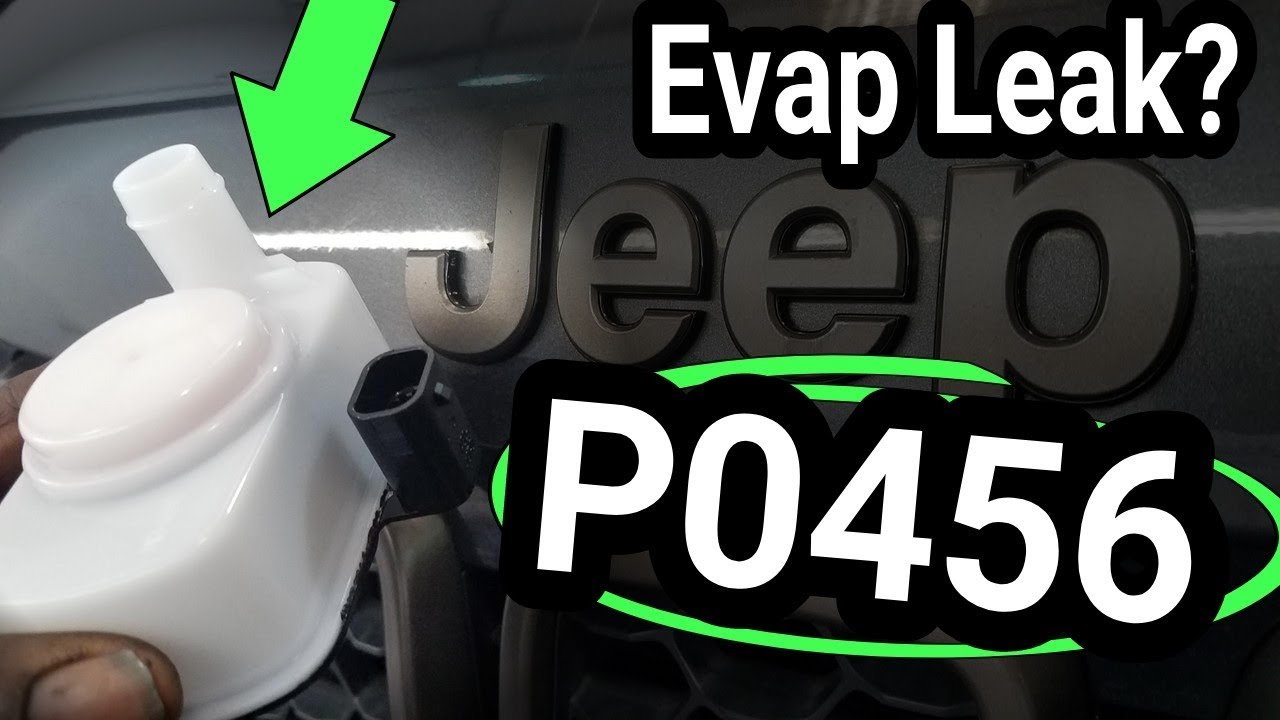
The purge valve controls vapor flow from the EVAP canister. If it sticks open or fails, vapors escape.
This malfunction causes a small leak and sets the code.
Test the purge valve with a scanner or by hand. Replace it if it does not open and close properly.
Symptoms Of Evap Leak
Detecting an EVAP leak early can save you from costly repairs. The EVAP system controls fuel vapors to reduce emissions.
When it leaks, your Jeep shows signs that are hard to miss. These symptoms alert you to the P0456 trouble code.
Knowing these signs helps you act quickly to fix the problem.
Check Engine Light
The most common sign of an EVAP leak is the check engine light. It turns on because the vehicle’s computer detects a small leak.
The light may blink or stay steady. Ignoring this warning can cause more damage over time.
Fuel Smell
A noticeable fuel smell near your Jeep signals an EVAP leak. Fuel vapors escape from the system and cause this odor.
You might smell it around the gas tank or inside the cabin. This smell is a clear sign that something is wrong.
Failed Emissions Test
Your Jeep may fail an emissions test due to an EVAP leak. Leaking vapors increase pollution levels.
This failure means your vehicle is not meeting environmental standards. Fixing the leak is necessary to pass future tests.
Visual Inspection Tips
Visual inspection plays a key role in diagnosing Jeep Code P0456. This code signals a small leak in the EVAP system.
A thorough look can help spot the source quickly. Simple checks often save time and money.
Start with easy areas that commonly cause leaks. Use these tips to guide your inspection process.
Checking The Gas Cap Seal
The gas cap seal is a frequent cause of EVAP leaks. Examine the rubber gasket on the cap for cracks or dryness.
Dirt or debris can also prevent a tight seal. Twist the cap to check for looseness or damage.
Replace the gas cap if the seal looks worn or cracked. A good seal keeps fuel vapors from escaping.
Inspecting Evap Lines
EVAP lines run from the fuel tank to the engine. Check these rubber or plastic hoses for cracks, holes, or loose connections.
Tug gently on each line to test its fit. Look for signs of wear or brittleness, especially near clamps and connectors.
Damaged lines let vapors escape and trigger the P0456 code. Replace any faulty hoses found during inspection.
Spotting Cracked Canisters
The charcoal canister stores fuel vapors before they enter the engine. Inspect the canister for visible cracks or damage.
Pay close attention to mounting points and the surface of the canister. Small cracks can cause leaks that set off the EVAP code.
If you spot cracks, plan to replace the canister promptly. This prevents further vapor loss and system errors.
Using A Smoke Test
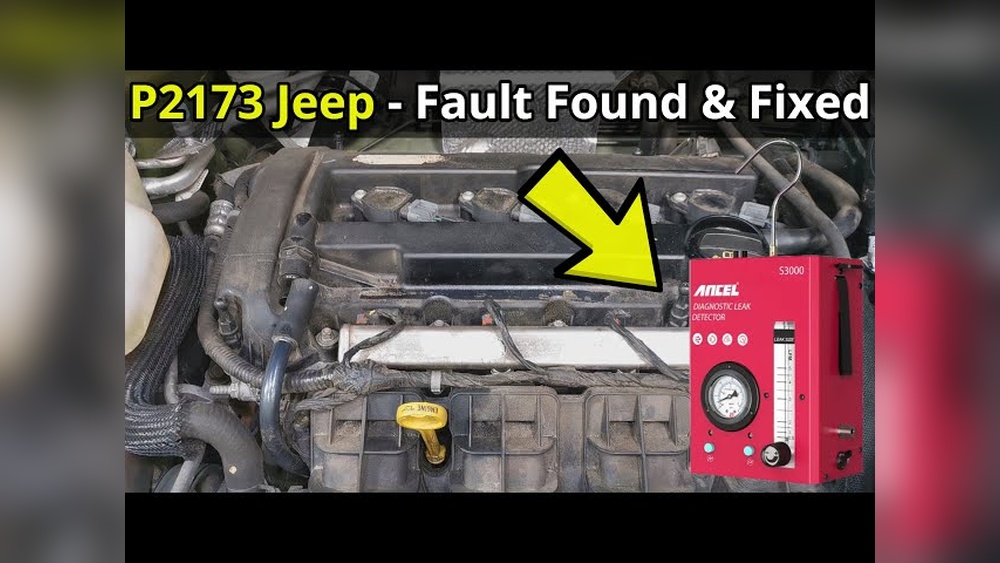
Using a smoke test is a reliable way to find leaks causing Jeep Code P0456. This method helps detect even the smallest leaks that are hard to see with the naked eye.
Smoke testing is often used by mechanics to diagnose evaporative emission system problems effectively.
How Smoke Testing Works
A smoke machine pumps smoke into the EVAP system. The smoke travels through all lines and parts.
Any leak allows smoke to escape, showing the exact location. The visible smoke makes it easy to spot tiny cracks or holes.
This method saves time compared to guessing or replacing parts blindly.
Locating Small Leaks
Small leaks often hide in tight spots or under parts. Smoke gently pushes through these areas and escapes where there is a gap.
Watching carefully helps find leaks in hoses, seals, or connectors. Even leaks as small as a pinhole become visible with smoke.
This precision prevents unnecessary repairs and keeps your Jeep running well.
Tools Needed
You need a smoke machine designed for automotive use. This tool creates dense, non-toxic smoke.
A hand-held flashlight helps see smoke escaping in dark engine bays. Gloves and safety glasses protect you while working near hot parts.
These simple tools make smoke testing safe and effective for any Jeep owner.
Quick Fixes For Common Issues
Jeep Code P0456 signals a small leak in the EVAP system. Quick fixes can save time and money.
Start with simple checks before more complex repairs.
Many issues come from easy-to-fix parts. These repairs often restore the system’s proper function. Below are common fixes to try.
Replacing The Gas Cap
A faulty or loose gas cap is a frequent cause of P0456. The rubber seal may dry out, crack, or get dirty.
Remove the cap and inspect it closely. If damaged or worn, replace it with a new one.
Tighten the new cap until it clicks securely. This simple step can stop vapor leaks and clear the code.
Repairing Or Replacing Hoses
Cracked or loose EVAP hoses can cause leaks. Check all hoses under the hood and near the fuel tank.
Look for cracks, holes, or loose connections. Damaged hoses must be replaced to prevent vapor escape.
Use the correct hose type for your Jeep model. Secure all connections tightly after replacement.
Fixing The Purge Valve
The purge valve controls vapor flow to the engine. A stuck or faulty valve can trigger the P0456 code.
Test the valve by listening for clicking sounds or using a scan tool. If it fails, replace it with a new valve.
Proper valve function keeps the EVAP system sealed and working well.
Advanced Repairs
Advanced repairs for Jeep Code P0456 require detailed knowledge of the EVAP system. Simple fixes may not solve the issue if the leak is small or hidden.
This section covers key repair steps that need careful attention. These include replacing parts and knowing when to seek expert help.
Replacing The Esim Module
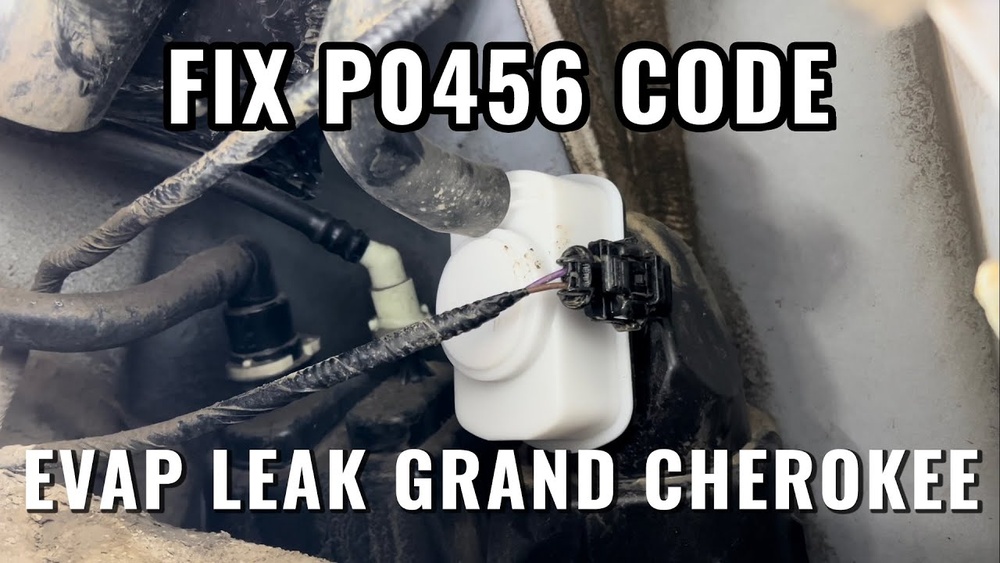
The ESIM module controls vapor flow in the EVAP system. It sits behind the passenger rear wheel well on Jeep Wrangler JL models. Replacing it is tricky because of its location and wiring. You must disconnect the battery first for safety. Remove the wheel well cover to access the module. Carefully unplug connectors and unbolt the module. Install the new ESIM by reversing these steps. Test the system after replacement to ensure the code clears.
Dealing With Canister Problems
The EVAP canister traps fuel vapors to prevent leaks. Over time, it can crack or clog, causing error P0456.
Inspect the canister for damage or signs of wear. Check all hoses connected to it for cracks or loose fittings.
Replace the canister if you find cracks or severe damage. Clean or replace clogged hoses to restore proper vapor flow.
After repairs, reset the system and run tests to confirm the fix.
Professional Help Options
Advanced EVAP repairs can be challenging without experience. Professional mechanics have the right tools to diagnose and fix leaks accurately.
They can perform smoke tests that find small leaks you might miss. A professional can also handle complex part replacements safely.
Consider visiting a Jeep specialist if repairs go beyond basic checks. This ensures your vehicle runs smoothly and the code stays cleared.
Preventing Future Evap Leaks
Preventing future EVAP leaks in your Jeep is key to avoiding trouble codes like P0456. A small leak in the EVAP system can cause fuel vapors to escape.
This affects your vehicle’s emissions and can reduce fuel efficiency. Taking simple steps can keep the system tight and healthy.
Regular care helps catch issues before they grow into costly repairs.
Regular Maintenance Tips
Check the EVAP system parts often. Look for cracked or worn hoses under the hood.
Replace any rubber lines that feel brittle or damaged. Keep the purge valve clean and working well.
Schedule routine inspections at your mechanic to test the system’s seal. Early detection stops leaks from getting worse.
Fuel Cap Care
Always tighten the fuel cap until it clicks. A loose cap often triggers the P0456 code.
Inspect the cap’s rubber seal for cracks or dirt. Clean or replace the cap if the seal is damaged.
A good seal prevents vapors from escaping. Never ignore the fuel cap warning light on your dashboard.
Monitoring System Health
Use an OBD-II scanner to check for EVAP system codes regularly. This tool helps spot small leaks early. Pay attention to your Jeep’s fuel smell and check engine light. Address any warning signs quickly. Keeping the system healthy reduces emissions and keeps your Jeep running smoothly.
Cost And Urgency
Understanding the cost and urgency of Jeep Code P0456 is key to managing repairs wisely. This code signals a small leak in the EVAP system.
The EVAP system traps fuel vapors to reduce emissions. Ignoring this issue can lead to bigger problems.
Knowing the repair costs and when to act can save money and stress.
Repair Cost Estimates
Fixing a P0456 code usually costs between $100 and $300. The price depends on the leak source.
A loose gas cap is the cheapest fix, often under $20. Replacing hoses or valves costs more, sometimes up to $250.
Complex parts like the EVAP canister can push costs higher. Labor charges also affect the total bill.
A mechanic’s hourly rate varies by location and shop.
When To Act Fast
Do not delay repairs if the check engine light stays on. A small leak can grow larger over time.
Fuel vapors may escape, which harms the environment. This can cause the vehicle to fail an emissions test.
Repair quickly if you notice poor fuel economy or smell fuel. Early action prevents more expensive damage later.
A simple gas cap check can fix many leaks fast.
Impact On Vehicle Performance
Code P0456 rarely causes major drivability issues. Your Jeep will usually run fine with this code.
Still, you might notice a rough idle or stalling in some cases. Fuel efficiency can drop slightly due to vapor loss.
The EVAP system helps your engine run clean and smooth. Ignoring leaks can stress other parts over time.
Maintaining the system keeps your Jeep reliable and efficient.
Frequently Asked Questions
How Do I Fix Code P0456 On My Jeep?
Check and tighten the gas cap first. Inspect EVAP hoses and canister for cracks or leaks.
Replace faulty parts. Perform a smoke test if needed. Clear the code after repairs.
What Is The Most Common Cause Of P0456?
The most common cause of P0456 is a faulty or loose gas cap. It often has a cracked or worn rubber seal causing small EVAP leaks.
Is It Expensive To Fix An Evap Leak?
Fixing an EVAP leak typically costs between $100 and $400, depending on the leak's size and location. Minor issues like a faulty gas cap are cheaper, while damaged hoses or valves increase repair costs.
Timely repairs prevent engine problems and save money in the long run.
Is It Okay To Drive With A P0456 Code?
Driving with a P0456 code is possible but not recommended. It indicates a small EVAP system leak that affects emissions and fuel efficiency.
Fix the issue soon to avoid potential damage and failed emissions tests.
Conclusion
The Jeep code P0456 points to a small EVAP system leak. Start by checking the gas cap and fuel lines for cracks or looseness.
Fixing this issue keeps your Jeep running smoothly and saves fuel. Small leaks can cause the check engine light to come on.
Early attention helps avoid bigger problems and costly repairs. Stay alert to any smells or fuel odors around your vehicle.
Taking simple steps can ensure your Jeep stays safe and efficient on the road.