If you’ve seen the dreaded Jeep code P0123 pop up on your dashboard, you’re probably wondering what it means and how it could affect your ride. This code signals a problem with your throttle position sensor, a small but critical part that helps control your engine’s power and responsiveness.
Ignoring it could lead to rough idling, hesitation during acceleration, or even your Jeep entering a “limp-home” mode where performance is severely limited. But don’t worry understanding what causes this issue and how to fix it can save you time, money, and stress.
Keep reading to learn exactly what P0123 means, what signs to watch for, and the simple steps you can take to get your Jeep running smoothly again.
Symptoms Of Code P0123
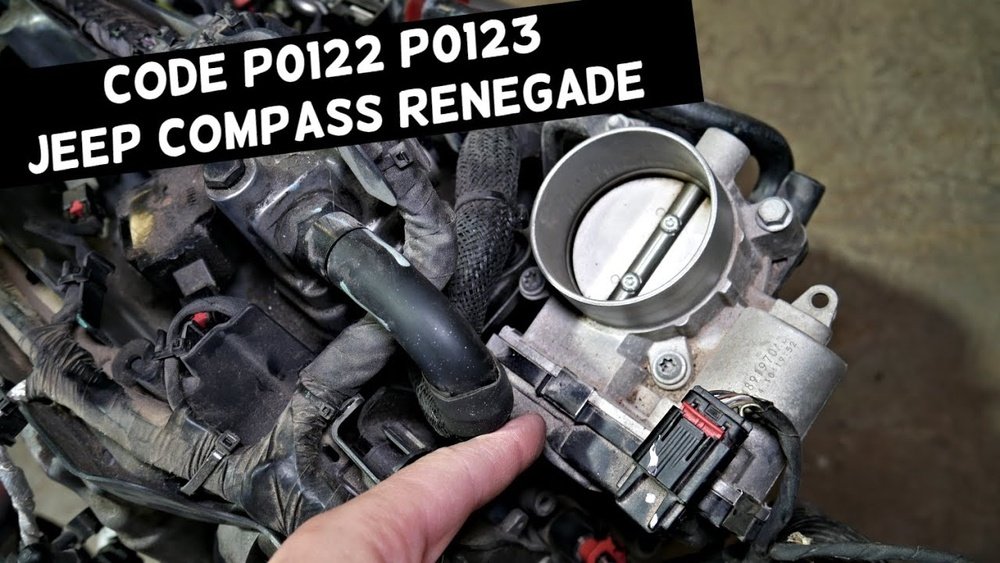
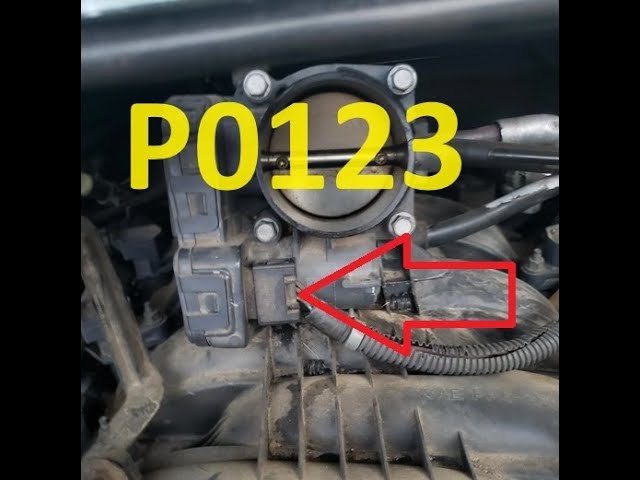
Code P0123 signals a problem with the throttle position sensor (TPS) in your Jeep. This sensor helps control engine power by tracking the throttle’s position.
When the TPS sends a high voltage signal, the engine control unit detects an issue. Recognizing the symptoms early can prevent bigger problems.
Check Engine Light
The most common sign of code P0123 is the check engine light turning on. This light appears on your dashboard to warn of engine or sensor trouble.
It does not tell the exact problem but signals that the vehicle needs attention.
Rough Idling And Surging
Your Jeep may idle roughly or surge unexpectedly. The engine speed might rise and fall without pressing the gas pedal.
This happens because the TPS sends wrong throttle position data to the engine control unit.
Acceleration Issues
Acceleration may feel uneven or slow. Your Jeep might hesitate or jerk while you press the gas pedal.
The engine does not respond smoothly, making driving frustrating and unsafe.
Limp-home Mode Activation
The vehicle may enter limp-home mode to protect the engine. This mode limits speed and power, allowing you to drive to a repair shop safely.
It prevents further damage but reduces performance drastically.
Transmission Problems
Older Jeep models with automatic transmissions can experience shifting problems. The transmission may shift harshly or at the wrong times.
This happens because the engine control unit gets wrong signals from the faulty TPS.
Common Causes
The Jeep code P0123 signals an issue with the throttle position sensor circuit. This code often results from sensor or electrical faults.
Understanding common causes helps diagnose and fix the problem quickly. Four main issues lead to this error code.
Faulty Throttle Position Sensor
The throttle position sensor (TPS) measures the throttle plate’s angle. A faulty TPS sends wrong voltage signals to the engine control module.
This causes poor engine performance and triggers the P0123 code. Over time, the sensor can wear out or fail internally.
Wiring And Connector Damage
Wiring problems often cause sensor errors. Frayed, corroded, or broken wires disrupt communication between the TPS and the control unit.
Loose or damaged connectors also create false readings. Inspecting and repairing wiring can solve the problem.
Dirty Throttle Body
Carbon buildup inside the throttle body affects sensor accuracy. Dirt and grime can cause the throttle plate to stick or move unevenly.
This disrupts sensor signals and triggers engine errors. Cleaning the throttle body restores proper function.
Accelerator Pedal Sensor Failure
Newer Jeep models use a sensor on the accelerator pedal. This sensor sends signals to the throttle control system.
If it fails, the system receives incorrect data, causing performance issues and error codes. Testing and replacing the pedal sensor may be necessary.
Diagnosing The Problem
Diagnosing Jeep Code P0123 requires a careful approach. This code signals a high voltage issue in the throttle position sensor circuit.
Pinpointing the exact cause helps avoid unnecessary repairs and saves money. Start by checking the basics, then move to advanced diagnostics.
Inspecting Wiring And Connectors
Begin by examining the wiring connected to the throttle position sensor. Look for frayed wires, corrosion, or loose connectors.
Damaged wiring can cause false signals or loss of communication. Use a flashlight for a clear view in tight spaces.
Secure any loose connectors and clean corroded terminals. This simple step often fixes the problem.
Testing The Throttle Position Sensor
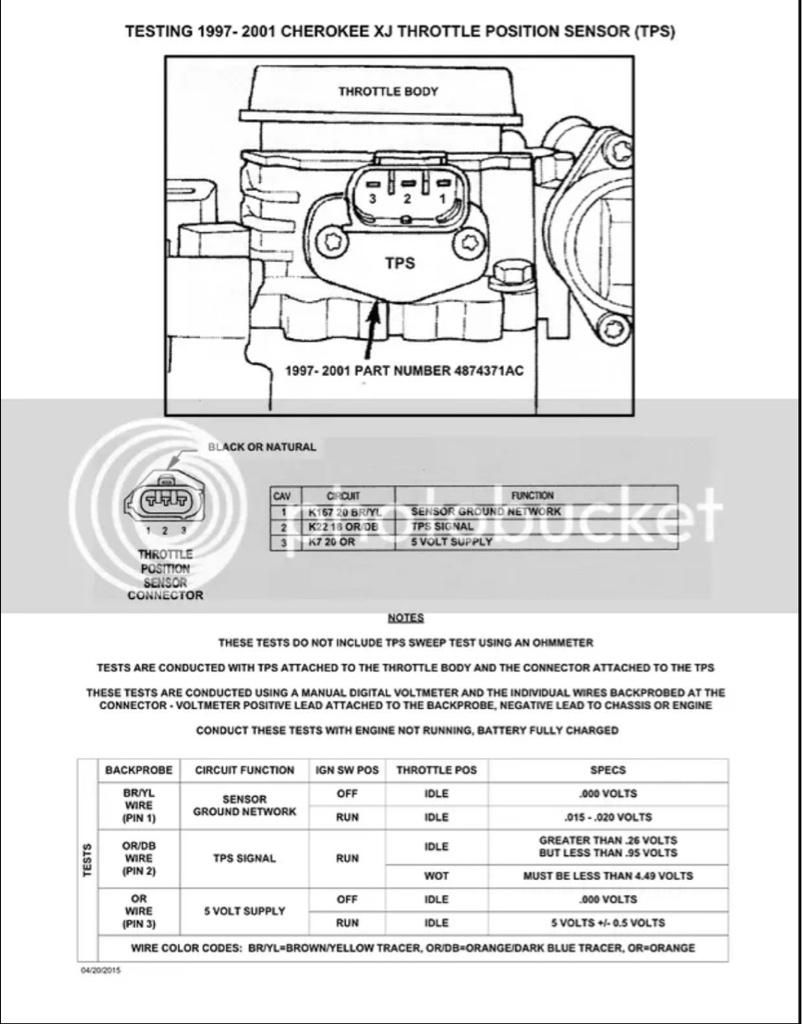
Next, test the throttle position sensor itself. Use a multimeter to measure the voltage output.
The voltage should change smoothly as the throttle moves. A sudden jump or drop indicates a faulty sensor.
Replace the sensor if the readings are inconsistent or out of range. Testing this sensor is important for accurate throttle control.
Checking For Carbon Buildup
Carbon deposits can block the throttle body and affect sensor signals. Remove the air intake hose and inspect the throttle plate and bore.
Thick carbon buildup causes the throttle plate to stick or respond slowly. Clean the throttle body with a proper cleaner and soft brush.
Regular cleaning improves sensor accuracy and engine performance.
Using Diagnostic Tools
Modern diagnostic tools provide detailed data for troubleshooting. Connect an OBD-II scanner to read live sensor data and error codes. Look for irregular throttle position readings or communication errors. Advanced scanners show voltage graphs and sensor response times. This data helps confirm if the sensor or wiring needs replacement.
Quick Fixes
Jeep Code P0123 indicates a high voltage issue in the throttle position sensor circuit. Quick fixes can often resolve this problem without costly repairs.
Simple steps like cleaning, resetting, or repairing wiring can restore proper sensor function. These actions help the engine run smoothly and prevent further damage.
Cleaning The Throttle Body
Carbon buildup on the throttle body can cause incorrect sensor readings. Remove the air intake tube to access the throttle body.
Use a throttle body cleaner and a soft brush to clean the butterfly valve and bore. This removes dirt and deposits that may block sensor signals. Cleaning improves air flow and sensor accuracy.
Resetting The Sensor
Resetting the throttle position sensor can clear error codes. Disconnect the battery for about 15 minutes to reset the vehicle’s computer.
Reconnect the battery and start the engine. This allows the sensor to recalibrate and may fix the high voltage issue.
Use an OBD-II scanner to verify if the code is cleared.
Repairing Wiring Issues
Damaged wiring often causes sensor voltage problems. Inspect the wires and connectors leading to the throttle position sensor.
Look for frayed, corroded, or loose connections. Repair or replace any faulty wiring or connectors.
Secure all connections to prevent future sensor errors and ensure proper voltage signals.
Replacing Faulty Components
Replacing faulty components is essential to fix Jeep Code P0123 errors. This code signals a problem with the throttle or pedal sensors.
Replacing broken parts can restore smooth engine performance. It can also prevent further damage and improve vehicle safety.
Each faulty part requires specific steps for replacement. Correct handling ensures the Jeep runs properly and the code clears from the system.
Below are common components to replace for Code P0123 issues.
Throttle Position Sensor Replacement
The throttle position sensor (TPS) monitors the throttle valve position. A faulty TPS causes erratic engine behavior and triggers Code P0123.
To replace it, disconnect the battery and unplug the sensor wiring. Remove the sensor screws and take out the old TPS.
Install the new sensor carefully and reconnect wiring. Reconnect the battery and test the vehicle for proper response.
Throttle Body Replacement
The throttle body controls air intake into the engine. Heavy dirt or damage may require full throttle body replacement.
First, disconnect the battery and remove the air intake hose. Unbolt the throttle body from the intake manifold.
Detach electrical connectors and sensors. Place the new throttle body and reconnect all parts.
Reattach the air intake hose and battery. Check for smooth throttle operation and no error codes.
Accelerator Pedal Sensor Replacement
Newer Jeeps use an accelerator pedal sensor to send throttle signals. A failing sensor can cause Code P0123.
To replace it, unplug the pedal sensor connector. Remove the mounting bolts and take out the sensor.
Fit the new sensor in place and secure it with bolts. Reconnect the wiring harness.
Test the pedal response and confirm the error code is gone.
Preventive Maintenance Tips
Preventing Jeep Code P0123 issues starts with simple maintenance steps. Keeping key parts clean and checked stops sensor errors.
These tips help your Jeep run smoothly and avoid costly repairs.
Regular Throttle Body Cleaning
Carbon buildup on the throttle body affects sensor signals. Dirt blocks the throttle plate from moving freely.
Clean the throttle body every 30,000 miles. Use a throttle body cleaner and a soft brush. This keeps airflow smooth and sensors accurate.
Routine Sensor Inspections
Check the throttle position sensor for damage or wear. Inspect it during oil changes or tune-ups.
Replace faulty sensors early to prevent code P0123. Look for cracks, corrosion, or loose parts.
Sensors in good condition ensure correct engine performance.
Maintaining Electrical Connections
Loose or corroded wiring causes false sensor readings. Inspect connectors and wiring harnesses regularly.
Clean any corrosion and secure loose wires. Use dielectric grease to protect connectors from moisture. Good electrical connections keep sensor signals steady.
When To See A Professional
Knowing when to see a professional for Jeep Code P0123 is important. This code points to problems with the throttle position sensor or related parts.
Some issues can be fixed at home, but others need expert help.
Ignoring serious symptoms can cause more damage and higher repair costs. Watch for signs that show the problem is beyond simple fixes.
Here are key situations when you should take your Jeep to a mechanic.
Persistent Engine Problems
If your engine runs rough or stalls often after trying basic fixes, see a professional. Persistent problems might mean the throttle sensor or wiring needs expert testing.
A mechanic uses special tools to check the sensor’s voltage and signal accuracy.
They can also check for hidden issues inside the throttle body that are hard to spot. Continuing to drive with engine trouble can hurt your Jeep’s performance and fuel economy.
Multiple Sensor Codes
When the check engine light shows more than one code, a professional should diagnose your Jeep. Multiple codes often mean a complex problem involving the throttle position sensor and other parts.
A mechanic can read all codes and find the root cause.
Fixing only one code without addressing others may not solve the problem. Experts have the training to handle interconnected sensor issues properly.
Complex Electrical Issues
Electrical problems like damaged wiring or faulty connectors need professional attention. These issues can cause the throttle position sensor to send wrong signals.
A mechanic can inspect the wiring harness and connectors for damage or corrosion.
They also know how to test electrical circuits safely and repair or replace faulty parts. Handling electrical repairs without knowledge risks causing more harm or safety hazards.

Conclusion
The Jeep Code P0123 signals a throttle position sensor issue. This problem can cause rough idling, poor acceleration, or shifting troubles.
Cleaning the throttle body may help if carbon buildup exists. Replacing a faulty sensor usually fixes persistent errors.
Early diagnosis prevents further engine or transmission damage.
Regular checks keep your Jeep running smoothly and safely. Understanding this code helps you act quickly and avoid costly repairs.
Stay aware and maintain your vehicle for the best performance.