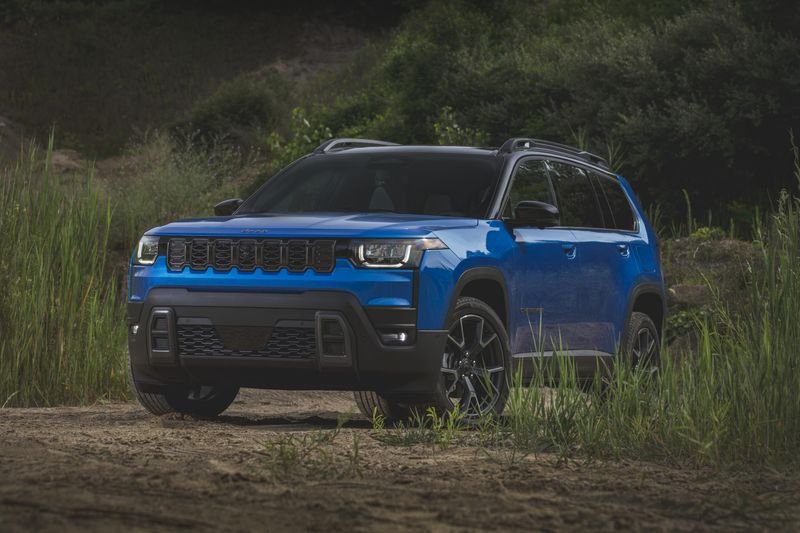
If you own a Jeep Grand Cherokee, you probably enjoy its power and comfort. But what if you want to tow a trailer, boat, or camper? Installing a trailer hitch is the key to unlocking your vehicle’s towing abilities. Many people think hitch installation is complicated, but with the right approach, you can do it yourself or know exactly what to expect at a shop. This guide walks you through everything: how to choose the right hitch, the steps to install it, mistakes to avoid, and tips for safe towing. Whether you are a beginner or have some experience, you’ll finish this article ready to handle trailer hitch installation confidently.
Understanding Trailer Hitch Types For Jeep Grand Cherokee
Before you begin, it’s important to know the types of trailer hitches available. Not all hitches are the same, and choosing the right one depends on your towing needs.
Main Hitch Types
- Receiver Hitch (Class III or IV): The most common for Jeep Grand Cherokee. Handles up to 6,000 lbs for Class III and up to 10,000 lbs for Class IV.
- Gooseneck Hitch: Rare for SUVs, mostly used for heavy-duty trucks.
- Fifth Wheel Hitch: Not suitable for Grand Cherokee, designed for pickup beds.
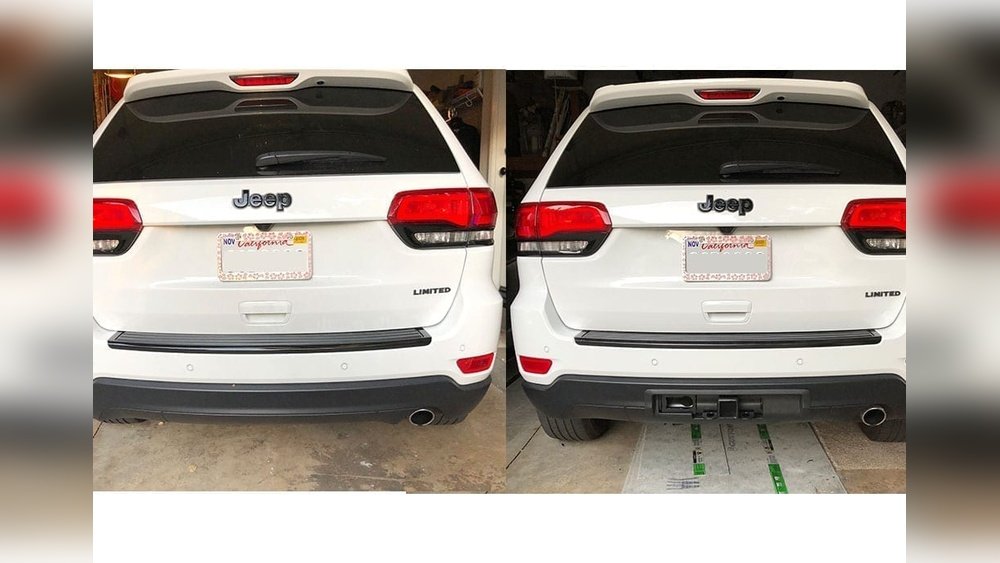
For most Grand Cherokee owners, a Class III or IV receiver hitch is the best choice. It fits well, supports most trailers, and is relatively easy to install.
Comparison: Hitch Classes
Here’s a quick comparison of typical hitch classes suited for the Grand Cherokee:
| Hitch Class | Towing Capacity (lbs) | Receiver Size (inches) | Common Uses |
|---|---|---|---|
| Class III | Up to 6,000 | 2 | Utility trailers, boats |
| Class IV | Up to 10,000 | 2 | Campers, large boats |
Non-obvious insight: Many beginners miss that the actual towing limit is determined by the lowest-rated component (hitch, vehicle, or ball mount). Always check your Jeep’s manual for the maximum allowed weight.
Choosing The Right Trailer Hitch
Selecting the correct hitch is the foundation for safe towing. Here are factors to consider:
- Year and Model: Jeep Grand Cherokee models vary in their frame design. Check compatibility before buying.
- Towing Needs: Calculate your typical load. If you tow light loads (under 5,000 lbs), a Class III is enough. For heavier loads, consider Class IV.
- Aftermarket vs OEM: OEM hitches are made by Jeep, fit perfectly, and often include wiring. Aftermarket hitches can be cheaper but may need extra parts or adjustments.
Oem Vs Aftermarket Hitch Comparison
| Feature | OEM Hitch | Aftermarket Hitch |
|---|---|---|
| Fitment | Perfect (designed for Jeep) | May need adjustments |
| Cost | Higher ($250-$400) | Lower ($150-$300) |
| Warranty | Usually covered | Varies by manufacturer |
| Wiring Kit | Usually included | May be sold separately |
Tip: If you plan to install yourself, choose a hitch with clear instructions and all necessary hardware. Check reviews to avoid kits with missing bolts or confusing diagrams.
Tools And Materials Needed
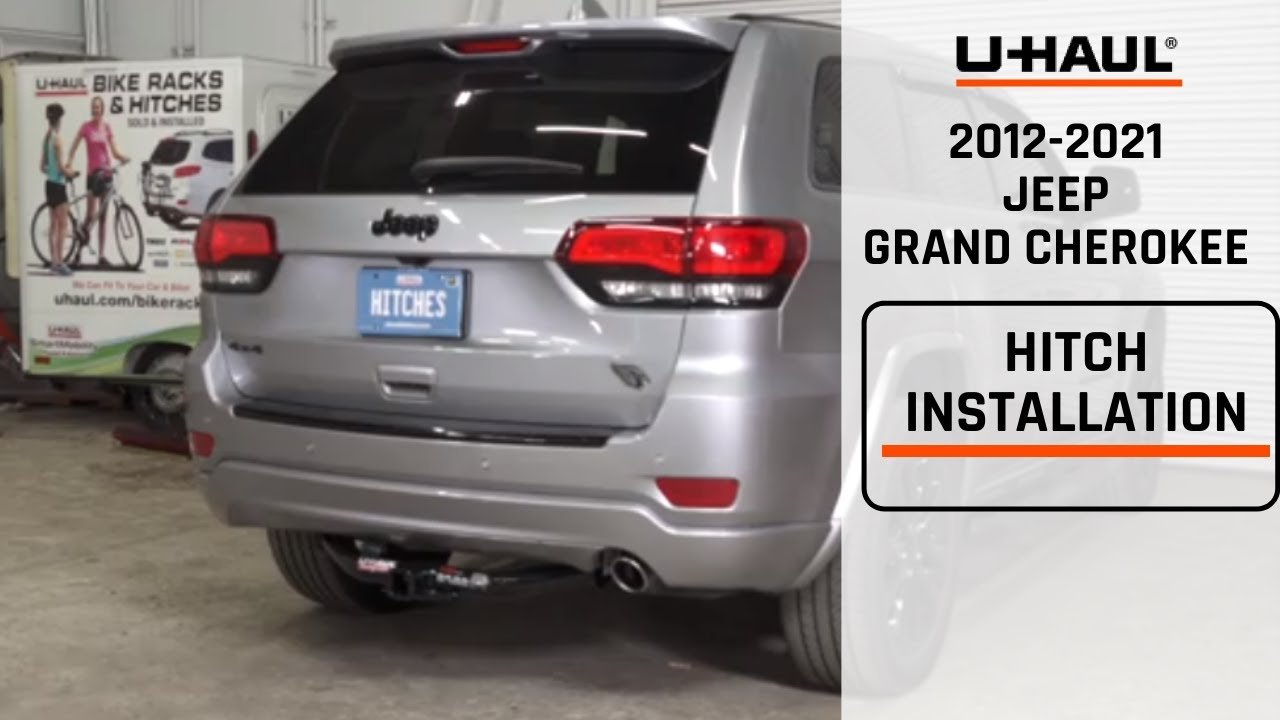
Getting ready saves time and frustration. Here’s what you’ll need:
- Trailer hitch kit (with bolts, nuts, and instructions)
- Socket wrench set (metric and standard)
- Torque wrench (for accurate tightening)
- Screwdrivers
- Safety glasses and gloves
- Jack and jack stands (if needed)
- Wire harness kit (if you need trailer lights)
- Penetrating oil (for rusty bolts)
Some people skip the torque wrench, but it’s crucial. Under-tightened bolts can loosen, and over-tightened bolts can strip threads.
Step-by-step Trailer Hitch Installation
Installing a trailer hitch on a Jeep Grand Cherokee is straightforward if you follow each step carefully. Here’s how to do it:
1. Prepare Your Workspace
Park your Jeep on a flat surface and engage the parking brake. Lay out all your tools and parts.
If you need to crawl under the vehicle, raise it with a jack and secure with jack stands.
2. Remove Obstructions
Some Grand Cherokee models have a plastic underbody panel or tow hook where the hitch will mount. Remove these with a screwdriver or socket wrench.
3. Locate Mounting Points
Look for pre-drilled holes in the frame near the rear bumper. These are where the hitch bolts attach. Clean them with a wire brush and penetrating oil if rusty.
4. Position The Hitch
With help (the hitch can be heavy), lift the hitch into place. Align the mounting holes.
Insert bolts loosely by hand first this prevents cross-threading.
5. Tighten Bolts
Use a socket wrench to tighten bolts partially. Once all bolts are in place, use a torque wrench to tighten them to the manufacturer’s specification (usually 75 125 ft-lbs). This step is vital for safety.
6. Install Wiring Harness
If you plan to tow a trailer with lights, install the wiring harness. Most kits connect to the Jeep’s rear taillight wiring.
Follow the kit instructions, and secure wires with zip ties to prevent dangling.
7. Reattach Panels
If you removed any panels or hooks, reattach them. Double-check all connections and bolts.
8. Test Your Installation
Check the hitch for movement. Plug in the trailer light connector and test all lights (brake, turn, reverse). If everything works, your installation is complete.
Common mistake: Many people forget to test trailer lights. Faulty lights can cause accidents and tickets.
Cost Breakdown And Installation Time
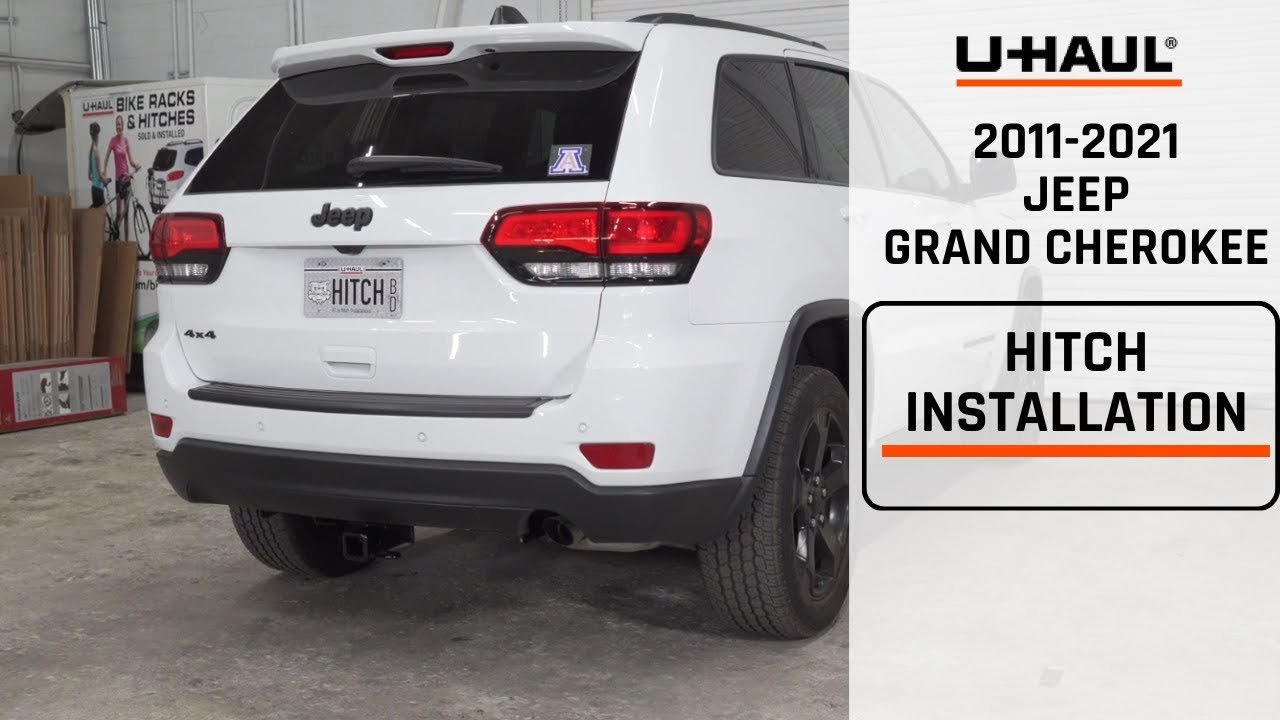
Installing a trailer hitch can be affordable, but costs vary by kit and labor. Here’s a breakdown:
| Expense | DIY Cost | Professional Cost |
|---|---|---|
| Hitch Kit | $150-$400 | $150-$400 |
| Wiring Kit | $30-$75 | $30-$75 |
| Labor | $0 | $120-$250 |
| Total | $180-$475 | $300-$725 |
Installation time: Most DIY installations take 1–2 hours. Professionals finish in about 1 hour. If bolts are rusty or you need to remove panels, add extra time.
Tips For Safe And Effective Towing
After installing your hitch, towing safely is essential. Here are tips for Jeep Grand Cherokee owners:
- Check Weight Ratings: Never exceed your Jeep’s towing capacity. Overloading can damage your vehicle and cause accidents.
- Use the Right Ball Mount: Ball mount size must match your trailer’s coupler. Always check height—trailers should be level when hitched.
- Inspect Hitch and Wiring: Before each trip, check bolts, wiring, and connector. Look for loose bolts or frayed wires.
- Distribute Weight Evenly: If towing heavy loads, balance cargo to avoid sway.
- Drive Carefully: Allow more time to stop. Avoid sharp turns and quick lane changes.
Experienced tip: Many beginners forget to check the trailer’s tire pressure. Low tire pressure can cause sway and poor handling.
Mistakes To Avoid
Even careful installers can make errors. Avoid these common mistakes:
- Skipping torque specs: Always use a torque wrench.
- Ignoring wiring: Faulty lights can lead to fines.
- Choosing the wrong hitch: Double-check compatibility for your Jeep’s year and model.
- Not checking for rust: Rusty bolts can snap under stress.
- Forgetting routine checks: Inspect your hitch before every trip.
A non-obvious mistake is assuming all hitches fit all Grand Cherokees. Some years have different frame holes or bumper shapes. Always check for your specific model.
When To Seek Professional Help
While many can install a trailer hitch themselves, it’s wise to get help if:
- You lack tools or experience.
- Your Jeep has significant rust or damage.
- You’re unsure about wiring.
- The hitch instructions are unclear.
Professional shops have experience and can guarantee proper installation. If your Jeep is still under warranty, professional installation may be required to keep it valid.
Where To Buy Trailer Hitches
You can buy hitches online, at auto parts stores, or through Jeep dealerships. Popular brands include Curt, Draw-Tite, and Reese. Check customer reviews and make sure the hitch matches your vehicle’s year and model.
If you want more technical info, check Jeep’s official website or consult resources like etrailer.com for detailed installation guides and compatibility charts.
Frequently Asked Questions
How Much Weight Can A Jeep Grand Cherokee Tow With A Trailer Hitch?
The towing capacity depends on your vehicle’s engine and hitch class. Most Grand Cherokees tow between 3,500 and 7,200 lbs. Always check your owner’s manual and match the hitch rating to your Jeep’s specs.
Can I Install A Trailer Hitch Without Professional Help?
Yes, many owners install hitches themselves. The process takes 1–2 hours if you have basic tools and follow instructions. If unsure about wiring, seek help.
Is A Wiring Harness Necessary For Trailer Hitch Installation?
If you plan to tow trailers with lights, a wiring harness is essential. It ensures brake, turn, and reverse lights work correctly. Some hitches include it; others require a separate kit.
What’s The Difference Between Oem And Aftermarket Hitches?
OEM hitches are made by Jeep for perfect fitment and often include wiring. Aftermarket hitches can be cheaper, but may need extra parts or adjustments. Choose based on budget and installation skills.
How Often Should I Check My Trailer Hitch After Installation?
Inspect your hitch before every trip. Look for loose bolts, rust, and damaged wiring. Routine checks keep you safe and prevent costly repairs.
Installing a trailer hitch on your Jeep Grand Cherokee unlocks new possibilities for travel, adventure, and work. By understanding hitch types, choosing the right kit, and following careful installation steps, you’ll enjoy confident towing.
Don’t rush take time to check compatibility and safety.
With proper care, your hitch will serve you for years, making every journey smoother and more secure.