Wiring Jeep tail lights may sound challenging, but with the right guidance, you can do it yourself and even save money. Many Jeep owners upgrade their tail lights for better visibility or style, especially after off-road adventures or accidents.
In this guide, you’ll learn clear, step-by-step instructions, get practical tips, and discover common mistakes to avoid.
Whether you’re replacing old lights or installing LEDs, you’ll find the process simple with a little patience and attention.
Tools And Materials Needed
Before you start, gather these essential tools and parts:
- Screwdriver (Phillips and flathead)
- Wire stripper/crimper
- Electrical tape or heat-shrink tubing
- Multimeter (for testing connections)
- New tail light assembly or bulbs
- Wiring harness or connectors (if required)
Having everything ready makes the job smoother and prevents unnecessary delays.
Understanding Jeep Tail Light Wiring
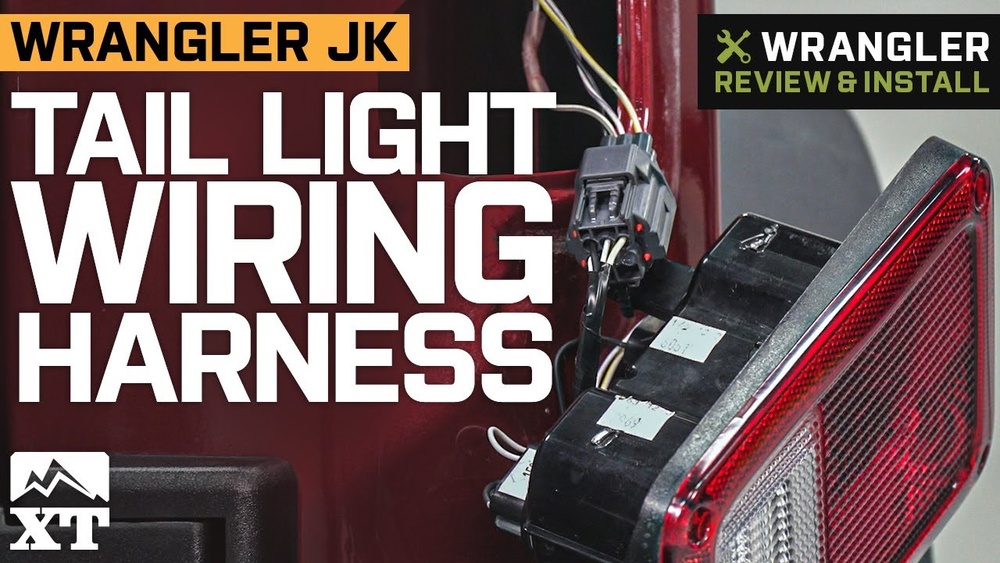
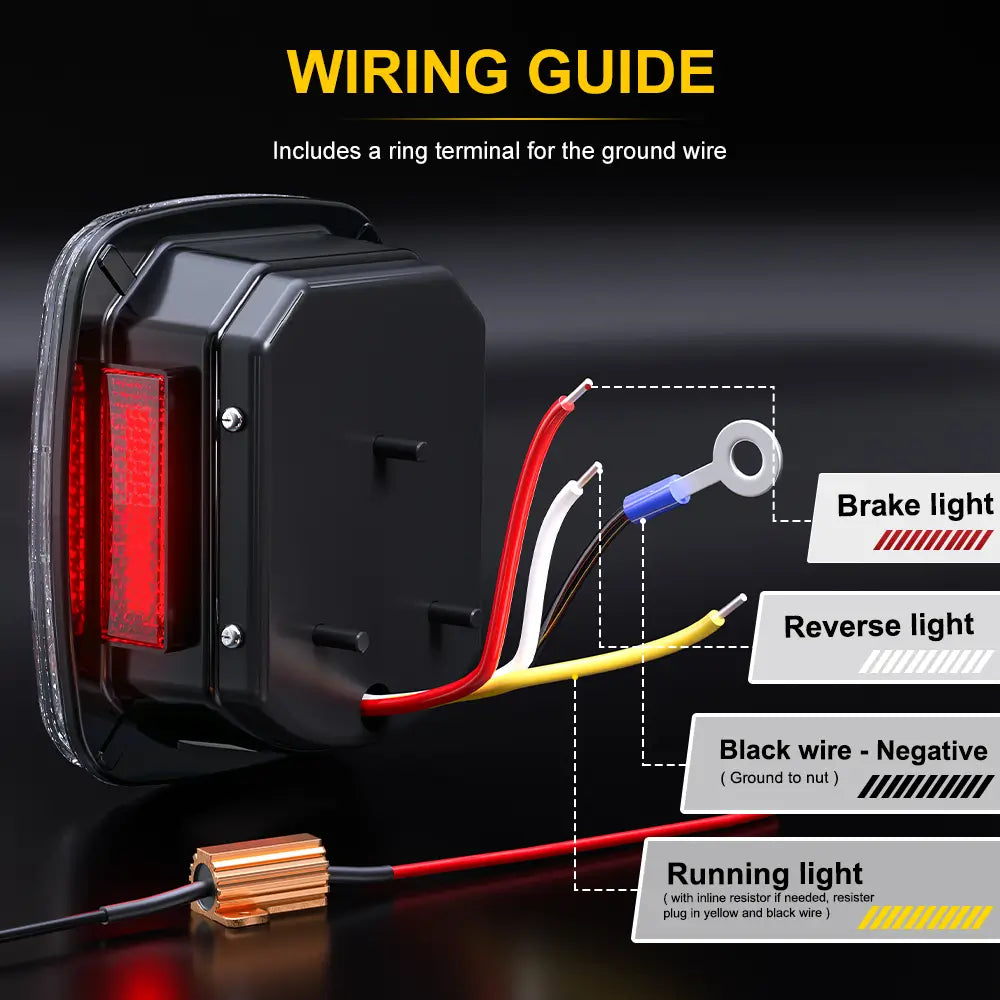
Jeep tail lights are usually three-wire systems: one for the tail light, one for the brake/turn signal, and one ground. Some models have combined brake and turn signals, while others separate these functions.
Here’s a quick comparison of typical Jeep tail light wires:
| Wire Color | Function | Location |
|---|---|---|
| Black | Ground | Body frame |
| White/Yellow | Tail/Running Light | Middle wire |
| Green/Red | Brake/Turn Signal | Outer wire |
Tip: Always check your Jeep’s manual or wiring diagram before starting. Wire colors can change between years and models.
Step-by-step Guide To Wiring Jeep Tail Lights
1. Disconnect The Battery
Safety first. Remove the negative cable from the battery to avoid any electrical shorts or shocks.
2. Remove The Old Tail Light
Open the tailgate if needed. Unscrew and gently pull out the tail light housing.
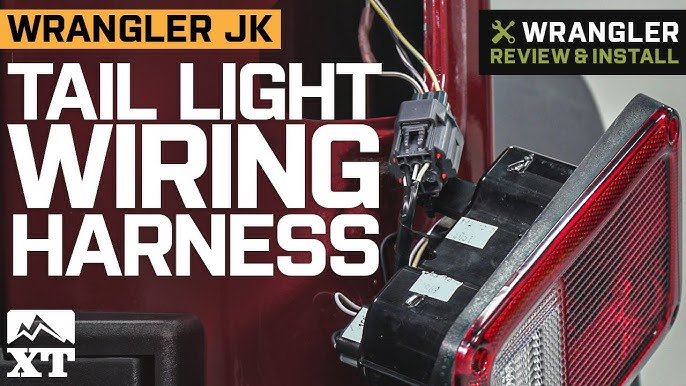
Disconnect the wiring harness by pressing the release tab.
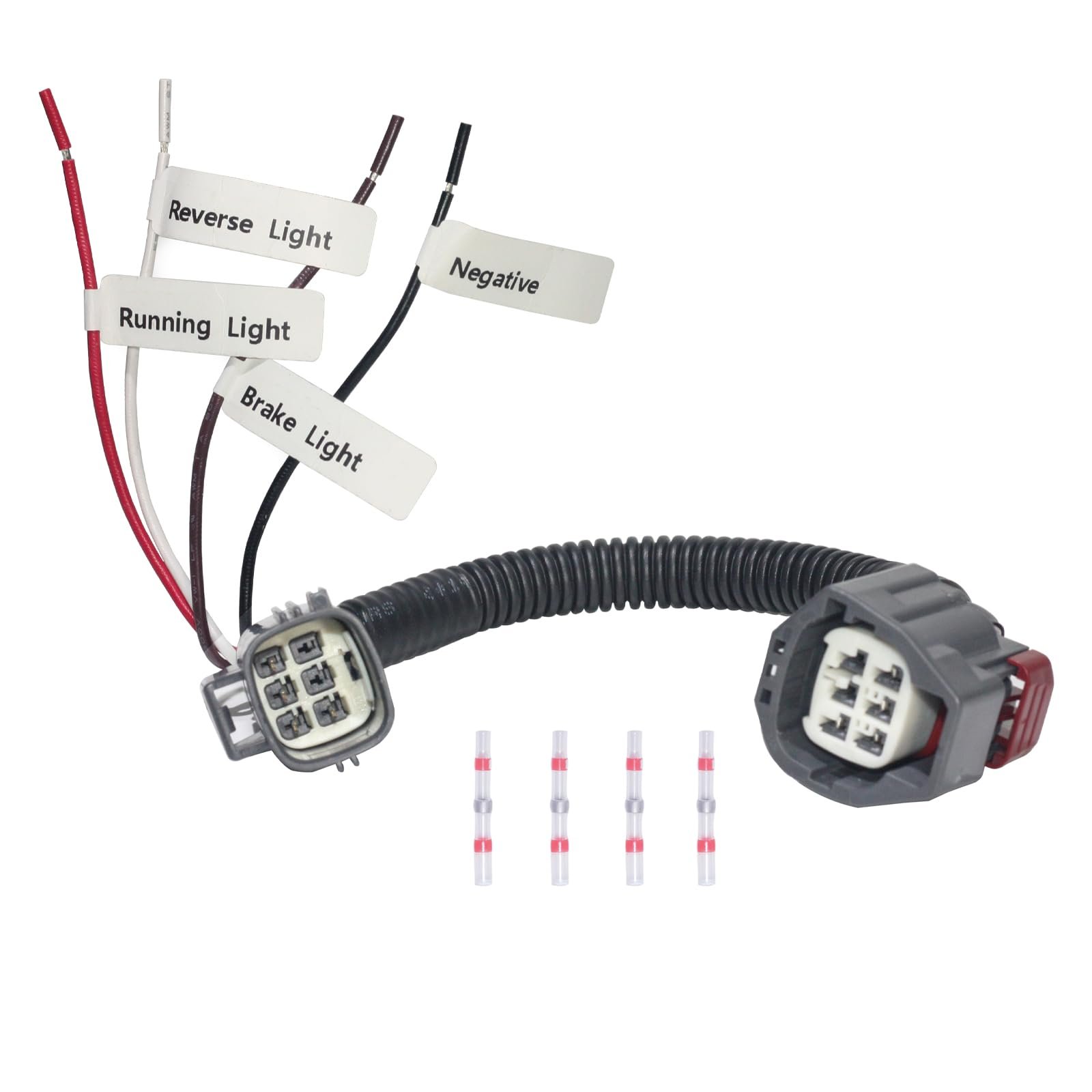
3. Identify The Wires
Use a multimeter to confirm each wire’s function if you’re unsure. Testing prevents mistakes like mixing up brake and running lights.
4. Prepare The New Tail Light
If your new tail light comes with a wiring harness, match the wires color-to-color. For universal lights, you may need to cut and strip the wires. Use crimp connectors for a secure fit.
- Connect the Wires
- Ground wire (usually black) connects to the vehicle’s frame.
- Tail light wire (white or yellow) connects to the Jeep’s tail/running light wire.
- Brake/turn wire (green or red) connects to the Jeep’s brake/turn wire.
Secure each connection with electrical tape or heat-shrink tubing to prevent moisture and corrosion.
6. Test The Tail Light
Reconnect the battery and turn on the lights. Check all functions: tail, brake, and turn signals. If something doesn’t work, double-check the connections.
7. Reinstall The Tail Light Housing
Once everything works, fit the housing back and secure it with screws.
Pro Tip: For LED upgrades, you may need a load resistor to prevent hyper-flashing. Most LEDs use less power, so the Jeep’s system thinks a bulb is out.
Choosing The Right Tail Lights
Not all tail lights are created equal. Consider these factors:
| Type | Pros | Cons | Price Range |
|---|---|---|---|
| Halogen | Affordable, easy to find | Shorter lifespan | $15–$40 |
| LED | Bright, energy efficient, long-lasting | Higher cost, may need resistors | $40–$120 |
| Aftermarket | Custom styles, features | Fit issues, quality varies | $50–$200 |
LED tail lights are popular for their brightness and modern look, but always check compatibility with your Jeep model.
Common Mistakes To Avoid
Many beginners overlook small but important details:
- Skipping the battery disconnect: This can cause shorts or even damage your Jeep’s electronics.
- Not sealing connections: Exposed wires can corrode, especially after off-roading or in wet weather.
- Ignoring wire colors: Jeep models vary. Always test and confirm before connecting.
- Forgetting load resistors: Upgrading to LEDs without resistors can cause fast blinking signals.
A little extra time double-checking saves hours of troubleshooting later.
Safety And Legal Considerations
Tail lights are not just about style—they’re essential for safety and legal compliance. In the US, all tail lights must be red and visible from a set distance. Aftermarket or smoked lights may look great but can be illegal in some states.
Check your local Department of Motor Vehicles (DMV) website for the latest rules. For more about vehicle lighting laws, see this NHTSA guide.
Troubleshooting Tips
Sometimes, even after careful wiring, things don’t work as expected. Here’s how to handle common issues:
- No lights at all: Check the fuse box for a blown fuse.
- One function not working: Re-test the wire connections with a multimeter.
- Flickering or dim lights: Look for loose ground or poor connections.
- Hyper-flashing: Install a load resistor for LED upgrades.
Regularly inspect your tail lights, especially after heavy rain or off-road trips.
Frequently Asked Questions
How Do I Know Which Wire Is Which On My Jeep Tail Light?
Use a multimeter or test light to check each wire. The ground is often black, the tail/running light is usually white or yellow, and the brake/turn wire can be green or red. Always confirm with your Jeep’s manual.
Can I Install Led Tail Lights On My Jeep?
Yes, most Jeeps support LED tail lights, but you may need a load resistor to fix hyper-flashing. Check your vehicle’s compatibility before buying.
What If My Tail Lights Still Don’t Work After Wiring?
Double-check all connections, test the fuse, and ensure you have a good ground. Sometimes, a bad ground or broken wire causes problems.
Are Aftermarket Tail Lights Legal?
Some aftermarket lights may not meet local regulations, especially if they are tinted or not DOT-approved. Always check your state’s laws before installing.
How Long Does It Take To Wire Jeep Tail Lights?
For most Jeeps, wiring tail lights takes about 30–60 minutes if you have the right tools and parts. Plan for extra time if you’re a beginner or need to troubleshoot.
Wiring Jeep tail lights is a practical skill that boosts safety and lets you customize your ride. With the right approach, even beginners can achieve great results and avoid common pitfalls.
If in doubt, don’t hesitate to ask a Jeep forum or consult a professional for help.