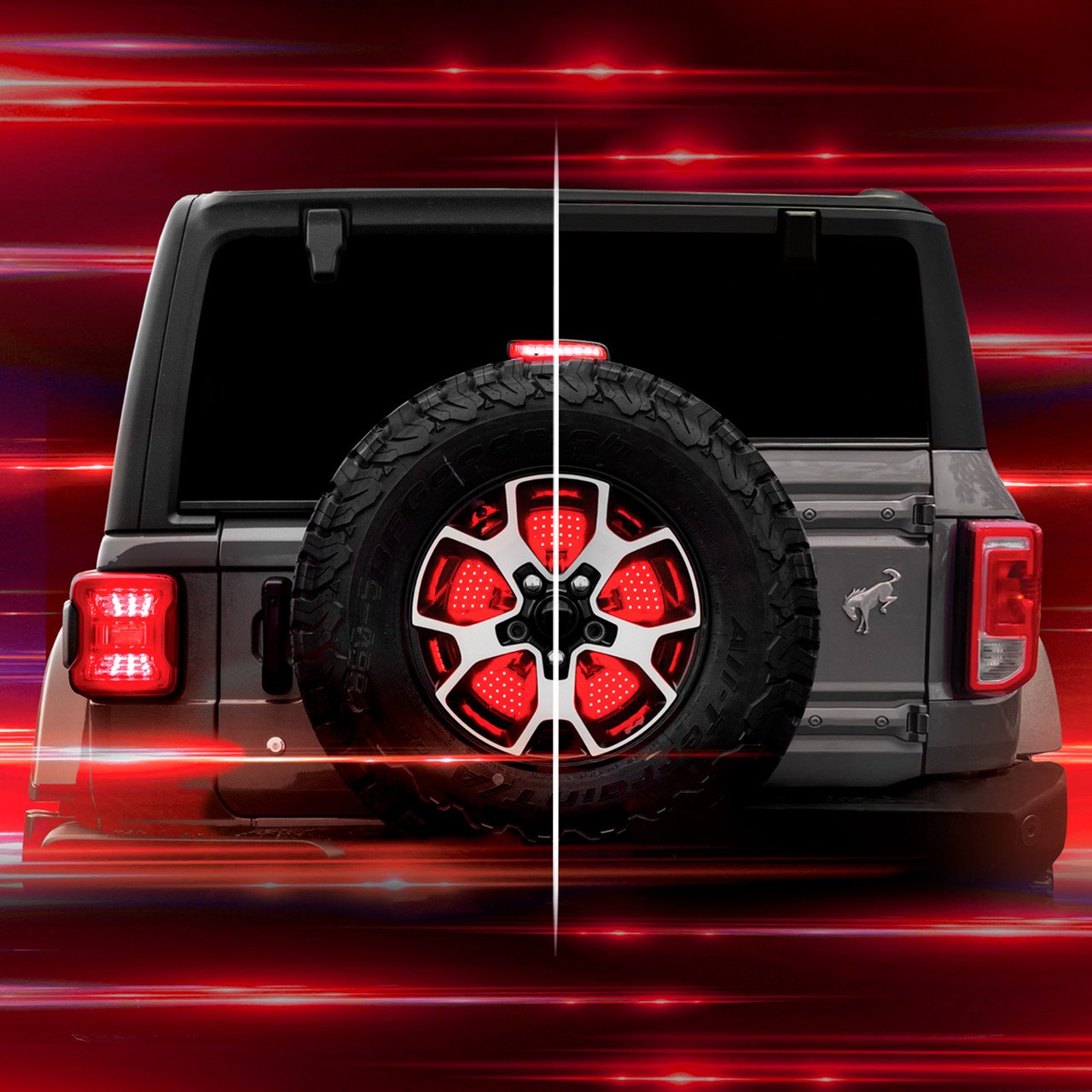
Adding extra backup lights to your Jeep Wrangler TJ can make a big difference when reversing at night, on the trail, or in bad weather. The stock reverse lights on most TJs are not very bright, and many owners want more visibility for safety and convenience.
If you’ve never done wiring before, the idea may feel a bit intimidating. But with simple tools and the right steps, you can wire in extra backup lights yourself and enjoy a much brighter view behind your Jeep.
This guide explains how to wire extra backup lights on a Jeep Wrangler TJ, including all the details, safety tips, and practical advice you need. Whether you plan to use LED pods, light bars, or classic halogen lights, the instructions below will help you get the job done right.
Why Add Extra Backup Lights?
Stock reverse lights on the Wrangler TJ are small and often blocked by spare tires or bumper accessories. This can make it difficult to see at night or when off-roading. Extra backup lights provide these benefits:
- Better visibility behind your vehicle
- Increased safety when backing up in crowded or dark areas
- Easier trailer hookup at night or in low light
- Improved off-road experience when reversing on trails
Many Jeep owners also want the ability to switch on their reverse lights manually, for use as work lights or for added rear illumination at campsites.
What You’ll Need
Before starting, gather all the tools and materials. Here’s what you’ll need:
- Extra backup lights (LED pods, flood lights, or a light bar)
- 12V automotive relay (30/40 amp recommended)
- Inline fuse holder and 15A fuse
- Automotive wire (16-18 gauge for switch circuit, 14-16 gauge for main power)
- 3-way switch (ON-OFF-ON type, for dual control)
- Wire connectors (butt connectors, ring terminals)
- Heat shrink tubing or electrical tape
- Drill and bits (if mounting new lights)
- Zip ties and mounting hardware
- Multimeter (for testing circuits)
- Wire stripper/crimper tool
- Screwdriver set
You may already have some of these tools if you’ve done wiring work before. Always choose quality wiring and connectors to avoid electrical issues later.
Planning Your Wiring Setup
There are two main ways to wire extra backup lights:
- Automatic Mode: Lights turn on only when you shift into reverse.
- Manual/Override Mode: You can turn the lights on anytime with a switch.
Most TJ owners prefer a setup where lights work both ways. This means you can use them when reversing, but also switch them on for extra light when camping or working behind your Jeep.
Wiring Diagram Overview
Here’s a simple comparison of how the two wiring types differ:
| Mode | How it Works | Best For |
|---|---|---|
| Automatic Only | Lights on when in reverse gear | Street driving, less wiring |
| Manual Only | Switch controls lights anytime | Camping, work lights, off-road |
| Automatic + Manual | Both switch and reverse gear control | Best all-around setup |
The third option (Automatic + Manual) is the most flexible and is covered in this guide.
Step-by-step: How To Wire Extra Backup Lights
Wiring extra backup lights on a Jeep Wrangler TJ takes some planning and patience. Here’s how to do it, step by step.
1. Choose And Mount Your Backup Lights
Pick backup lights that fit your needs and Jeep style. LED pods or small flood lights are popular because they are bright, use less power, and last long.
- Location: Most owners mount lights on the rear bumper, tire carrier, or below the tailgate.
- Mounting: Use included brackets or custom mounts. Make sure the lights are secure and aimed downwards to avoid blinding other drivers.
- Wiring Access: Plan the cable route before drilling. Look for factory holes or grommets to run wires inside the Jeep.
2. Plan Your Wiring Route
Think about where each wire will go before starting. A clean, safe wiring job is just as important as the lights themselves.
- Power Source: Use the battery for main power. Never tap into small wires.
- Switch Location: Most owners mount the switch on the dashboard or near the steering wheel.
- Wire Protection: Route wires away from hot exhaust parts or sharp edges. Use loom tubing and zip ties for safety.
3. Install The Relay And Fuse
A relay protects your Jeep’s wiring and allows you to run powerful lights without overloading the factory circuits.
- Relay Placement: Mount the relay close to the battery but away from water.
- Fuse: Always place a fuse on the wire between the battery and relay. This prevents fires if a wire shorts out.
Here’s a quick comparison between relay types:
| Relay Type | Rating | Best Use |
|---|---|---|
| Standard 4-pin | 30-40A | Single light bar or 2 pods |
| 5-pin (changeover) | 30-40A | Multiple lights, more control |
A basic 4-pin relay is enough for most setups.
4. Connect The Wires
Here’s how to wire your extra backup lights with both automatic and manual control:
a) Main Power Wire:
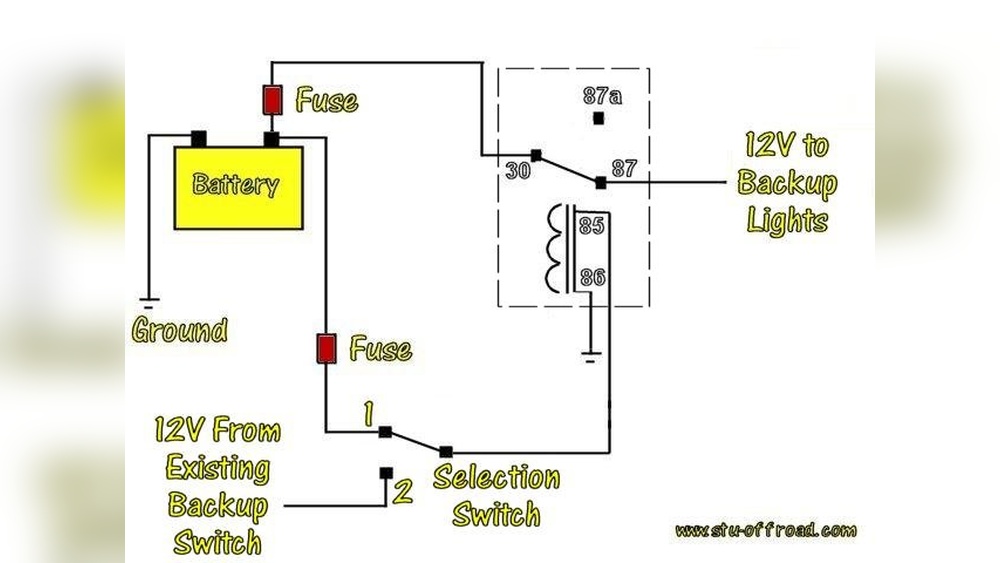
Run a 14- or 16-gauge wire from the battery positive terminal, through a 15A fuse, to relay pin 30.
b) Ground:
Ground the relay (pin 85) and the lights to a clean, bare metal spot on the Jeep body or chassis.
c) Output to Lights:
Connect relay pin 87 to the positive wire on your new backup lights.
d) Control Wires:
- Automatic Trigger: Tap into the factory reverse light wire at the tail light harness (usually white with a pink tracer). Run this wire to relay pin 86 through a diode (to prevent backfeed).
- Manual Switch: Run another wire from relay pin 86 (after the diode) to a 3-way switch inside the cab. Connect the other side of the switch to a 12V accessory source (so the lights only work when the Jeep is on).
e) Test the System:
Before final mounting, test everything with a multimeter and by shifting into reverse.
5. Secure And Protect The Wiring
- Zip tie all wires securely along the frame or inside the body.
- Use loom tubing to protect from rocks, water, and heat.
- Seal connections with heat shrink or weatherproof tape.
Taking time to protect your wiring prevents future electrical problems and extends the life of your new lights.
Common Mistakes And How To Avoid Them
Many beginners make small mistakes that can lead to flickering lights, blown fuses, or even electrical fires. Here are two common issues:
- Using wire that’s too thin: Always use thicker wire (14-16 gauge) for power and ground. Thin wire heats up and can fail.
- Skipping the relay: Directly wiring lights to a switch or factory wires can overload your Jeep’s circuits. The relay is cheap insurance.
Another often-missed detail is not using a diode on the reverse light trigger wire. Without a diode, power from your manual switch can backfeed into the factory reverse circuit and cause problems with your tail lights.
Testing And Troubleshooting
After wiring, do a full test:
- Put the Jeep in reverse (engine on) and check that backup lights come on automatically.
- Use the manual switch to turn the lights on and off.
- Check all connections for heat after 5–10 minutes.
If the lights do not work:
- Check all fuses and grounds.
- Test relay function by listening for a “click” when triggered.
- Use a multimeter to check for 12V at each step.
If you see flickering, most often the ground is not solid, or the wire is too thin.
Adding More Advanced Features
If you want extra functionality, here are two ideas:
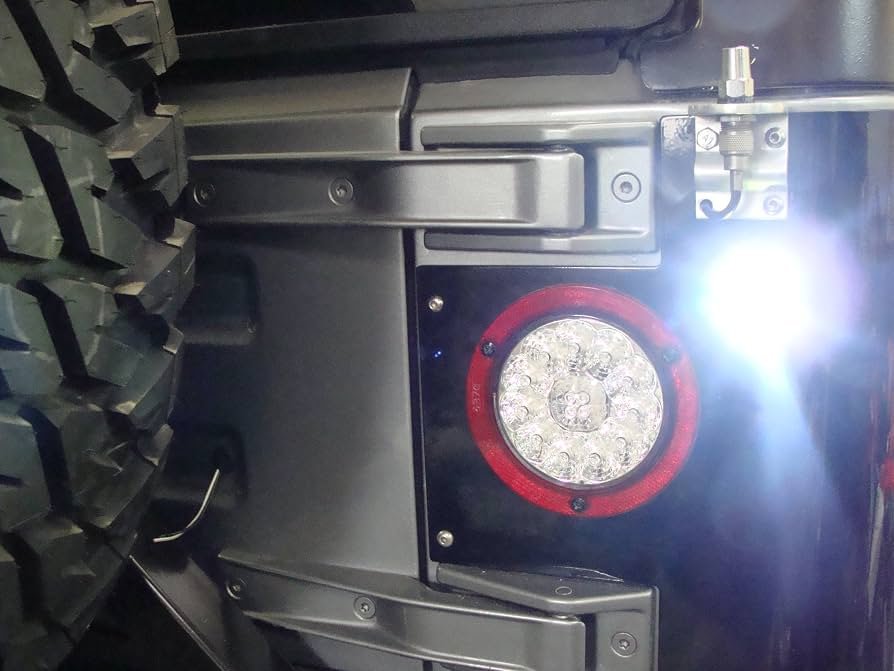
- Add a second switch at the rear of your Jeep for easy control while outside.
- Install a timer relay so the lights turn off automatically after a set time, preventing battery drain.
Both features add cost and wiring complexity, but they can make your setup more convenient and foolproof.
Legal Considerations
In many states, it’s illegal to use extra white rear-facing lights on public roads except when reversing. Always switch off your extra backup lights when driving forward.
On the trail or on private property, these lights are usually fine.
Check your local laws if you plan to use these lights in public. For more information, see the NHTSA lighting regulations.
Real-world Example: Wiring Led Pods On A 2004 Tj
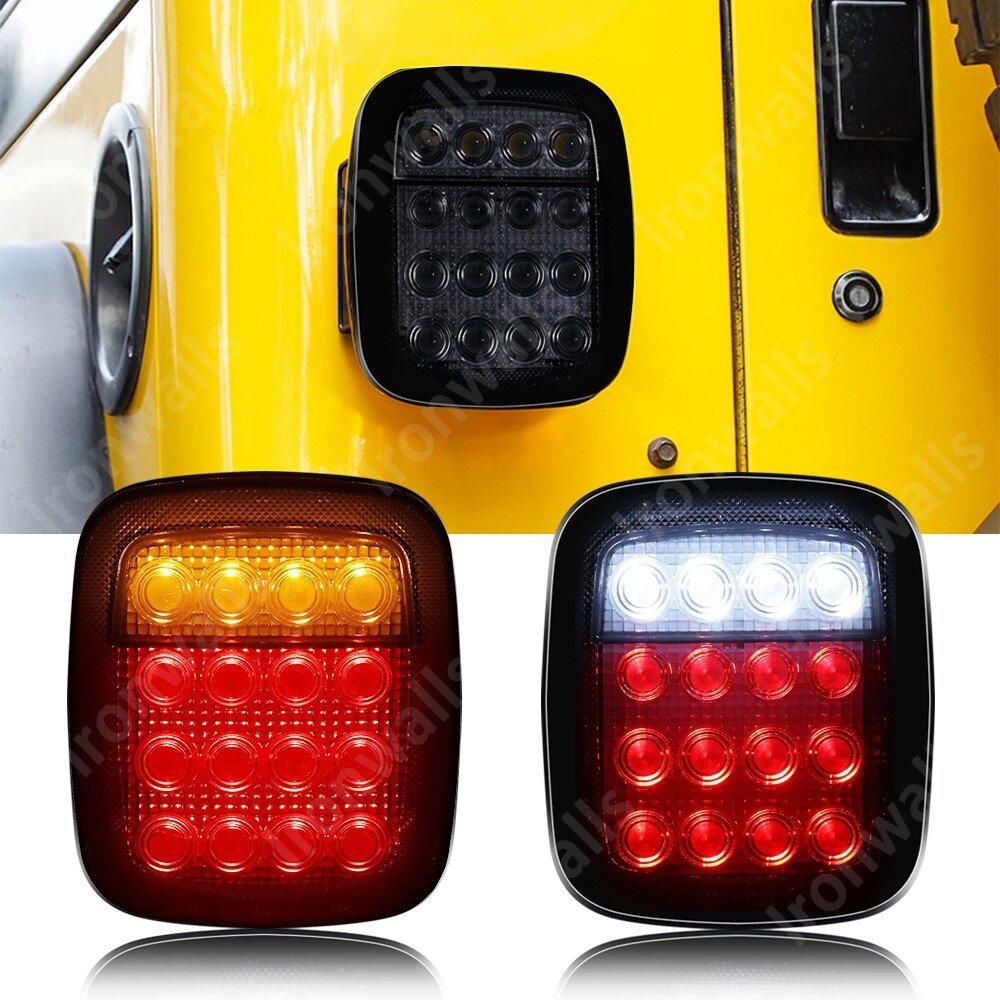
Let’s look at a practical example. Mark owns a 2004 Jeep Wrangler TJ and wants to add two 18W LED pods for better backup light.
- Mounting: Mark uses the bumper bolts to mount each pod. No drilling needed.
- Wiring: He runs 14-gauge wire from the battery, through a 30A relay and 15A fuse, to the pods.
- Control: Mark adds a 3-way switch on his dash for both automatic and manual modes.
- Testing: With the Jeep in reverse, both pods light up. The manual switch also works, and the factory reverse lights are unaffected.
After two winters, Mark has had no wiring issues. He used heat shrink tubing and zip ties to protect all his wires from snow, mud, and salt.
Cost And Time Estimates
Wiring extra backup lights on your Wrangler TJ is a budget-friendly upgrade. Here’s a breakdown:
| Item | Estimated Cost (USD) | Notes |
|---|---|---|
| LED light pods (pair) | $30–$60 | Choose waterproof, quality brands |
| Relay & fuse kit | $10–$15 | Includes socket and wiring |
| Wire & connectors | $10–$20 | Automotive grade, heat shrink |
| Switch (3-way) | $8–$15 | Waterproof if used outdoors |
| Total | $60–$110 | DIY labor, not including tools |
Expect to spend 2 4 hours on the project if you have basic tools and wiring knowledge.
Practical Tips For A Professional Result
- Label your wires with tape before routing them. This saves time if you need to troubleshoot later.
- Test-fit everything before making final connections. It’s easier to fix mistakes at this stage.
- Keep the wiring neat. Use zip ties every 6–8 inches, and avoid loose, dangling wires.
- Use dielectric grease on connections to prevent corrosion, especially if you drive in snow or mud.
- Check your work after a week. Vibrations can loosen connections—re-tighten if needed.
Frequently Asked Questions
What Size Wire Should I Use For Extra Backup Lights?
Use 14- or 16-gauge automotive wire for the main power and ground wires. For control or switch wires, 18-gauge is usually enough. Always use thicker wire if you plan to add more lights or run long wire lengths.
Can I Wire The Extra Lights Without A Relay?
It’s not recommended. Direct wiring can overload switches and factory wiring. A relay lets you safely control high current with a small switch, protecting your Jeep and making the system more reliable.
Where Do I Find The Reverse Light Wire On A Tj?
The reverse light wire is usually white with a pink tracer at the tail light harness. Use a multimeter or test light to confirm before tapping in. Double-check with your Jeep’s wiring diagram for your year and model.
Will Extra Backup Lights Drain My Battery?
If you use LED lights, power draw is low (usually 1–2 amps per pod). With a proper relay and fuse, battery drain is minimal, especially if you only use them while the engine is running. Always turn off manual mode when parked to avoid draining the battery.
Are Extra Backup Lights Legal On The Street?
Extra backup lights are legal to use only while reversing on public roads in most states. It’s illegal to drive forward with extra white rear-facing lights on. Always check your local laws before adding or using extra lights.
Adding extra backup lights to your Jeep Wrangler TJ is a project that gives big rewards for a small investment. With careful planning and quality parts, you’ll have better safety, more confidence on the trail, and a Jeep that stands out from the rest.