Wiring auxiliary lights on your Jeep Wrangler can make night driving, off-roading, and camping much safer and more enjoyable. Many Jeep owners add LED light bars, spotlights, or fog lights to boost visibility. However, doing the wiring incorrectly can lead to electrical problems or safety risks. Let’s walk through a clear, step-by-step guide so you can wire your auxiliary lights confidently—even if you’re not an expert.
What You Need Before You Begin
Before starting, gather all the necessary parts and tools. This not only saves time but also prevents mistakes later.
- Auxiliary lights (LED or halogen)
- Wiring harness with a relay and fuse
- Switch (toggle or rocker)
- Electrical tape and zip ties
- Wire stripper/crimper tool
- Ring terminals and connectors
- Multimeter for testing
Most light kits come with a wiring harness, but if yours doesn’t, you’ll need to buy one separately. Using a harness with a built-in relay and fuse is safer and easier than wiring everything from scratch.
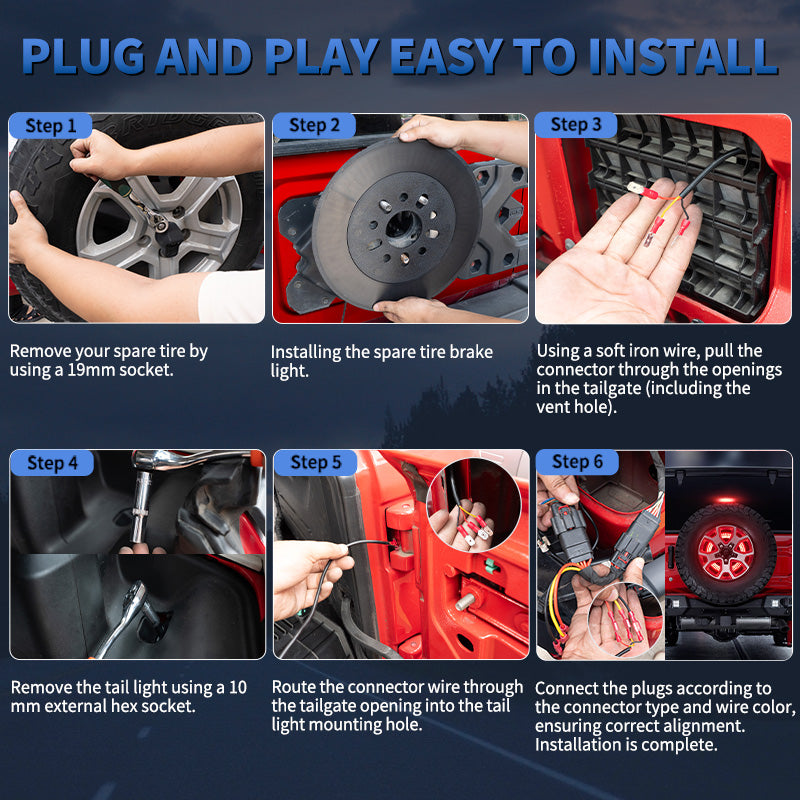
Understanding Basic Wiring: How It Works
Auxiliary lights draw power directly from the vehicle’s battery, not the existing headlight circuits. This prevents overloading stock wiring. The relay acts as a middleman, letting a small current from your switch control a larger current to the lights. The fuse protects against electrical shorts and fires.
Here’s a simple diagram:
| Component | Purpose | Location |
|---|---|---|
| Battery | Main power source | Under hood |
| Relay | Controls high current | Near battery |
| Switch | User control | Cabin/dashboard |
| Fuse | Short-circuit protection | Inline, near battery |
| Auxiliary Lights | Illumination | Bumper, roof, or grille |

Step-by-step: How To Wire Auxiliary Lights
Let’s break down the process so you can wire your Jeep’s auxiliary lights safely and efficiently.
1. Plan Your Mounting And Routing
Decide where to install your auxiliary lights—on the bumper, windshield, or roof. Test-fit them before wiring. Then, plan the wire route from the battery, through the relay, to the lights, and into the cabin for the switch. Avoid hot or moving parts like the exhaust and fan.
2. Mount The Lights
Use the brackets provided to secure the lights. Tighten bolts so the lights stay in place but can still be aimed.
Run the wires toward the engine bay, leaving some slack.
3. Connect Power To The Relay
Attach the wiring harness’s red power wire to the positive terminal of the battery. Always include the inline fuse close to the battery for safety.
4. Connect The Relay To The Lights
Run the harness’s output wire (usually also red) from the relay to the lights. Use waterproof connectors if possible. Secure the wires with zip ties to prevent movement.
5. Ground The Lights And Relay
Attach the black ground wire from the lights and relay to a clean, unpainted metal surface on the Jeep’s body or frame. Use a ring terminal for a solid connection.
6. Wire The Switch Inside The Cabin
Route the switch wire from the relay into the Jeep’s cabin. Find a suitable place for the switch—most people use a blank spot on the dashboard or near the steering wheel. Drill a hole if needed, then connect the harness to the switch.
7. Test Everything
Before finalizing the installation, test the system:
- Turn on the Jeep (engine running).
- Flip the switch—do the auxiliary lights work?
- Check for flickering or dimming.
- If something’s wrong, use a multimeter to check for voltage at each point.
Secure all wires with zip ties and electrical tape. Double-check that nothing is loose or touching hot surfaces.
Common Mistakes And How To Avoid Them
Wiring auxiliary lights might seem simple, but many first-timers make errors. Here are a few easy-to-miss mistakes:
- Skipping the relay: Direct wiring can melt wires or blow fuses.
- Poor grounding: Always sand away paint for a metal-to-metal ground.
- Not using a fuse: A missing fuse puts your Jeep at risk of fire.
- Wires too close to heat: Keep all wires away from the engine or exhaust.
- Loose connections: Use crimp connectors, not just twisted wires.
These mistakes can cause lights to fail, kill your battery, or even damage the Jeep’s electronics. Take your time with each step.
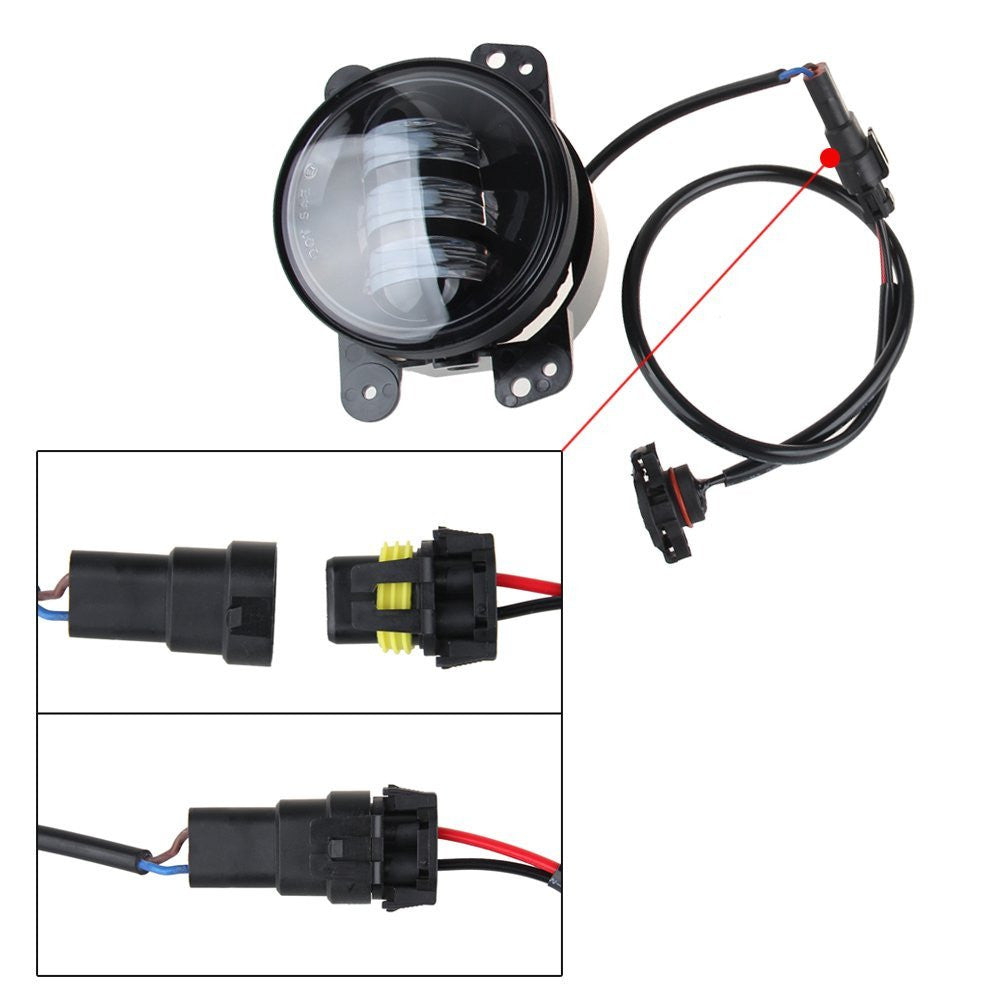
Choosing The Right Auxiliary Lights
Not all lights are the same. Here’s a quick comparison of popular types for the Jeep Wrangler:
| Type | Brightness (Lumens) | Best Use | Drawback |
|---|---|---|---|
| LED Bar | 10,000-30,000 | Wide, off-road | Glare on-road |
| Spotlight | 1,500-8,000 | Long range | Narrow beam |
| Flood Light | 2,000-10,000 | Work area | Short distance |
| Fog Light | 1,000-3,000 | Poor weather | Low output |
Choose lights based on your main use—off-roading, highway driving, or work situations. LEDs use less power and last longer than halogen.
Practical Tips For A Cleaner, Safer Install
- Use heat-shrink tubing instead of just electrical tape for weatherproofing.
- Route wires through existing grommets in the firewall to prevent leaks.
- Label wires under the hood so you know what’s what in the future.
- If unsure, look up your Jeep’s wiring diagram or seek help from forums like Wrangler Forum.

Frequently Asked Questions
How Many Auxiliary Lights Can I Add To My Jeep Wrangler?
The number depends on your alternator’s output and battery capacity. Most Wranglers can handle 2-4 auxiliary lights with a proper relay and fuse. Too many lights can drain the battery quickly.
Can I Connect Auxiliary Lights To My Factory Fog Light Switch?
It’s possible, but not recommended for high-power lights. The factory switch and wiring are not designed for extra load. Always use a relay and dedicated switch for safety.
What Gauge Wire Should I Use?
For most LED lights, 14 or 16-gauge wire is enough. For high-power halogens, use 12-gauge wire to prevent overheating.
Do I Need To Disconnect The Battery During Installation?
Yes. Always disconnect the negative battery terminal before starting any electrical work. This prevents accidental shorts and protects you from shocks.
Why Do My Lights Flicker After Installation?
Flickering is often caused by poor ground connections or a weak relay. Double-check all grounds and replace the relay if needed. Sometimes, using relays rated for higher amperage helps.
Wiring auxiliary lights on your Jeep Wrangler might seem challenging, but with the right tools, patience, and attention to detail, you’ll have a reliable lighting upgrade for your adventures. Take your time, follow these steps, and enjoy better visibility wherever you go.