Keeping your Jeep clean isn’t just about looks it’s about protecting your investment. A dirty Jeep can hide scratches, reduce visibility, and even cause rust over time.
Whether you drive off-road or stick to city streets, washing your Jeep the right way helps keep it in top shape.
Many Jeep owners miss key steps, so let’s break down how to wash a Jeep safely and efficiently.
Preparing Your Jeep For Washing
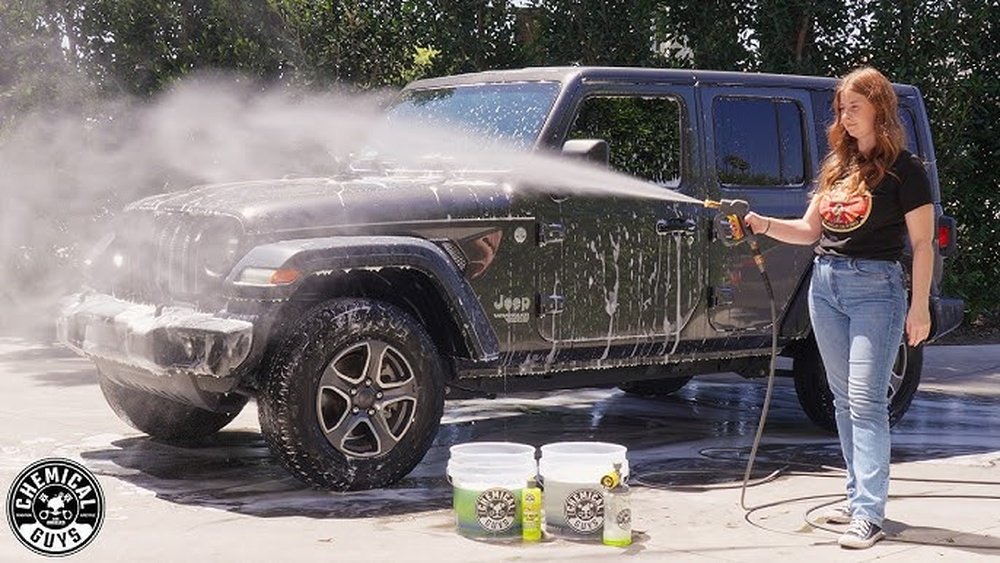
Before you start, park your Jeep in a shaded spot. Direct sunlight can cause soap and water to dry too quickly, leaving spots. Remove any loose items inside and outside the vehicle. Close all windows and doors tightly to prevent leaks. If you have removable parts like the soft top, check your owner’s manual for cleaning instructions.
Gather these supplies:
- Automotive soap (not dish soap)
- Two buckets (one for soap, one for rinsing)
- Soft wash mitt or sponge
- Wheel brush
- Microfiber towels
- Hose with spray nozzle
Rinsing And Loosening Dirt
Begin by rinsing your Jeep with water. Use a hose or pressure washer on a gentle setting. Focus on the wheel wells, undercarriage, and bumpers—these areas collect the most mud and debris. This step removes loose dirt, making washing easier and preventing scratches.
Here’s a quick comparison of rinsing tools:
| Tool | Effectiveness | Risk of Damage |
|---|---|---|
| Garden hose | Moderate | Low |
| Pressure washer | High | Medium |
| Buckets | Low | None |
If using a pressure washer, keep the nozzle at least 12 inches from the paint to avoid chipping.
Washing The Exterior
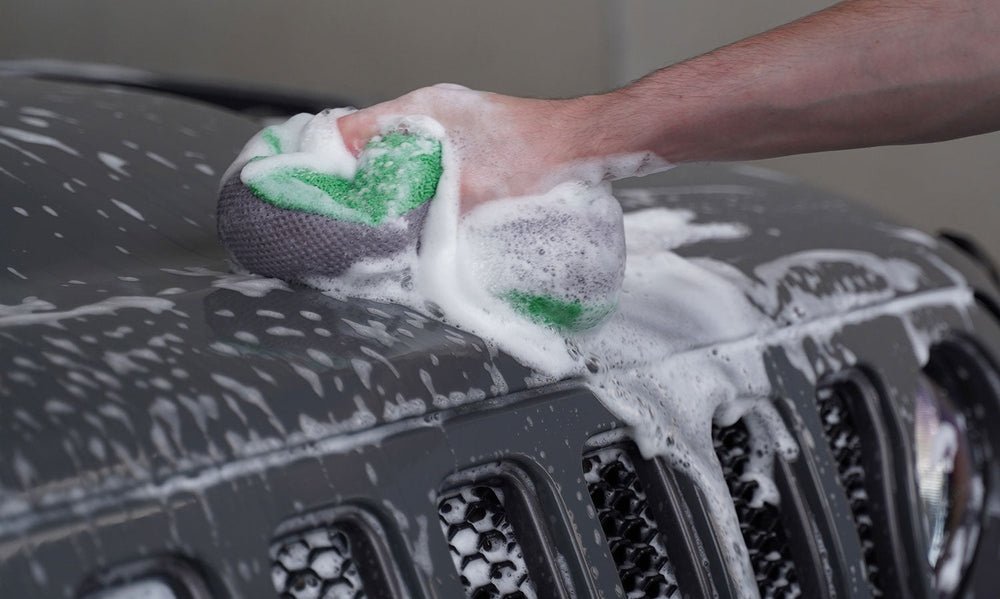
Fill one bucket with automotive soap and water, and another with clean water for rinsing your mitt. Start from the roof and work your way down. This prevents dirty water from dripping onto cleaned surfaces. Wash one section at a time, rinsing your mitt in the clean water bucket often.
Use gentle circular motions. Pay extra attention to places where mud collects like the grille, fenders, and under the doors.
For stubborn dirt, let the soap sit for a few minutes before scrubbing.
When washing the wheels and tires, use a separate brush and soap. Wheels often have brake dust and grime that can scratch the paint if mixed.
| Area | Recommended Tool | Cleaning Frequency |
|---|---|---|
| Body panels | Wash mitt | Every wash |
| Wheels | Wheel brush | Weekly |
| Undercarriage | Hose/pressure washer | Monthly or after off-roading |
Drying And Spot Prevention
After rinsing off soap, dry your Jeep with microfiber towels. Air drying causes water spots, especially on dark paint. Wipe in straight lines rather than circles to avoid streaks.
For best results:
- Start at the roof and work downward.
- Use separate towels for windows and paint.
- Dry door jambs and under the hood.
Microfiber towels absorb water quickly and reduce risk of scratches. Don’t forget to dry the wheels they can rust if left wet.
Cleaning The Interior
A clean interior makes every drive better. Remove floor mats and shake out dirt.
Vacuum the seats, carpets, and under the pedals. Wipe surfaces with a damp microfiber cloth.
For tough stains, use a mild interior cleaner.
If your Jeep has removable carpets or drain plugs, take advantage and rinse them with water. Let them dry completely before reinstalling.
Addressing Hard-to-reach Areas
Many Jeeps have small crevices and rugged features. Dirt hides in places like door hinges, under the fender flares, and behind the grille. Use a soft brush or compressed air for these areas.
Here’s a comparison of cleaning tools for tight spots:
| Tool | Best For | Cost |
|---|---|---|
| Soft detailing brush | Door hinges, badges | $5–$15 |
| Compressed air | Vents, tight gaps | $10–$30 |
| Cotton swabs | Small crevices | Under $5 |
Protecting Your Jeep After Washing
Once your Jeep is clean, consider applying a coat of wax or paint sealant. This protects the paint from UV rays, road salt, and mud. Waxing every 2–3 months keeps your Jeep shiny and easier to clean next time.
For the interior, use a UV protectant on dashboard and plastic parts. This prevents fading and cracking, especially in sunny areas.
Common Mistakes And Tips
Many Jeep owners make these mistakes:
- Using dish soap: It strips protective wax.
- Washing in direct sunlight: Causes water spots.
- Ignoring the undercarriage: Leads to rust.
- Using dirty towels: Can scratch paint.
Here are two non-obvious tips:
- Don’t forget the tailgate hinges. These often hide mud and need extra attention.
- Check drainage holes after washing. Water can pool and cause rust if these are blocked.
If you want more details about automotive care, visit Wikipedia.
Frequently Asked Questions
How Often Should I Wash My Jeep?
Most owners wash their Jeep every 2 4 weeks. If you go off-road or drive in winter salt, wash it more often sometimes weekly.
Is Pressure Washing Safe For A Jeep?
Pressure washing is safe if you use a low-pressure setting and keep the nozzle 12 inches from the paint. Avoid spraying directly at seals or electronics.
Can I Wash A Jeep With A Soft Top?
Yes, but use mild soap and a soft brush. Avoid harsh chemicals and high-pressure water, which can damage the fabric or seals.
What’s The Best Soap For Washing A Jeep?
Use automotive soap designed for cars. Avoid dish soap, as it removes wax and can harm paint.
How Do I Prevent Water Spots?
Wash your Jeep in shade, rinse thoroughly, and dry with microfiber towels. Hard water causes spots, so use filtered water if possible.
A clean Jeep isn’t just about pride it’s about keeping your vehicle strong and reliable. With the right tools and a smart routine, washing your Jeep becomes easy and rewarding.
Take care of the details, and your Jeep will look great for years to come.