Every Jeep owner knows the value of tow hooks. Whether you’re off-roading or facing tough weather, these metal hooks can be your best friend. But many drivers don’t fully understand how to use them safely. Misusing tow hooks can damage your Jeep or even cause injury. This guide shows you exactly how to use Jeep tow hooks the right way, with practical advice, safety tips, and real-world examples.
What Are Jeep Tow Hooks?
Tow hooks are strong, U-shaped metal loops attached to your Jeep’s frame. They let you pull your Jeep out of mud, snow, or sand. You can also help another vehicle in trouble. Tow hooks are usually found on the front and rear bumpers of most Jeep models, including the Wrangler, Gladiator, and Grand Cherokee.
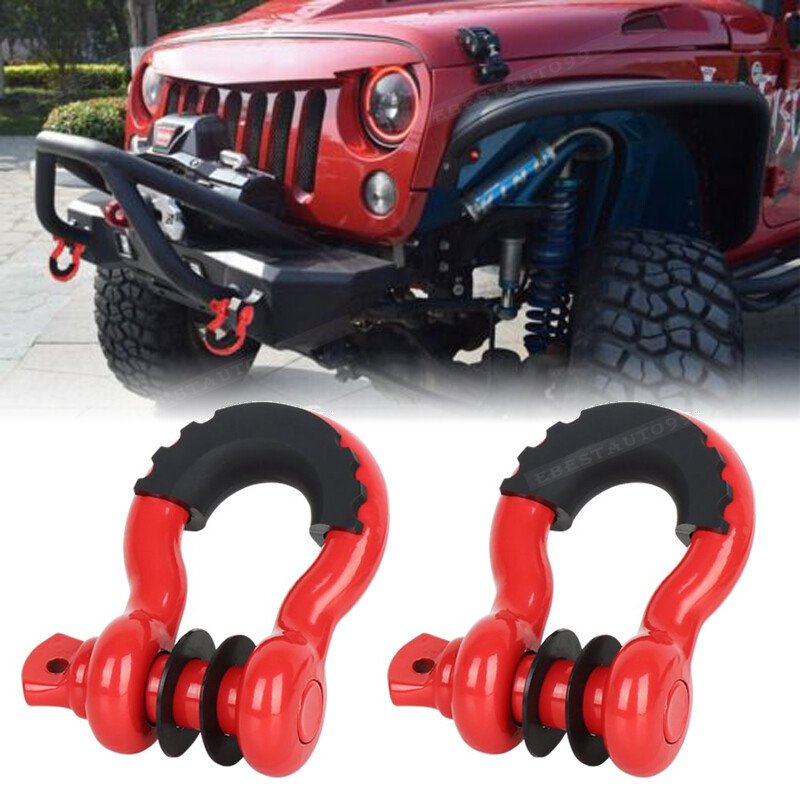
Not all hooks are the same. Some are open hooks, while others are closed rings called D-rings or shackles. Both serve the same purpose, but their design affects how you attach ropes or straps.
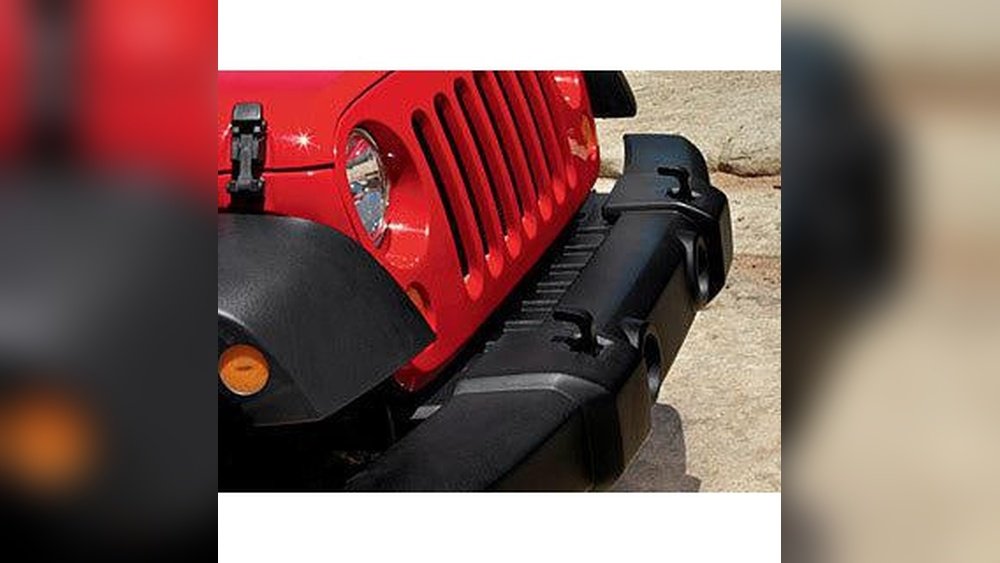
Tow Hook Placement By Model
Here’s a quick comparison of where tow hooks are located on popular Jeep models:
| Jeep Model | Front Tow Hook | Rear Tow Hook |
|---|---|---|
| Wrangler JL | Yes (both sides) | Yes (center or side) |
| Gladiator | Yes (both sides) | Yes (center) |
| Grand Cherokee | Optional | Optional |
Knowing the location and type of hook on your Jeep is the first step to safe towing.
How To Use Jeep Tow Hooks Safely
Using tow hooks seems simple, but mistakes are common. Here’s how to do it right:
1. Inspect The Hooks
Always check your tow hooks before use. Look for cracks, rust, or damage. A broken hook can snap under pressure.
2. Choose The Right Gear
Use a recovery strap (not a chain or regular rope) with a rating higher than your Jeep’s weight. Most Jeeps weigh between 4,000 and 5,000 pounds. Choose straps rated for at least 18,000 lbs for off-road recovery.
- Attach Securely
- For open hooks, loop the strap into the hook so it sits deep inside the curve.
- For D-rings or shackles, unscrew the pin, thread the strap loop inside, then re-tighten.
- Always center the strap in the hook to spread the load evenly.
- Clear the Area
Stand clear before pulling. Never straddle the strap if it snaps, it can whip back with deadly force.
5. Use Low, Steady Force
Pull slowly using the Jeep’s lowest gear. Avoid jerky movements.
Sudden yanks can break the hook or strap.
6. Communicate Clearly
Use hand signals or a walkie-talkie with the other driver. Miscommunication can lead to accidents.
Strap Ratings And Safe Limits
Here’s a quick guide to strap ratings:
| Strap Rating (lbs) | Recommended Vehicle Weight | Use Case |
|---|---|---|
| 10,000 | Up to 2,500 lbs | ATVs, small cars |
| 18,000 | Up to 5,000 lbs | Jeeps, SUVs |
| 30,000 | Up to 8,000 lbs | Trucks, large SUVs |
Never use a strap with a rating lower than your Jeep’s weight.
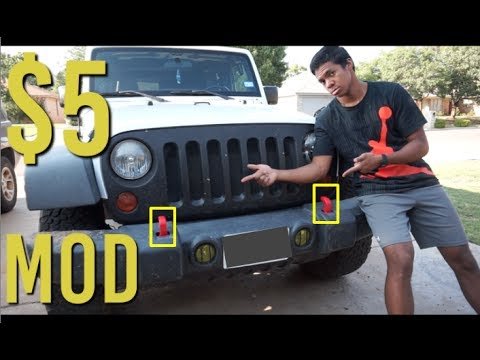
Common Mistakes To Avoid
Even experienced off-roaders sometimes get it wrong. Watch out for these errors:
- Using the Wrong Attachment Point
Do not use the bumper, axle, or suspension as a tow point. Only use the factory tow hooks.
- Twisting the Strap
A twisted strap can weaken the pull. Keep it flat and untangled.
- Exceeding Hook Capacity
Overloading a hook can cause it to fail. Always check its rating.
- Improper Shackling
If using a D-ring, never hand-tighten it all the way. Leave it backed off half a turn to avoid jamming under stress.
- Ignoring the Angle
Pull in line with the hook, not at a sharp angle. Side pulls can bend or break the hook.
Two insights many beginners miss:
First, never trust tow points added by previous owners unless you know their quality. Second, always lay a jacket or recovery damper over the strap when recovering. This helps absorb energy if something breaks.
Real-world Recovery Example
Imagine you’re off-roading in a Jeep Wrangler and get stuck in deep mud. Here’s how you’d use your tow hooks:
- Check both vehicles’ hooks for damage.
- Attach an 18,000-lb recovery strap to the front tow hook.
- Make sure bystanders stand at least 20 feet away.
- Communicate with the recovery driver and pull gently until you’re free.
If you skip any step, you risk injury or damage. Proper use matters.
When Not To Use Tow Hooks
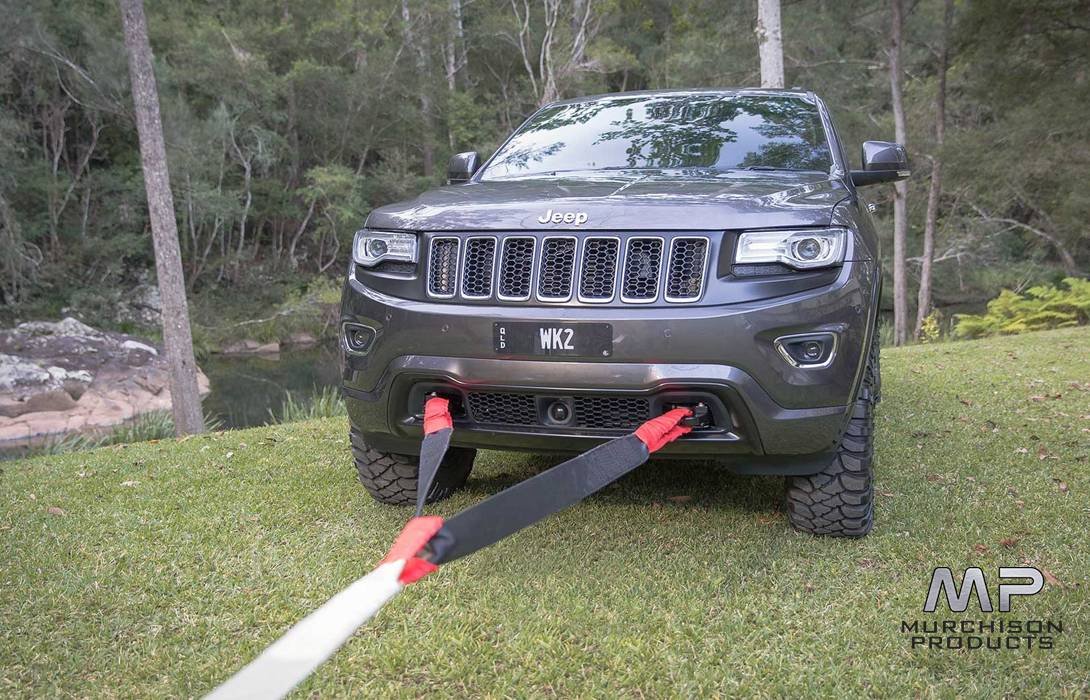
Tow hooks are for straight-line recovery only. Do not use them for towing long distances on the road. Never use them with winches unless the manual says it’s safe. If you need to tow your Jeep far, use a flatbed or approved towing setup.
Comparing Tow Hooks Vs. Other Recovery Points
Not all recovery points are equal. Here’s how Jeep tow hooks compare to other options:
| Recovery Point | Strength | Ease of Use | Best For |
|---|---|---|---|
| Factory Tow Hook | High | Easy | Most Jeep recoveries |
| Aftermarket D-ring | Very High | Moderate | Heavy-duty recovery |
| Bumper Loop | Low | Easy | Light pulls only |
| Axle/Suspension | Very Low | Difficult | Never recommended |
Always use the strongest, purpose-built point for maximum safety.
Frequently Asked Questions
What Is The Maximum Weight Jeep Tow Hooks Can Handle?
Most factory Jeep tow hooks are rated for about 10,000 pounds. Always check your owner’s manual for the exact rating. Aftermarket hooks can handle more but must be properly installed.
Can I Use A Winch With Jeep Tow Hooks?
You can use a winch with tow hooks if the hook is rated for it and the recovery is straight. However, some hooks are not designed for the high, constant load of winching.
Always follow your Jeep’s manual and use a proper recovery point.
Are Tow Hooks And Tow Hitches The Same?
No, tow hooks are for quick recoveries and pulling, while tow hitches are for towing trailers on the road. Do not use tow hooks for highway towing.
How Often Should I Inspect My Jeep’s Tow Hooks?
Check your tow hooks every few months, especially after off-roading. Look for rust, cracks, or bends.
Replace any damaged hook before your next trip.
Where Can I Learn More About Off-road Recovery?
You can find more details in the official off-roading guide on Wikipedia.
Jeep tow hooks are a simple but powerful tool. Used correctly, they keep you safe and your adventures fun. Always respect their limits, use the right equipment, and remember: a few minutes of care can prevent a world of trouble.