Driving a Jeep with 4×4 capability opens a world of adventure, but it also brings new controls and responsibilities. Many first-time Jeep owners feel unsure about how and when to use their 4×4 system. Using it correctly not only improves off-road performance, but also helps protect your vehicle from expensive damage. This guide will help you master your Jeep 4×4, avoid common mistakes, and enjoy a smoother, safer ride wherever you go.
Understanding Jeep 4×4 Systems
Jeep vehicles offer a variety of 4×4 systems, each designed for different needs. Most models include part-time or full-time 4WD.
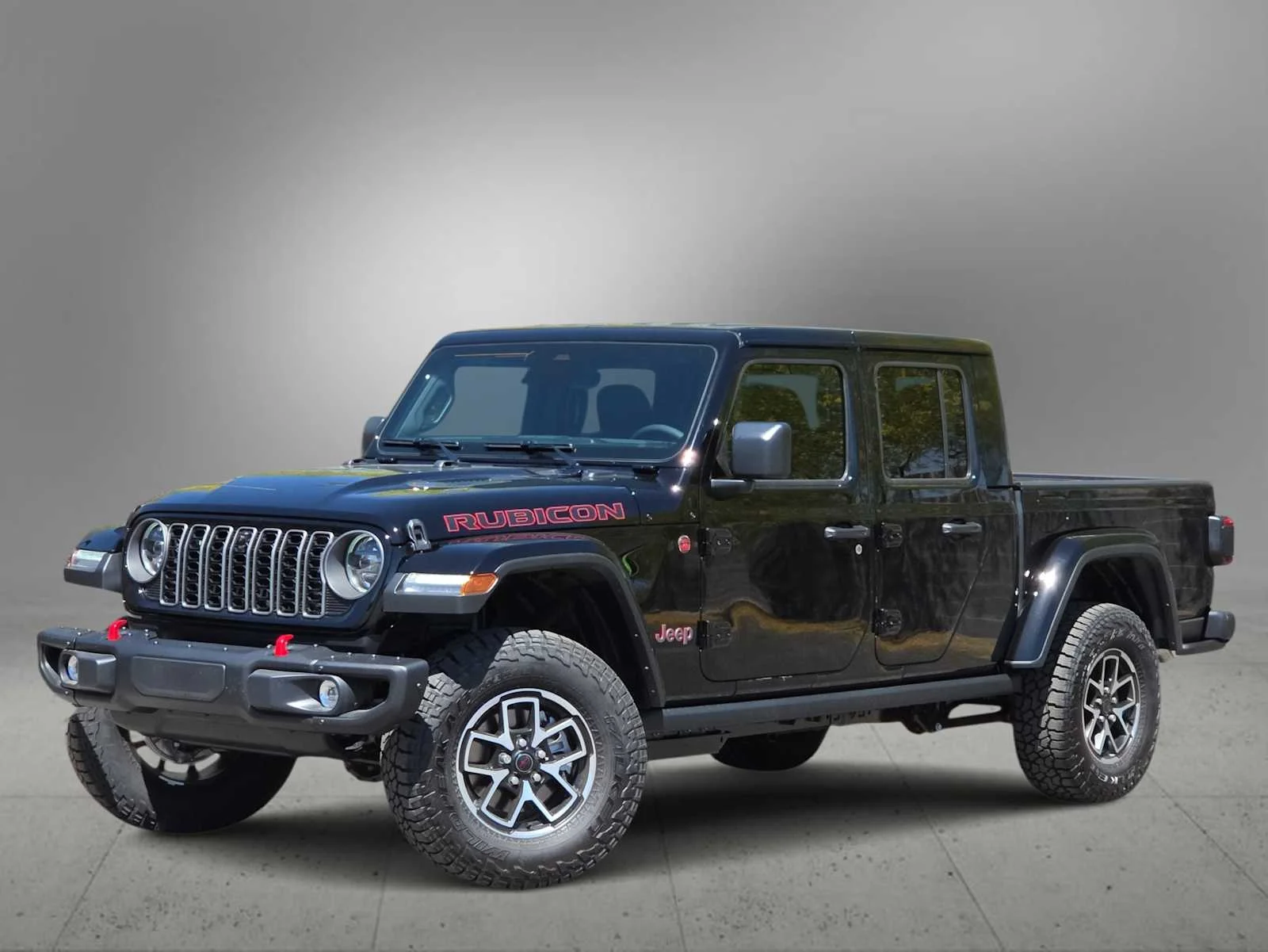
Part-time 4WD is common on the Wrangler and Gladiator. You choose when to engage 4×4. Full-time 4WD is found on the Grand Cherokee and some Cherokee models. It manages power automatically.
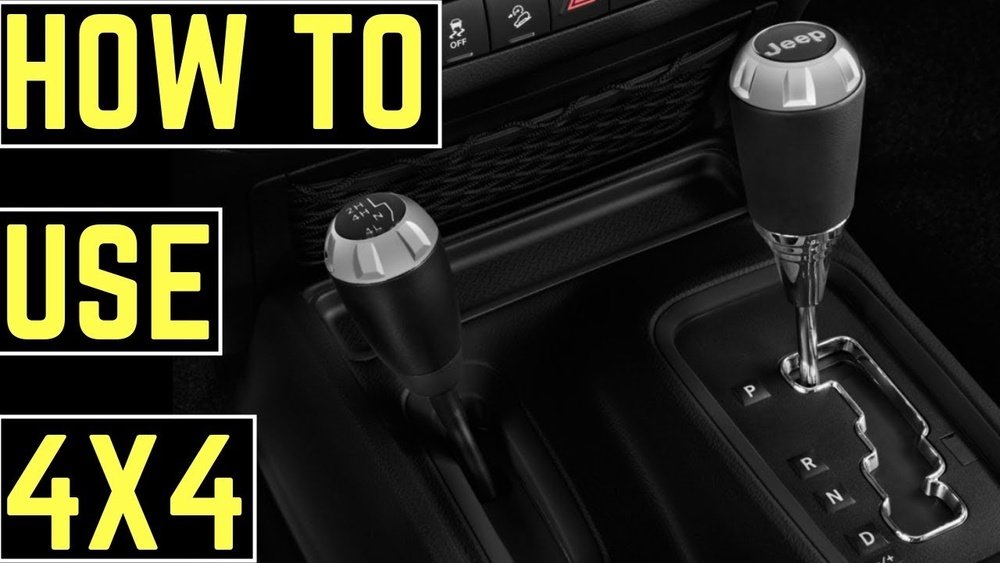
Here’s a quick look at main Jeep 4×4 modes:
| Mode | When to Use | Key Benefit |
|---|---|---|
| 2H (Two-Wheel Drive High) | Dry, paved roads | Best fuel economy |
| 4H (Four-Wheel Drive High) | Snow, sand, light off-road | Extra traction at normal speeds |
| 4L (Four-Wheel Drive Low) | Deep mud, rocks, steep hills | Maximum power at low speed |
Key insight: Not all 4×4 systems are the same. Check your Jeep’s owner manual for details about your specific model.
How To Engage And Use Jeep 4×4
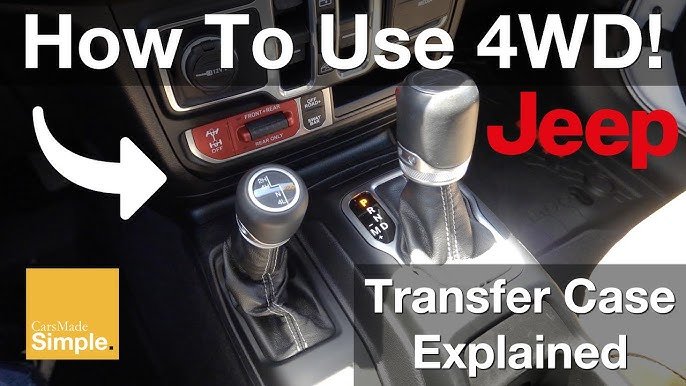
Switching between 2H, 4H, and 4L is simple once you know the basics. Here’s how to do it safely:
- 2H to 4H: Slow down to under 55 mph. Shift the lever or turn the knob to 4H. Most systems allow shifting “on the fly,” so you don’t need to stop.
- 4H to 4L: Come to a complete stop. Shift to neutral, then move the lever to 4L. Never shift to 4L while moving—it can damage your Jeep.
- Returning to 2H: For part-time systems, slow to under 55 mph and shift back to 2H.
Practical tip: Always engage 4×4 before you get stuck, not after. If you wait until your wheels are spinning, it may be too late.
When To Use Each Jeep 4×4 Mode
Knowing when to use each mode is vital. Using the wrong mode can cause tire wear or drivetrain damage.
| Situation | Best 4×4 Mode | Reason |
|---|---|---|
| Paved roads, dry weather | 2H | Prevents drivetrain stress |
| Rain, light snow, gravel | 4H | Extra grip, safe handling |
| Deep snow, mud, rocks | 4L | Controlled power, low speed |
Common mistake: Using 4H or 4L on dry pavement. This can cause “driveline binding,” making turning difficult and wearing out parts.
Real-world Example: Off-roading With Jeep 4×4
Imagine you’re heading off-road after a night of rain. The trail is muddy with steep inclines. Here’s what to do:
- Start in 4H as you enter the muddy section. This will give you better traction.
- If you reach a steep, slippery hill, stop and shift to 4L in neutral. This will let you climb slowly and safely.
- After the hill, if the path becomes less challenging, shift back to 4H or 2H as conditions improve.
Non-obvious insight: If you hear tire “chirping” or feel tightness in turns, you might be in the wrong mode for the surface.
Key Features And Controls In Jeep 4×4
Modern Jeeps include helpful features that make using 4×4 easier:
- Selec-Terrain® System: Found in Grand Cherokee and Cherokee, lets you pick terrain modes like Snow, Sand, Mud, or Rock with a dial.
- Hill Descent Control: Helps control your speed when going down steep hills.
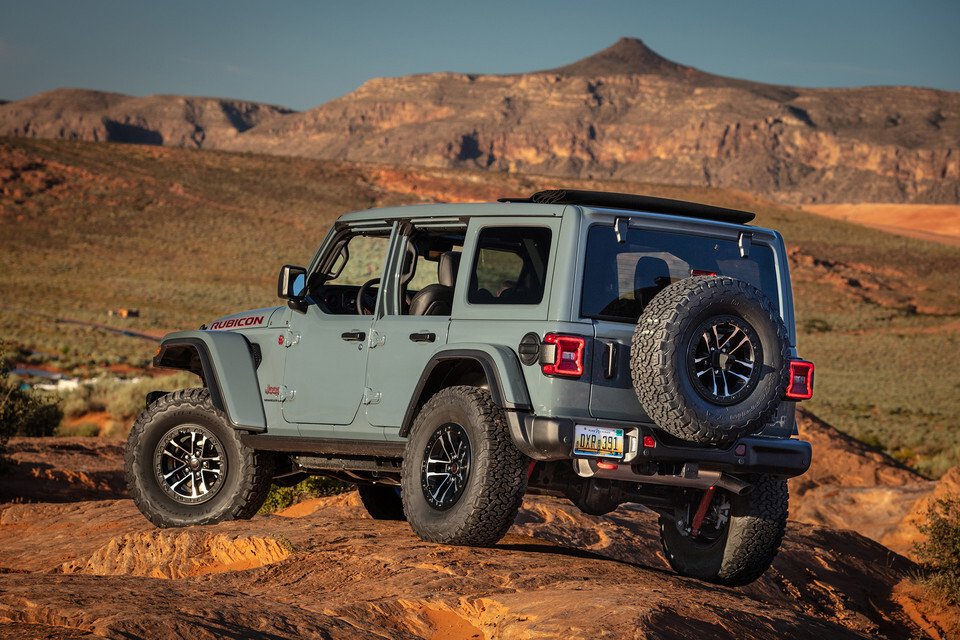
- Locking Differentials: Found in Rubicon models, these help keep both wheels turning together for tough spots.
These features are not just for show. For example, using Hill Descent Control on a steep decline can prevent sliding and loss of control.
Maintenance Tips For Your Jeep 4×4
Regular maintenance is key to a reliable 4×4 system. Here’s what to remember:
- Check transfer case fluid every 30,000 miles or as your manual suggests.
- Inspect CV joints and drive shafts for damage after tough off-roading.
- Test 4×4 engagement a few times a year, even if you don’t use it often.
Ignoring these steps can lead to costly repairs or system failure when you need it most.
What Beginners Overlook
Many new Jeep owners forget these important details:
- Tire pressure matters. Lowering air pressure (to about 18-22 psi) gives better grip off-road, but always reinflate before highway driving.
- Spare tire and recovery gear. Never venture off-road without a full-size spare, tow strap, and basic tools. Even experienced drivers get stuck.
- Read the manual. Each Jeep model can have unique features or limitations. A 4×4 system on a Wrangler is not the same as on a Compass.
Frequently Asked Questions
How Fast Can I Drive In 4h?
Most Jeeps allow driving up to 55 mph in 4H. Always check your manual, as speeds above this can damage the system.
Is It Safe To Use 4×4 On The Highway?
Only use 4H or 4L on loose or slippery roads. On dry pavement, stick with 2H to avoid damage.
Can I Switch To 4l While Moving?
No. Always come to a full stop and shift to neutral before engaging 4L. Shifting while moving can harm your Jeep.
What Is The Difference Between Awd And 4×4?
AWD (All-Wheel Drive) works automatically and is best for on-road use. 4×4 lets you choose modes and is designed for challenging off-road conditions. For a deeper explanation, see this Wikipedia article.
What Should I Do If My Jeep Gets Stuck?
Stay calm. Shift to 4L, try gentle rocking (forward and back), and use traction aids if available. Avoid spinning tires—this can dig you in deeper.
Getting the most from your Jeep’s 4×4 system means understanding how it works and when to use each mode. With regular practice, you’ll feel confident on any terrain.
Remember, preparation and smart choices keep you safe and help your Jeep last for years of adventure.