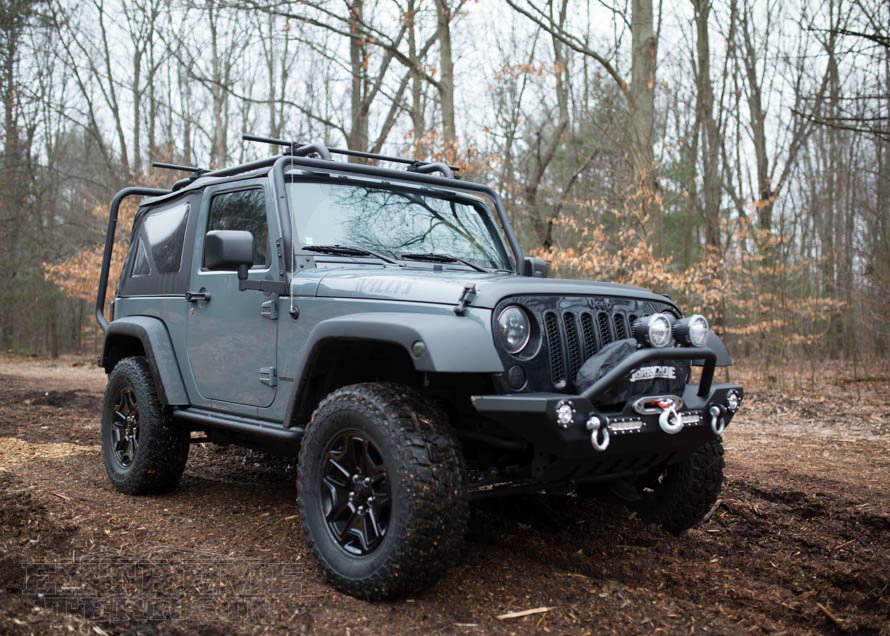
Getting stuck in mud, sand, or snow is a common challenge for off-road enthusiasts. For many, a Jeep winch is the essential tool that turns a risky situation into a manageable one. Knowing how to use a Jeep winch correctly keeps you safe, protects your vehicle, and ensures you get back on the trail quickly. This guide will walk you through every step, from setup to safe recovery, with clear instructions and practical tips.
Understanding Jeep Winches
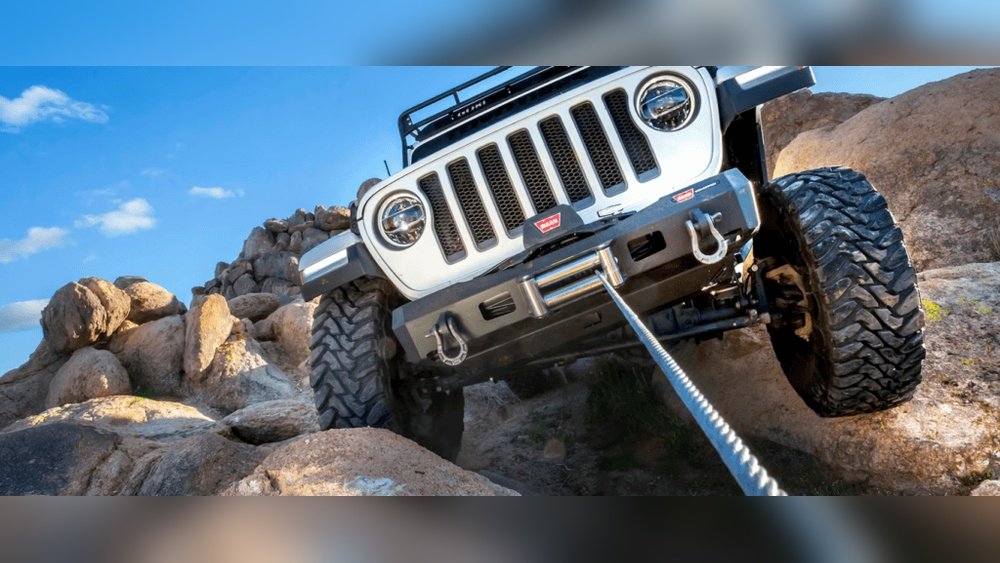
A winch is a mechanical device mounted on your Jeep’s front bumper. It uses a strong cable or synthetic rope, powered by an electric motor, to pull your vehicle out of tough spots. Most Jeep winches are rated between 8,000–12,000 lbs, which suits most off-road vehicles.
Here’s a quick comparison of the two main types of winch lines:
| Type | Strength | Weight | Safety |
|---|---|---|---|
| Steel Cable | Very high | Heavy | Can snap dangerously |
| Synthetic Rope | High | Light | Safer if it breaks |
Steel cables last longer but are heavier and can whip dangerously if they snap. Synthetic ropes are easier to handle and safer but need more care to avoid abrasion.
Preparing For Winching
Before you start, check your winch and recovery gear. This step is often skipped, but it prevents accidents and equipment damage.
- Inspect the winch line for fraying, kinks, or corrosion.
- Check the remote control and make sure the Jeep’s battery is strong.
- Wear gloves to protect your hands, especially with steel cable.
- Keep recovery gear ready: Tree strap, shackles, and a damper.
Here’s how your basic recovery kit should look:
| Item | Purpose | Common Mistake |
|---|---|---|
| Tree Strap | Protects anchor tree | Using rope damages tree |
| Shackle | Connects winch line | Loose pin can fall out |
| Damper | Reduces snap risk | Often forgotten |
Always double-check your kit before heading out.
Step-by-step Winching Process
Once you’re ready, follow these clear steps to use your Jeep winch safely:
- Find a solid anchor: Choose a tree, rock, or another vehicle directly in front of your Jeep. Avoid weak or dead trees.
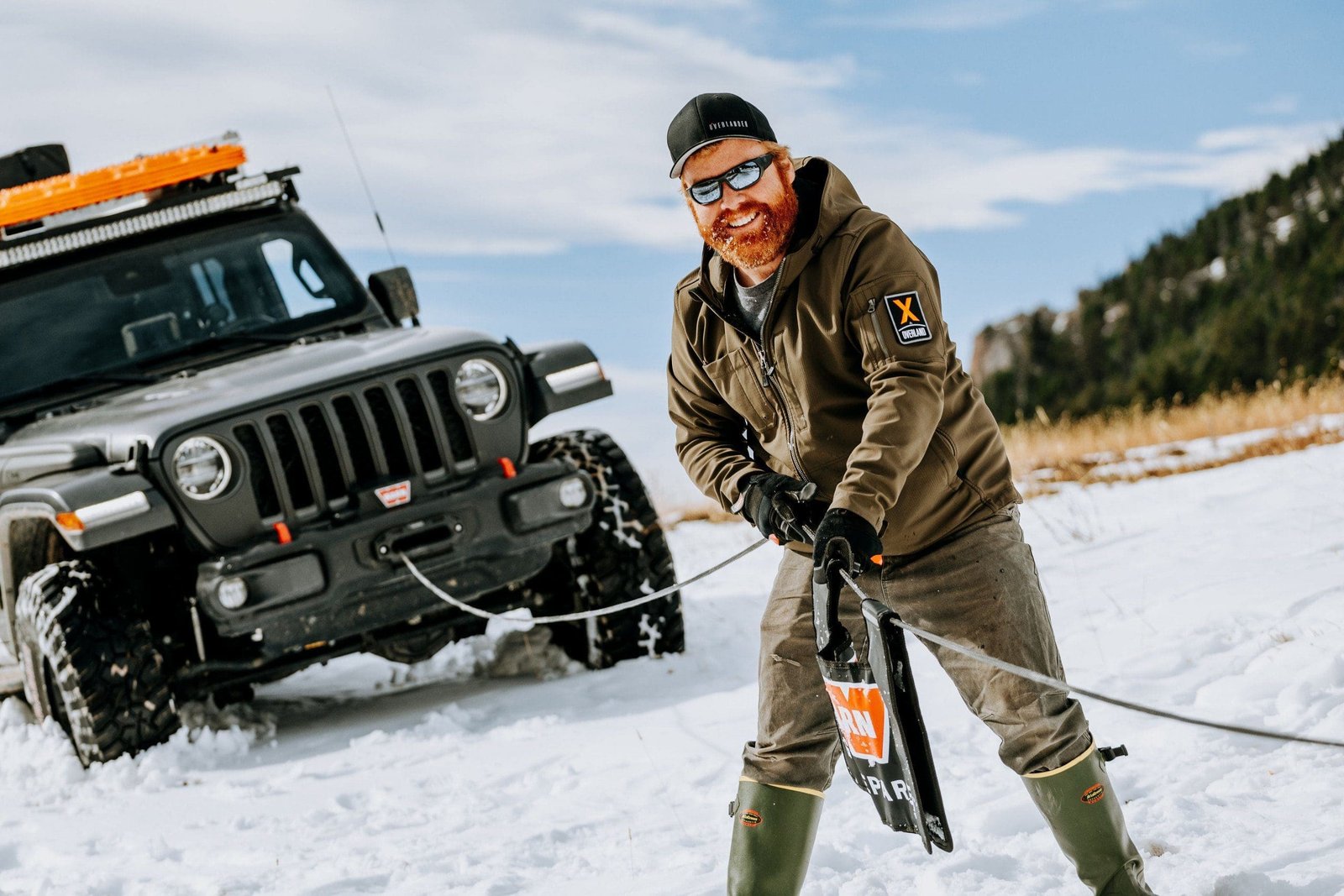
- Set up the winch line: Put the winch in “free spool” mode. Pull out enough cable to reach the anchor. Use a tree strap to protect the anchor and connect the cable with a shackle.
- Add a damper: Place a winch damper or heavy jacket over the cable to reduce risk if it snaps.
- Check your angle: The winch line should be as straight as possible. Angled pulls can damage the winch or cable.
- Clear the area: Make sure everyone stands at least 10 feet away from the cable.
- Start winching: Switch the winch to “power in” mode. Use the remote to slowly pull the cable in. Keep your Jeep in neutral; never accelerate while winching.
- Monitor the process: Stop every few feet to check the cable, anchor, and Jeep’s position.
- Finish and rewind: Once recovered, rewind the cable evenly onto the drum. Clean and inspect all gear before storing.
Common Mistakes And How To Avoid Them
Even experienced off-roaders sometimes make errors. Here are two mistakes beginners often miss:
- Overloading the winch: Your winch rating should be 1.5 times your Jeep’s weight. Using a smaller winch can cause overheating or breakage.
- Skipping cable dampers: Many think it’s unnecessary, but a damper can prevent serious injury if the cable snaps.
Another overlooked tip: winch slowly. Fast winching overheats the motor and stresses the cable.
Practical Safety Tips
Safety is crucial when using a Jeep winch. Follow these rules to avoid injuries and equipment damage:
- Always use gloves when handling the cable.
- Never let the winch line run through your hands.
- Keep bystanders away from the winch line path.
- Turn off the Jeep’s engine during winching unless the battery is weak.
- Use the winch in short bursts; let the motor cool between pulls.
Real-world Example
Imagine you’re off-roading in the Rocky Mountains. Your Jeep gets stuck in deep mud. You spot a strong pine tree 20 feet ahead. Here’s how you recover:
- Attach a tree strap around the pine.
- Connect the winch line with a shackle.
- Drape a jacket over the cable as a damper.
- Use the remote to slowly pull your Jeep forward.
- Once unstuck, rewind the cable and pack away your gear.
This simple process can save hours and prevent expensive towing fees.
Choosing The Right Winch
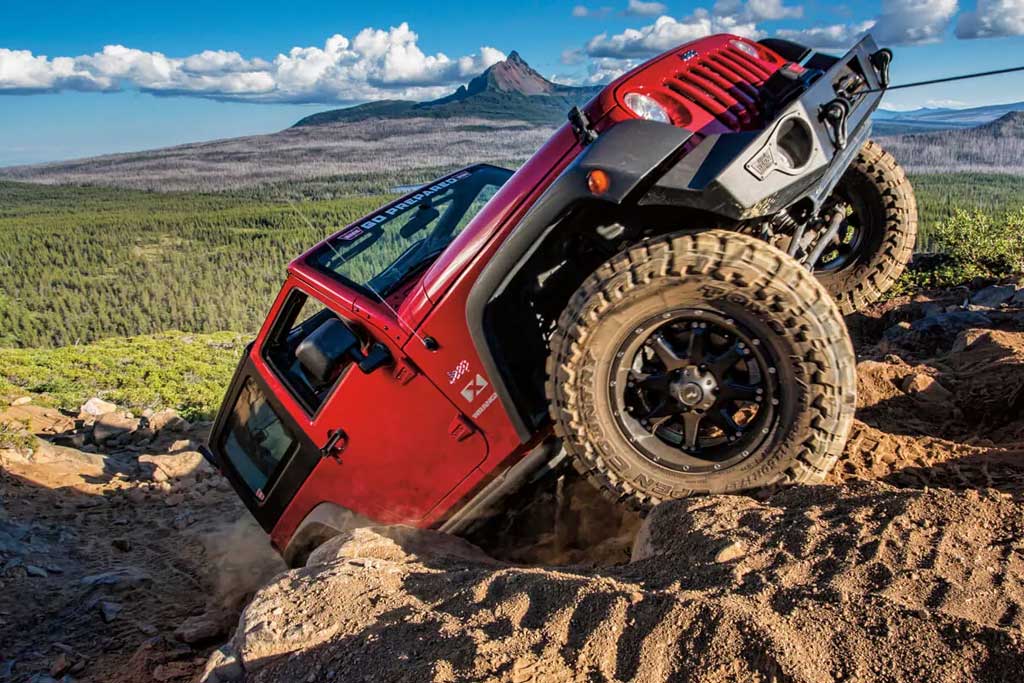
Selecting the best winch for your Jeep depends on three main factors:
- Weight rating: Should be at least 1.5 times your Jeep’s weight.
- Cable type: Choose based on your needs and local conditions.
- Waterproofing: Essential for muddy or wet environments.
Here’s a quick comparison of winch ratings:
| Jeep Model | Weight (lbs) | Recommended Winch (lbs) |
|---|---|---|
| Wrangler Sport | 4,200 | 8,000–9,000 |
| Gladiator Rubicon | 5,000 | 10,000–12,000 |
| Grand Cherokee | 4,800 | 9,000–10,000 |
For more details on winch selection and safety, you can refer to the official Jeep website.
Frequently Asked Questions
How Often Should I Inspect My Winch?
Inspect your winch before every off-road trip and after each use. Check for cable fraying, electrical issues, and worn parts.
Can I Use A Winch Alone?
Yes, but it’s safer with another person. If alone, double-check your setup and keep your phone handy in case of emergency.
What’s The Difference Between Steel Cable And Synthetic Rope?
Steel cable is stronger and lasts longer, but is heavier and can be dangerous if it snaps. Synthetic rope is lighter, easier to handle, and safer but needs more care.
How Do I Prevent Overheating My Winch?
Winch in short bursts, let the motor cool, and avoid continuous pulling. Watch for signs of overheating like smoke or slow operation.
Is A Winch Necessary For All Off-road Trips?
Not always, but it’s highly recommended. A winch can save time, money, and prevent damage in difficult terrain.
When you know how to use a Jeep winch safely and efficiently, you gain confidence on the trail. With the right gear, careful preparation, and smart technique, your off-road adventures become safer and more enjoyable.
Always respect the power of your winch and stay alert to your surroundings.