Owning a 2015 Jeep Wrangler unlocks a world of adventure, but it also comes with the responsibility of understanding your vehicle’s four-wheel drive (4WD) system. Many drivers are excited to leave the pavement behind, but using 4WD incorrectly can damage the Jeep or leave you stuck in a tough spot.
Whether you’re preparing for snowy roads, muddy trails, or rocky climbs, knowing exactly how to use each 4WD mode is critical. This guide will explain every step, highlight real-world examples, and help you avoid mistakes that even experienced owners sometimes make.
Understanding The 2015 Jeep Wrangler 4wd System
The 2015 Jeep Wrangler uses a part-time 4WD system called Command-Trac. This system is tough, reliable, and built for off-road challenges, but it’s not “set and forget.” You need to know when—and how—to use each mode.
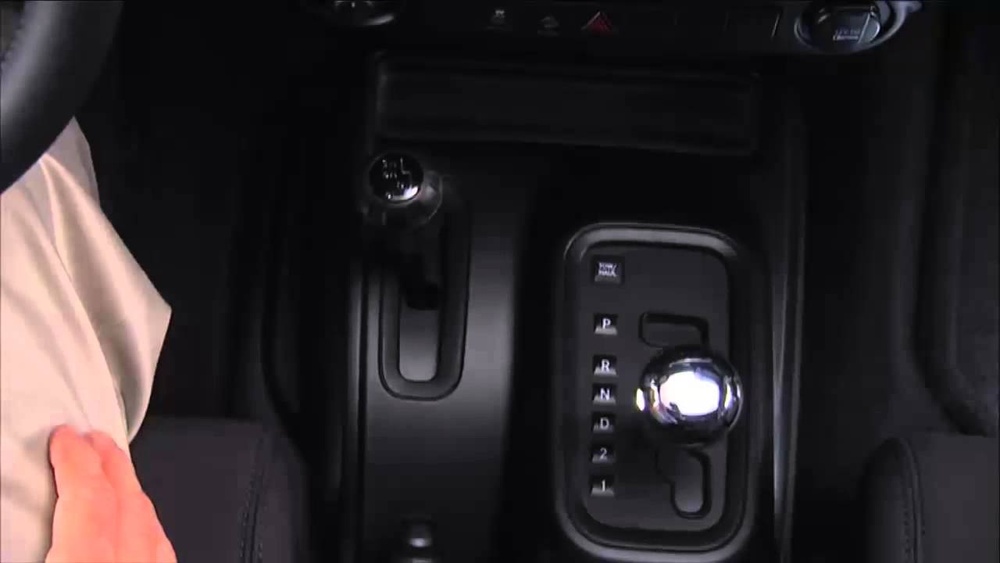
There are four main 4WD settings in the 2015 Wrangler:
- 2H (Two-Wheel Drive High)
- 4H (Four-Wheel Drive High)
- N (Neutral)
- 4L (Four-Wheel Drive Low)
Each setting serves a unique purpose. Using the wrong one can reduce traction, increase wear, or even break vital components. Let’s look at each mode in detail.
2h (two-wheel Drive High)
Most of your daily driving will happen in 2H. In this mode, the Wrangler sends power only to the rear wheels. It’s the default setting for driving on dry pavement and offers the best fuel efficiency.
- When to use: City streets, highways, and dry, paved roads.
- Why: Less friction and better gas mileage.
A common beginner mistake is using 4H on dry roads, thinking it adds “extra safety. ” In reality, this causes drivetrain binding and can damage the transfer case.
Stick with 2H unless conditions demand more traction.
4h (four-wheel Drive High)
4H is your go-to mode when roads get slippery—think rain, snow, mud, or loose gravel. In 4H, power is sent to all four wheels, improving grip and stability.
- When to use: Wet, snowy, sandy, or muddy roads.
- Why: Prevents wheel slip and helps you stay in control.
Switching to 4H is simple: slow down (below 55 mph), keep the transmission in neutral or drive, and shift the 4WD lever from 2H to 4H. The system is designed for “shift on the fly,” so you don’t need to stop completely.
Pro tip: Don’t use 4H on dry pavement. The added grip is only beneficial when surfaces are loose or slippery. Otherwise, you’ll risk binding the drivetrain.
N (neutral)
The Neutral (N) position in your Wrangler’s transfer case is different from the transmission’s neutral. It disconnects power to both the front and rear driveshafts. This setting is rarely used in everyday driving but is essential for specific tasks.
- When to use: Towing the Wrangler (flat towing behind an RV) or for some off-road recovery situations.
- Why: Prevents damage to the transmission and transfer case when the Jeep is being towed.
Never drive your Jeep with the transfer case in Neutral. The vehicle will not move under its own power, and you may damage internal parts.
4l (four-wheel Drive Low)
4L is for serious off-road situations—steep hills, deep mud, rocks, or when you need maximum torque at low speeds.
- When to use: Rock crawling, deep sand, snow, or pulling a heavy load at low speed.
- Why: Multiplies engine torque for maximum traction and control.
Switching to 4L requires a complete stop. Place the transmission in neutral, then firmly pull the 4WD lever from 4H to 4L.
You’ll feel a solid engagement. Shift the transmission back to drive (or 1st/2nd gear for manual) before moving.
Beginner insight: Don’t use 4L for normal driving or at high speeds. It’s only for slow, controlled movement. Driving fast in 4L can damage your drivetrain.
How To Shift Between Modes
Understanding how and when to shift is just as important as knowing each mode. The Wrangler’s system is robust, but improper shifting is a common source of trouble.
Shifting From 2h To 4h (and Back)
- You can shift between 2H and 4H while moving, as long as you’re under 55 mph.
- Ease off the accelerator and move the lever in one smooth motion.
- If you hear or feel a “clunk,” that’s normal—it’s the gears engaging.
Shifting To 4l
- Stop the vehicle completely.
- Put the transmission in neutral.
- Firmly shift the lever from 4H to 4L.
- Wait for the indicator light to confirm engagement.
Shifting Back To 2h
- Stop or move slowly.
- Place the transmission in neutral.
- Shift from 4L to 4H, then to 2H as needed.
Real-world Examples: When To Use Each Mode
Choosing the right mode depends on the road—or trail—conditions. Here’s how each setting fits real situations:
| Situation | Best 4WD Setting | Reason |
|---|---|---|
| Dry highway | 2H | Efficiency and normal handling |
| Snowy city street | 4H | Improved traction |
| Off-road trail with rocks | 4L | Maximum torque and control |
| Towing behind an RV | N | Safe flat towing without damage |
Many new Wrangler owners worry about shifting at the “wrong” time. The system is built to be forgiving, but always slow down and follow the steps in your manual.
Key Differences: 4h Vs 4l
Choosing between 4H and 4L is where most confusion happens. Here’s a quick comparison:
| Feature | 4H | 4L |
|---|---|---|
| Speed Range | Up to 55 mph | Below 25 mph (slow only) |
| Best For | Slippery roads, moderate off-road | Steep climbs, deep mud, rocks |
| Torque Output | Normal | High (torque multiplied) |
| Shifting Method | On the fly | Must stop and shift |
Non-obvious insight: If you try to use 4L for routine snowy driving, you’ll move too slowly and possibly get stuck because the wheels spin slower. Use 4L only when normal driving isn’t possible.
Common Mistakes And How To Avoid Them
Even seasoned Jeep fans sometimes make errors with 4WD. Here’s how to avoid the most frequent problems:
- Using 4H or 4L on dry pavement: This causes drivetrain binding and can break parts.
- Forgetting to shift out of 4L after an obstacle: Driving at high speed in 4L can overheat the system.
- Not slowing down for shifts: Abrupt shifting at high speeds can cause gear wear or damage.
- Ignoring indicator lights: Warning lights mean the system isn’t engaged—don’t force the Jeep to move until the light is steady.
One thing beginners overlook: tire pressure matters. For off-road use in 4L, lowering tire pressure (to around 15–18 psi) increases traction. Just remember to air up before returning to pavement.
Tips For Safe And Effective 4wd Use
Getting the most from your 2015 Wrangler’s 4WD system takes more than just moving a lever. Consider these practical tips:
- Practice in a safe area: Try shifting between modes in an empty parking lot or gentle trail.
- Know your limits: If you’re unsure, stop and assess the terrain before committing.
- Check fluids regularly: Low transfer case fluid can lead to costly repairs.
- Use low speeds off-road: 4L is not for speed—keep movements slow and steady.
- Listen for noises: Unusual clunks or grinding sounds mean you should stop and inspect.
Bonus insight: If you get stuck, avoid spinning the wheels aggressively. This can dig you in deeper or damage the drivetrain. Use gentle rocking motions and, if needed, shift to 4L for extra torque.
What If 4wd Won’t Engage?
Sometimes the system may not shift smoothly, especially if it hasn’t been used in a while. Try these steps:
- Double-check the vehicle is stopped and transmission in neutral before shifting to 4L or N.
- If 4H or 4L won’t engage, gently roll the Jeep forward or backward a few feet while shifting.
- For persistent issues, check the owner’s manual or consult a certified technician.
Helpful resource: For more technical details, visit the official Jeep Owner’s Manual.
Maintenance For Your 4wd System
Proper care extends the life of your Jeep’s 4WD system. Here’s what to focus on:
- Transfer case fluid: Replace every 30,000–60,000 miles, or as recommended.
- Axle inspection: Check for leaks, especially after hard off-road use.
- Drivetrain check: Listen for vibrations or unusual noises, which may signal wear.
A little maintenance goes a long way. Catching small issues early can save you from expensive repairs later.
Wrapping Up
The 2015 Jeep Wrangler is built for adventure, but using its 4WD system wisely is key to safe and enjoyable driving. Understanding each mode—2H, 4H, N, and 4L—prevents damage and gives you confidence, whether you’re cruising the highway or tackling tough trails. Practice shifting, pay attention to the terrain, and don’t ignore warning lights or strange sounds. With these habits, you’ll get the most from your Jeep, season after season.
Frequently Asked Questions
How Do I Know If 4wd Is Working On My 2015 Jeep Wrangler?
Look for the indicator lights on your dashboard. When you shift into 4H or 4L, a light should confirm the mode is engaged.
You’ll also notice better traction and less wheel spin on slippery surfaces.
Can I Switch From 2h To 4h While Driving?
Yes, you can shift from 2H to 4H (and back) while moving, as long as your speed is below 55 mph. Always ease off the accelerator during the shift to avoid gear clash.
Is It Ok To Use 4h On Dry Pavement?
No. Using 4H on dry, hard surfaces can bind the drivetrain and cause damage.
Only use 4H on loose or slippery terrain.
What Is The Difference Between Neutral In The Transfer Case And Neutral In The Transmission?
Neutral in the transfer case disconnects all wheels from the engine and transmission, which is used for towing. Neutral in the transmission only disconnects the engine from the wheels but does not allow safe flat towing.
How Often Should I Use My 4wd System To Keep It Working?
It’s good practice to engage 4H and 4L at least once a month, even if you don’t need them. This keeps the gears lubricated and ensures everything works when you need it.
For further reading on Jeep 4WD systems and best practices, see the comprehensive guide at Car and Driver.