Owning a Jeep Wrangler means adventure, durability, and freedom. But if you drive in wet, muddy, or snowy places, your Jeep’s underbody faces rust and corrosion. Undercoating is a smart way to protect your Wrangler, making it last longer and keeping it safe. Many Jeep owners don’t realize how important the underbody is until problems begin. This guide will show you, step-by-step, how to undercoat a Jeep Wrangler. You’ll learn what materials to use, what mistakes to avoid, and why undercoating matters. You’ll also gain practical advice that helps even if you’re new to car maintenance.
Why Undercoating Matters For Jeep Wrangler Owners
Jeep Wranglers are built for tough roads. Their underbody faces stones, salt, mud, and water. Over time, these things cause rust, weakening the frame and parts. Rust can damage brake lines, fuel tanks, and even the body. Studies show vehicles in snowy areas can lose up to 30% of their value due to rust damage in just five years.
Undercoating adds a protective layer. It blocks moisture, salt, and debris, helping your Jeep stay strong.
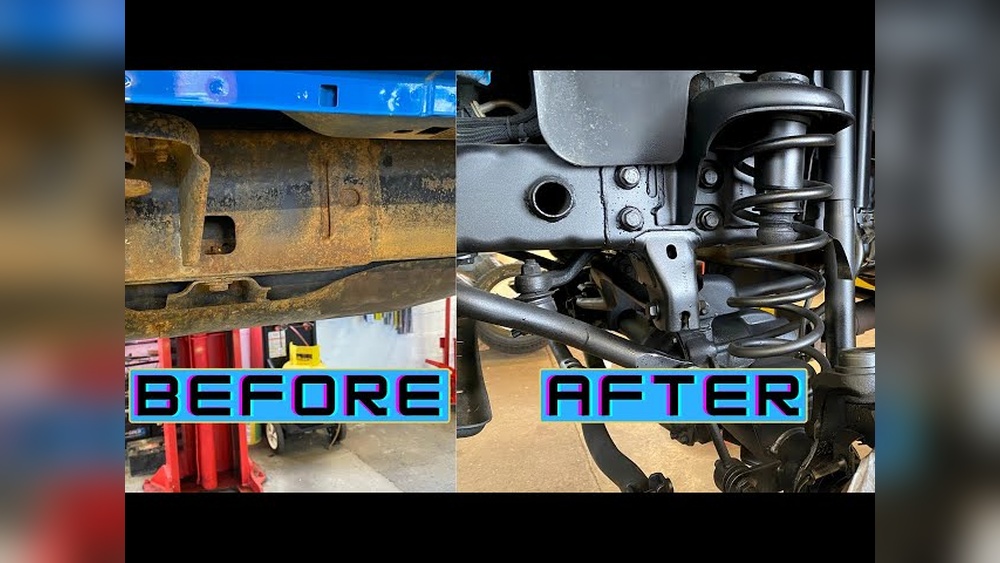
If you often drive off-road, undercoating is not just helpful it’s essential. Many Jeep enthusiasts find that proper undercoating saves money on repairs and increases resale value.
Jeep Wranglers are also known for their long lifespan. But without undercoating, even the toughest Jeep can suffer expensive damage.
For example, one unnoticed rust patch can spread, leading to holes in the floor or weakened suspension mounts. This happens faster in regions where roads are salted or where you drive through streams and mud.
Owners who undercoat their Jeeps often report fewer problems with squeaky parts, leaking fuel lines, and electrical issues caused by moisture.
Another benefit: undercoating reduces noise from rocks and gravel hitting the underbody. This makes your Jeep quieter and more comfortable. These are details many beginners miss when thinking about protection.
Types Of Undercoating: What Should You Use?
There are several types of undercoating products, each with pros and cons. Choosing the right one depends on your needs, budget, and climate.
| Type | Protection Level | Durability | Cost |
|---|---|---|---|
| Rubberized | Excellent | 5-10 years | $$ |
| Wax-Based | Good | 2-4 years | $ |
| Asphalt-Based | Very High | 10+ years | $$$ |
| Oil-Based | Moderate | 1-2 years | $ |
Rubberized undercoating is most popular for Jeep Wranglers. It’s flexible, durable, and easy to apply. Wax-based sprays are cheaper and easier but need reapplication more often. Asphalt-based products are heavy-duty, often used in commercial vehicles. Oil-based sprays are quick but tend to drip and need frequent touch-ups.
If you plan to keep your Jeep for many years, investing in rubberized or asphalt-based undercoating is wise. These types resist road impacts and flex with the metal, so they’re less likely to crack.
Oil-based sprays are best for older Jeeps or if you want a fast, temporary fix.
Wax-based products suit warmer climates but wear out quickly in harsh weather.
A common mistake is mixing different types. For example, applying oil-based spray over rubberized coating can cause peeling.
Stick with one product type for best results.
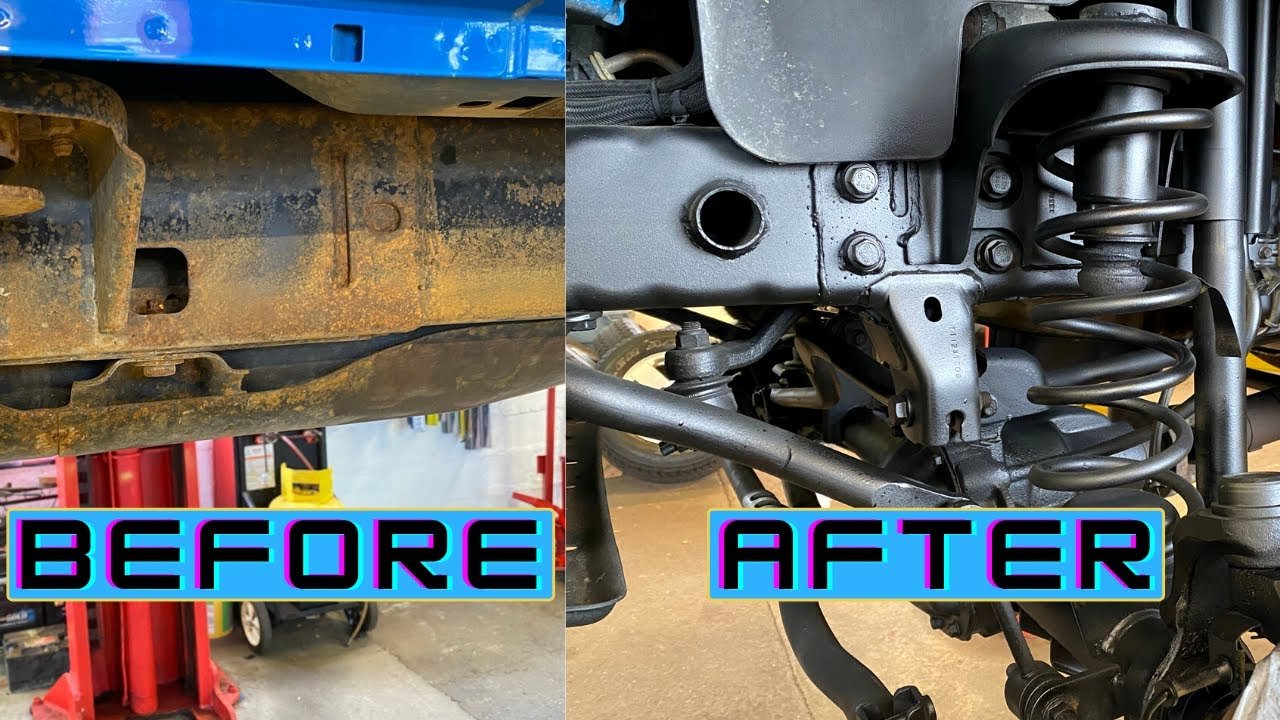
What You’ll Need: Tools And Materials
Before you start, gather these items:
- Jack and jack stands (or ramps)
- Wire brush and scraper
- Degreaser
- Protective gloves and safety goggles
- Rubberized undercoating spray (about 4-6 cans for full coverage)
- Masking tape and plastic sheets
- Shop rags or towels
Many beginners miss masking tape and plastic sheets. These keep undercoating off parts you don’t want sprayed, like exhaust or brake lines.
For even coverage, a drop light or flashlight helps you see hidden corners under the Jeep. If you want to be extra thorough, use a small paint brush for tight areas. Some owners use a power drill with a wire brush attachment to remove stubborn rust faster.
It’s also smart to wear old clothes and have a small container for collecting debris. Undercoating can be messy, and cleanup is easier if you plan ahead.
Good ventilation is important work outside or in a well-aired garage.
Preparing Your Jeep Wrangler
Preparation is key. A clean surface helps the undercoating stick and protects better.
- Lift your Jeep: Use jack stands or ramps. Make sure your Jeep is stable and safe to work under.
- Remove loose dirt: Brush off mud, sand, and debris with a wire brush.
- Scrape off old rust: Use a scraper and wire brush. Don’t skip this step—undercoating won’t stick to rusty spots.
- Clean with degreaser: Spray and wipe with rags. Let everything dry fully.
- Mask off sensitive parts: Use masking tape and plastic sheets to cover exhaust, brake lines, and any parts you don’t want coated.
Many people skip cleaning, but even a small patch of oil or rust can ruin the coating. Take your time.
If your Jeep has been off-roading recently, pay special attention to mud packed in corners or inside the frame. Older Jeeps may have more rust, so look closely at weld seams and mounting brackets.
It’s easy to miss these spots, but they matter.
Letting the degreaser sit for a few minutes helps loosen tough dirt. Drying is vital: moisture left under the coating can trap rust and defeat the purpose. If you’re unsure about masking, use extra tape and double-check before spraying.

Step-by-step Undercoating Process
Step 1: Shake And Test
Shake the undercoating can well. Test spray on a piece of cardboard to check spray pattern and coverage.
Shaking mixes the chemicals and ensures even protection. If the spray sputters, shake again or check for clogs.
Step 2: Apply First Coat
Spray a thin, even layer over the entire underbody. Keep the nozzle about 12 inches from the surface. Move slowly, overlapping each pass.
Tip: Start with hard-to-reach areas first. This helps avoid missing spots.
Don’t rush. Spraying too quickly leaves gaps. Check for overspray, especially near masked parts.
Step 3: Let It Dry
Wait about 30 minutes to 1 hour for the first coat to dry. Drying time depends on temperature and humidity.
If you’re unsure, touch a corner gently. If it feels tacky, wait longer. Airflow helps speed up drying.
Step 4: Apply Second Coat
Add a second layer for extra protection. Two coats are usually enough for a Jeep Wrangler.
If you drive in harsh conditions, consider a third coat.
Allow each layer to dry fully before adding the next. Multiple thin coats protect better and last longer.
Step 5: Inspect And Touch Up
Check for missed spots or thin areas. Touch up as needed. Remove masking tape and plastic sheets carefully.
Look under the Jeep from different angles. Use a flashlight to spot gaps, especially near wheel wells and frame corners.
Step 6: Final Cure
Let the undercoating cure for at least 24 hours before driving. This ensures a strong, lasting bond.
If you drive too soon, dust or debris can stick to the coating, ruining the finish. Waiting gives your Jeep the best protection.
Comparing Diy Vs. Professional Undercoating
Some Jeep owners prefer to do the work themselves, while others hire professionals. Here’s a quick comparison:
| Factor | DIY | Professional |
|---|---|---|
| Cost | $50–$150 | $250–$500 |
| Time | 4–6 hours | 1–2 hours |
| Quality | Varies | Consistent |
| Warranty | No | Yes (usually 1–5 years) |
DIY is cheaper and gives you control. Professionals often use stronger materials and offer warranties, but cost more.
Professionals usually have tools to reach every corner and apply coating more evenly. If you’re not confident, paying for expertise can prevent mistakes. However, some shops cut corners—ask about products used and check reviews. Some pros offer free yearly inspections or touch-ups as part of the package.
Common Mistakes To Avoid
Avoid these errors for the best results:
- Skipping cleaning: Undercoating won’t stick to dirty or oily surfaces.
- Spraying too thick: Thick coats crack and peel. Thin layers work better.
- Missing hidden areas: Always spray inside wheel wells and frame corners.
- Ignoring safety: Always wear gloves and goggles. Undercoating sprays are sticky and can irritate skin.
- Driving too soon: Wait at least 24 hours before using your Jeep after undercoating.
A non-obvious tip: Check the weather. Humid or cold weather slows drying. Dry and warm days are best.
Another detail: Don’t forget to check the underbody for old undercoating or paint chips. Removing these first gives new coating a clean base. If you rush, peeling can start within months.
Extra Tips For Lasting Protection
- Inspect yearly: Look for chips, cracks, or worn spots. Touch up as needed.
- Wash underbody regularly: Especially after winter or off-road trips. Salt and mud can damage the coating.
- Choose quality products: Cheap sprays might save money now, but they wear off faster.
- Document the process: Take photos for your records. This can help when selling your Jeep.
Some owners miss that even small chips in undercoating can lead to rust. Always check after tough off-road trips.
If you live near trees, leaves can get stuck to the underbody and trap moisture. Remove them before washing.
After washing, check for damage pressure washers can sometimes chip the coating. Keeping a record of undercoating dates helps track maintenance.
Undercoating In Different Climates
Where you live affects how often you need to undercoat.
Snowy And Salted Roads
If you drive where roads are salted, undercoating is a must. Salt speeds up rust, especially in wheel wells and frame rails.
In these regions, consider checking your Jeep every spring and fall. Winter salt is harsh, and small cracks can grow quickly.
Hot And Dry Areas
Undercoating still helps by blocking dust and sand. But you can reapply less often every 2-3 years.
Dust can cause abrasion, wearing away the coating. If you drive in deserts, check for sand buildup and clean regularly.
Coastal Regions
Salt air is tough on metal. Undercoating protects against sea spray and humid air. Inspect often and touch up yearly.
Humidity can seep into small cracks, so pay attention to seams and corners. Coastal owners often add extra coats for extra protection.
Undercoating And Jeep Warranty
Many Jeep owners worry that undercoating could void their warranty. In most cases, applying undercoating does not affect the vehicle warranty. However, always check your owner’s manual or ask your dealer. Using the wrong product or improper application could cause issues.
For more details on vehicle warranties, visit the Federal Trade Commission site.
If you plan to use asphalt-based or oil-based coatings, check with your dealer first. Some products contain chemicals that could damage rubber bushings or electrical wires. Always use products approved for automotive use.
How Long Does Undercoating Last?
The lifespan depends on the product and conditions:
- Rubberized: 5–10 years
- Wax-based: 2–4 years
- Asphalt-based: 10+ years
- Oil-based: 1–2 years
If you drive off-road or in harsh weather, inspect and touch up every year. A well-done undercoating can outlast a Jeep’s tires.
Environmental factors also matter. Undercoating lasts longer if your Jeep is parked indoors or washed regularly.
If you notice peeling or fading, reapply sooner rather than later.
Frequently Asked Questions
Is Undercoating Really Necessary For A Jeep Wrangler?
Yes, especially if you drive in snow, mud, or near the coast. Undercoating protects against rust and corrosion, saving money on repairs.
Can I Undercoat My Jeep Myself?
Absolutely. With the right tools and materials, most Jeep owners can do it in a day.
Just follow the steps carefully and don’t rush.
If you’re new to DIY, consider practicing on a small area first. This builds confidence and helps you understand the spray pattern.
How Much Does It Cost To Undercoat A Jeep Wrangler?
DIY costs about $50 $150. Professional services range from $250 to $500, depending on the shop and product used.
Will Undercoating Affect My Jeep’s Warranty?
Usually, it does not. But always check your owner’s manual or ask your dealer to be sure.
How Often Should I Reapply Undercoating?
Inspect yearly. Reapply every 2 5 years, depending on product and driving conditions.
Protecting your Jeep Wrangler’s underbody is one of the smartest choices you can make. With proper undercoating, your Jeep will stay strong, look better, and last longer.
Take your time, use quality products, and enjoy your adventures knowing your Wrangler is ready for anything.



















