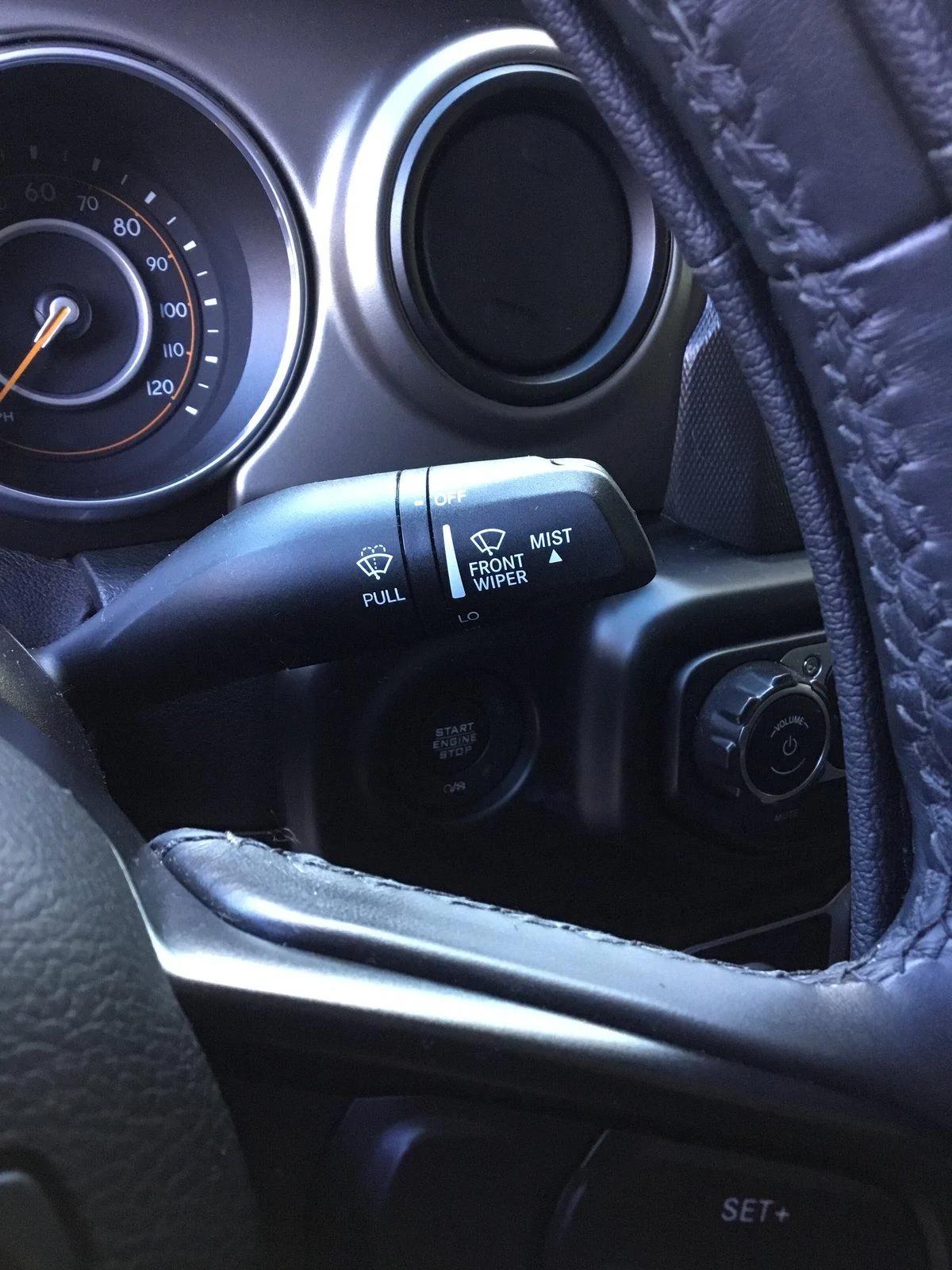
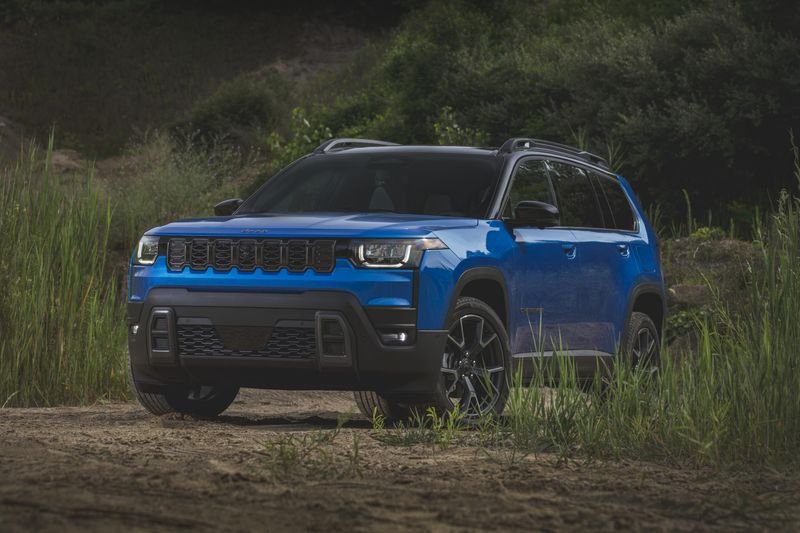
If you drive a Jeep Wrangler, you know it’s built for adventure. Whether you’re tackling muddy trails or just handling a rainy commute, good visibility is always important. The rear windshield wiper is a small feature, but it can make a huge difference in safety and comfort. Many new Wrangler owners, or those switching from another vehicle, find the rear wiper controls a bit confusing at first. This guide will show you exactly how to turn on the rear windshield wiper on your Jeep Wrangler, including tips for different model years, troubleshooting, and helpful advice you won’t find in the basic user manual.
Understanding The Rear Windshield Wiper System
Before you turn on your rear wiper, it helps to know how the system works. The rear windshield wiper is more than just a blade; it’s a set of components working together. The main parts include:
- Wiper Arm and Blade: Moves across the rear glass to clear water, dirt, or snow.
- Wiper Motor: Powers the arm’s movement.
- Wiper Washer Nozzle: Sprays cleaning fluid onto the rear glass.
- Wiper Controls: Located on the dashboard or steering column.
These systems are designed for reliability, but each Jeep Wrangler generation has some differences. Knowing which model you have helps you find the right control quickly.
Jeep Wrangler Model Years And Rear Wiper Locations
Some Wranglers come with the rear wiper as standard, while others offer it as an option. Generally, if your Wrangler has a hardtop, it likely has a rear wiper. Here’s a quick look at where you’ll find the controls on different models:
| Model Year | Control Location | Wiper Washer Button |
|---|---|---|
| 2007–2017 (JK) | Turn signal stalk (right side) | On stalk tip |
| 2018–Present (JL) | Turn signal stalk (right side) | On stalk tip |
| Pre-2007 (TJ, YJ) | Dashboard panel | Separate button |
Tip: If your Wrangler is a soft top, it may not have a rear wiper at all.
Step-by-step: How To Turn On Rear Windshield Wiper Jeep Wrangler
Turning on the rear windshield wiper is simple when you know where to look. Here’s how to do it for the most common Jeep Wrangler models.
For 2018–present (jl) And 2007–2017 (jk) Models
1. Locate The Right Control Stalk
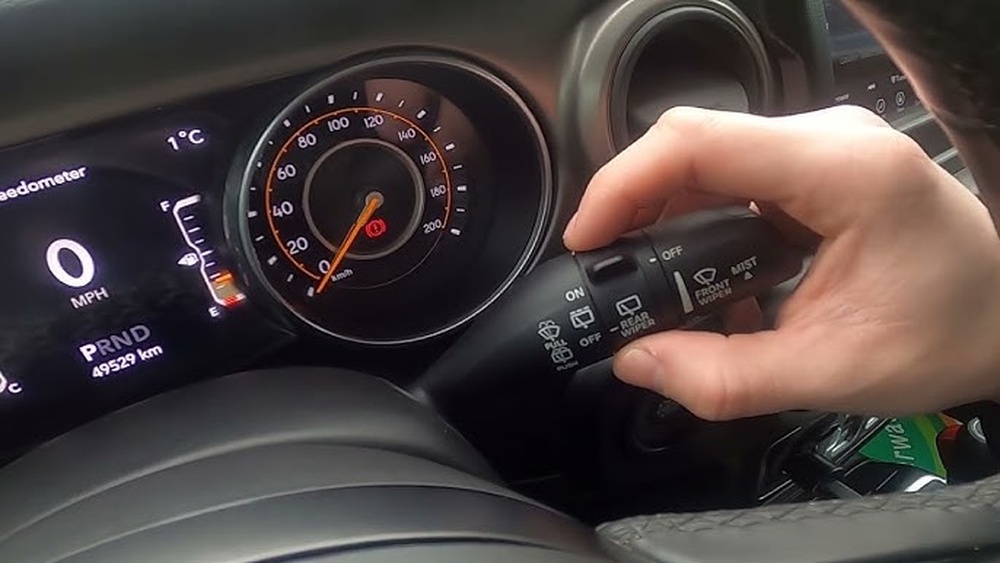
Sit in the driver’s seat and look at the right-side stalk behind the steering wheel. This is the same stalk you use for the front wipers.
2. Find The Rear Wiper Switch
At the end of the stalk (the tip), you’ll see a small rotary knob or switch. It often has an icon that looks like a rectangle with a wiper blade across it.
- Turn On the Rear Wiper
- Twist the tip of the stalk away from you (clockwise) for intermittent wipe.
- Twist further for continuous wipe (if available).
- Use the Washer Fluid
Push the tip of the stalk inward to spray washer fluid on the rear windshield. This is helpful for dirt or mud.
For Pre-2007 Models (tj, Yj)
Look for a button or rotary switch on the dashboard, usually near the climate controls.
2. Activate The Wiper
Press the button or turn the switch to start the rear wiper.
3. Washer Fluid
There may be a separate button for the washer. Press it to spray cleaning fluid.
Visual Reference For Control Types
| Model | Wiper Control Type | Washer Activation |
|---|---|---|
| JL, JK (2007+) | Stalk tip rotary switch | Push stalk tip inward |
| TJ, YJ (Pre-2007) | Dashboard button or switch | Separate dashboard button |
Note: If your controls are missing or look different, check your owner’s manual or consult a dealer.
Common Mistakes And How To Avoid Them
New Jeep Wrangler owners often make simple mistakes with the rear wiper. Here are a few to watch out for:
- Twisting the wrong control: Many people accidentally use the front wiper controls instead of the rear. Always check the stalk tip or dashboard for the correct switch.
- Forgetting the ignition: The rear wiper usually only works when the ignition is on. Make sure your key is in the “On” or “Run” position.
- Holding the washer too long: Spraying the washer fluid for a long time can empty the reservoir quickly. A short push is usually enough.
- Missing the rear wiper option: Some soft top models or older Wranglers may not have a rear wiper. If you can’t find the controls, check your vehicle’s features.
- Not using the washer: Clearing heavy mud or salt with just the wiper can scratch the glass. Always use the washer fluid when needed.
Troubleshooting: Rear Wiper Not Working?
Sometimes, the rear wiper doesn’t respond even when you follow the steps. Here’s how to troubleshoot common problems:
1. Check The Fuse
A blown fuse is a common cause. The fuse box is usually under the dash or in the engine compartment.
Look for the fuse marked “RR WIPER” or similar.
2. Inspect The Wiper Arm
If the wiper moves but doesn’t clear the glass, the blade might be worn or the arm could be loose.
3. Washer Fluid Not Spraying
The reservoir may be empty, or the nozzle could be clogged. Fill the tank and clean the nozzle with a pin if needed.
4. Electrical Issues
If nothing works, there may be a wiring problem or faulty switch. Consult a mechanic or authorized Jeep dealer.
5. Rear Hatch Not Fully Closed
Some Wranglers won’t allow the rear wiper to operate if the tailgate is open or not latched properly.
Pro Tip: When troubleshooting, always start with the simplest solution first—check the fuse and fluid before moving to electrical checks.
Why Rear Windshield Wipers Matter
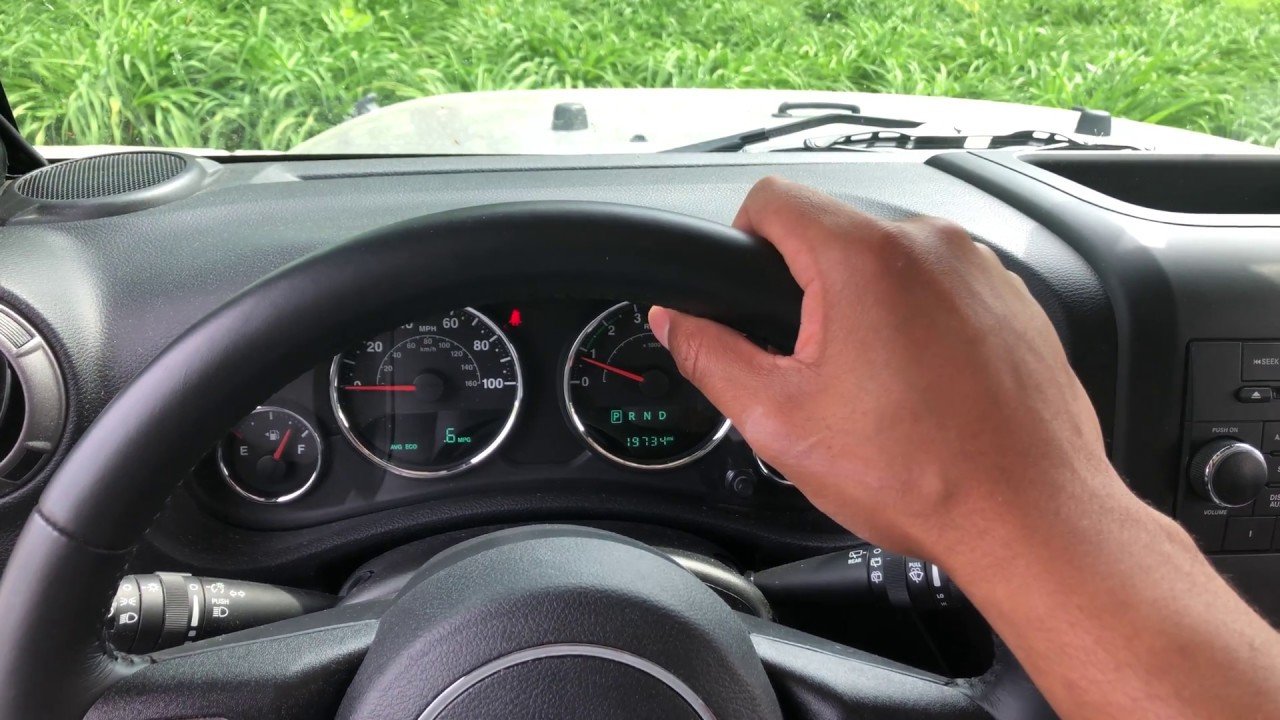
Many drivers underestimate the importance of the rear wiper. In a Jeep Wrangler, the upright back window gets dirty quickly on trails, in rain, or on salted winter roads. Clear visibility through the rear glass helps when reversing, changing lanes, or parking. Some statistics show that poor visibility contributes to over 16% of vehicle accidents in bad weather. A working rear wiper is a small but vital safety feature.
Maintenance Tips For Rear Windshield Wiper
Keeping your rear wiper in good shape is simple and extends its life. Here’s what you should do:
- Check the blade every 6 months. Replace it if it leaves streaks or skips.
- Clean the blade and glass with a damp cloth to remove dirt and grit.
- Keep the washer fluid topped up, especially before winter or off-road trips.
- Inspect the wiper arm for rust or damage.
- Operate the wiper regularly, even if you don’t use it often. This prevents the motor from sticking.
Many Jeep owners forget about the rear wiper until it’s needed most. Regular checks take just a minute but can save trouble later.
Rear Windshield Wiper Vs. Front Windshield Wiper: Key Differences
The rear wiper on a Jeep Wrangler works differently than the front wipers in a few important ways. Here’s a quick comparison to help you understand:
| Feature | Front Windshield Wiper | Rear Windshield Wiper |
|---|---|---|
| Number of Blades | Two | One |
| Speed Settings | Multiple (low, high, intermittent) | Usually one or two |
| Control Location | Stalk, dashboard | Stalk tip or dashboard button |
| Washer Activation | Paddle or stalk | Stalk tip push or button |
| Coverage Area | Large (entire windshield) | Small (rear glass only) |
Insight: The rear wiper is designed for quick cleaning, not for heavy rain. If you’re driving in severe weather, focus on keeping all windows clean for best visibility.
Upgrading Or Replacing Your Rear Wiper
If your Jeep Wrangler didn’t come with a rear wiper, or your current one is broken, you may want to add or upgrade it. Here’s what you need to know:
- Factory kits are best: OEM (original equipment manufacturer) kits are designed for your model and fit perfectly.
- Aftermarket options exist, but they may require extra wiring or drilling.
- Cost varies: A basic replacement blade is under $20, while a full motor and arm kit can be $100–$300.
- Professional installation is recommended for wiring or motor replacement.
- Warranty coverage: Sometimes, wiper issues are covered under your Jeep’s warranty. Check before paying out of pocket.
If you’re interested in DIY upgrades or repairs, you can find detailed guides on the official Jeep website.

Non-obvious Tips Most Owners Miss
Even experienced Wrangler drivers miss a few useful tricks with the rear wiper:
- Short bursts are better: For light mist or dust, a quick twist to intermittent mode saves wear on the blade.
- Washer fluid can freeze: In cold climates, use winter-grade fluid to avoid a frozen nozzle.
- Tailgate sensors matter: If your wiper isn’t working, check if the rear tailgate sensor is dirty or misaligned.
- Manual override: Some models allow you to activate the rear wiper even with the engine off, but only if the key is in the accessory position.
- Regular software updates: For new models, software updates can improve wiper timing and performance.
These small details can make your experience smoother and help you avoid common frustrations.
Frequently Asked Questions
How Do I Know If My Jeep Wrangler Has A Rear Windshield Wiper?
Most hardtop Wranglers come with a rear wiper, but some soft tops or base models do not. Look for the wiper blade on the rear glass or check for the control on your right-side stalk or dashboard.
Can I Add A Rear Wiper To A Soft Top Jeep Wrangler?
It’s usually not possible because soft tops don’t have a rear glass to attach the wiper. Aftermarket solutions are rare and often not as reliable as factory setups.
Why Isn’t My Rear Wiper Working Even Though I Turned On The Switch?
Check if the fuse is blown, the washer fluid is empty, or if the rear hatch is not fully closed. Wiring issues or a bad wiper motor can also cause this problem.
How Often Should I Replace My Rear Wiper Blade?
Replace the rear wiper blade every 6 to 12 months, or sooner if it leaves streaks, skips, or squeaks. Regular replacement keeps visibility clear.
Does The Rear Wiper Turn Off Automatically?
On most models, if you turn off the ignition, the rear wiper will stop. Some models also have an auto-park feature, which returns the wiper to its original position when turned off.
Driving a Jeep Wrangler gives you freedom, but small details like the rear windshield wiper make a big difference in safety and comfort. Once you know where the controls are and how to use them, it becomes second nature.
Don’t wait until you’re caught in a storm or mud to learn test your rear wiper today and keep it in good shape for every adventure.