Owning a Jeep Wrangler means you’re ready for adventure—on highways, dirt trails, or snowy roads. But many new drivers aren’t sure how to use the 4WD system (four-wheel drive).
This system helps your Jeep grip the road better, especially when conditions are slippery or rough. Turning on 4WD is easy once you know the steps and the differences between the modes.
Let’s break down everything you need to confidently use 4WD in your Jeep Wrangler.
Understanding Jeep Wrangler 4wd Systems
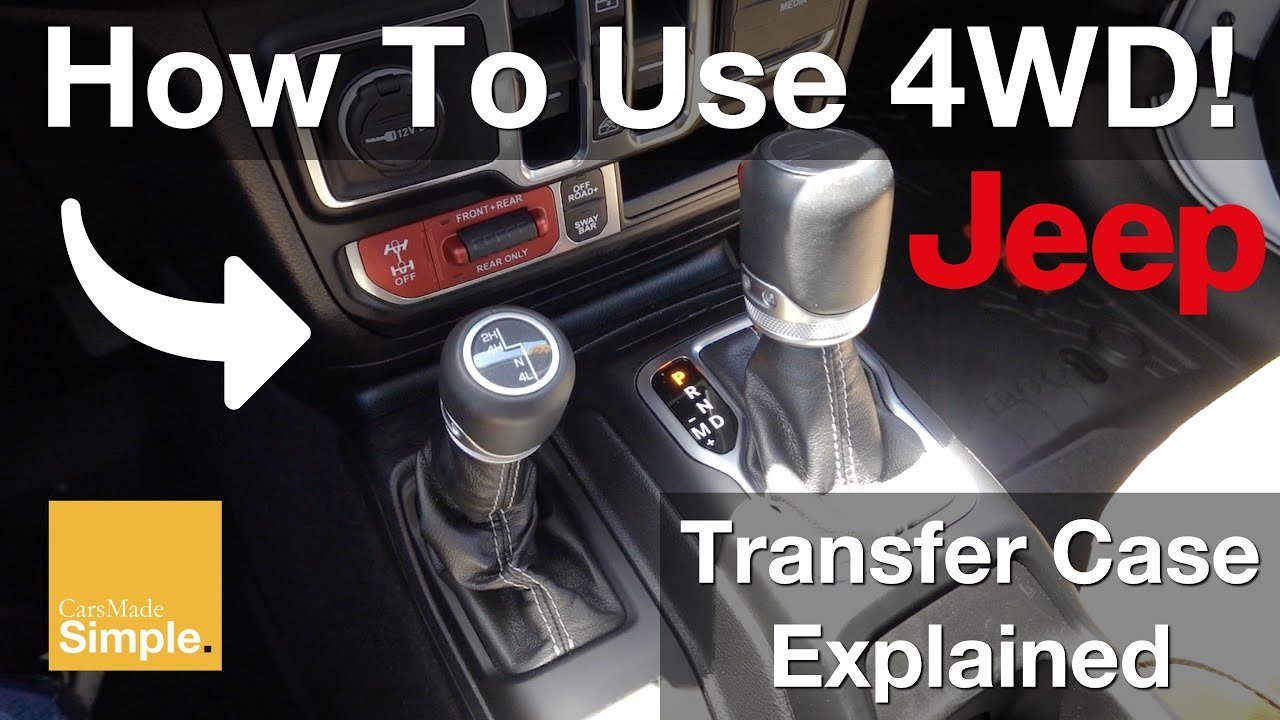
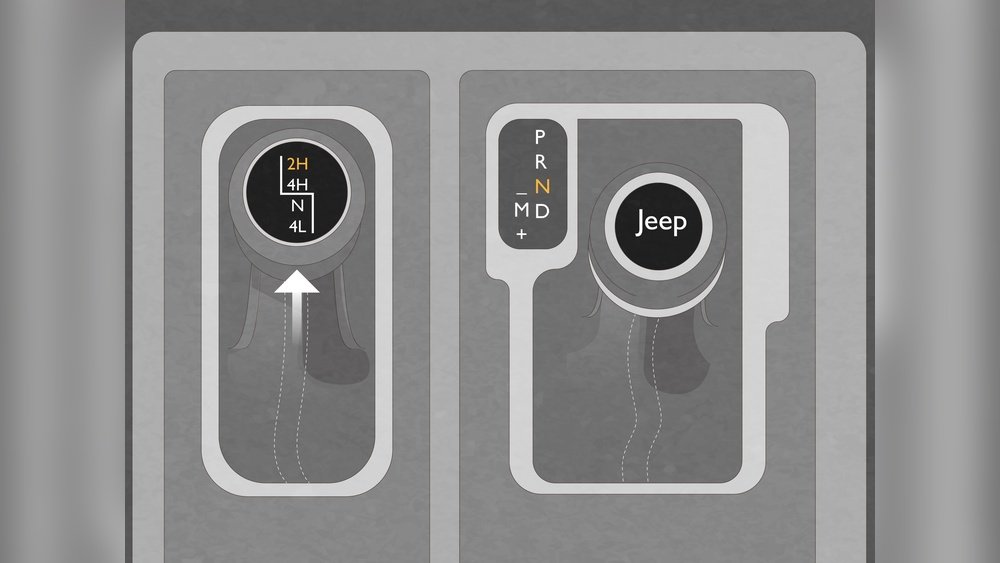
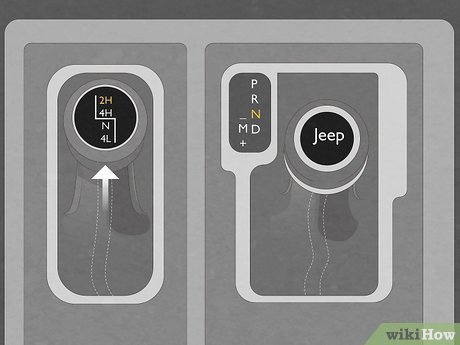
The Jeep Wrangler comes with different 4WD systems depending on the model and year. Most Wranglers have either Command-Trac or Rock-Trac systems. Both offer several modes: 2H (two-wheel drive high), 4H (four-wheel drive high), N (neutral), and 4L (four-wheel drive low). Knowing which mode to use is important for safety and performance.
Here’s a simple comparison of the main modes:
| Mode | When to Use | Speed Range |
|---|---|---|
| 2H | Normal roads, dry conditions | Any speed |
| 4H | Snow, sand, mud, gravel | Up to 55 mph (88 km/h) |
| 4L | Rock crawling, deep mud, steep hills | Up to 25 mph (40 km/h) |
Many beginners don’t realize that using 4H or 4L on dry pavement can damage your Jeep’s drivetrain. Always switch to 4WD only when conditions are slippery or rough.
Step-by-step: How To Turn On 4wd In Jeep Wrangler
Turning on 4WD is straightforward, but you must follow the right steps. The process varies slightly between manual and automatic transmissions, and between older and newer models.
Engaging 4h (four-wheel Drive High)
- Check your speed: Make sure you’re driving below 55 mph (88 km/h).
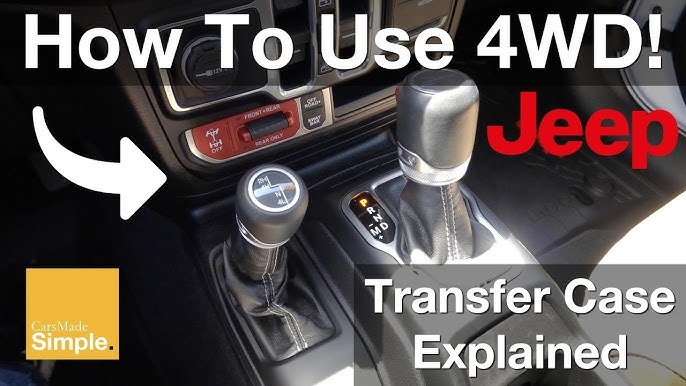
- Locate the transfer case lever: It’s usually beside the gear shifter.
- Shift to 4H: While driving straight, pull the lever from 2H to 4H. Some newer models use an electronic switch instead of a lever.
- Indicator light: The 4WD indicator on your dashboard will turn on.
Most drivers don’t realize you can shift to 4H “on the fly” no need to stop the vehicle. Just ease off the accelerator as you shift.
Engaging 4l (four-wheel Drive Low)
- Stop your Jeep: You must be at a complete stop.
- Shift to neutral: Move the gear shifter to “N” (neutral).
- Move transfer lever to 4L: Firmly pull the lever from 4H to 4L. If your model uses a switch, follow the on-screen instructions.
- Wait for the indicator: The 4L light will appear on your dashboard.
- Return gear shifter to “D” (drive) or the desired gear.
Unlike 4H, you should never shift to 4L while moving. It’s designed for slow, tough terrain.
Returning To 2h (two-wheel Drive)
- Shift from 4H to 2H: While driving straight and at a moderate speed, simply push the lever back to 2H.
- Shift from 4L to 2H: First, stop the vehicle, shift to neutral, move the lever to 2H, then return to drive.
Switching back to 2H saves fuel and prevents unnecessary wear.
Tips For Using 4wd Safely
Many drivers ignore these practical tips, but following them can help you avoid mistakes:
- Use 4H for slippery roads only. Don’t drive in 4H on dry pavement.
- Use 4L for slow, difficult terrain. Never use 4L for normal driving.
- Regularly check your transfer case fluid—it needs to be replaced every 30,000 miles.
- Practice shifting between modes in a safe area before heading off-road.
Here’s a quick comparison of fluid maintenance schedules:
| Component | Recommended Check Interval | Action |
|---|---|---|
| Transfer Case | 30,000 miles | Replace fluid |
| Front/Rear Differentials | 40,000 miles | Inspect and replace fluid |
Many beginners miss that driving in 4WD on dry pavement can cause “binding”—a feeling of jerky movement or hard steering. If you feel this, switch back to 2H right away.
Common Problems And Solutions
Sometimes, the 4WD system doesn’t engage as expected. Here are some quick troubleshooting tips:
- Indicator light doesn’t turn on: Check if you shifted correctly. Try repeating the steps slowly.
- Grinding noise: Stop the vehicle, shift to neutral, and try again. If noise continues, seek professional help.
- Stuck in 4L or 4H: Reverse your Jeep a few feet, then try shifting back to 2H.
If your Jeep Wrangler regularly struggles with 4WD, visit a certified mechanic or check the official Jeep Owner’s Manual for guidance.
When Should You Use 4wd?
Knowing when to activate 4WD is key for safety and performance.
- Use 4H in rain, snow, sand, mud, or gravel.
- Use 4L for steep climbs, deep mud, or rocky paths.
- Stay in 2H for daily driving.
Here’s an example: In heavy snow, switching to 4H helps you avoid getting stuck and provides better control. For deep mud or steep hills, 4L gives you more torque and power.
Frequently Asked Questions
How Do I Know If My Jeep Wrangler Has 4wd?
Most Jeep Wranglers come with 4WD systems. Check your owner’s manual or look for a transfer case lever or 4WD switch near the gear shifter.
Can I Use 4wd On Dry Pavement?
No, using 4WD on dry pavement can damage your drivetrain and tires. Only use 4WD when roads are slippery or off-road.
What Happens If I Shift To 4l While Driving?
Shifting to 4L while moving can damage your transfer case. Always stop the vehicle, shift to neutral, then engage 4L.
How Fast Can I Drive In 4h?
You can drive up to 55 mph (88 km/h) in 4H, but keep speeds lower for safety and control, especially in bad conditions.
Why Is My 4wd Indicator Light Blinking?
A blinking indicator light often means the 4WD system is not fully engaged. Try shifting again, or check for system errors in your owner’s manual.
Turning on 4WD in your Jeep Wrangler is simple once you understand the modes and steps. Practice using the system before heading into difficult terrain, and always follow safety tips.
Proper use of 4WD gives you more control and confidence on any road.
With this guide, you’re ready to tackle snow, mud, and rocky trails like a pro.