If you drive a 2014 Jeep Compass and need extra grip in snow, mud, or rough terrain, using the 4 wheel drive (4WD) system can make a huge difference. However, for many owners, knowing how to turn on 4 wheel drive is not always clear.
The process is simple, but there are important details that can help you use it safely and get the most from your vehicle. This guide walks you through everything you need to know about turning on the 4WD system in your 2014 Jeep Compass, understanding how it works, and using it confidently.
Understanding Your 2014 Jeep Compass 4 Wheel Drive System
The 2014 Jeep Compass comes with two main drivetrain options: front-wheel drive (FWD) and the Freedom Drive I all-wheel drive (AWD) system. If your Compass is a 4WD model, it uses a system called Freedom Drive I. This is not a true “traditional” 4WD with a low-range gear, but an on-demand all-wheel drive system that can send power to all four wheels when needed.
Most of the time, your Compass operates in front-wheel drive to save fuel. When the system senses wheel slip, it automatically sends power to the rear wheels.
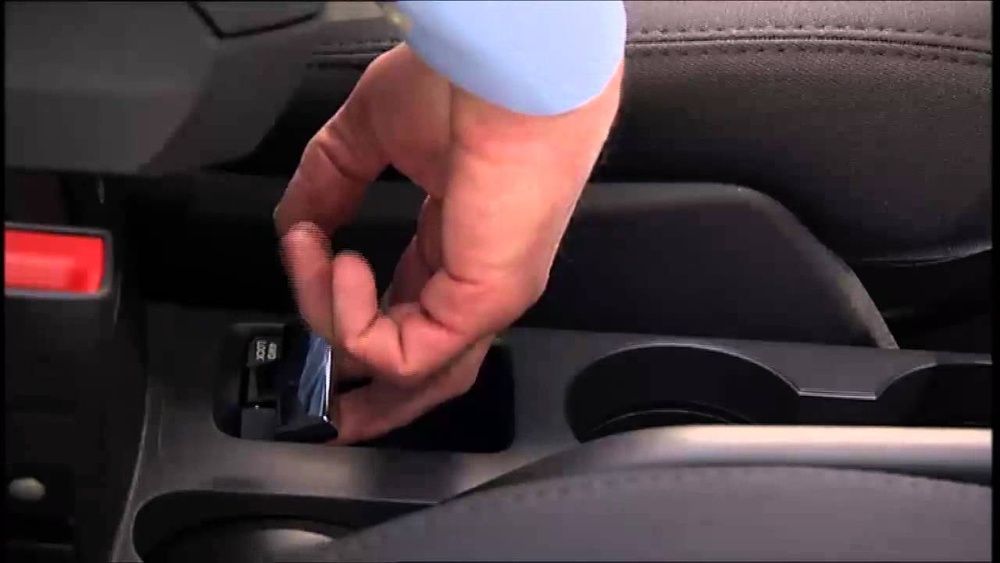
You can also force the system to send power to all wheels with the 4WD Lock feature.
Key Features Of Freedom Drive I
- Automatic AWD: The system works automatically, sending power to the rear wheels only when needed.
- 4WD Lock: You can activate this for improved traction in tough conditions.
- No Low-Range Gear: Unlike some off-road vehicles, there is no low-range transfer case.
Knowing these basics helps you understand what to expect when you turn on 4WD in your Compass.
How To Turn On 4 Wheel Drive In A 2014 Jeep Compass: Step-by-step
Activating 4WD in your 2014 Jeep Compass is straightforward, but you need to follow the steps correctly to avoid damaging the system.
1. Locate The 4wd Lock Lever Or Switch
In the 2014 Jeep Compass, the 4WD Lock is controlled by a small lever or switch, usually found next to the gear shifter. Look for a label that says 4WD LOCK. Some models have a sliding lever, while others use a push-pull switch.
- Tip: Check your owner’s manual if you have trouble finding it. The location is usually right in front of the gear shifter or near the center console.
2. Start The Engine And Place The Transmission In Drive
Always start your engine before attempting to engage 4WD. The system is designed to operate while the vehicle is in motion.
- Place the gear shift in Drive (D) or Reverse (R).
- Keep your foot on the brake while you activate the system.
3. Engage The 4wd Lock
To turn on 4WD:
- Pull up or slide the 4WD LOCK lever/switch.
- You should see a 4WD light on your dashboard. This confirms the system is active.
- If the light flashes or does not come on, try shifting from Park to Drive or Reverse and try again.
Important: Do not activate 4WD Lock on dry pavement. It’s meant for slippery, loose, or rough surfaces.
4. Drive As Normal, But With Caution
With 4WD Lock engaged, you can drive as you normally would. The system will send power to all four wheels to improve traction.
- Avoid high speeds, sharp turns, or sudden acceleration.
- When you reach a stable surface, turn off the 4WD Lock to avoid extra wear on your vehicle.
5. Disengage 4wd Lock
When you no longer need 4WD:
- Push down or move the 4WD LOCK lever/switch back to its original position.
- The 4WD dashboard light should turn off.
- If the light stays on, drive straight for a short distance; the system may need a few moments to disengage.
What Each 4wd Control Does: The Four Key Items
There are four main controls and indicators in your Compass’s 4WD system. Understanding each one will help you use them properly.
1. 4wd Lock Lever/switch
This is the main control for turning on 4WD Lock. It forces the system to split power between the front and rear wheels for better grip.
- How to use: Pull or slide the switch while the vehicle is in gear.
- When to use: In snow, mud, sand, or when climbing steep hills.
2. 4wd Lock Indicator Light
This dashboard light shows the status of your 4WD system.
- On: 4WD Lock is active.
- Flashing: The system is trying to engage or disengage.
- Off: 4WD Lock is off; you’re in regular FWD/AWD mode.
Insight: If the light keeps flashing or stays on after you turn off 4WD, there could be a problem. Stop and restart the vehicle, or check for a service warning.
The Traction Control System (TCS) is related to 4WD. It helps prevent wheel spin by reducing engine power or applying brakes to slipping wheels.
- How to use: Press the button (often marked ‘TCS OFF’) if you want to disable the system for more wheel spin (sometimes useful in deep snow or mud).
- Tip: In most cases, leave TCS ON for better stability.
4. Owner’s Manual Reference
Your owner’s manual has detailed information and troubleshooting for the 4WD system.
- Why it matters: Not all Compass models are the same. Some have different switch locations or warning lights.
- Where to find: The glovebox or the official Jeep website has digital versions.
When Should You Turn On 4 Wheel Drive?
Knowing when to use 4WD is just as important as knowing how. Using 4WD Lock in the wrong situation can damage your Compass or cause unsafe driving.
Ideal Situations
- Snow and ice: Helps prevent spinning and sliding.
- Mud or sand: Improves grip to avoid getting stuck.
- Steep hills: Gives extra power to all wheels for climbing.
- Loose gravel or dirt: Helps keep control on unpaved roads.
When Not To Use 4wd
- Dry pavement: Can cause drivetrain binding or wear.
- High speeds: The system is designed for low to moderate speeds.
- Sharp turns on hard surfaces: May stress the 4WD components.
Practical Tips For Using 4wd In The Jeep Compass
Many new owners make simple mistakes with the 4WD system. Here are two insights that are often missed:
- Don’t leave 4WD Lock engaged all the time. This can increase fuel use and wear out parts quickly.
- If you hear loud clunks or grinding noises when turning on 4WD, stop and check for ice, mud, or debris under the car. These sounds are not normal and may mean a problem.
Additional Tips
- Keep tire pressure even: Uneven tires can confuse the AWD sensors and cause jerky performance.
- Practice on safe ground: Try using 4WD in an empty snowy lot to get a feel for how your Compass handles.
Common Problems And Solutions
Even if you follow instructions, sometimes the system does not work as expected. Here are common issues and how to fix them.
4wd Lock Won’t Engage
- Possible causes: Vehicle is in Park, or transmission fluid is low.
- Solution: Shift to Drive or Reverse, check fluid levels, or restart the vehicle.
4wd Light Flashes Constantly
- Possible causes: System senses a problem, or a wheel speed sensor is dirty.
- Solution: Drive straight for a few yards to reset, or clean the sensors if safe to do so.
Clunking Or Grinding Noise
- Possible causes: Binding in the drivetrain, or debris stuck in components.
- Solution: Disengage 4WD, check under the vehicle, or visit a mechanic if noise continues.

Comparing 4wd And Awd In The Jeep Compass
Some drivers confuse 4WD Lock with regular AWD. Here’s a quick comparison:
| Feature | AWD (Freedom Drive I) | 4WD Lock |
|---|---|---|
| Activation | Automatic | Manual (driver controlled) |
| Best for | Everyday driving, rain | Snow, mud, rough terrain |
| Fuel Efficiency | Higher | Lower (uses more fuel) |
| Wear and Tear | Low | Higher if overused |
Key Data For The 2014 Jeep Compass 4wd System
To better understand your vehicle, here are some specs and data points:
| Specification | Detail |
|---|---|
| System Name | Freedom Drive I |
| Engagement Method | Manual switch/lever |
| 4WD Max Speed | Up to 55 mph (recommended) |
| Torque Split | Up to 50:50 front/rear (when locked) |
| Low-Range Gear | No |

Real-world Example: Using 4wd In Winter
Imagine you’re driving your 2014 Compass in a sudden snowstorm. The road is slick, and cars are sliding. Here’s what you do:
- Slow down, keep a steady speed.
- Pull the 4WD LOCK switch to activate full traction.
- Watch for the 4WD light on the dash.
- Drive slowly and avoid sudden moves.
- Once you return to clear pavement, turn off the 4WD Lock.
Many drivers forget to switch back to normal mode, which can cause extra tire and system wear.
Maintenance Tips For Your Jeep Compass 4wd System
Caring for your 4WD system keeps it reliable. Here’s what you should do:
- Check fluid levels regularly. The transfer case and differential fluids are critical for smooth operation.
- Inspect tires often. All tires should match in size and wear.
- Test the 4WD system every few months. Even if you don’t use it often, engage the system briefly to keep parts moving.
- Listen for odd noises. Early detection of grinding or clunks can prevent major repairs.
- Service the system as recommended. Follow your manual for service intervals.
Non-obvious tip: When rotating tires, always use the “cross pattern” recommended for AWD/4WD vehicles. This helps prevent drivetrain stress.
Frequently Asked Questions
How Do I Know If My Jeep Compass Is 4wd?
Check your gear shifter area for a 4WD LOCK switch or lever. Also, your owner’s manual and dashboard lights will show if your model has the Freedom Drive I system.
Can I Shift To 4wd Lock While Driving?
Yes, you can activate 4WD Lock while moving, as long as you are driving at a low to moderate speed (under 55 mph). Never shift while stopped in Park.
Is It Okay To Use 4wd Lock All The Time?
No. Using 4WD Lock on dry roads or all the time will cause extra wear and may damage the system. Only use it when needed for traction.
What Does It Mean If The 4wd Light Flashes?
A flashing 4WD light usually means the system is trying to engage or disengage. If it keeps flashing, there may be a problem with the system. Check your manual or visit a mechanic.
Where Can I Get More Help Or Service?
For official help and more details about your Compass’s drivetrain, see the Jeep official site for manuals and service locations.
If you use the 4WD system wisely, your 2014 Jeep Compass will keep you safe and confident in tough conditions. Take time to practice, maintain your system, and know when to use each control. With these tips, you’ll get the most out of your Compass for years to come.


















