Four wheel drive (4WD) is a useful feature in many vehicles, especially for driving in tough conditions like snow, mud, or rocky terrain. But once you’re back on smooth roads, you need to know how to turn it off.
Keeping 4WD on when it’s not needed can cause damage, waste fuel, and make driving harder.
This article explains how to turn off four wheel drive, with clear steps and practical advice. Whether you have a truck, SUV, or crossover, you’ll learn the right way to switch back to two wheel drive and avoid common mistakes.
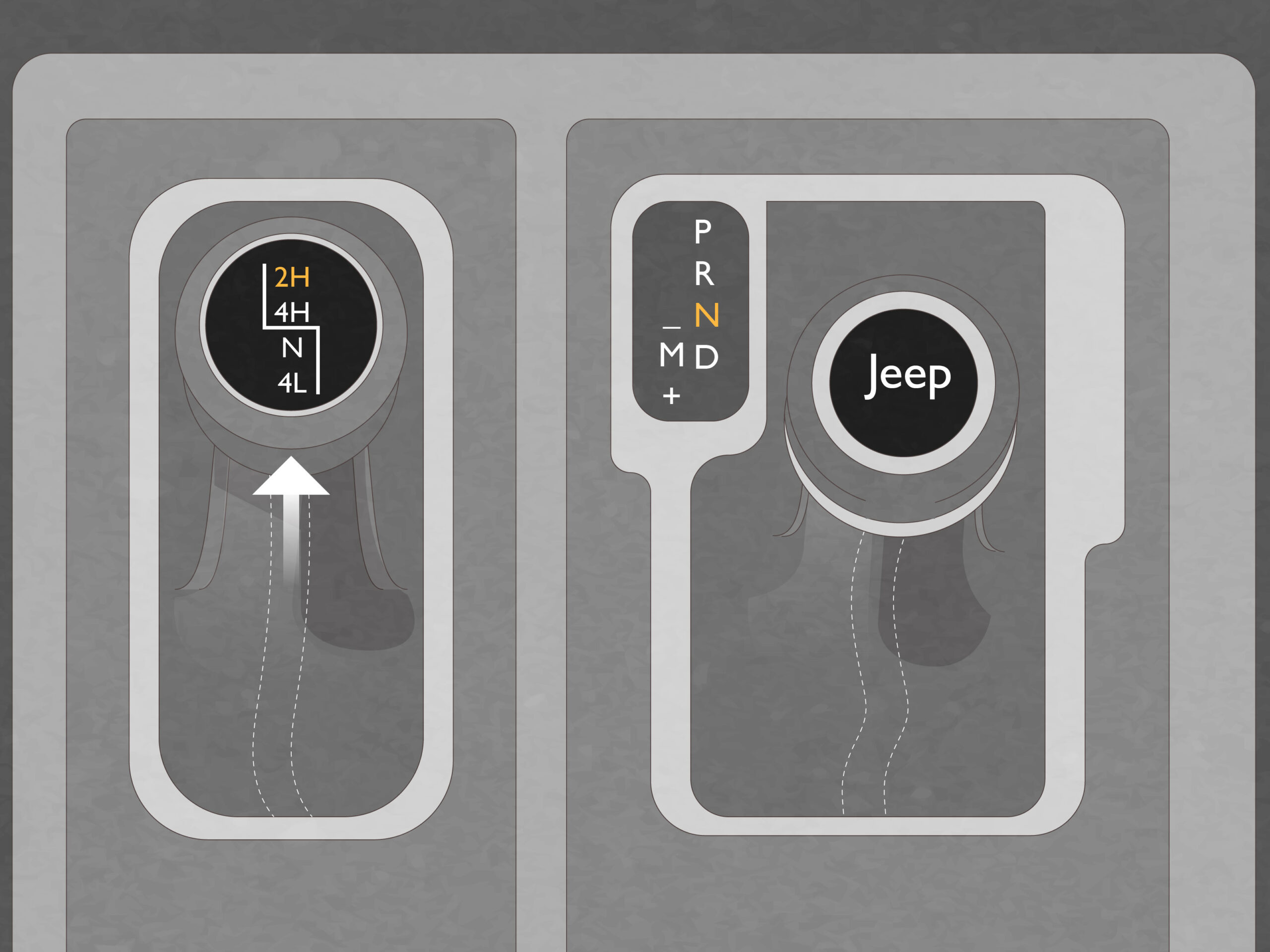
Understanding Four Wheel Drive Modes
Vehicles with 4WD usually have different modes. The most common are 4WD High, 4WD Low, and 2WD. Each mode is designed for specific conditions:
- 4WD High: For regular off-road or slippery surfaces.
- 4WD Low: For slow, challenging terrain like deep mud or steep hills.
- 2WD: For everyday driving on dry, paved roads.
Some vehicles also have Automatic 4WD or All-Wheel Drive (AWD), which work differently. Knowing your vehicle’s system is important for safe operation.
| Drive Mode | Best Use | Typical Speed |
|---|---|---|
| 2WD | Dry, paved roads | Any speed |
| 4WD High | Wet, gravel, snow | Up to 55 mph |
| 4WD Low | Off-road, deep mud | Below 25 mph |
How To Turn Off Four Wheel Drive: Step-by-step
Turning off four wheel drive is simple, but you must follow the right steps to protect your vehicle. The exact process depends on your vehicle type.
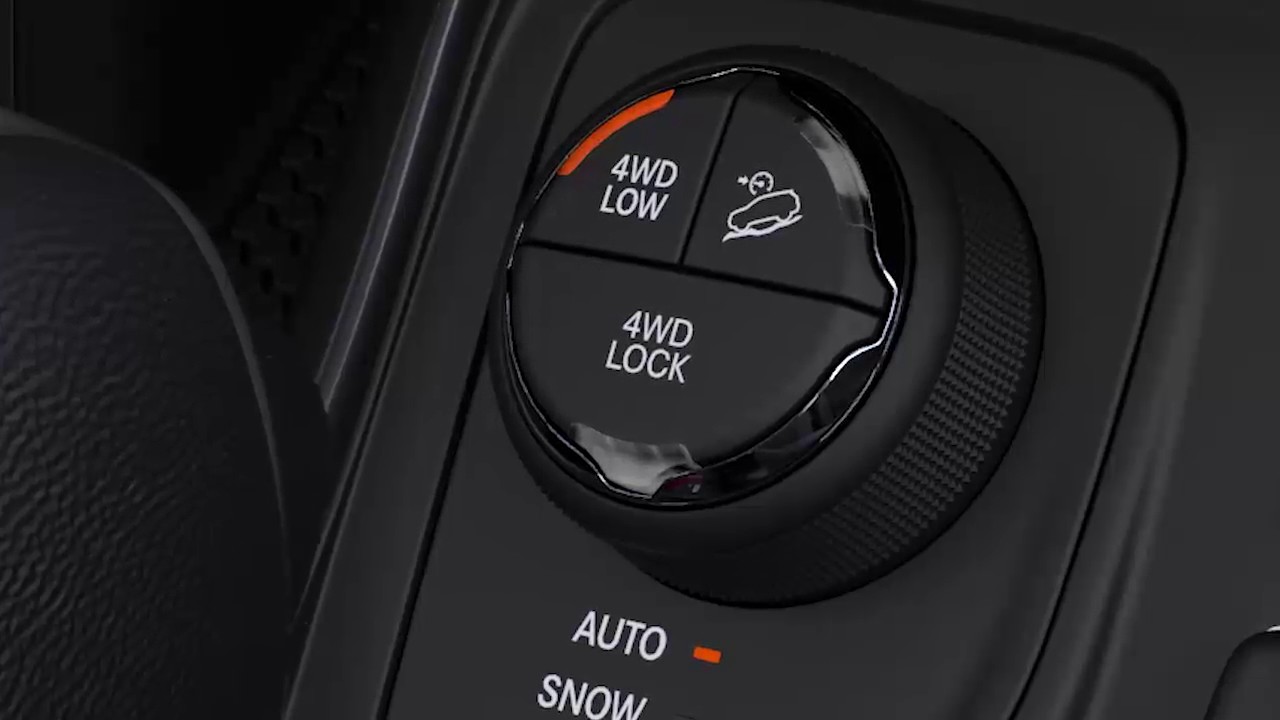
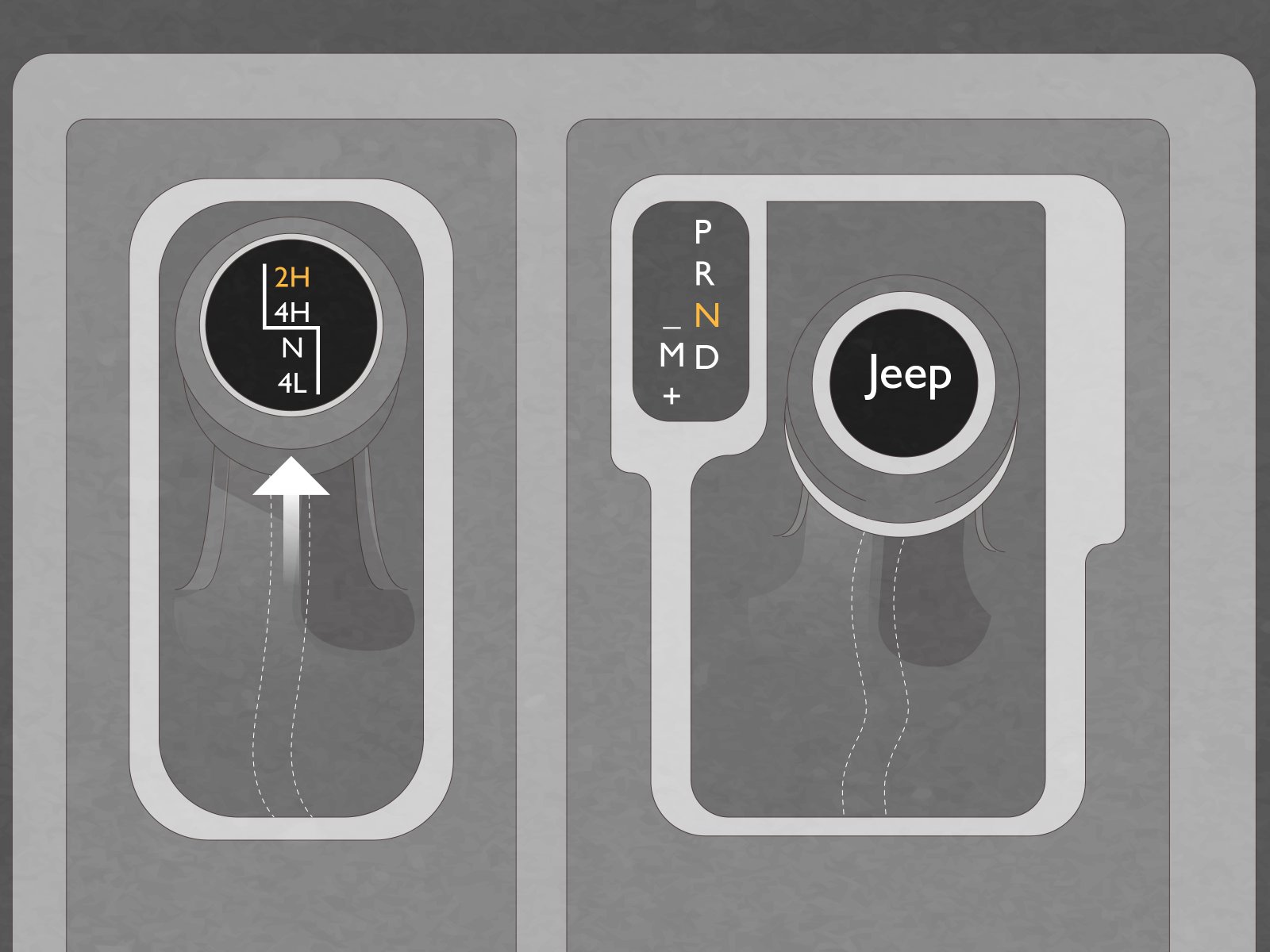
1. Know Your 4wd Controls
Most vehicles use one of these controls:
- Lever: A mechanical lever near the gear shift.
- Button/Switch: Electronic controls on the dashboard.
- Touchscreen: In newer vehicles.
Check your owner’s manual to find out which system you have.
2. Stop Or Slow Down
For most vehicles, you should be stopped or moving slowly (under 5 mph) before switching modes. Shifting at high speeds can damage the transmission.
3. Shift Into Neutral (for 4wd Low)
If you’re in 4WD Low, always shift the transmission into Neutral before turning off 4WD. This prevents gear grinding.
4. Select 2wd Mode
Change the control from 4WD to 2WD. For lever systems, move the lever; for button or switch systems, press the correct button. You may hear a small click or feel a change as the system disengages.
5. Wait For Confirmation
Most vehicles have an indicator light on the dashboard. Wait for the 2WD light to turn on or the 4WD light to turn off. This shows the system has switched successfully.
6. Resume Driving
Once confirmation appears, drive as normal. Your vehicle is now in two wheel drive.
| Vehicle Type | Typical 4WD Control | Special Steps |
|---|---|---|
| Pickup Truck | Lever or Button | Shift to Neutral for 4WD Low |
| SUV | Button or Switch | Stop vehicle before switching |
| Crossover | Touchscreen or Switch | Automatic disengagement in some models |
Common Mistakes And How To Avoid Them
Many drivers make errors when turning off four wheel drive. Here are some pitfalls:
- Switching at high speed: Shifting out of 4WD while driving fast can cause damage.
- Not shifting to neutral: Failing to do this in 4WD Low can grind gears.
- Ignoring warning lights: If your dashboard shows a warning, don’t ignore it. The system may not have disengaged.
- Leaving hubs locked: Some older trucks have manual hubs. Make sure to unlock them after switching to 2WD.
A non-obvious insight: If your vehicle feels odd (vibration, noise) after switching, stop and check again. This may signal incomplete disengagement.
Why Turning Off Four Wheel Drive Matters
Driving in 4WD when not needed can lead to problems:
- Increased fuel use: 4WD uses more energy, lowering your miles per gallon.
- Extra wear: The drivetrain and tires wear faster.
- Harder steering: 4WD can make turns stiff on dry pavement.
One study found that vehicles in 4WD can consume 10-15% more fuel compared to 2WD. That’s a big difference over time. Also, some insurance companies may not cover damage caused by improper use of 4WD.
Real-world Example
Imagine you drive a Jeep Wrangler in snow, then switch to dry roads. Leaving 4WD on can cause “binding,” where the wheels fight each other. This leads to tough steering and damage. By turning off 4WD at the right time, you protect your vehicle and save money.
Another practical tip: If your vehicle has automatic hubs, you don’t need to exit and unlock them. But in older models, always check the hubs after switching to 2WD.
| Feature | Manual 4WD | Automatic 4WD |
|---|---|---|
| Switching Required | Driver must switch | System switches automatically |
| Manual Hubs | Yes | No |
| Dashboard Indicator | Basic | Advanced |
Tips For Safe Switching
- Always consult your owner’s manual for the correct procedure.
- Avoid switching modes on steep hills or uneven ground.
- If unsure, stop the vehicle before changing modes.
- Keep an eye on dashboard lights for confirmation.
- Practice switching in a safe area before doing it in challenging conditions.
A tip many miss: Some vehicles need you to drive a short distance in reverse after switching to 2WD to fully disengage the hubs. Check your manual for this detail.
For more details about vehicle systems and safety, see Consumer Reports.
Frequently Asked Questions
How Do I Know If My Four Wheel Drive Is Off?
Check your dashboard indicator. Most vehicles show a light for 2WD or 4WD. If the 4WD light is off or the 2WD light is on, your four wheel drive is disengaged.
Can I Turn Off 4wd While Driving?
In most vehicles, you can switch out of 4WD High at low speeds (under 55 mph). For 4WD Low, you must stop and shift to neutral first. Always check your manual.
What Happens If I Leave Four Wheel Drive On?
Driving in 4WD on dry roads can cause drivetrain damage, extra tire wear, and lower fuel efficiency. It can also make steering harder.
Why Does My Vehicle Feel Strange After Switching Off 4wd?
If you notice vibration or noise, it may mean the system didn’t fully disengage. Stop, check the controls, and consult your manual. Sometimes driving a short distance in reverse helps.
Is It Safe To Use Four Wheel Drive All The Time?
No. Four wheel drive is best for slippery or rough roads. Using it on dry pavement increases wear and costs more in fuel. Switch to 2WD when conditions improve.
Turning off four wheel drive correctly is simple, but doing it wrong can lead to expensive repairs. Follow the steps above, pay attention to your vehicle’s signals, and check your owner’s manual for special instructions.
With these tips, you’ll keep your vehicle in good shape and drive safely, no matter the conditions.