If you own a Jeep JK, you know how important it is to keep the engine cool, especially during off-road adventures or hot summer drives. The radiator fan plays a key role in preventing your engine from overheating. But what if you suspect the fan isn’t working right? Testing your Jeep JK radiator fan might sound technical, but with some basic tools and careful steps, you can do it yourself and avoid bigger engine problems.
Why Test Your Jeep Jk Radiator Fan?
A faulty radiator fan can lead to engine overheating, which can cause expensive damage. Common signs include high temperature gauge readings, coolant boiling, or the air conditioner blowing warm air at idle. Testing helps you catch problems early and keeps your Jeep reliable on and off the road.
Tools And Safety
Before you start, gather these tools:
- Multimeter or test light
- Basic socket set or wrenches
- Screwdriver
- Safety gloves and glasses
Safety first: Always let the engine cool completely before working near the radiator or fan.
Understanding How The Radiator Fan Works
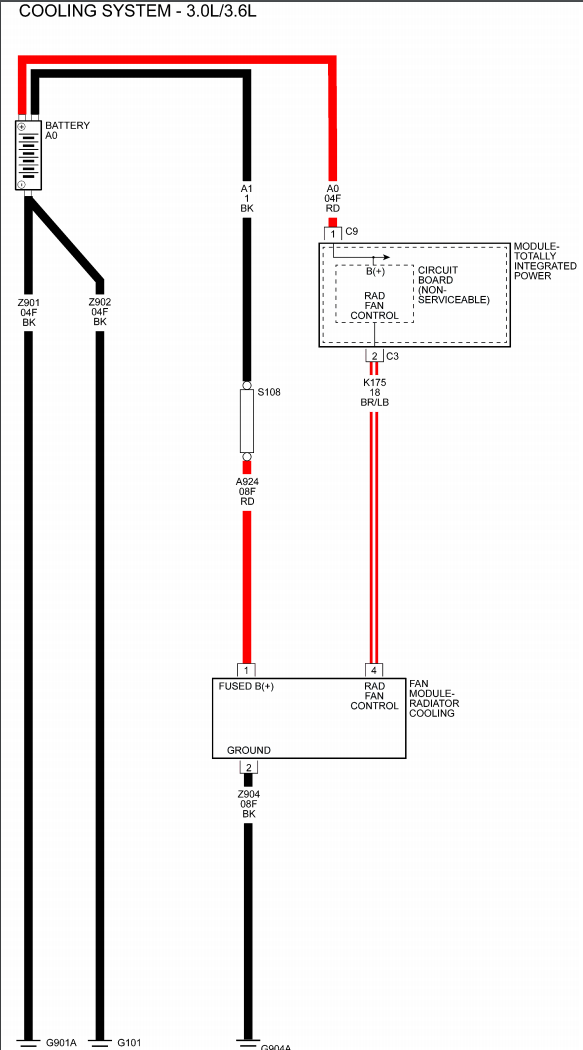
The Jeep JK radiator fan can be mechanical or electric, depending on the year and engine. Most 2007–2018 JKs use an electric fan controlled by the engine computer (PCM). The PCM activates the fan based on engine temperature, air conditioning use, or even transmission temperature.
Here’s a quick look at how the electric fan system operates:
| Component | Function |
|---|---|
| Radiator Fan | Cools engine by drawing air through radiator |
| Relay | Switches fan on/off via PCM signal |
| Coolant Temperature Sensor | Monitors engine temp, informs PCM |
| PCM | Controls when fan operates |
Step-by-step: How To Test Your Jeep Jk Radiator Fan
1. Visual Inspection
Start with a quick check. Look for:
- Broken wires or loose connectors at the fan
- Damaged fan blades or shrouds
- Signs of burnt wires or melted plastic
Insight: Many fan issues are just loose plugs or corroded connectors. Fixing these can save hours of troubleshooting.
2. Check The Fuse And Relay
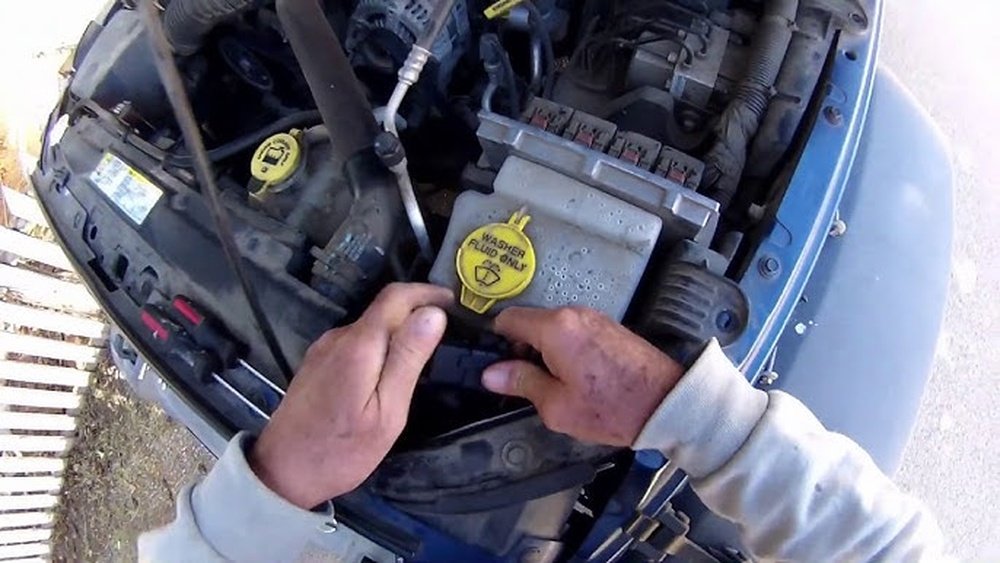
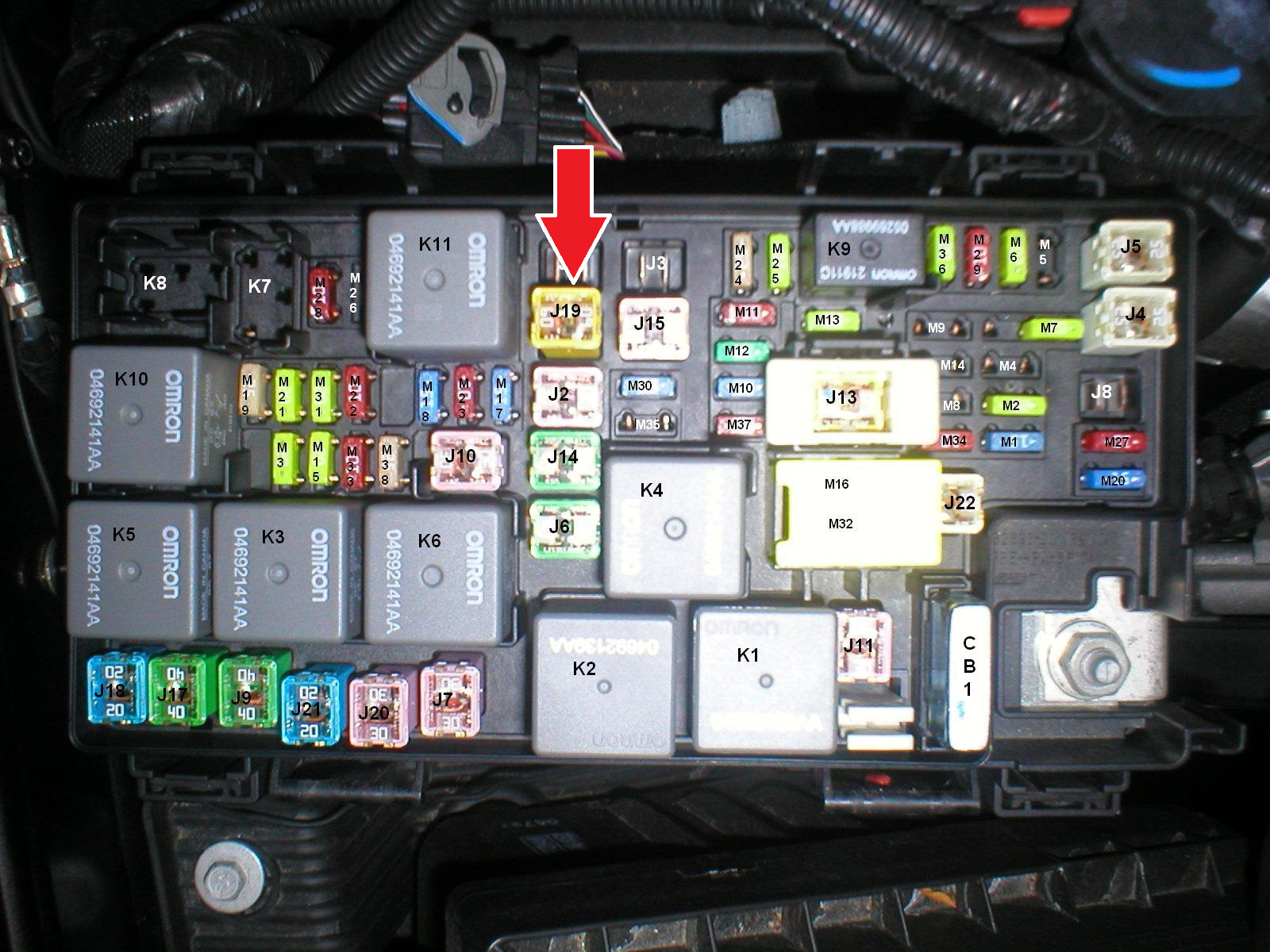
Locate the fuse box under the hood. Use your manual to find the radiator fan fuse and relay.
- Pull the fuse and inspect for breaks. Replace if blown.
- Swap the relay with a similar one (like the horn relay) to see if the fan operates.
If the fan works with the swapped relay, your relay is faulty.
3. Direct Fan Power Test
Unplug the fan. Connect the terminals directly to the battery with jumper wires (be careful to avoid short circuits).
- If the fan spins, the motor is good.
- If not, the fan motor likely needs replacement.
Non-obvious tip: Some fans have a two-speed function. Test both speeds if possible by checking all terminals.
4. Test The Coolant Temperature Sensor
A bad sensor means the PCM may never turn the fan on. With the engine off, unplug the sensor.
Most JKs will trigger the fan to run as a safety measure.
- If the fan starts, the sensor might be faulty.
- If nothing happens, check wiring or PCM.
5. Scan For Trouble Codes
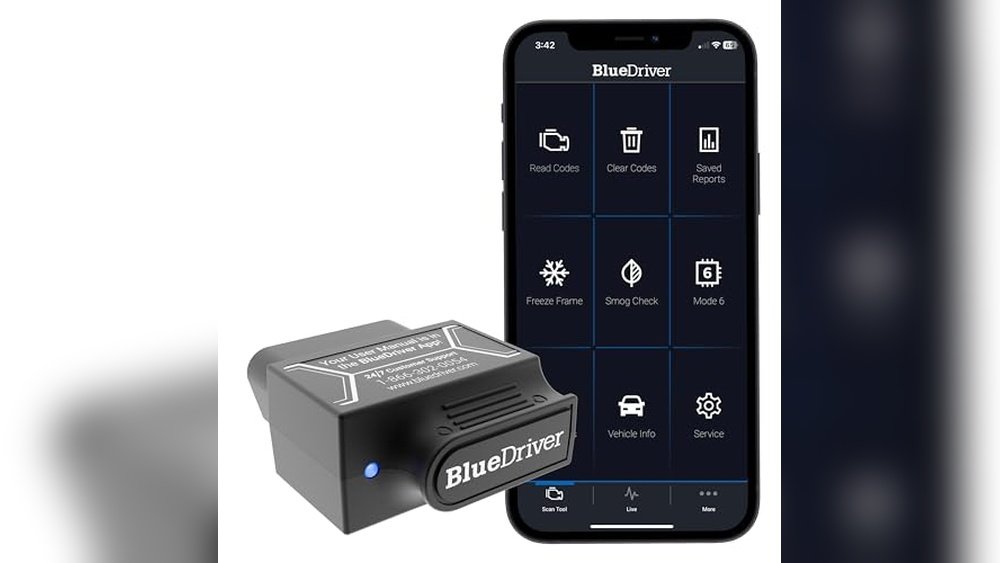
Connect a basic OBD-II scanner. Look for codes like P0480 (fan control circuit) or P0118 (coolant temp sensor high input).
These codes can point you to the source without guessing.
6. Monitor Fan Activation
Start the engine and let it idle with the hood open. The fan should come on when the engine reaches about 220°F (104°C) or when you switch on the air conditioner.
Use this quick reference:
| Situation | Expected Fan Behavior |
|---|---|
| Engine Cold | Fan Off |
| Engine Hot (220°F+) | Fan On |
| A/C On (Idle) | Fan On |
| Highway Driving | Fan Usually Off (airflow is enough) |
If the fan doesn’t behave as expected, there’s a deeper issue.
Common Jeep Jk Radiator Fan Problems
Some issues are seen more often with Jeep JKs:
- Overheating in traffic: Usually points to a bad relay, failing fan motor, or sensor.
- Fan always on: May be due to a stuck relay or shorted sensor.
- Intermittent fan operation: Loose connections or corroded grounds are often the cause.
- Vibration or noise: Broken blades or worn bearings can make the fan loud and less effective.
When To Replace The Radiator Fan
If your tests show the fan does not spin when powered directly, or if it’s noisy, it’s time to replace the fan. Aftermarket fans can cost $100 $250, while OEM parts are usually more expensive.
Labor at a shop can add another $100 $200.
A faulty fan should be replaced quickly. Overheating can warp cylinder heads or damage gaskets, leading to repair bills over $1,000.

Pro Tips Most Owners Miss
- Always check the fan shroud. Missing or broken shrouds reduce airflow by up to 30%.
- After any electrical work, clear codes with your OBD-II scanner. Some Jeep computers keep old codes, which can confuse future troubleshooting.
- Clean connectors with electrical contact cleaner to prevent corrosion.
What If The Fan Still Doesn’t Work?
If all these steps fail, the issue might be with the PCM or wiring harness. At this point, a professional mechanic with advanced diagnostic tools should check the system.
Sometimes, even a small wiring break hidden under insulation can cause a complete fan failure.
For more technical details, official Jeep service manuals or resources like Jeep’s official site can help.
Frequently Asked Questions
Why Does My Jeep Jk Fan Run All The Time?
If the fan is always on, it could be a faulty relay, a bad temperature sensor, or a PCM issue. Sometimes, low coolant or air pockets can confuse the sensor and trigger the fan.
Can I Drive My Jeep If The Radiator Fan Isn’t Working?
It’s risky. Without the fan, your engine can overheat in traffic or while off-roading.
Limit driving and fix the problem as soon as possible.
How Often Should I Check My Radiator Fan?
Check the fan every oil change or after any overheating event. Regular checks prevent surprise breakdowns.
What Are Signs Of A Failing Radiator Fan?
Look for rising temperature gauges, hot coolant smells, or the air conditioner not cooling at idle. Listen for strange noises from the fan area.
Is It Okay To Install An Aftermarket Radiator Fan?
Yes, aftermarket fans are fine if they meet or exceed OEM specs. Check reviews and ensure correct fitment for your Jeep JK.
Testing your Jeep JK radiator fan isn’t difficult with the right steps. Quick checks today can prevent serious engine problems tomorrow. With a few tools and careful attention, you’ll keep your Jeep’s cooling system running strong for every adventure.