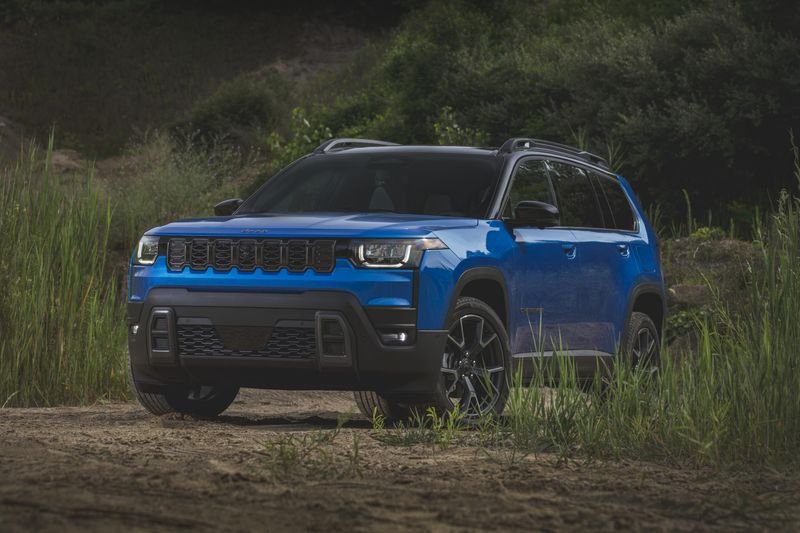
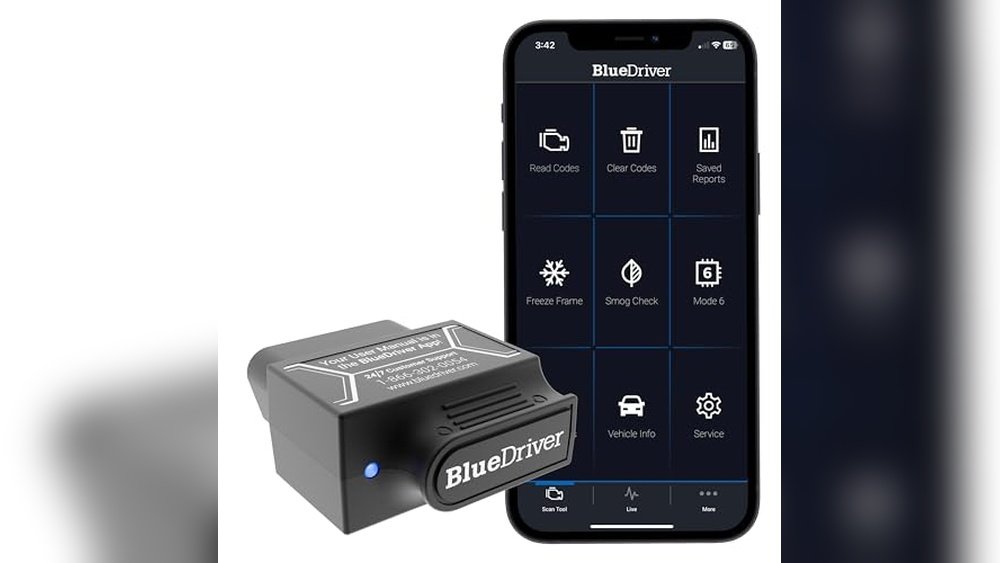
Every Jeep owner wonders about their vehicle’s safety features, especially when driving off-road or in tough weather. One important system is ABS (Anti-lock Braking System). ABS helps keep your Jeep stable and stops your wheels from locking up during hard braking. But how can you tell if your Jeep actually has ABS? This guide will show you clear ways to check, explain why ABS matters, and answer common questions—all in simple, practical language.
Why Abs Matters For Your Jeep
ABS is not just a fancy feature. It keeps your Jeep safer by helping you control the vehicle during emergency stops. With ABS, you’re less likely to skid or lose control if you brake suddenly on wet or uneven surfaces. According to the National Highway Traffic Safety Administration (NHTSA), vehicles with ABS are involved in 35% fewer crash incidents caused by loss of control compared to those without it.
If you drive a Jeep Wrangler, Grand Cherokee, or another model, knowing if you have ABS affects how you drive and maintain your Jeep. It’s also important for insurance and resale value.
Quick Ways To Check For Abs
Checking for ABS is easier than most people think. You don’t need special tools or deep car knowledge. Here are the most reliable methods:
1. Dashboard Indicator Light
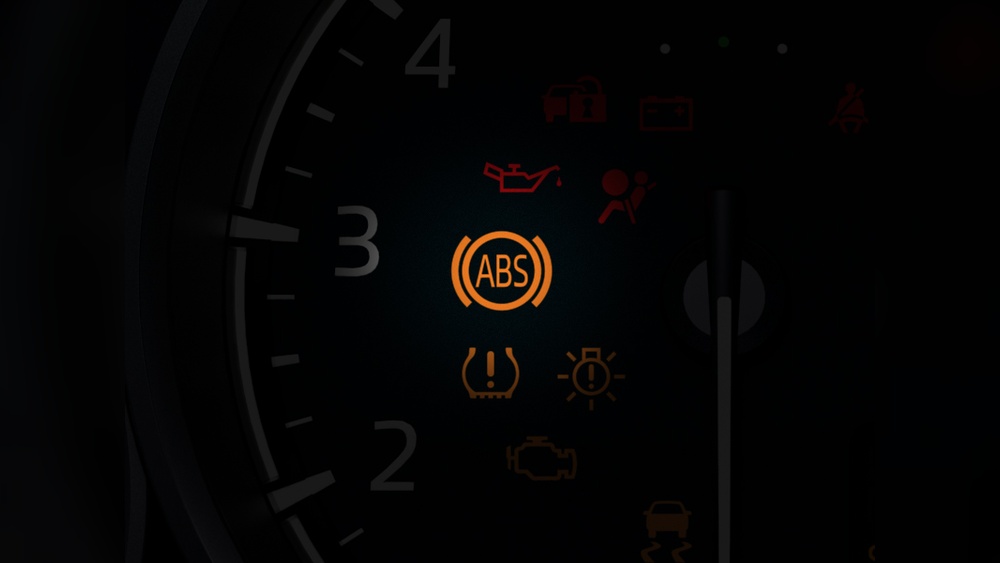
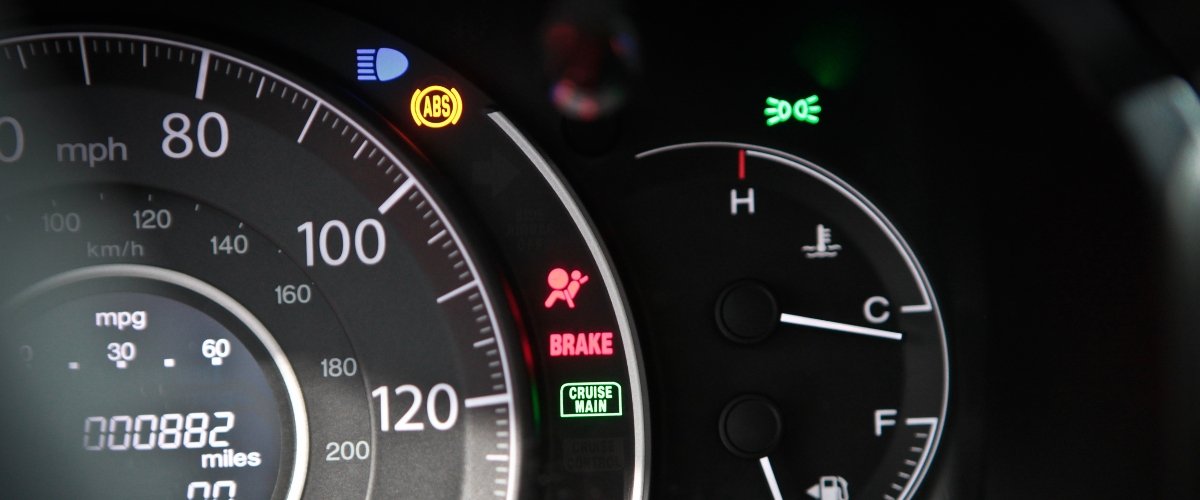
When you start your Jeep, look at the dashboard. Most modern Jeeps show an ABS warning light for a few seconds as a self-test.
- If you see a yellow or orange “ABS” symbol, your Jeep has ABS.
- If the light never appears, it’s likely your Jeep does not have ABS.
2. Owner’s Manual
Your Jeep’s owner’s manual lists all safety features. Look for “Anti-lock Braking System” or “ABS” in the brakes section. The manual also explains how ABS works and what the dashboard light means.
3. Brake System Components
ABS uses special equipment. You can check under the hood or near the wheels for these:
- ABS module: Usually a small box with wires near the brake master cylinder.
- Wheel speed sensors: Small sensors on each wheel hub.
If you see these, your Jeep has ABS.
4. Vin Lookup
Your Vehicle Identification Number (VIN) can tell you about factory-installed features. Use a free online VIN decoder or your Jeep dealership.
- Enter your VIN.
- Look for “ABS” or “Anti-lock Brakes” in the results.
5. Test Braking
This is less reliable, but you might feel the ABS working. If you brake hard on a slippery surface, ABS will cause the brake pedal to pulse.
However, this only works if the system is working and you know what to expect.
Common Jeep Models And Abs Availability
Not all Jeeps have ABS. Older models often lack it, while newer ones include it as standard. Here’s a quick overview:
| Jeep Model | Year Range | ABS Standard? |
|---|---|---|
| Wrangler | 1997–2006 | No (optional) |
| Wrangler | 2007–present | Yes |
| Grand Cherokee | 1993–present | Yes |
| Cherokee | 1984–2001 | No (optional) |
| Compass | 2007–present | Yes |
Tip: If you own a Jeep from before 2007, check carefully. Many older models only have ABS as an optional feature.
Key Differences: Abs Vs Non-abs Jeeps
It helps to know what changes when your Jeep has ABS. Here’s a simple comparison:
| Feature | With ABS | Without ABS |
|---|---|---|
| Braking Control | Stable, less skidding | Higher risk of skidding |
| Stopping Distance | Shorter on wet/icy roads | Longer on slippery surfaces |
| Insurance Rates | Lower (sometimes) | May be higher |
| Resale Value | Better | Lower |
| Maintenance | ABS module, sensors | Simpler brake system |
Mistakes Jeep Owners Make When Checking Abs
Many Jeep owners assume they have ABS because their vehicle is “new.” But not all trims include ABS, especially in older models or base versions. Some also confuse the ABS light with other warning lights. Always check the owner’s manual and VIN for confirmation.
Another mistake is thinking ABS works in all driving conditions. It helps on slippery roads, but it won’t stop your Jeep instantly. Good tires and safe driving matter too.
Extra Insights Most Beginners Miss
- ABS can be disabled: Some Jeeps let you turn off ABS for off-road use. If you don’t see the ABS light, check your settings.
- ABS repairs are not cheap: Replacing an ABS module or sensor can cost $300–$800. Knowing if you have ABS helps plan for future repairs.
- Insurance discounts: Some insurance companies offer lower rates for ABS-equipped Jeeps. Always mention this feature when getting quotes.
Frequently Asked Questions
How Do I Find My Jeep’s Vin?
Look for your VIN on the dashboard near the windshield, on the driver’s door frame, or on your registration papers. Use the VIN to check for ABS features online or at the dealership.
Can Abs Be Added To My Older Jeep?
It’s possible, but not practical. Adding ABS to a Jeep without it means changing the brake system, adding sensors, and installing an ABS module. This is expensive and often not recommended.
Does Abs Help Off-road?
ABS is designed for paved roads. On loose gravel or mud, some drivers prefer to turn it off.
Some Jeeps have settings to disable ABS for off-road driving. Always check your manual.
What Should I Do If My Abs Light Stays On?
If the ABS light stays on after starting, it means a problem with the system. Your Jeep will still brake, but ABS won’t work. Get it checked by a mechanic soon.
Where Can I Get More Info About Abs?
You can learn more about ABS and its benefits at Wikipedia.
Knowing if your Jeep has ABS is important for your safety and peace of mind. The easiest way is to check the dashboard light, owner’s manual, and VIN.
Don’t guess confirm your Jeep’s features so you can drive with confidence. If you’re unsure, ask your dealer or a trusted mechanic.
Safety starts with knowing your vehicle.