If you spot a Jeep on the road and wonder, “Is that thing lifted? ” you’re not alone.
Lifted Jeeps catch your eye because they look taller, tougher, and ready for adventure. But sometimes, the difference isn’t obvious, especially if you’re new to Jeep vehicles.
Knowing how to tell if a Jeep is lifted can help you understand its performance, safety, and even value. Let’s break down the clues, compare numbers, and show you exactly what to look for.
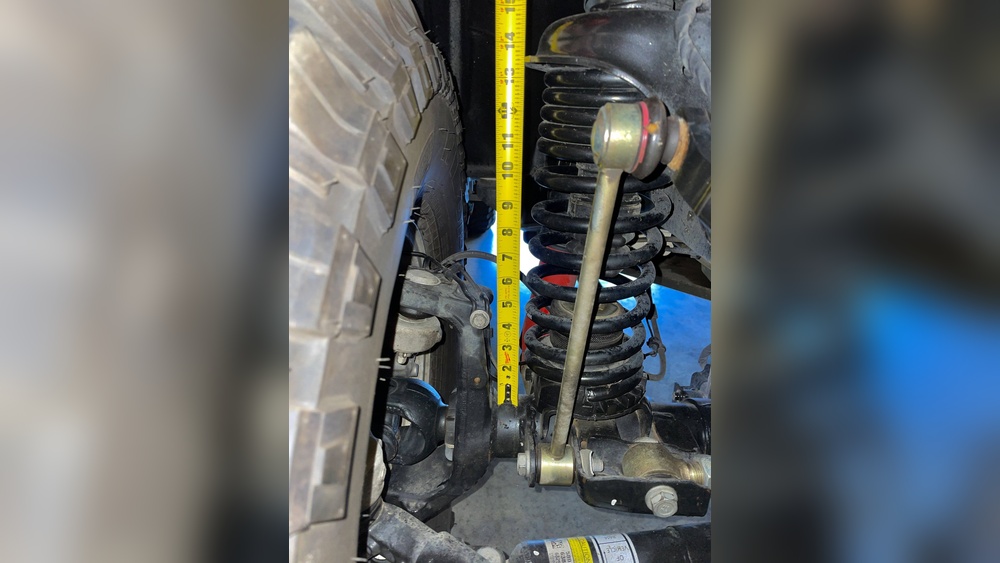
What Does “lifted” Mean For A Jeep?
A lifted Jeep has been modified to sit higher above the ground. This is usually done by adding bigger suspension parts or taller tires. The main reasons people lift their Jeeps are:
- To drive over bigger rocks and rough terrain
- To fit larger tires for off-road use
- To give the Jeep a more aggressive look
There are two main types of lifts:
- Suspension Lift: Raises the entire vehicle by changing springs, shocks, or control arms.
- Body Lift: Adds spacers between the body and frame, making only the body sit higher.
Most lifted Jeeps use a suspension lift for better performance.
Visual Signs: Spotting A Lifted Jeep
You don’t need to be a mechanic to spot a lifted Jeep. Here are easy ways to check:
1. Wheel Gap
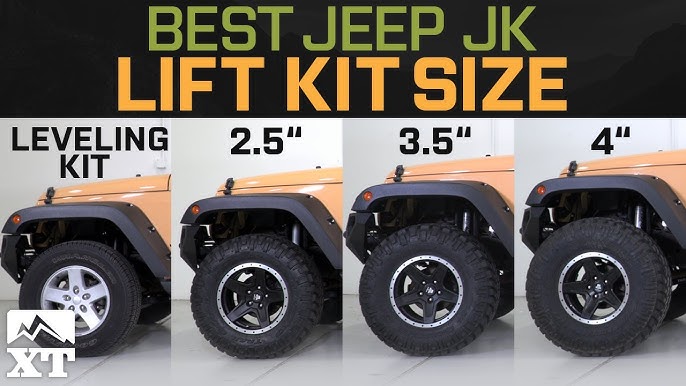
Look at the space between the top of the tire and the fender. Stock Jeeps usually have a small gap.
If the gap is much larger, it’s likely lifted.
2. Tire Size
Bigger tires are a common sign. Stock Jeep Wranglers often have tires around 29 32 inches.
Lifted Jeeps may use 33 37 inch tires.
3. Stance And Height
Compare the Jeep’s height to other vehicles. If it stands noticeably taller, especially at the wheel arches, it’s probably lifted.
4. Suspension Parts
Check under the Jeep. Look for aftermarket springs, shocks, or control arms.
These often look newer or different than factory parts.
5. Step Height
If you have to climb in, or the step is much higher than usual, it’s a good hint.
Measuring Height: Stock Vs Lifted Jeeps
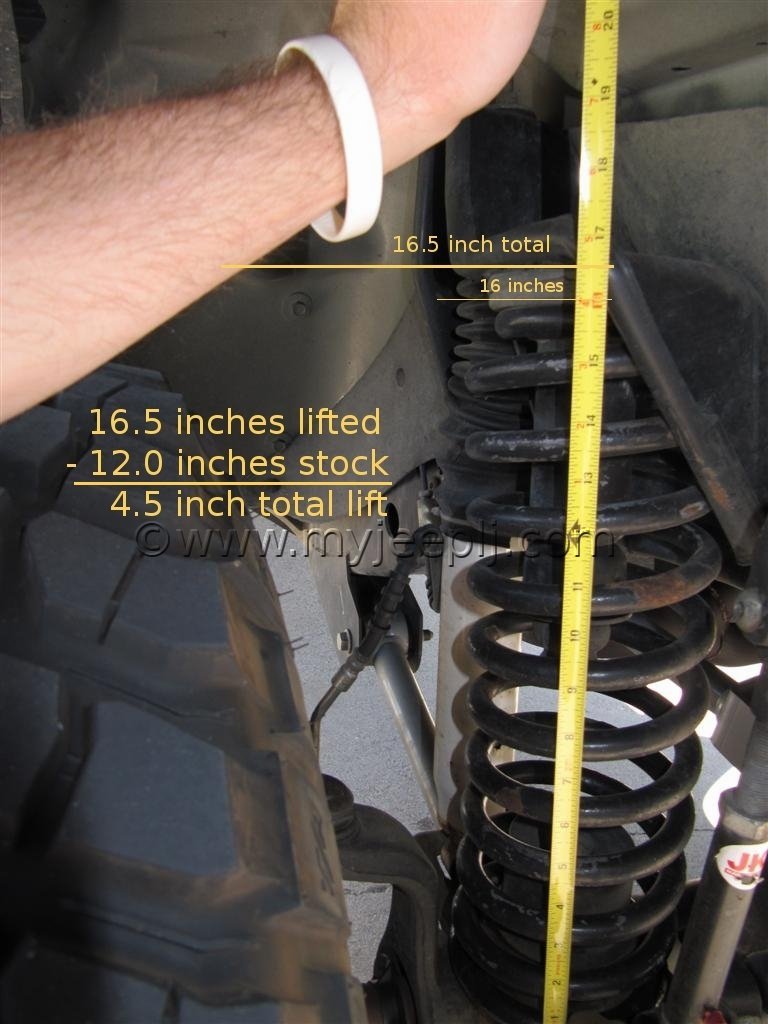
For a more accurate check, compare the Jeep’s actual measurements to factory numbers.
| Model | Stock Ground Clearance | Typical Lift Height |
|---|---|---|
| Jeep Wrangler JL | 8.3 inches | 2–4 inches |
| Jeep Gladiator | 10 inches | 2–6 inches |
| Jeep Cherokee | 8 inches | 1–3 inches |
Measure from the ground to the lowest part of the Jeep (often the axle or frame). If the clearance is much higher than the numbers above, it’s lifted.
Comparing Tire Sizes
Tire size is a fast clue. You can check the tire sidewall for numbers like “285/70R17.” This means:
- 285 mm wide
- 70% sidewall height to width
- 17 inch wheel
To convert to inches, use online calculators or check the tire specs. Here’s a quick comparison:
| Tire Size | Fits Stock? | Needs Lift? |
|---|---|---|
| 29–32 inches | Yes | No |
| 33–35 inches | No | Yes |
| 37+ inches | No | Yes (big lift) |
A Jeep running 35 inch tires almost always has a lift kit.
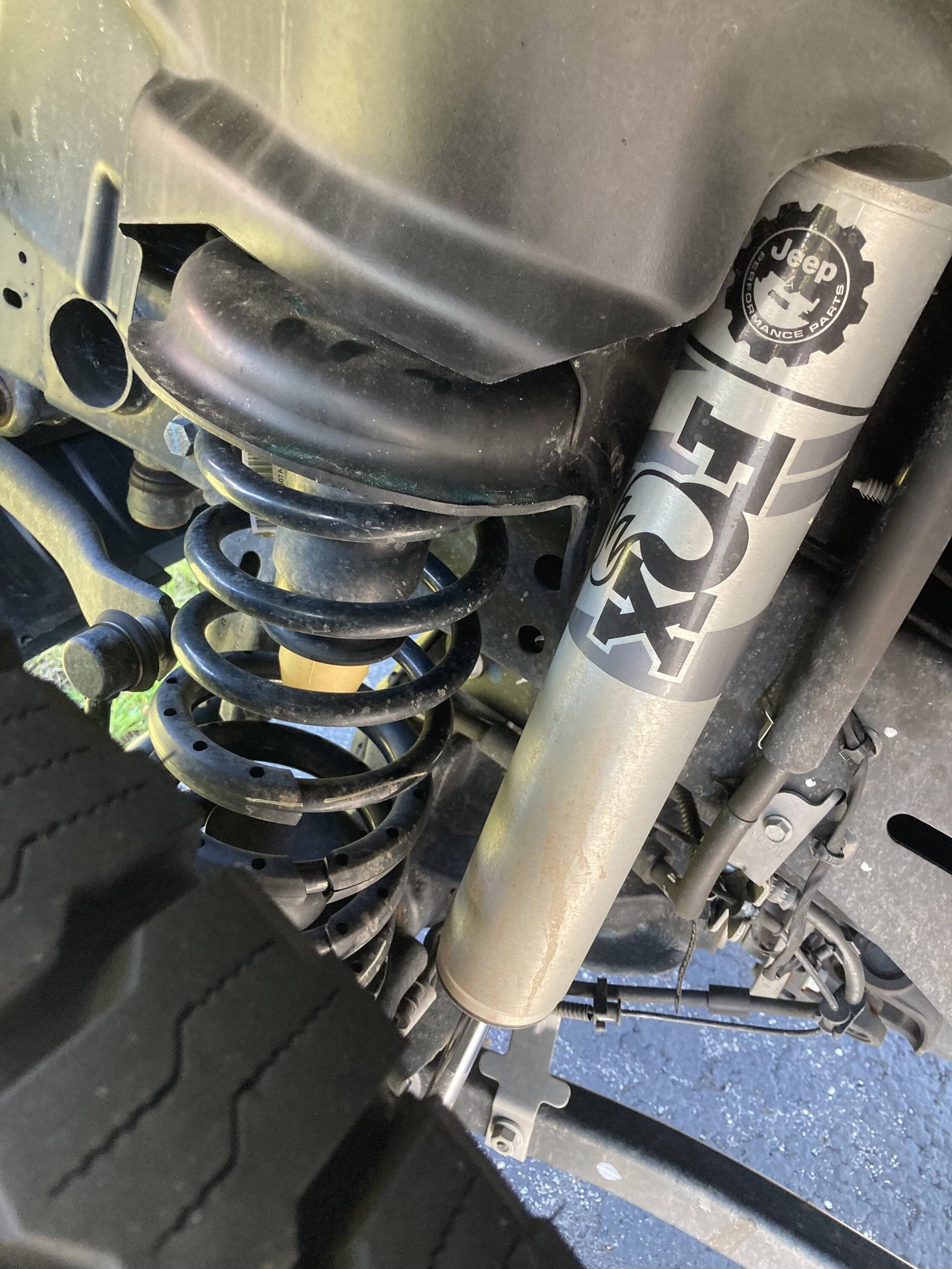
Aftermarket Parts: What To Look For
Lifted Jeeps often have parts you won’t find on factory models. Here are some details:
- Aftermarket shocks and springs: Usually colored, thicker, or branded.
- Adjustable control arms: These are beefier and often have visible bolts.
- Track bars: Extra bars for stability, usually thicker and mounted differently.
- Lift spacers: If you spot thick disks above the springs, that’s a body lift.
Sometimes, you’ll also see brake line extensions or driveshaft upgrades in heavily lifted Jeeps.
Real-world Examples
Say you see a Jeep Wrangler with a wheel gap of nearly 6 inches and tires marked “35×12. 50R17.
” The factory gap is about 3 4 inches, and stock tires are 32 inches. This Jeep is almost certainly lifted.
Another example: a Jeep Gladiator with visible red springs and a step that comes up to your knee. These are strong clues of a suspension lift.
Common Mistakes When Checking
- Assuming all big tires mean a lift: Some Jeeps have custom fenders to fit big tires without a lift.
- Ignoring body lifts: These are harder to spot but still raise the body noticeably.
- Not measuring from level ground: Always check on flat pavement for accurate height.
Many beginners forget to check under the Jeep, missing clear signs like aftermarket springs or control arms.
Why It Matters
Knowing if a Jeep is lifted is important for:
- Insurance: Rates can change for modified vehicles.
- Resale value: Lifts affect price and buyer interest.
- Safety: Lifted Jeeps handle differently, especially on highways.
- Off-road use: Lifts allow bigger tires and better ground clearance.
If you’re buying, selling, or just curious, these checks can save you time and money.
Frequently Asked Questions
How Can I Check If My Jeep Has A Lift Kit?
Look for aftermarket suspension parts under the vehicle, measure the ground clearance, and check the tire size. Compare these to factory specs for your Jeep model.
Can A Jeep Be Lifted Without Big Tires?
Yes. Some owners lift their Jeep for ground clearance or style, but keep the stock tires.
However, most lifted Jeeps also have larger tires.
Will A Lift Kit Affect My Jeep’s Warranty?
It depends. Most factory warranties do not cover aftermarket lift kits. Always check with your dealer before making changes.
Is A Body Lift Different From A Suspension Lift?
Yes. A body lift uses spacers to raise the body above the frame, while a suspension lift changes springs and shocks to raise the entire vehicle. Suspension lifts improve off-road performance more.
Where Can I Find Reliable Jeep Specifications?
Official Jeep websites and trusted sources like Jeep.com offer specs for all Jeep models.
Spotting a lifted Jeep gets easier once you know the signs. Look at wheel gaps, tire sizes, suspension parts, and measure the height.
After a few tries, you’ll spot lifts like a pro. Always double-check if you’re buying or selling, and remember lifted Jeeps bring both excitement and responsibility.


















