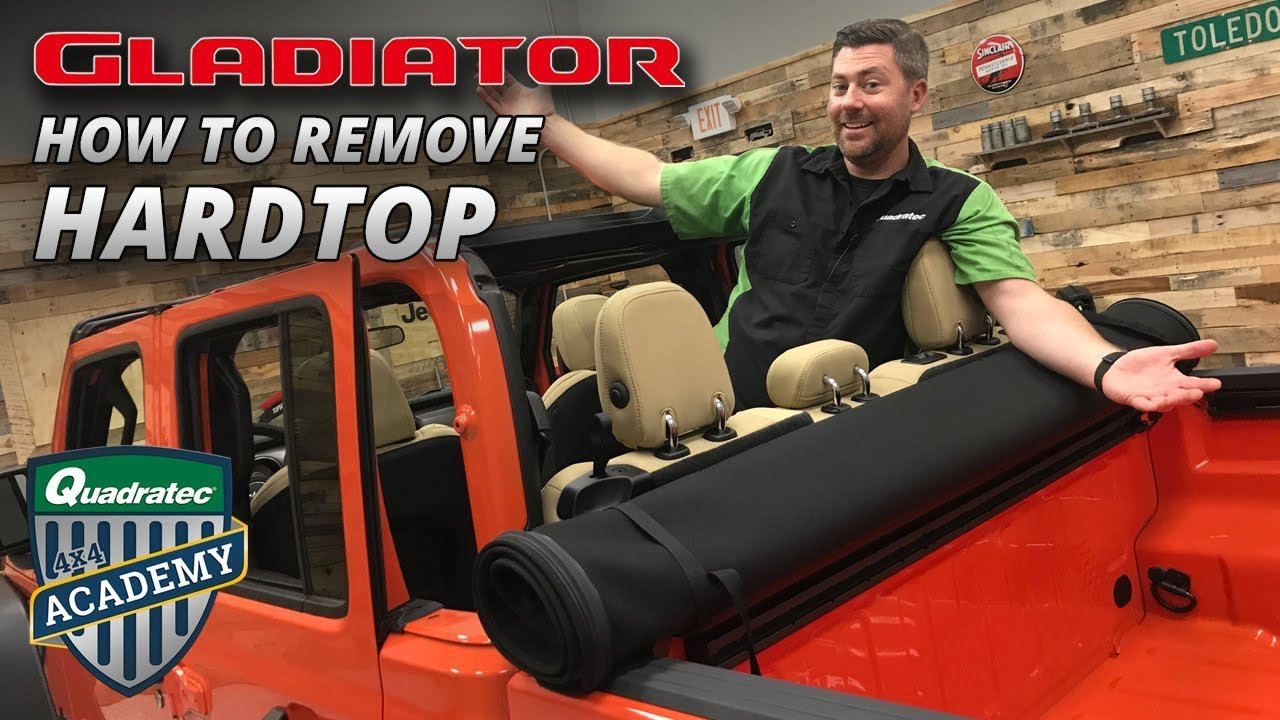
Taking off the hardtop of a Jeep Gladiator is a satisfying DIY project for many owners. It opens up your ride to the fresh air and sun, transforming daily drives and off-road adventures. But removing the hardtop isn’t as simple as undoing a few bolts—it requires the right tools, a careful approach, and a little know-how to avoid damage. Whether you want to enjoy open-air freedom or just need access for maintenance, this guide covers every step in simple, clear language.
Why Remove The Jeep Gladiator Hardtop?
The hardtop makes your Jeep Gladiator versatile. On cold or rainy days, it keeps you warm and dry. But when the weather is nice, taking it off is one of the joys of Jeep ownership. Removing the top gives you:
- Open-air driving experience
- Easier cleaning of the interior
- More cargo space for tall items
Many owners also take off the hardtop for events, off-roading, or just to enjoy the outdoors. If you’ve never done it before, you’ll find it gets easier each time.
Tools And Preparation
Before you begin, gather the right tools. Using the proper equipment will save time and prevent damage.
Essential Tools
- T-50 Torx bit (for bolts)
- Ratchet or wrench
- Protective gloves (optional, for grip and safety)
- Helper or lifting device (the hardtop is heavy)
- Soft blankets or foam pads (to set the top down safely)
- Storage bags (for bolts and small parts)
Preparation Steps
- Park on a flat, stable surface. This keeps your Jeep steady.
- Turn off the engine and set the parking brake.
- Remove any roof racks or accessories attached to the top.
- Fold down the rear seats if you need more space to work.
- Make sure you have enough room behind the Jeep to remove and store the top.
Non-obvious insight: Don’t attempt removal during windy conditions—gusts can make handling the hardtop dangerous.
Step-by-step Hardtop Removal
Removing the Jeep Gladiator hardtop is best done with care and patience. Here’s how to do it safely.
1. Remove Freedom Panels
The front part of your hardtop consists of two removable panels called Freedom Panels.
- Unlatch the two header latches above the sun visors.
- Release the rear latches (behind the driver and passenger seats).
- Slide the panels upward and out of the vehicle. Set them on a soft surface to prevent scratches.
2. Disconnect Electrical And Washer Connections
On the driver’s side, near the rear seat, you’ll find two connections:
- Wiring harness (for rear defrost and wiper)
- Washer fluid hose
To disconnect:
- Gently press the tab and pull the wiring connector apart.
- Twist and pull the washer hose to separate it. Cap it with the supplied plug if available.
Pro tip: Take a photo before disconnecting. It helps during reinstallation.
3. Remove Hardtop Bolts
There are eight Torx bolts holding the main hardtop to the body.
- Four are on the top, near the roll bar.
- Two are on each side, just behind the rear doors.
Use the T-50 Torx bit and ratchet to remove each bolt. Place all hardware in a storage bag.
Common mistake: Do not overtighten or force bolts—this can strip threads.
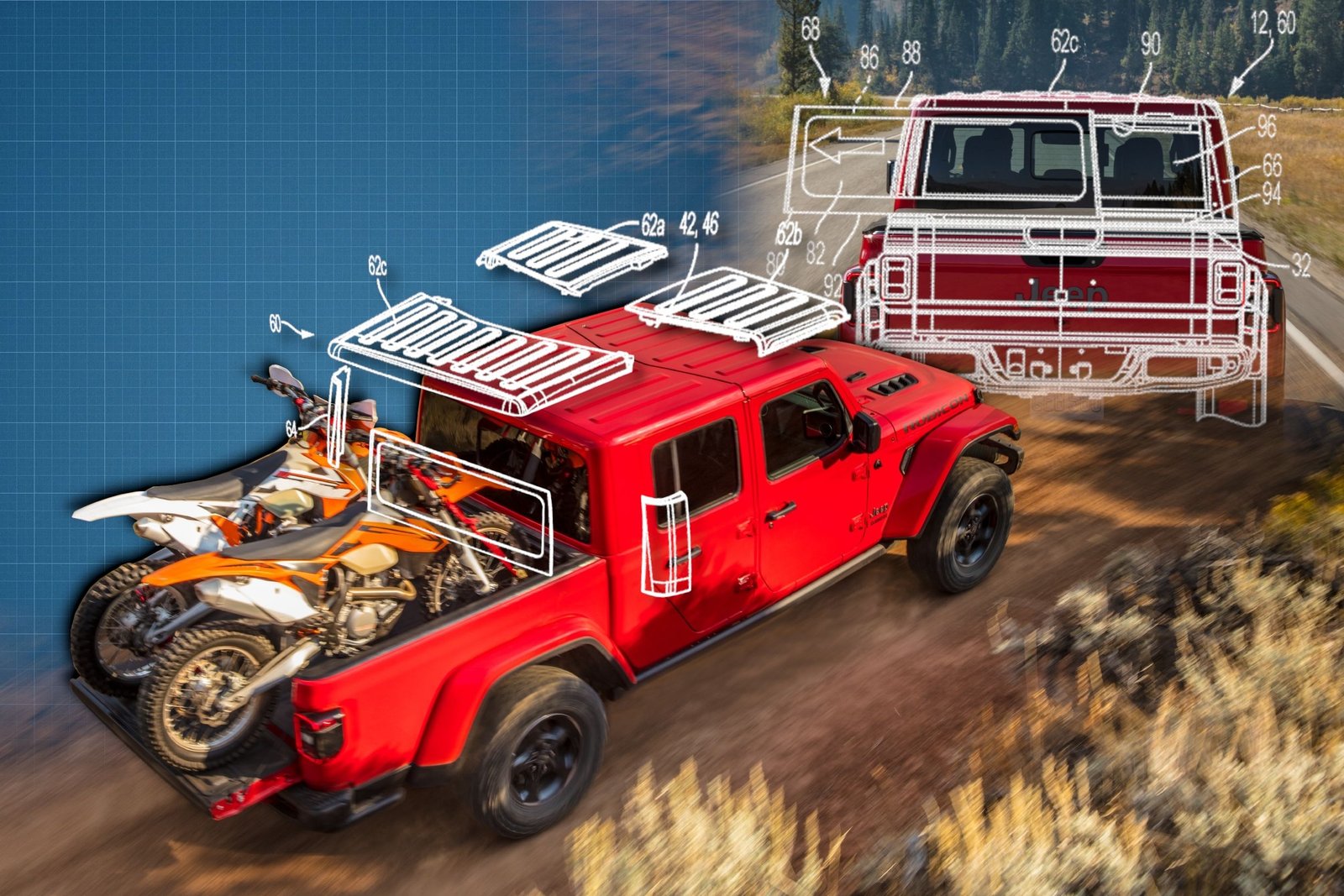
4. Lift And Remove The Hardtop
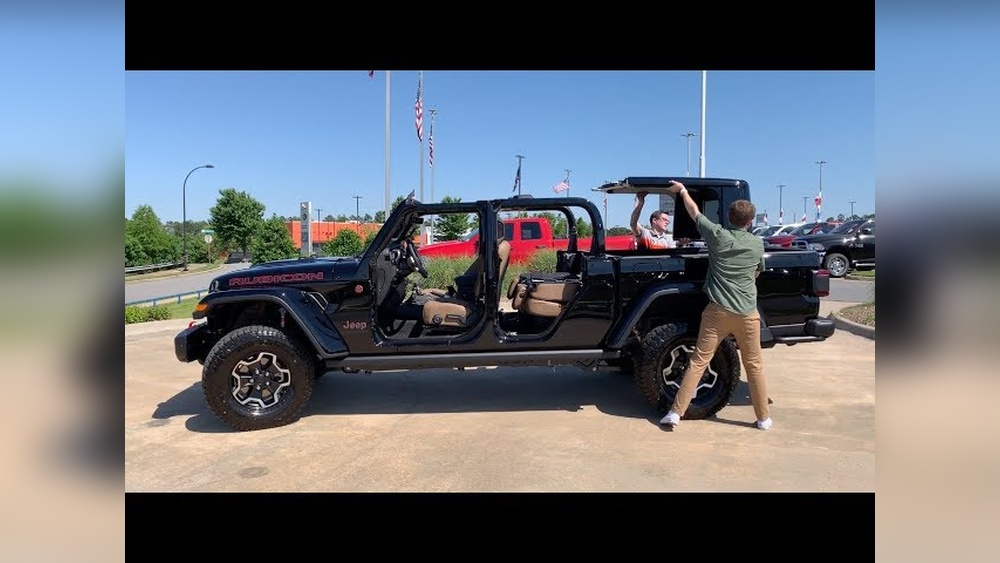
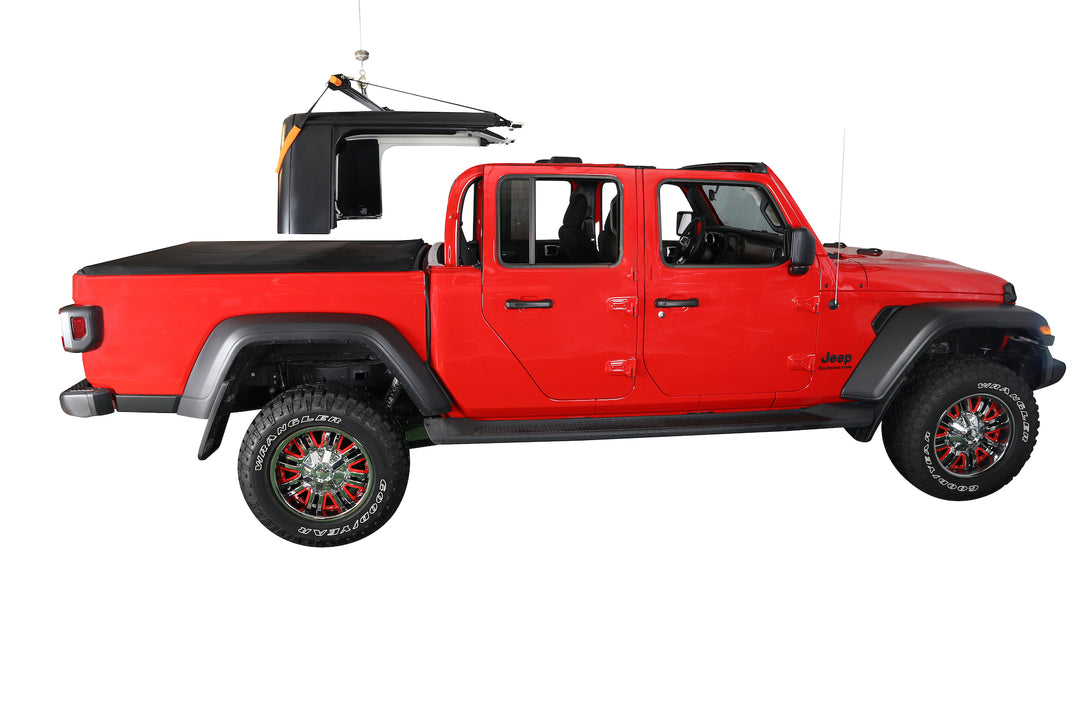
The hardtop weighs about 140 pounds (64 kg). It’s possible for two strong adults to lift it, but a mechanical hoist or lift is safer and easier.
- With all bolts out and connections unplugged, lift the top straight up, then back.
- Move slowly to avoid hitting the vehicle or scratching paint.
- Set the top on a padded surface.
Safety note: Never try to lift the hardtop alone. Back injuries are common when people underestimate the weight or size.
5. Store The Hardtop Safely
Place the top on its side, on blankets or foam. Avoid direct sunlight for long periods, which can warp the material. Some owners use a hardtop storage cart or wall mounts for garage storage.
Comparison: Hardtop Vs. Soft Top
If you’re considering swapping to a soft top or just want to understand the differences, here’s a quick look at how the two compare:
| Feature | Hardtop | Soft Top |
|---|---|---|
| Weather Protection | Excellent (wind, rain, snow) | Good, but less insulated |
| Noise Level | Quieter | Noisier at highway speeds |
| Security | High | Medium (easier to cut) |
| Weight | Heavy (140 lbs+) | Light (easier removal) |
| Removal Effort | Requires tools & help | One person, quick |
Handling Common Problems
Even with the right tools, you might run into challenges. Here’s how to solve a few issues:
Stuck Or Stripped Bolts
If a bolt won’t move, spray a small amount of penetrating oil and wait 10 minutes. Use a steady, even pressure to loosen. If you strip a bolt, avoid using pliers as they can cause more damage—try a bolt extractor or consult a mechanic.
Wiring Snags
If the wiring harness feels stuck, double-check for hidden tabs or clips. Never yank on wires; gentle wiggling is safer.
Hardtop Alignment Issues
If the top doesn’t lift off smoothly, check that all bolts and latches are fully removed. Sometimes a small bolt near the roll bar can be missed.
Non-obvious insight: Mark the bolt locations with tape or labels. This speeds up reinstallation, especially for new Jeep owners.
Tips For Reinstalling The Hardtop
Putting the hardtop back on is almost the reverse of removal, but a few details matter.
- Inspect weather seals for dirt or damage. Clean or replace as needed.
- Reconnect all electrical and washer fluid lines securely.
- Tighten bolts to the recommended torque (consult your owner’s manual, usually around 26 ft-lbs).
- Don’t overtighten; this can crack the top or strip threads.
- Install the Freedom Panels last.
Missing or loose bolts are a common cause of leaks or rattles after reinstallation.
Safety Considerations
Removing the Jeep Gladiator hardtop is safe if you follow simple rules:
- Never attempt solo lifting.
- Use gloves to prevent cuts from metal edges.
- Keep pets and children clear of the work area.
- Store the top securely to avoid falls or damage.
If you’re unsure, ask a friend for help or watch a video from a trusted source like the official Jeep site.
Cost Of Hardtop Removal Tools
You don’t need expensive equipment, but a few items make the job easier. Here’s what you might spend:
| Tool/Accessory | Estimated Cost (USD) | Worth Buying? |
|---|---|---|
| T-50 Torx Bit Set | $10–$25 | Yes, essential |
| Soft Storage Bags | $20–$40 | Optional, protects hardware |
| Hardtop Hoist/Lift | $150–$400 | Recommended for frequent removal |
| Foam Pads/Blankets | $10–$30 | Yes, prevents scratches |
Most owners spend under $50 for basic tools, but a hoist is a good long-term investment if you plan to remove the top regularly.
Mistakes To Avoid
Many first-timers make errors that can lead to damage or frustration. Here are common mistakes:
- Forgetting to disconnect wiring before lifting the top.
- Losing bolts or mixing them up.
- Lifting alone—risking injury or dropping the hardtop.
- Rushing the process, leading to scratches or broken connectors.
- Not cleaning seals before reinstalling, which causes leaks.
Spending a few extra minutes at each step can save hours of trouble later.
When Not To Remove The Hardtop
It’s best to keep the hardtop on during:
- Cold months: The hardtop insulates better than a soft top.
- Rainy seasons: Better protection from water leaks.
- Dusty or sandy conditions: Keeps the interior cleaner.
If you must remove it in less-than-ideal weather, cover your Jeep with a heavy-duty tarp.
Final Thoughts
Taking off your Jeep Gladiator hardtop is one of the most rewarding parts of Jeep life. It brings you closer to nature and the true spirit of adventure. With the right tools, a helper, and careful steps, you can finish the task in about 30–60 minutes. Remember, patience pays off—rushing only leads to mistakes. The first time is always the hardest, but soon you’ll be a pro. If in doubt, check your owner’s manual or consult a Jeep-certified mechanic for extra guidance.
Frequently Asked Questions
How Heavy Is The Jeep Gladiator Hardtop?
The hardtop weighs around 140 pounds (64 kg). It usually takes two adults to remove it safely, or you can use a hoist system for easier handling.
Can I Drive My Gladiator Without The Hardtop?
Yes, you can drive without the hardtop. However, check local laws some areas require seat belts or roll bars to be in place for safety reasons.
Also, be prepared for exposure to weather and dust.
Will Removing The Hardtop Void My Warranty?
Removing the hardtop does not void your warranty if you follow the recommended steps and avoid damaging wiring or seals. Always store your hardware safely and reinstall correctly.
How Often Can I Take The Hardtop Off?
There’s no limit to how often you can remove it, as long as you handle it properly each time. Frequent removal can wear out seals over time, so check them regularly for damage.
Is A Hardtop Hoist Necessary?
A hoist is not required but is highly recommended for solo removal or if you plan to take the top off often. It protects your back and makes storage easier.
Taking care with each step ensures your Jeep Gladiator stays in top condition and ready for every adventure. Enjoy the open road!