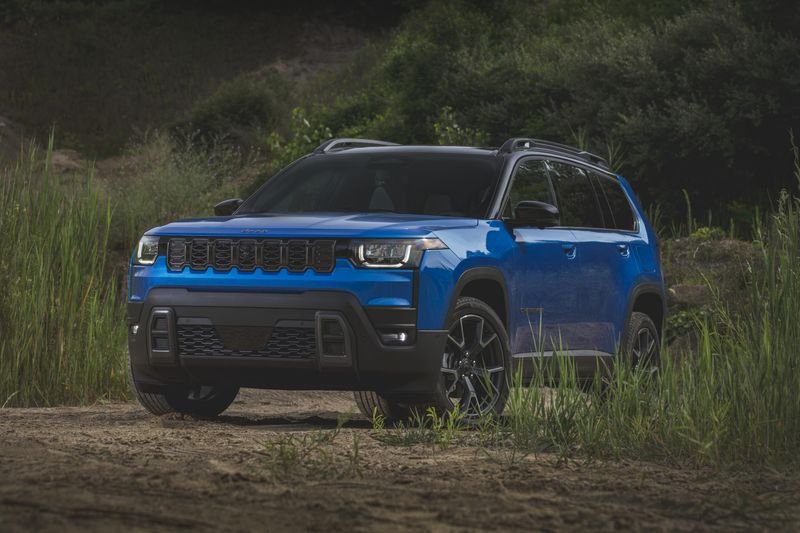
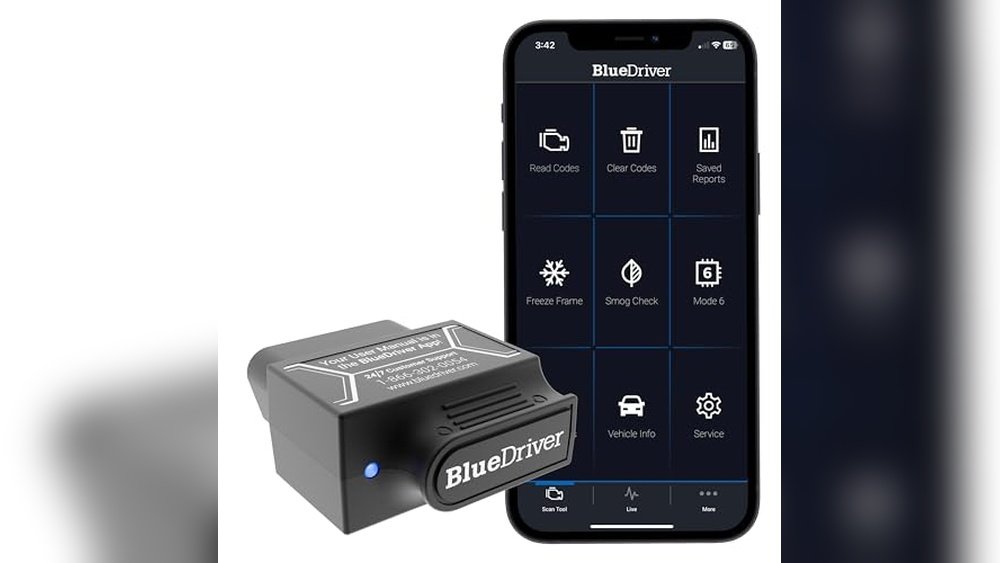
Getting your Jeep out of 4 wheel drive can seem tricky if you’re not used to off-road vehicles. Many drivers worry about damaging their vehicle or getting stuck in the wrong mode. But with the right steps, you can safely switch your Jeep back to 2 wheel drive and keep your ride smooth. Whether you drive a classic Wrangler or a modern Cherokee, the process is simple once you understand your Jeep’s system. This guide breaks down how to take your Jeep out of 4 wheel drive, explains the four main types, and shares practical tips to avoid common mistakes.
Understanding Jeep 4 Wheel Drive Modes
Jeep models use different 4WD systems depending on the year and model. Knowing which system your Jeep has makes the process easier and safer.
- Part-Time 4WD: Used for tough terrain, not for dry roads.
- Full-Time 4WD: Can be used on any surface.
- Automatic 4WD: Switches automatically based on road conditions.
- Manual Transfer Case: Requires physical shifting.
Each system has its own steps and warnings. Refer to your owner’s manual if you’re unsure about your Jeep’s setup.
How To Take Jeep Out Of 4 Wheel Drive: The Four Key Types
There are four main ways to disengage 4WD in a Jeep. Below, each method is explained clearly with steps and tips.
1. Part-time 4wd (manual Lever)
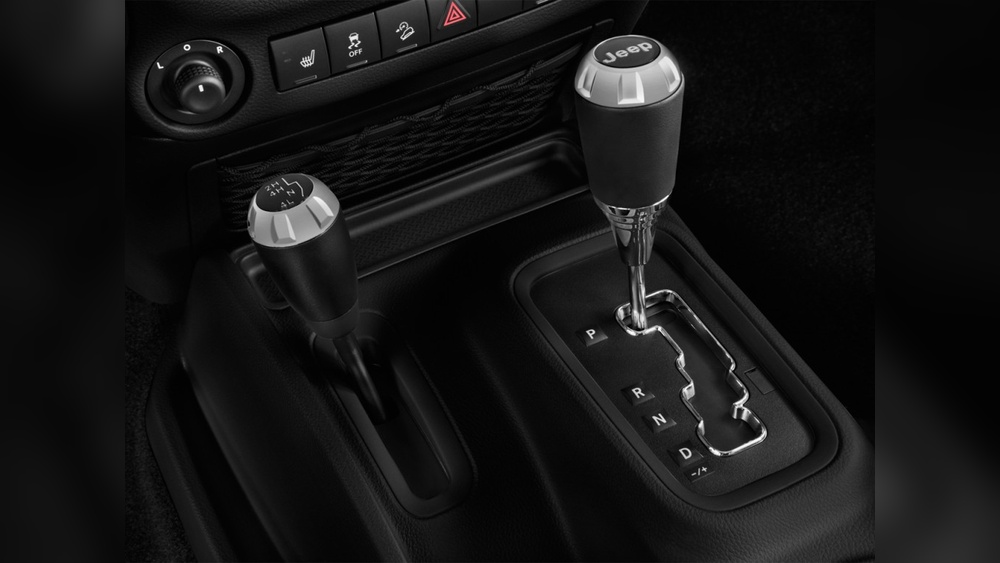
Older Jeep models and some Wranglers use a manual lever on the floor or dashboard.
Steps:
- Stop or slow down: Ideally, come to a complete stop or drive under 5 mph.
- Shift transmission to neutral: This reduces strain on the drivetrain.
- Move the 4WD lever: Pull the lever from “4H” or “4L” to “2H”.
- Wait for disengagement: You may hear a click or feel a slight change.
- Shift transmission back to drive: Resume normal driving.
Most part-time systems don’t allow switching between 4WD and 2WD at high speeds. Forcing the lever can damage gears.
Always avoid dry pavement, as using 4WD on it can cause wear.
2. Electronic Switch (modern Jeeps)
Newer Jeeps like the Grand Cherokee and Gladiator have an electronic selector knob or switch.
Steps:
- Drive under 40 mph: Electronic systems usually work best at low speeds.
- Press the selector: Choose “2WD” or “Auto” mode.
- Watch dashboard indicator: The light should change from “4WD” to “2WD”.
- Continue driving: The system will disengage automatically.
Tip: If the indicator doesn’t change, stop the vehicle and try again. Electronic systems sometimes require the vehicle to be stationary.
3. Automatic 4wd Systems
Some Jeep models feature automatic 4WD that switches modes based on traction.
Steps:
- Check the mode selector: Make sure it’s set to “Auto” or “2WD”.
- Drive normally: The system will disengage from 4WD by itself.
- Monitor dashboard signals: If you see a warning, check for traction issues.
Automatic systems are convenient but can confuse some drivers. If you want to stay in 2WD for fuel savings, confirm the system’s mode.
Many newer Jeeps use a push button transfer case.
Steps:
- Slow down to below 30 mph: For safety, most systems require low speed.
- Press the “2WD” button: This is usually near the gear shifter.
- Wait for confirmation: The dashboard will show “2WD” or “4WD Off”.
- Resume driving: The Jeep is now in 2WD.
Push button systems are easier but can fail if the vehicle is moving too fast. Always check the manual for speed limits.

Comparison Of Jeep 4wd Disengagement Methods
Understanding the differences between systems helps you avoid mistakes and choose the best method for your Jeep.
| System Type | Activation Method | Speed Requirement | Common Models |
|---|---|---|---|
| Part-Time 4WD | Manual Lever | Stop or <5 mph | Wrangler, CJ |
| Electronic Switch | Selector Knob/Switch | Under 40 mph | Grand Cherokee, Gladiator |
| Automatic 4WD | Auto Mode | Any speed | Cherokee, Compass |
| Push Button Transfer Case | Push Button | Below 30 mph | Recent Wranglers |
Why Removing Jeep From 4wd Matters
Driving in 4 wheel drive on dry pavement can cause serious problems.
- Tire wear: Front and rear tires rotate differently, causing uneven wear.
- Drivetrain damage: The system strains on non-slippery surfaces.
- Fuel efficiency: 4WD uses more fuel than 2WD.
Jeep experts recommend switching to 2WD when road conditions improve. According to the Jeep Owners Club, using 4WD only when needed can save up to 15% on fuel costs.
Common Mistakes When Disengaging 4wd
Many Jeep owners make errors that can lead to expensive repairs. Here are a few to watch out for:
- Switching at high speeds: This can damage the transfer case.
- Ignoring dashboard lights: Warning signals mean the system hasn’t disengaged.
- Using 4WD on dry roads: Causes mechanical stress.
- Not checking the manual: Each Jeep is different; always confirm steps.
If you hear grinding noises or feel vibration after switching, stop and inspect your Jeep. Regular maintenance prevents most issues.
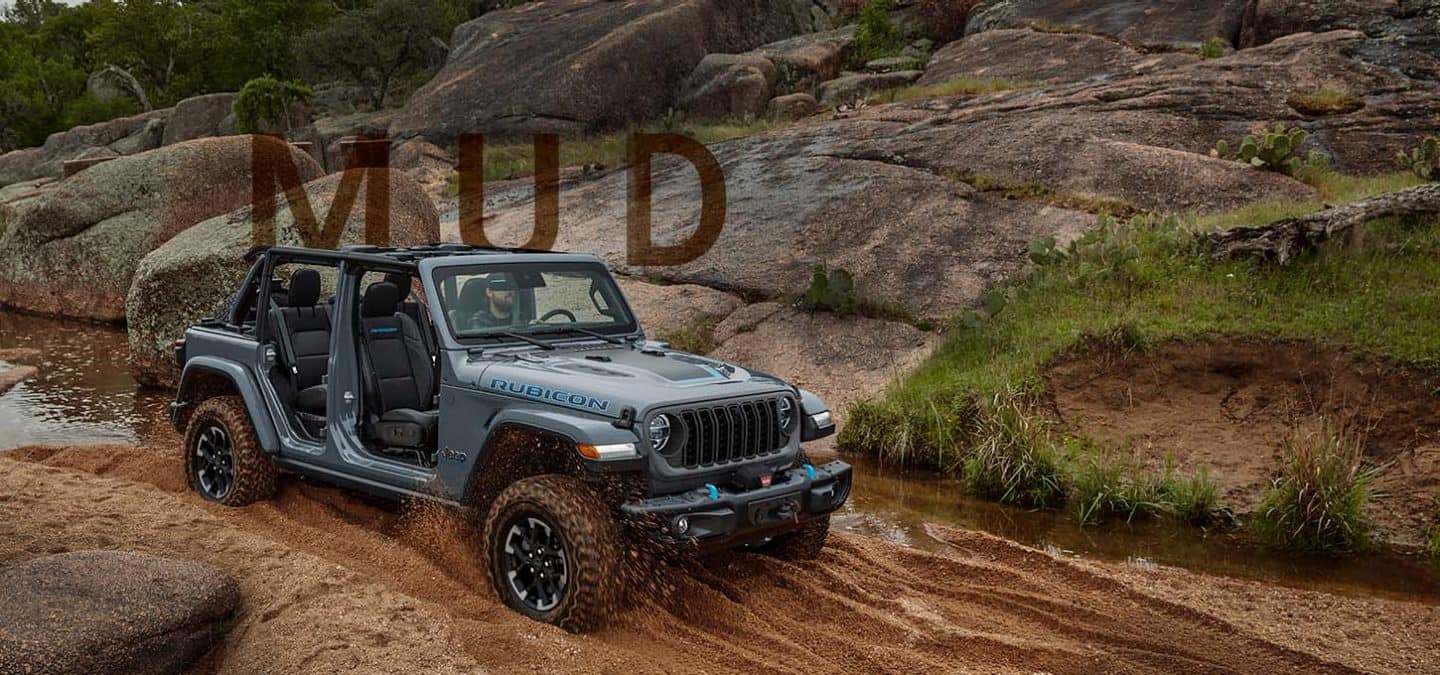
Example: Disengaging 4wd In A 2022 Jeep Wrangler
Let’s walk through a real-world example:
- Scenario: You’re driving on a muddy road and need to switch back to 2WD for highway travel.
- Steps: Slow down to under 5 mph, shift transmission to neutral, move the lever from “4H” to “2H”, and resume driving.
- Result: The dashboard shows “2WD”, tires run smoother, and fuel consumption drops.
Many drivers forget to slow down or shift to neutral, causing jerky transitions. Always follow the correct steps for your model.
Jeep 4wd System Comparison
Different Jeep models use unique 4WD systems. Here’s a comparison:
| Model | 4WD Type | Disengagement Method | Fuel Efficiency (mpg) |
|---|---|---|---|
| Wrangler | Part-Time 4WD | Manual Lever | 17 |
| Grand Cherokee | Full-Time/Auto | Electronic Switch | 20 |
| Cherokee | Automatic 4WD | Auto Mode | 22 |
Practical Tips For Smooth Transition
- Always check owner’s manual: Procedures vary by model.
- Go slow: Shifting at low speed prevents damage.
- Watch dashboard indicators: They confirm mode changes.
- Listen for noises: Grinding or clicking means something is wrong.
- Do routine maintenance: Lubricate transfer case and check for leaks.
One non-obvious insight: Some electronic systems require you to press the brake pedal while switching modes. Another: If you have trouble disengaging, try reversing a few feet; this can release tension in the drivetrain.
For further reading about Jeep 4WD systems, visit the official Jeep site at Jeep 4×4 Capability.
Frequently Asked Questions
What Happens If I Drive In 4wd On Dry Pavement?
Driving in 4 wheel drive on dry roads can cause drivetrain damage and tire wear. Always switch to 2WD when traction is not needed.
Can I Switch From 4wd To 2wd While Moving?
Some systems allow this at low speeds. Check your model’s manual for limits.
Most manual levers require you to stop or slow down.
Why Is My Jeep Not Disengaging From 4wd?
Possible reasons include high speed, incorrect steps, or a faulty transfer case. Always check dashboard indicators and try shifting again at a lower speed.
Will Switching To 2wd Improve Gas Mileage?
Yes. 2 wheel drive uses less energy and can improve mileage by up to 15%, according to Jeep experts.
Is It Safe To Use 4wd All The Time?
No. Continuous use on dry roads can lead to mechanical problems. Only use 4WD when needed for poor conditions.
Taking your Jeep out of 4 wheel drive is simple when you know your model’s system and follow the right steps. Avoiding common mistakes and understanding your Jeep’s unique setup keeps your vehicle reliable and efficient.
If you’re ever unsure, check your owner’s manual or ask a certified Jeep technician.