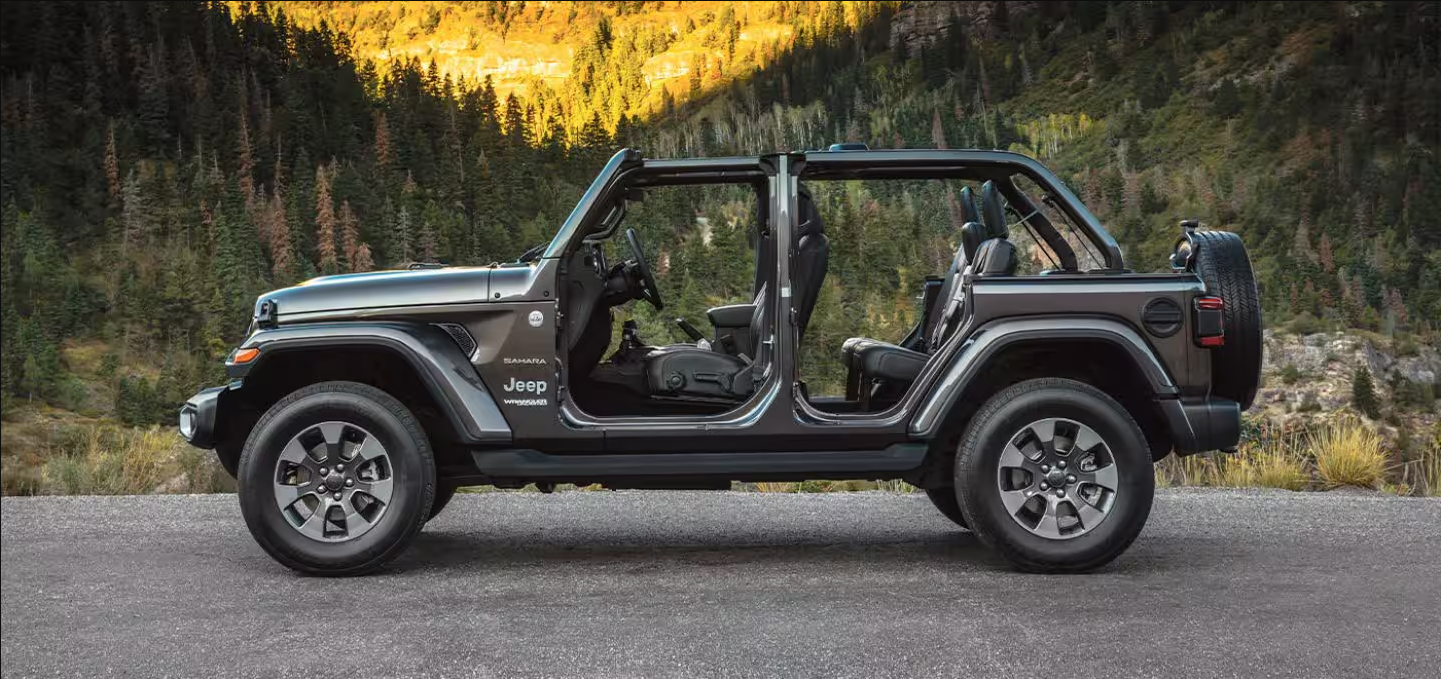
Taking the hardtop off a Jeep is a rite of passage for many owners. It turns your vehicle from a closed cocoon into an open-air adventure machine.
But if you’ve never done it before, the process can feel intimidating. With the right approach, tools, and a bit of patience, removing the hardtop is straightforward and safe.
This guide walks you step-by-step, highlighting tips that even many experienced Jeep drivers overlook.
Essential Tools And Preparation
Before starting, gather your basic tools:
- Torx bit set (usually T40 or T50)
- Ratchet or screwdriver
- Storage bags for bolts
- Assistance from a friend (highly recommended)
- Optional: Hardtop hoist for easier lifting
Check your Jeep’s manual for the exact Torx bit size. Most newer models use T40 for hardtop bolts. Older Jeeps may differ, so confirm first. Inspect the hardtop for cracks or damage—removing a damaged roof can make things worse.
| Model | Bolt Size | Estimated Removal Time |
|---|---|---|
| Jeep Wrangler JL | T40 | 25 minutes |
| Jeep Wrangler JK | T50 | 30 minutes |
| Jeep Gladiator | T40 | 35 minutes |
Some Jeep owners skip storing bolts properly. This leads to lost hardware and rattles later.
Use a labeled bag for each bolt location.
Step-by-step Removal Process
1. Remove Freedom Panels (front Roof Sections)
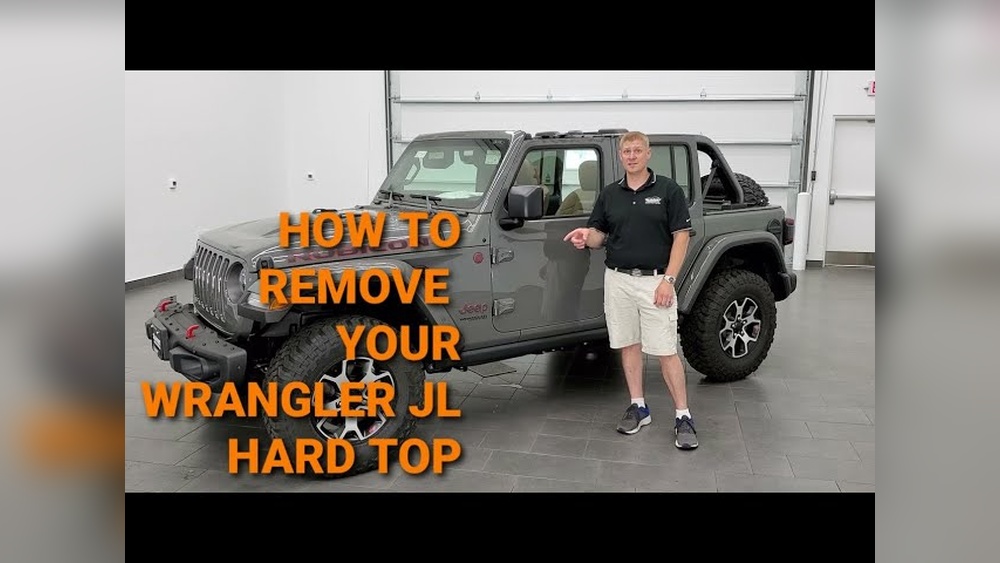
Most modern Jeeps have Freedom Panels—these are the two removable pieces above the front seats. Undo the latches located above the driver and passenger. Turn each latch and lift the panels away carefully. Place them on a soft surface.
2. Disconnect Electrical And Washer Connections
If your Jeep has a rear wiper or defroster, you’ll find electrical connectors and washer hoses near the back driver’s side. Unclip these gently.
Some connectors have a safety tab; press it before pulling. A missed connector can snap when lifting the hardtop.
3. Unscrew Hardtop Bolts
Locate the Torx bolts holding the hardtop to the body. Most Jeeps have 6-8 bolts along the rear sides and bottom edge. Using your ratchet and correct bit, loosen and remove them. Keep each bolt in your labeled bag.
| Bolt Location | Number of Bolts | Common Mistake |
|---|---|---|
| Rear corners | 2 | Leaving bolts partially unscrewed |
| Side rails | 4-6 | Mixing bolt sizes |
| Bottom rear | 2 | Forgetting washers |
Many beginners forget to remove all bolts, especially those hidden behind seatbelts or trim. Double-check each location.
4. Lift Off The Hardtop
With bolts and connectors removed, recruit a helper. Stand on each side of the Jeep. Lift evenly and walk the hardtop back, then up. It weighs about 100 pounds for four-door models, and is bulky rather than extremely heavy.
If you’re solo, a hardtop hoist can make the job safer. These devices attach to your garage ceiling and let you lift the roof with a pulley.
5. Store The Hardtop Safely
Find a dry, flat area for storage. Avoid direct sunlight or moisture.
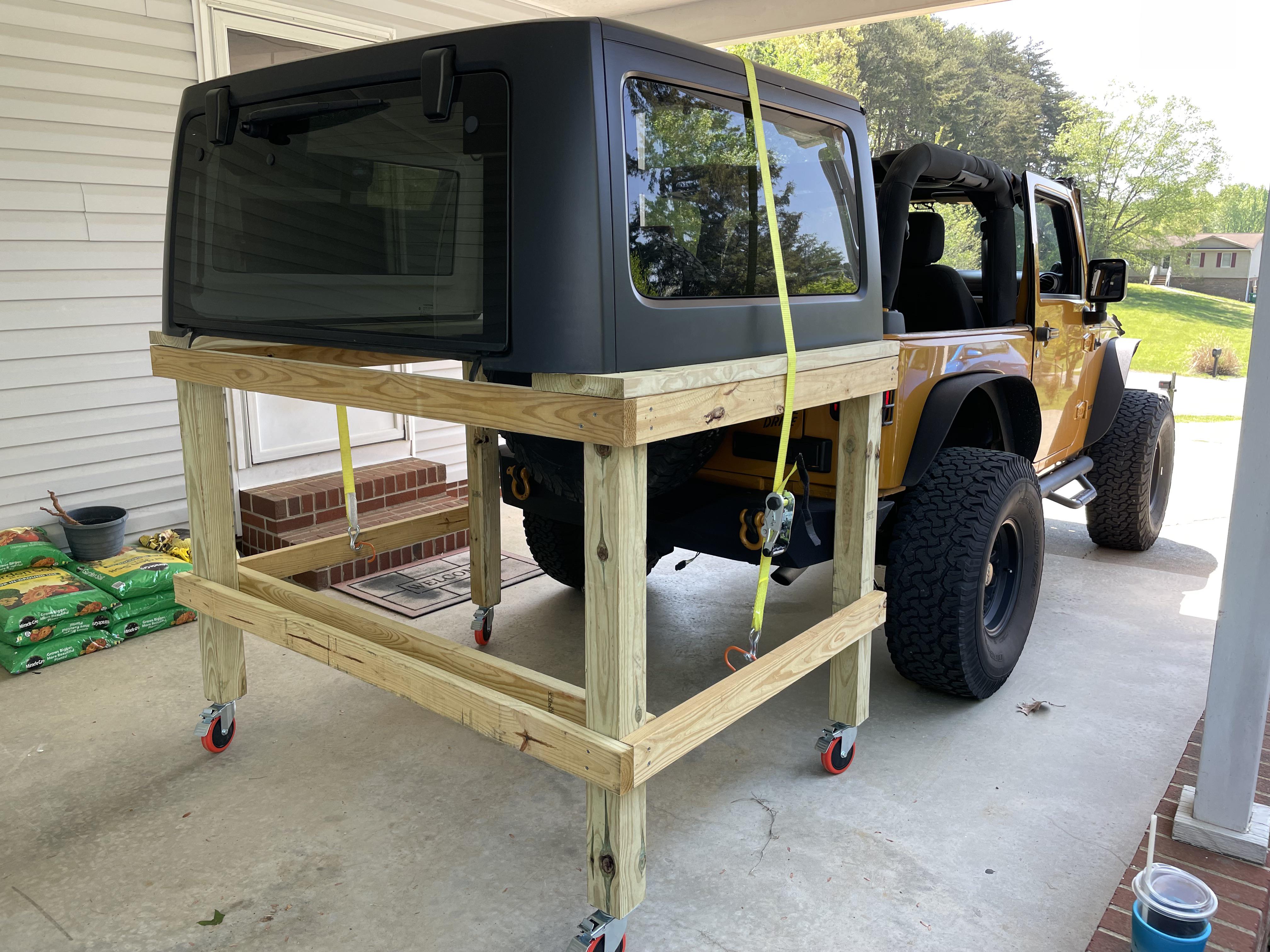
Place the hardtop on padded blocks or a blanket to prevent scratches. Never store it upright this can cause warping.
Some Jeep owners use wall mounts or storage carts for easier handling. If you have limited space, consider a professional storage solution.
Practical Tips And Insights
- Label your bolts: Mix-ups cause headaches during reinstallation.
- Inspect seals: Before reattaching, check rubber seals for dirt or damage. Clean for a tight fit.
- Don’t rush: Taking your time prevents accidents and keeps parts intact.
- Use two people: Even strong individuals can struggle alone. Awkward shape, not weight, is the issue.
- Check weather forecast: Avoid removing the hardtop if rain is expected. Water can damage interior electronics.
Many Jeep owners underestimate the importance of connector care. Electrical wires are fragile pulling instead of pressing the release tab can break them, leading to expensive repairs.
Common Mistakes To Avoid
- Forgetting to disconnect the rear washer hose.
- Losing bolts by not using storage bags.
- Scratching the hardtop by placing it on rough surfaces.
- Rushing and damaging seals, causing leaks later.
Each mistake can cost time and money. Slow, careful steps prevent most problems.
Reinstallation Advice
When you’re ready to put the hardtop back on, reverse the steps:
- Place the hardtop gently.
- Insert all bolts loosely at first, then tighten in a cross pattern.
- Reconnect electrical plugs and washer hoses.
- Attach the Freedom Panels last.
Check for leaks after the first rain. If you notice water entering, inspect the seals and retighten bolts.
Safety And Legal Considerations
Driving without a hardtop exposes you to the elements. In some states, there are legal requirements for seat belts or roll bars if the roof is removed. Always check your local regulations. Also, make sure you have proper protection for your seats and dashboard.
For more detailed Jeep safety information, visit NHTSA.
Frequently Asked Questions
How Heavy Is The Jeep Hardtop?
Most four-door hardtops weigh about 100 pounds (45 kg). Two-door versions are lighter, around 70 pounds. The bulkiness makes it difficult for one person to handle.
Can I Remove The Hardtop Alone?
It’s possible, but not recommended. The hardtop is large and awkward.
Use a helper or a hoist for safety. Trying solo increases risk of dropping and damaging the roof.
Will Removing The Hardtop Void My Warranty?
No, removing the hardtop does not void the Jeep warranty. However, damage caused by improper removal is not covered. Always follow the manufacturer’s guidelines.
How Do I Store The Hardtop Safely?
Store your hardtop on padded blocks or a blanket in a dry area. Avoid upright storage.
Specialized carts or wall mounts help prevent scratches and warping.
What If I Lose A Hardtop Bolt?
Jeep dealers sell replacement bolts. Always use the correct size and type.
Using the wrong bolt can cause leaks or damage during reinstallation.
Removing your Jeep’s hardtop opens up a new world of driving fun. With careful steps and the right tools, you can do it quickly and safely.
Planning ahead and avoiding common mistakes will make the whole process smooth. Whether you’re heading for a summer drive or just want to enjoy the breeze, following these steps ensures your Jeep stays in top shape.