Stretching A Jeep Tj: Everything You Need To Know
Jeep TJ owners love adventure, but sometimes the factory wheelbase limits what you can do off-road. If you want more stability, better performance, or space for larger tires, stretching your Jeep TJ could be the answer. This upgrade isn’t just for hardcore rock crawlers—it’s popular among anyone who wants their TJ to handle tough trails and steep climbs with confidence. But a stretch is a big project. It’s more than just moving the wheels; you’ll modify key parts of your Jeep. Here’s a clear, practical guide to stretching a Jeep TJ, including steps, costs, common mistakes, and essential tips.
What Does “stretching” A Jeep Tj Mean?
Stretching a Jeep TJ means extending the wheelbase—the distance between the front and rear wheels. Most TJ stretches add between 4 and 10 inches, usually at the rear. This change improves ride quality, helps handle bigger obstacles, and reduces the risk of flipping on steep slopes.
For example, the factory TJ wheelbase is 93. 4 inches.
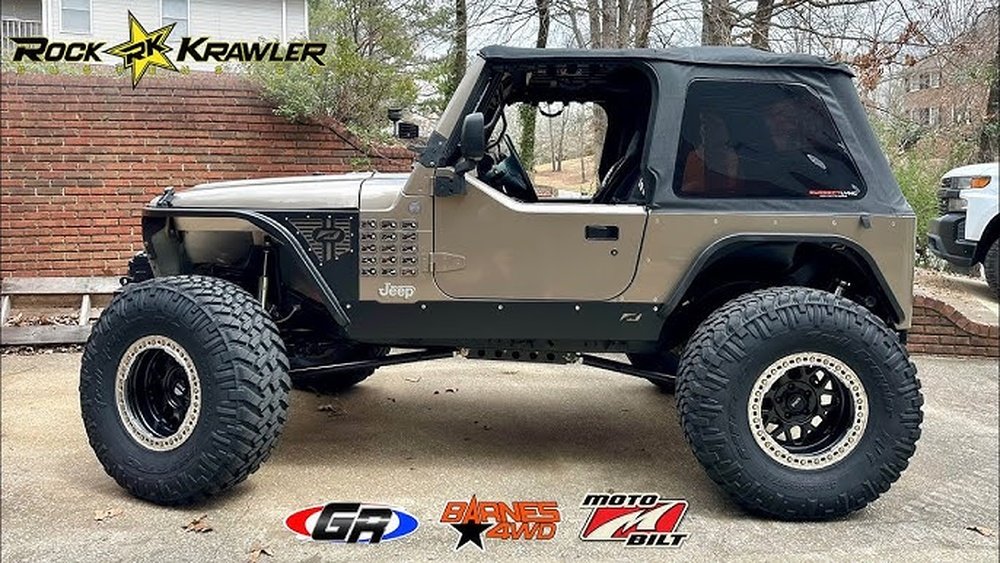
After a stretch, it might be closer to 100 or even 105 inches. This difference is noticeable on rough terrain.
| Jeep Model | Wheelbase (inches) | Notes |
|---|---|---|
| TJ (Stock) | 93.4 | Factory standard |
| TJ (Stretched) | 100–105 | Typical after stretch |
| LJ (Factory) | 103.4 | Longer wheelbase model |
Why Stretch Your Jeep Tj?
A longer wheelbase offers several benefits:
- Stability: Less chance of rolling, especially on steep hills.
- Room for larger tires: Makes 35–40-inch tires fit better.
- Improved departure angle: Rear tires move closer to the end of the frame, helping clear obstacles.
- Better ride quality: Smoother over bumps and rocks.
However, stretching isn’t for everyone. It’s a major modification, and mistakes can cost you both money and performance.
What Parts Are Involved In A Stretch?
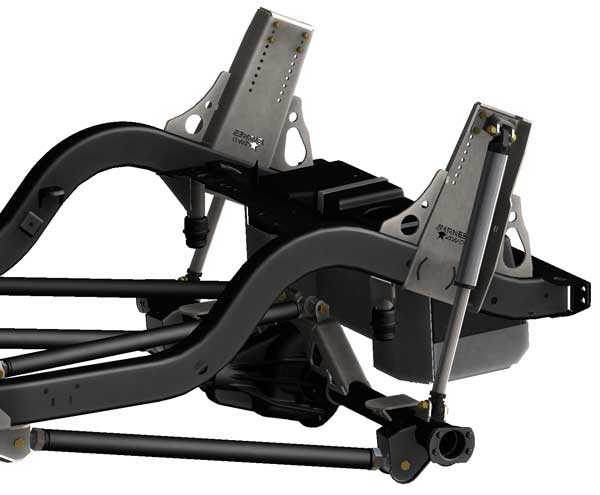
Stretching your TJ affects many components. Here are the main ones you’ll modify or replace:
- Frame: You’ll extend or modify the rear frame section.
- Body tub: Some stretches require body work, especially if you want to keep the stock look.
- Rear axle: Move it backward; sometimes upgrade to a stronger axle.
- Driveshaft: The rear driveshaft must be lengthened or replaced.
- Suspension: Most stretches use custom long-arm kits.
- Fuel tank: Relocate or swap for a smaller tank.
- Exhaust: Often needs rerouting.
- Brake lines and wiring: Extend or reroute as needed.
| Component | Modification Needed | Estimated Cost |
|---|---|---|
| Frame | Cut & weld, add extensions | $500–$2,000 |
| Suspension | Long-arm kit | $1,000–$3,500 |
| Driveshaft | Custom or longer shaft | $300–$700 |
| Fuel Tank | Relocate or replace | $200–$1,000 |
Step-by-step Guide: How To Stretch A Jeep Tj
Stretching a TJ is complex, but breaking it down makes it easier to understand. Here’s a simplified process:
- Plan Your Stretch
- Decide how many inches you want to add.
- Choose a stretch kit or gather custom parts.
- Research local laws—some areas have rules about frame modifications.
- Remove Rear Components
- Take off the rear axle, suspension, fuel tank, and exhaust.
- Mark the frame section for cutting.
- Cut and Extend the Frame
- Cut the frame at the marked area.
- Weld in extension pieces (from a kit or custom fab).
- Make sure welds are strong—weak welds are a common beginner mistake.
- Modify the Body
- If keeping factory look, stretch the tub or use aftermarket corner panels.
- Some people use LJ-style rear corners for a cleaner finish.
- Move the Rear Axle
- Install new suspension brackets.
- Bolt or weld brackets securely.
- Place the axle at the new position.
- Install New Suspension
- Use a long-arm kit designed for the stretch.
- Check for proper alignment and clearances.
- Update Driveshaft and Exhaust
- Replace or lengthen the driveshaft.
- Reroute exhaust around the new fuel tank location.
- Relocate Fuel Tank
- Use a smaller tank or move it to the cargo area.
- Secure the tank with proper brackets.
- Extend Brake Lines and Wiring
- Use extension kits for brake lines.
- Reroute wiring as needed.
- Check Alignment and Safety
- Inspect all welds and brackets.
- Test drive to check for vibration or handling issues.

Common Mistakes And How To Avoid Them
Stretching a TJ isn’t easy. Many beginners overlook these points:
- Weak frame welds: Poor welding can cause frame failure.
- Wrong suspension geometry: Bad angles can ruin handling.
- Overlooking fuel tank size: A smaller tank means less range—plan for it.
- Ignoring legal rules: Some states require inspections after frame changes.
A smart tip: Always measure twice, cut once. Rushing leads to expensive errors.
Cost And Time Estimates
A basic DIY stretch can cost from $3,000 to $7,000, depending on parts and labor. Shops may charge more for custom work. Most projects take 40–80 hours if you have tools and experience.
| Stretch Type | DIY Cost | Shop Cost | Time Required |
|---|---|---|---|
| Kit (Bolt-On) | $3,000–$4,500 | $5,000–$7,000 | 40–60 hrs |
| Custom (Welded) | $4,500–$7,000 | $7,000–$10,000 | 60–80 hrs |

Practical Tips For A Successful Stretch
- Research before you start. Join Jeep forums and read build threads.
- Use quality parts—cheap kits often fail quickly.
- Double-check suspension geometry to avoid poor handling.
- Consider resale value. Stretched TJs can be harder to sell.
- If you’re new to welding, hire a pro for frame work.
For more technical info, visit the JeepForum.
Stretching your TJ transforms how it drives and performs off-road. It’s not a weekend job, but with careful planning, the rewards are huge.
You’ll stand out on the trail, tackle bigger obstacles, and enjoy the ride.
Frequently Asked Questions
How Much Does It Cost To Stretch A Jeep Tj?
Most stretches cost between $3,000 and $7,000 for DIY projects. Custom shop work can reach $10,000 or more.
Is Stretching Legal Everywhere?
Not always. Some states require inspection or special permits after frame modifications. Check local laws before starting.
Can I Use My Original Fuel Tank?
Usually not. The stock tank doesn’t fit after a stretch. Most people switch to a smaller tank or relocate it.
Will Stretching Affect My Jeep’s Resale Value?
Yes. Some buyers avoid stretched Jeeps because of custom work.
However, others see them as valuable for off-roading.
Is A Stretch Necessary For Big Tires?
If you want to run 35-inch or larger tires and go rock crawling, a stretch helps with clearance and stability. For mild trails, it’s not required.
Stretching a Jeep TJ takes skill, patience, and the right parts. If you follow the steps and avoid common mistakes, you’ll unlock a new level of performance and adventure.