Straight piping a Jeep is a popular way to increase sound and sometimes boost performance. Many Jeep owners love the raw, aggressive tone that a straight pipe gives.
However, this modification comes with important steps, legal factors, and safety concerns.
If you’re thinking about doing this, it’s essential to know what’s involved, what to expect, and how to do it right.
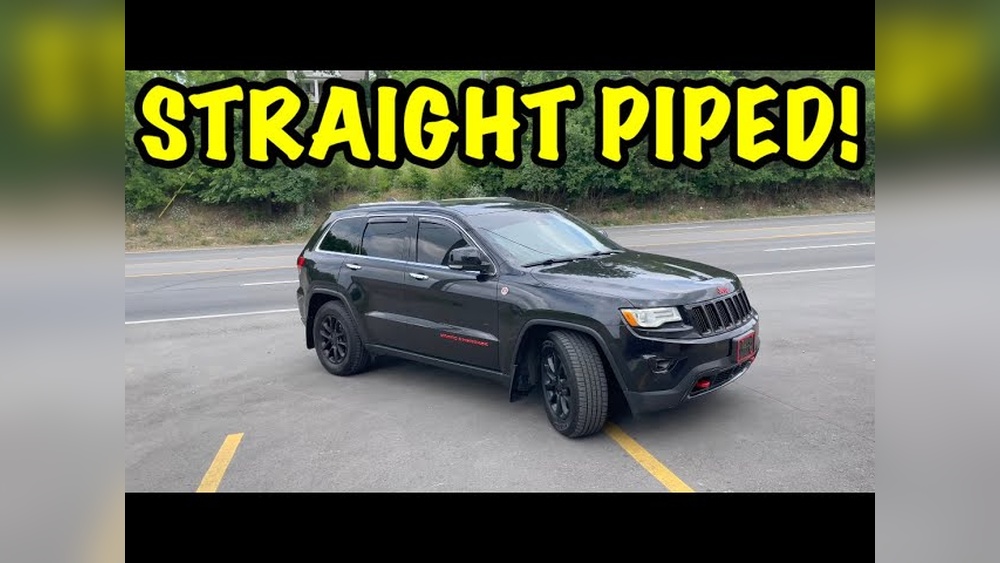
What Does It Mean To Straight Pipe A Jeep?
When you straight pipe a Jeep, you remove the muffler and sometimes the catalytic converter, replacing them with a straight section of pipe. This lets exhaust gases flow freely with minimal restriction. The main goal is a louder, deeper exhaust note, and sometimes small horsepower gains.
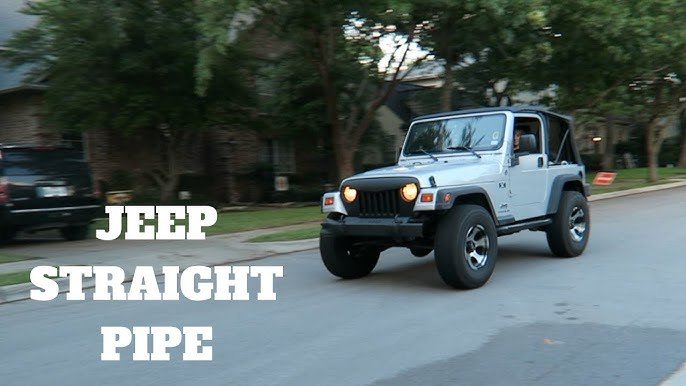
Straight piping is common on Wrangler, Cherokee, and other Jeep models, especially those used for off-road or show purposes. However, it’s not always street legal and can lead to failed emissions tests.
Tools And Parts You Need
Before starting, gather all required tools and parts. Having everything ready makes the job faster and safer.
- Socket set (metric and standard sizes)
- Wrenches (various sizes)
- Sawzall or exhaust cutter
- Jack and jack stands
- WD-40 or penetrating oil
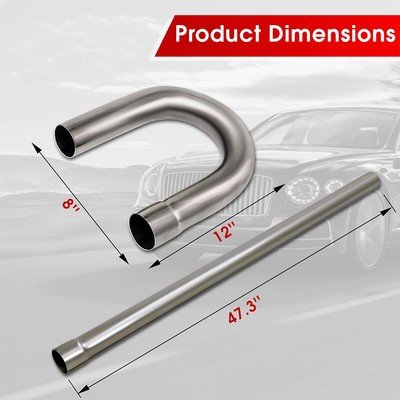
- New straight pipe (stainless steel or aluminized steel)
- Exhaust clamps or welding equipment
- Safety glasses and gloves
If your Jeep has rusted bolts, a breaker bar or impact wrench is helpful. In some cases, you may need extra exhaust hangers.
Step-by-step Guide: How To Straight Pipe A Jeep
Follow these steps to straight pipe your Jeep safely and correctly.
1. Park And Secure
Park your Jeep on a flat surface. Let the exhaust cool completely.
Jack up the vehicle and use jack stands to secure it.
2. Locate The Exhaust System
Find the muffler and catalytic converter under your Jeep. Identify where you want the straight pipe to start and end.
3. Remove The Old Exhaust
Spray all bolts and clamps with WD-40. Wait a few minutes for it to work.
Use sockets and wrenches to loosen clamps or bolts. If they are rusted, use a sawzall to cut the exhaust pipe near the muffler.
4. Measure And Cut The Pipe
Measure the length needed for the new straight pipe. Cut the pipe to size, making sure the ends are smooth.
5. Install The Straight Pipe
Fit the pipe in place where the muffler was. Use exhaust clamps to secure it.
If you have welding experience, weld the joints for a tighter seal.
6. Check Alignment And Clearance
Make sure the pipe is not touching any other parts, like the frame or suspension. This prevents rattling and heat damage.
7. Lower The Jeep And Test
Remove the jack stands and lower the Jeep. Start the engine and listen for leaks.
Check for vibrations or rattles. Tighten all clamps if needed.
Practical Example
Suppose you own a 2007 Jeep Wrangler JK. The process above will be almost identical, but the exhaust routing may look a little different.
Always check for model-specific instructions online or in Jeep forums.
Straight Pipe Vs Stock Exhaust
Understanding the difference between straight pipe and stock exhaust is important before making your decision.
| Feature | Straight Pipe | Stock Exhaust |
|---|---|---|
| Sound | Loud, deep, aggressive | Quiet, controlled |
| Emissions | Often fails tests | Passes tests |
| Legal | Often illegal on roads | Always legal |
| Performance | Slight increase | Standard |
Costs And Time Involved
Straight piping can be affordable, but costs depend on Jeep model, labor, and pipe material.
| Expense | DIY Cost | Shop Cost |
|---|---|---|
| Materials (pipe, clamps) | $40-$120 | Included |
| Labor | Free (your time) | $80-$200 |
| Total | $40-$120 | $120-$320 |
DIY takes about 2-3 hours for most Jeep owners with basic skills. A shop can do it in 1-2 hours.
If you face rusted bolts or need extra fabrication, add more time.
Legal And Safety Concerns
It’s important to know the legal risks and safety issues with straight piping.
- Emissions laws: Most US states require a catalytic converter. Removing it is illegal on public roads. Mufflers are also required in many places.
- Noise ordinances: Straight pipes are very loud. You may get tickets for noise violations.
- Insurance impact: Modifying your exhaust can affect coverage or claims.
- Safety: Hot exhaust pipes can damage wires or hoses if not routed correctly.
A common mistake is not checking local laws before making changes. Some Jeep owners reinstall the stock exhaust before inspections to pass emissions.
For more on vehicle emissions and legality, see the US Environmental Protection Agency.
Pros And Cons Of Straight Piping A Jeep
Here’s a quick look at the main benefits and drawbacks.
| Pros | Cons |
|---|---|
| Unique, aggressive sound | Very loud (may bother neighbors) |
| Simple exhaust system | Usually illegal for street use |
| Slight horsepower gain | Can cause check engine light |
| Lightweight | Might lose backpressure, affecting low-end torque |
Tips For Best Results
- Use stainless steel pipe for longer life, especially in snowy or salty regions.
- Keep your catalytic converter if you want to stay legal and reduce pollution.
- Double-check clamp tightness after the first drive.
- If you notice engine issues, a check engine light, or loss of low-end power, consider a resonator or high-flow muffler.
Two common mistakes: not sealing joints well (leading to exhaust leaks), and not aligning pipes, which causes rattles.

Frequently Asked Questions
Does Straight Piping A Jeep Increase Horsepower?
A straight pipe can give a small horsepower gain (usually 2-5 hp), mainly at high RPMs, because it reduces exhaust restriction. However, removing the muffler usually does not create big performance changes.
Is Straight Piping A Jeep Legal?
It depends on your location. In most US states, removing the catalytic converter is illegal on public roads. Muffler removal is also banned in many cities. Check your local vehicle codes before modifying your exhaust.
Will Straight Piping Hurt My Jeep’s Engine?
If installed correctly, straight piping will not damage your engine. However, removing too much backpressure can sometimes lower low-end torque. Always ensure your O2 sensors remain connected and undamaged.
What Jeep Models Are Best For Straight Piping?
Most Jeep models can be straight piped, but it’s most common on Wrangler, Cherokee, and Gladiator. Older Jeeps with fewer sensors are easier to modify.
Can I Reverse The Straight Pipe And Reinstall My Muffler Later?
Yes. If you keep your original parts, you can reinstall the stock exhaust.
Many Jeep owners swap between straight pipe and stock before inspections or long trips.
Straight piping your Jeep is a bold change that many enjoy for the sound and feel. But always balance the excitement with legal and safety factors.
Taking the time to do it right and checking your local laws will help you get the most from your Jeep without surprises.