Jeep Wrangler owners know the thrill of driving with the top off, but when the weather changes, storing the hard top safely becomes a real concern. A damaged hard top is expensive to repair, and poor storage can lead to scratches, warping, or even cracks. Luckily, with a smart plan and a few tools, you can protect your investment and enjoy open-air driving for years.
Why Proper Storage Matters
The Jeep Wrangler hard top is heavy, costly, and not easy to replace. Incorrect storage often leads to stress cracks, paint damage, or hardware problems. Storing the top the right way saves money and ensures a perfect fit when you reinstall it. Owners who rush the process often overlook small steps—like protecting window seals or choosing the right lifting method—which can cause lasting problems.
Preparing The Hard Top For Storage
Before you remove the hard top, prepare it for storage:
- Clean the surface: Use a mild soap and water. Dirt or sand can scratch the finish if left.
- Dry completely: Trapped moisture leads to mold or unpleasant smells.
- Check for damage: Fix chips or cracks. Even small issues can get worse in storage.
- Remove hardware and seals: Store bolts, nuts, and seals in labeled bags. This avoids confusion when reattaching.
- Protect windows: Cover glass with a soft towel or bubble wrap. This step is often skipped but prevents costly scratches.
Choosing The Right Storage Method
Several options exist, but each has pros and cons. The best method depends on your space, budget, and how often you remove the top.
| Storage Method | Pros | Cons |
|---|---|---|
| Hard Top Hoist | Easy to use, saves space | Requires ceiling mount, higher cost |
| Storage Cart | Portable, protects bottom edge | Takes floor space, may need padding |
| Wall Mount | Frees up floor space, secure | Need strong wall anchors, heavy lifting |
| Flat Surface with Padding | Low cost, simple | Can be hard to move, risk of warping |
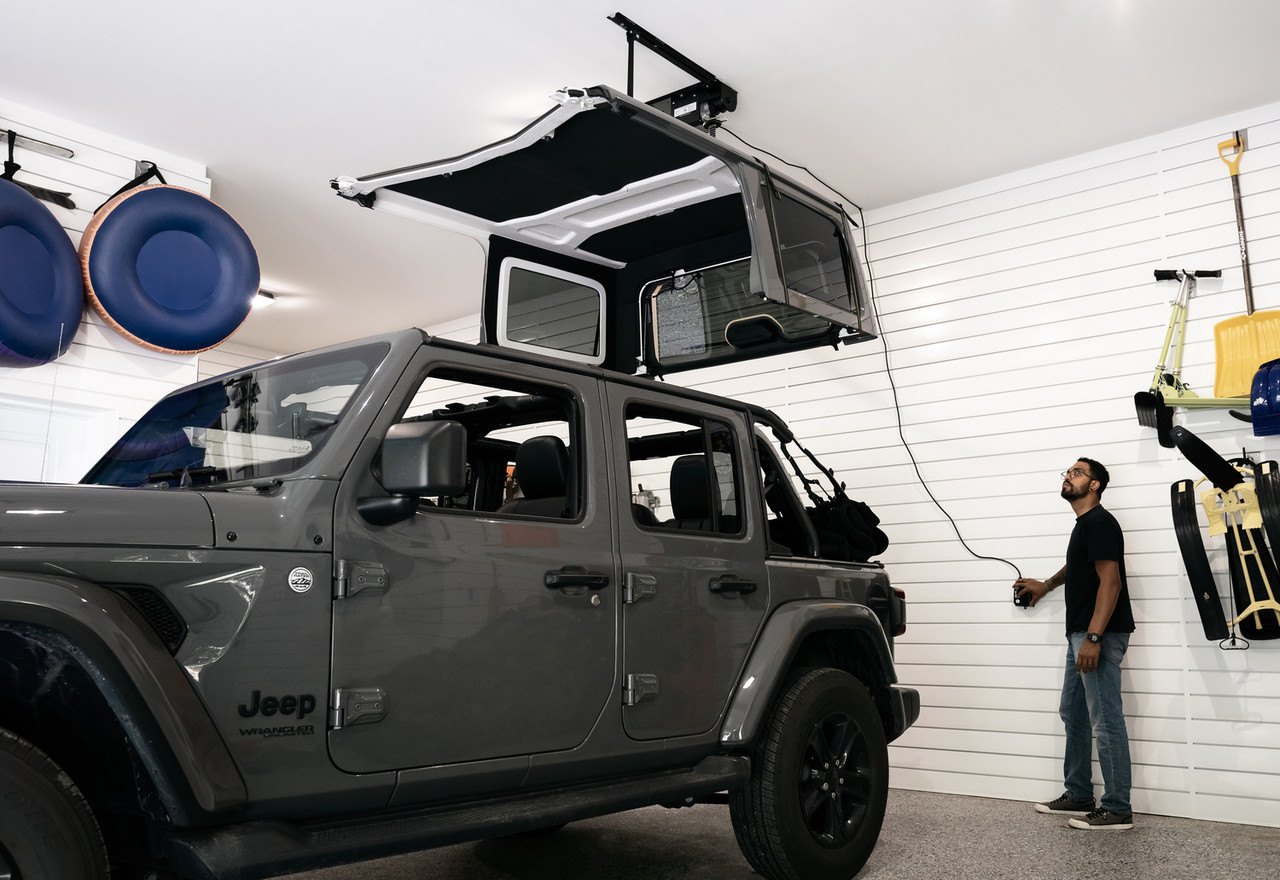
Hard Top Hoists
A hoist system uses pulleys and ropes to lift the hard top onto your garage ceiling. Most owners prefer this for small garages. It keeps the top off the ground and away from bumps. However, installation can be tricky, and you need strong ceiling supports. Good hoist kits cost between $150–$400.
Storage Carts
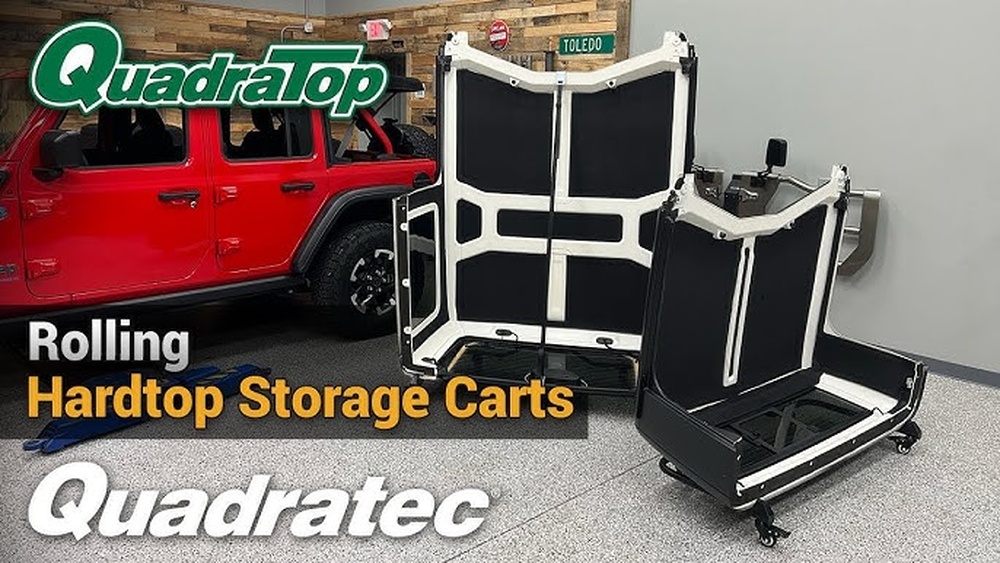
A hard top cart is a metal frame with wheels. You rest the hard top on the cart, usually on its edge, then roll it to a safe spot. Look for carts with thick padding and locking wheels. These cost $200–$500 but make moving and storing simple.
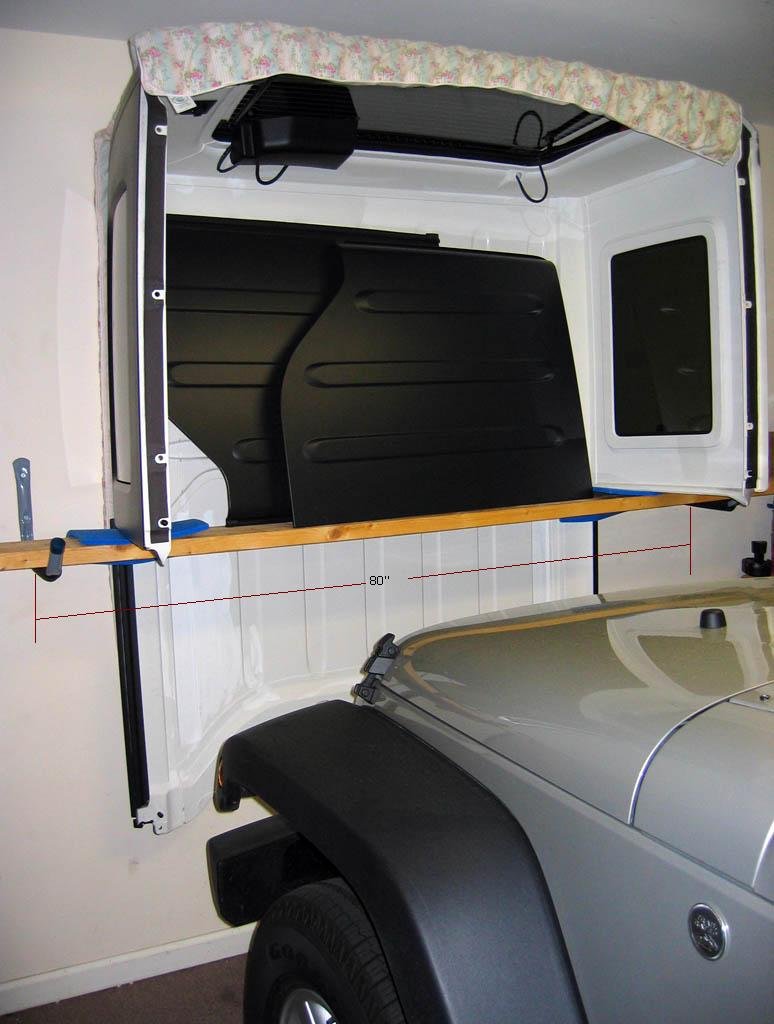
Wall Mounts
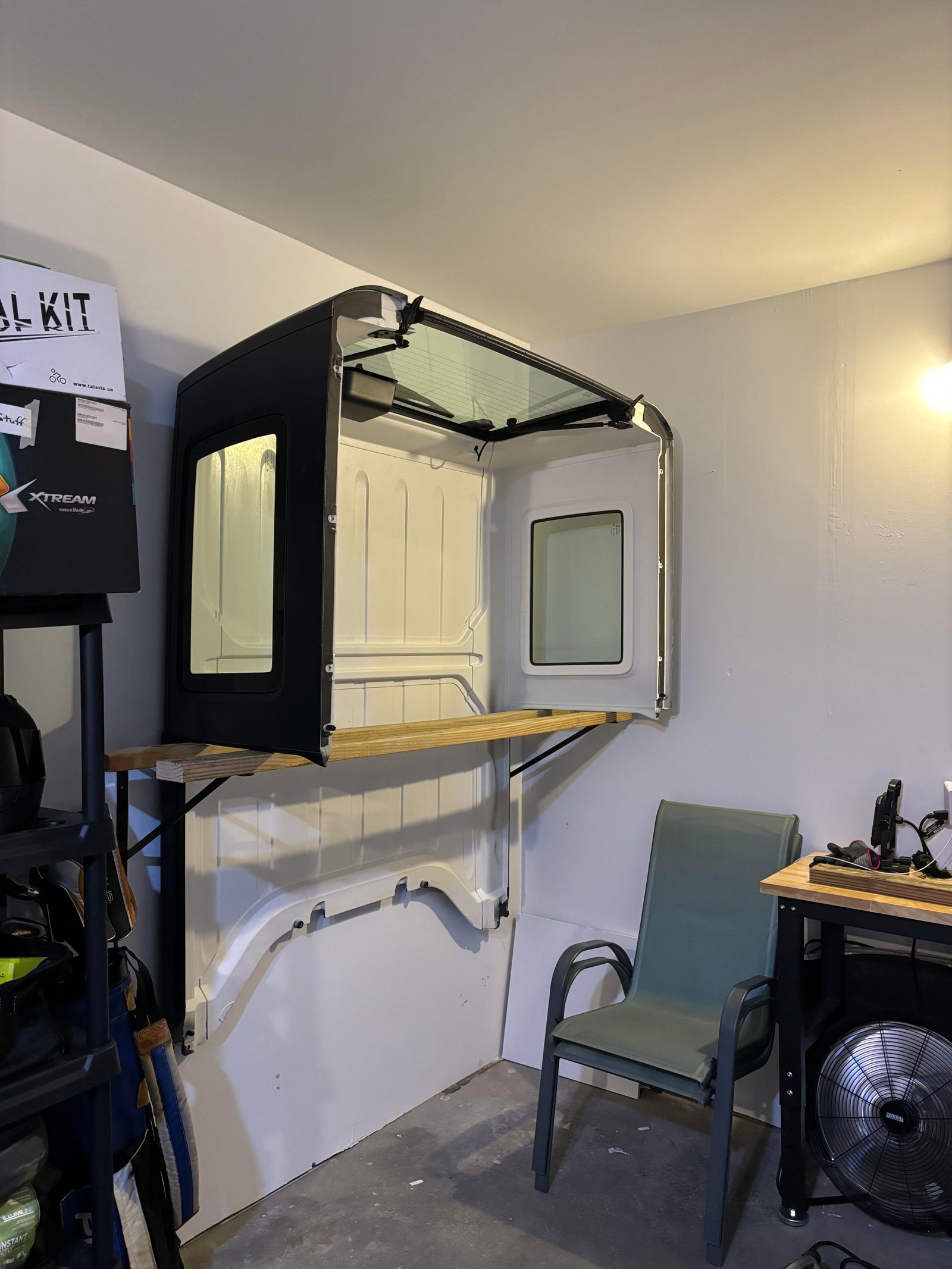
A wall mount bracket holds the hard top vertically against a garage wall. This saves space but requires you to lift the top into place, which may need two people.
Always use heavy-duty anchors. If you install it poorly, the top could fall and crack.
Flat Surface With Padding
If you’re on a tight budget, lay the top on a clean, padded surface like thick foam or old blankets. Avoid concrete floors, which can cause scratches or cold damage. Never place heavy objects on top.
Storing The Hard Top: Step-by-step
- Pick a safe spot: Choose a dry, stable area away from direct sunlight and heat sources.
- Lay down protection: If using the floor, place foam mats or blankets.
- Lift with care: The top weighs 80–100 lbs. Two adults are usually needed. Always lift with your legs, not your back.
- Secure in place: If using a hoist or wall mount, double-check all straps and anchors.
- Cover the top: Use a fitted cover or breathable sheet. Plastic wraps trap moisture and can cause mildew.
- Store hardware separately: Small bolts and washers can get lost easily. Keep them in a labeled box with your other Jeep gear.
- Check occasionally: Every few months, inspect for dust, bugs, or moisture.
Here’s a quick reference for the main do’s and don’ts:
| Do | Don’t |
|---|---|
| Clean and dry before storing | Store wet or dirty top |
| Use padding under top | Place directly on concrete |
| Label and bag hardware | Mix hardware with other tools |
| Inspect storage area regularly | Forget to check for moisture |
Common Mistakes To Avoid
Many Jeep owners make simple mistakes that can cost a lot later:
- Leaning the top on a sharp edge: This may crack the fiberglass.
- Leaving in sunlight: UV rays fade and weaken the material.
- Using plastic covers: These trap moisture and cause mold.
- Forgetting the seals: Window and door seals dry out if not covered or conditioned.
- Not securing in place: A small bump can tip the top, causing big damage.
A less obvious mistake is storing the top near tools, bikes, or kids’ toys. Even a small knock from a bike pedal can scratch or chip the finish.
Extra Tips For Long-term Storage
If you plan to store your Jeep Wrangler hard top for months:
- Use a silicone protectant on rubber seals.
- Open a window slightly in the storage space to prevent humidity buildup.
- Avoid stacking items on or near the top, even lightweight boxes.
- If possible, store the top with the rear window slightly open to relieve air pressure.
A good resource for more Jeep care tips is the official Jeep website.
Frequently Asked Questions
How Heavy Is A Jeep Wrangler Hard Top?
A typical hard top weighs between 80 to 100 pounds. Two adults can lift it safely. Some models with extra panels or glass may be heavier.
Can I Store My Hard Top Outside?
It’s not recommended. Weather and UV rays will damage the top quickly. If you must, use a waterproof, breathable cover and elevate the top off the ground.
Is It Okay To Store The Hard Top On Its Side?
Yes, but only if it’s on a padded cart or surface. Never lean it on a hard or sharp edge, as this can cause cracks.
What Is The Safest Way To Move The Hard Top?
Use a hard top hoist or have two people lift from both ends. Avoid dragging or sliding the top, as this scratches the finish.
Do I Need To Remove The Windows For Storage?
You don’t have to, but removing the rear window makes the top lighter and can reduce stress on the hinges during long-term storage.
Storing your Jeep Wrangler hard top the right way takes a bit of time up front, but it protects your investment for the long haul. With smart preparation and the right tools, you’ll be ready to hit the road whenever adventure calls.