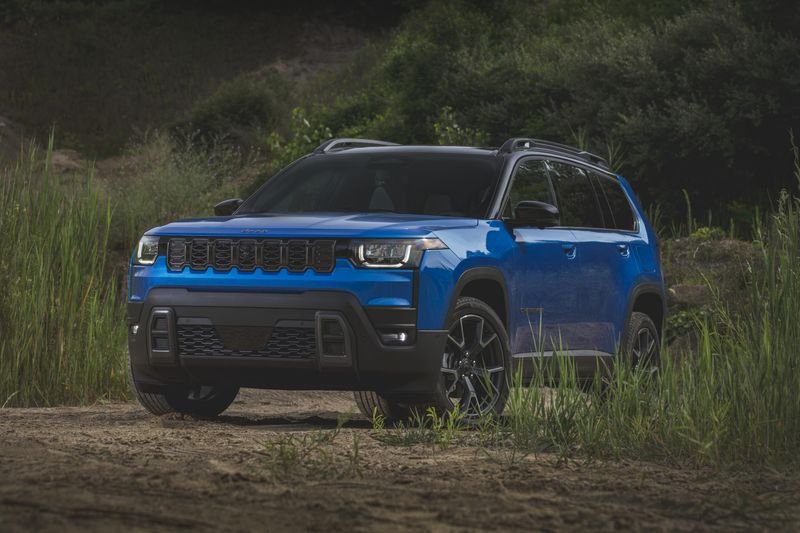
Storing your Jeep hardtop outside can be a challenge. Many Jeep owners struggle to find indoor space, especially during warm weather when the top comes off. But leaving your hardtop outside without proper care can lead to expensive damage. Sun, rain, hail, and even neighborhood kids can be a problem. If you want your hardtop to last for years and look good, you need a solid outdoor storage plan.
Let’s walk through the best ways to keep your Jeep hardtop safe outdoors. Whether you have a two-door Wrangler or a four-door Gladiator, these tips will help you avoid costly mistakes and keep your hardtop in top shape.
Why Proper Outdoor Storage Matters
The hardtop is one of the most expensive parts of your Jeep. Replacement costs can range from $1,500 to $3,000, and even more for color-matched or special editions. If the top warps, cracks, or the paint fades, you may have to deal with leaks or wind noise.
Outdoor conditions can cause:
- UV fading and discoloration
- Water leaks from cracked seals
- Mold and mildew growth
- Scratches from debris or animals
Proper storage protects your investment, keeps your Jeep looking sharp, and saves you money in the long run.
Choosing The Right Location For Outdoor Storage
Not all outdoor spots are equal. Choosing the right place can make a big difference in how well your hardtop survives the elements.
What To Look For
- Shade: A shaded area protects from sun and keeps the hardtop cooler. Under a tree is okay, but falling branches or sap can be a risk.
- Flat, dry surface: Avoid grass or dirt—moisture from below can damage the seals or finish. Concrete or pavers are best.
- Low-traffic area: Keep the top where people, pets, or vehicles won’t bump into it.
- Wind protection: Behind a fence or shed blocks strong wind that could tip over or blow things into your top.
Places To Avoid
- Near construction zones (dust, debris, risk of impact)
- Under fruit trees (sap, bird droppings, falling branches)
- Flood-prone areas
Essential Gear For Storing Your Jeep Hardtop Outside
Protecting your hardtop outside is much easier with the right gear. Here’s what you’ll need:
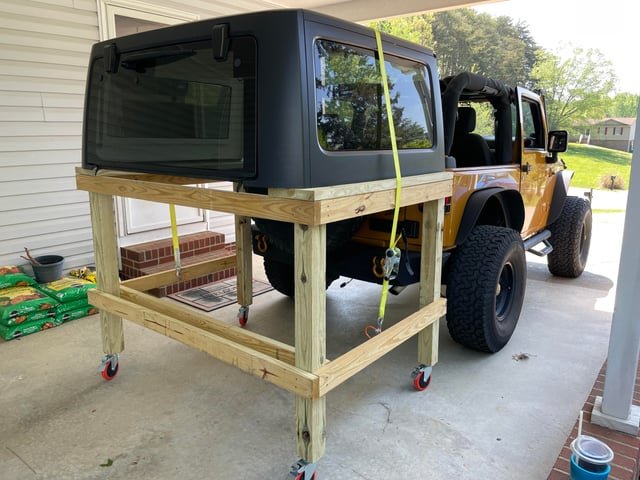
1. Hardtop Storage Cart Or Dolly
A storage cart allows you to move the hardtop easily and keeps it off the ground. Most Jeep owners choose a padded dolly with locking wheels.
This also reduces the risk of warping, which can happen if you rest the top on uneven ground.
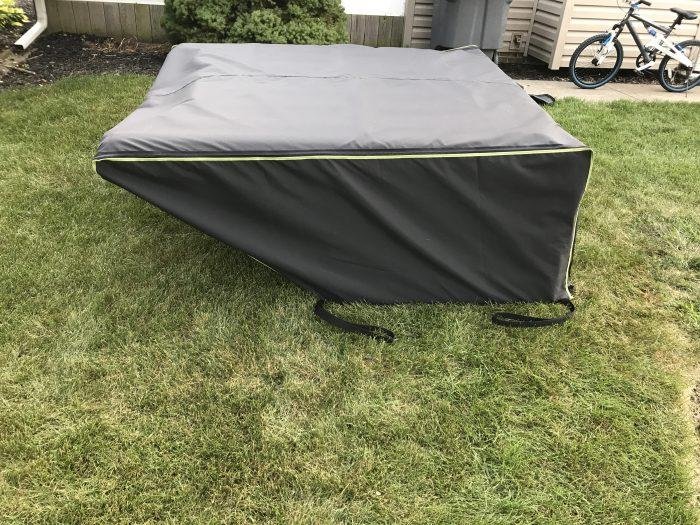
2. Weatherproof Cover
A good cover is your first line of defense. Look for features like:
- UV resistance to stop fading
- Waterproofing to prevent leaks
- Strap or drawstring to keep it tight in wind
Covers made for Jeep hardtops fit better than generic tarps, which often let in moisture.
3. Soft Padding/blankets
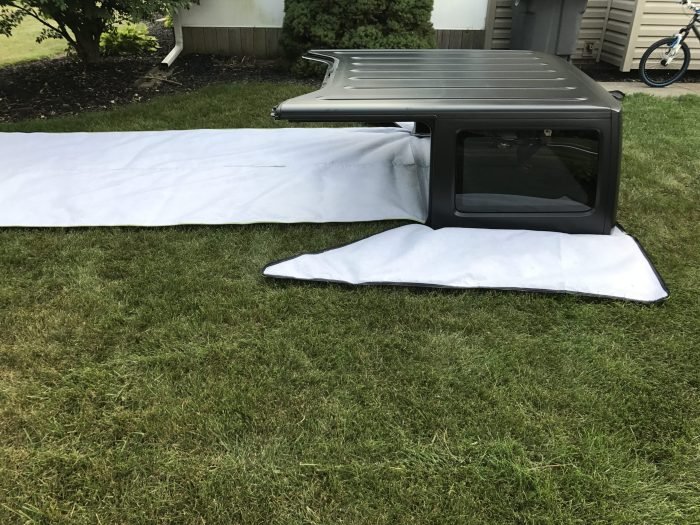
If you must store directly on the ground, use a thick moving blanket or foam to protect the edges and glass from scratches.
4. Lock Or Security Cable
Hardtop theft is rare, but it happens especially in some urban areas. A simple bike cable lock threaded through the cart or cover can deter curious thieves.
5. Desiccant Packs Or Moisture Absorber
Putting a few desiccant packs under the cover helps absorb moisture and prevent mold, especially in humid climates.
Step-by-step: How To Store Your Jeep Hardtop Outside Safely
Let’s break the process into clear steps for best protection:
1. Clean The Hardtop First
Dust and dirt can scratch the finish if trapped under a cover. Use a mild car soap, rinse well, and let it dry fully before storage.
Check for any damage you need to fix before storing.
2. Prepare The Storage Area
Sweep the space so there’s no gravel, sticks, or sharp objects. If possible, lay a rubber mat or thick blanket under where the hardtop will sit.
3. Place The Hardtop On The Cart Or Padding
If you have a storage cart, gently lift the hardtop and secure it. Don’t force it—ask a friend for help if it’s heavy. For ground storage, always place the hardtop upside down (resting on the side rails), not on the glass.
4. Cover The Hardtop Properly
Drape the cover over the top, making sure it fits snugly but not too tight. Secure the straps or drawstring so the wind can’t lift the cover.
Tuck in the edges to keep out rain and bugs.
5. Add Desiccant And Secure With A Lock
Slip a few moisture absorbers under the cover near the seals and glass. If theft is a concern, loop a cable lock through the cart or a solid part of the top.
6. Check Regularly
Inspect the hardtop every 2 3 weeks. Look for signs of water pooling, wind damage, or animals nesting.
Shake out the cover and replace wet desiccant packs as needed.
Comparing Storage Options: Cart, Stand, Or Ground
Here’s a quick look at common ways people store Jeep hardtops outdoors:
| Method | Protection Level | Ease of Use | Cost | Notes |
|---|---|---|---|---|
| Storage Cart/Dolly | Excellent | High | $$$ | Easy to move; best for long-term |
| Storage Stand | Good | Medium | $$ | Stable, but harder to move |
| On Ground (with padding) | Fair | Low | $ | Risk of moisture and scratches |
Insight: Many Jeep owners don’t realize that improper support (like standing the top on its glass) can cause cracks over time. Always use rails or a padded cart for support.
Weather Challenges And How To Beat Them
Different climates need different strategies.
Sun And Heat
- Use a UV-resistant cover
- Store in shade if possible
- Rotate the hardtop every few weeks to avoid uneven fading
Rain And Humidity
- Check for puddles under or around the top
- Use extra desiccant packs
- Make sure the cover has vents to let moisture escape
Snow And Ice
- Remove heavy snow from the cover after each storm
- Tilt the cart slightly so water runs off
- Never use salt to melt ice on the hardtop—rinse with water instead
High Wind
- Secure covers with extra straps or bungee cords
- Block wind with barriers like a fence or stacked pallets
Tip: For hail-prone areas, add an extra padded blanket under the cover for shock absorption.
Mistakes To Avoid When Storing Jeep Hardtop Outside
Avoid these common errors:
- Skipping the cover: Even a few days of sun or rain can cause damage.
- Leaving the top on grass: Moisture rises from the ground, leading to mold.
- Leaning against a wall: This can warp the hardtop frame.
- Not checking regularly: Small problems grow fast outdoors.
- Using cheap tarps: Most tarps trap moisture and tear in wind.
Non-obvious insight: Many owners forget to store the hardtop hardware (bolts, washers) in a labeled bag inside their Jeep—losing these makes reinstallation a headache.
How Long Can You Store A Jeep Hardtop Outside?
Most Jeep hardtops can handle outdoor storage for a full season (3–4 months) with proper care. Some owners keep theirs outside all year, but longer exposure increases risks. For best results:
- Store indoors if possible during winter
- Check for cracks in seals or fading every month
- Bring the hardtop inside during hail storms or hurricanes if you can
Maintenance Tips For Long-term Outdoor Storage
- Clean and wax the hardtop before storage for extra protection
- Oil the rubber seals with silicone spray to keep them flexible
- Store the top with windows slightly open (if possible) to prevent pressure changes
- Write a reminder to check on the hardtop after major storms
Real-world Example: Storing A Jeep Hardtop In Florida
A Jeep owner in Miami stores their hardtop outside from April to September. They use a padded storage cart, a UV-rated cover, and large desiccant packs. The cart sits on a concrete pad in the shade of a carport. They wipe off salt spray every month and inspect for mold. After hurricane warnings, they move the hardtop into a garage if time allows.
This routine keeps their hardtop looking new after five years, even with Florida’s harsh sun and rain.
Cost Breakdown: What Should You Budget?
Here’s a rough estimate of what you might spend:
| Item | Low-End Cost | High-End Cost |
|---|---|---|
| Hardtop cover | $40 | $200 |
| Storage cart/dolly | $100 | $400 |
| Desiccant packs | $10 | $30 |
| Security cable | $10 | $50 |
| Padding/blankets | $0 (old blankets) | $50 |
Pro tip: Investing in a quality cover and cart will save you hundreds in repair costs down the road.
What If You Don’t Have A Cover?
If you’re caught without a proper cover, use a thick moving blanket and a heavy-duty tarp as a temporary fix. Make sure to leave space for air to circulate, or you’ll trap moisture inside.
This is not a long-term solution, but it’s better than nothing for a few days.
Extra Advice: Label And Store Your Hardware
One thing new Jeep owners forget keep all your hardtop bolts, washers, and tools in a labeled bag or small box. Store it inside your Jeep or in a safe place.
Losing these small parts is a common headache when it’s time to put the top back on.
Trusted Resources For More Information
For more technical details on Jeep hardtop care and UV-resistant covers, the Jeep official maintenance site is a great resource.
Frequently Asked Questions
How Can I Tell If My Jeep Hardtop Is Getting Damaged Outside?
Look for fading paint, cracks along the seals, or water spots inside the glass. Touch the surface—if it feels sticky or chalky, UV damage may have started. Check for musty smells, which mean mold could be growing under the cover.
Is It Safe To Store My Jeep Hardtop Outside In Winter?
It’s possible, but you need a strong cover and regular checks. Remove snow buildup quickly, and never store the top directly on frozen ground. If you get a lot of snow or ice, try to bring the hardtop indoors if you can.
Can I Use A Regular Tarp Instead Of A Hardtop Cover?
A tarp is not as good as a custom cover. Most tarps leak, tear in wind, and trap moisture. If you must use a tarp, add soft padding underneath and secure it tightly, but upgrade to a real cover as soon as you can.
How Do I Move A Jeep Hardtop Safely For Outdoor Storage?
Get help—hardtops are heavy and awkward. Use a storage cart or stand, and never lift by the glass. Store hardware in a labeled bag, and double-check that the cart is on a flat, stable surface.
What’s The Best Way To Prevent Theft Of My Jeep Hardtop Outside?
Use a security cable lock through the cart or a metal part of the hardtop. Store it in a spot with good lighting and, if possible, within sight of your house or security camera.
Protecting your Jeep hardtop outside takes a little planning, but the right steps can save you from damage and costly repairs. With a good cover, the right gear, and regular checks, you can enjoy open-air driving all summer and keep your hardtop safe until you need it again.