Storing a Jeep hardtop may sound simple, but doing it wrong can lead to scratches, cracks, or even costly damage. For many Jeep owners, the hardtop is more than just a cover it’s a major investment that keeps your vehicle secure and comfortable.
Whether you remove it for the summer or just for repairs, knowing the right storage method can make a big difference. Let’s explore how to store a Jeep hardtop safely, efficiently, and in a way that keeps it in great shape for years.
Why Proper Storage Matters
Jeep hardtops are heavy and often awkward to handle. They are made from fiberglass or composite materials, which can crack if dropped or bent. Even a small scratch can lead to leaks or rust. Also, improper storage can warp the top, making it hard to reinstall. Many owners don’t realize that leaving a hardtop on the ground or against a wall can damage the seals or paint.

Preparing Your Hardtop
Before storing your hardtop, take these steps:
- Clean the surface: Use car soap and water. Dirt or debris can scratch the surface if left on during storage.
- Dry completely: Water trapped on the top can cause mildew or stains.
- Check for damage: Look for cracks, chips, or worn weatherstripping. Fix small issues before storage to avoid bigger problems later.
- Remove all hardware: Take off bolts, screws, or clips. Store them in a labeled bag so you don’t lose anything.
Pro tip: Mark the front and rear sides with painter’s tape, especially if it’s your first time. This helps during reinstallation.
Choosing A Storage Location
Hardtops should be stored in a cool, dry area. Exposure to sun or moisture can fade paint and dry out seals. Here’s a quick comparison of common storage spots:
| Location | Pros | Cons |
|---|---|---|
| Garage | Protected, easy access | Needs floor space |
| Basement | Stable climate | Difficult to move top in/out |
| Storage Shed | Separate from home | May need climate control |
| Outdoors (with cover) | Saves indoor space | Risk of weather damage |
Whenever possible, choose indoors.
Hardtop Storage Methods
There are several ways to store your Jeep hardtop. The best method depends on your space, budget, and how often you switch between tops.
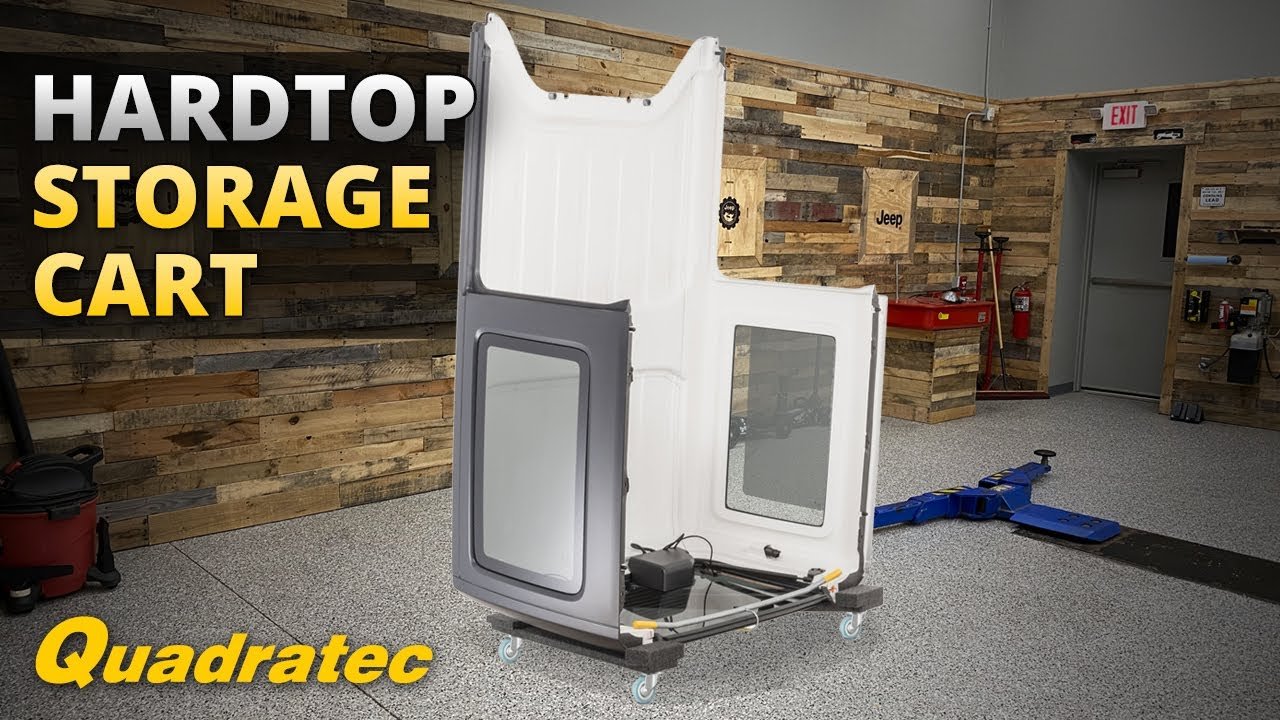
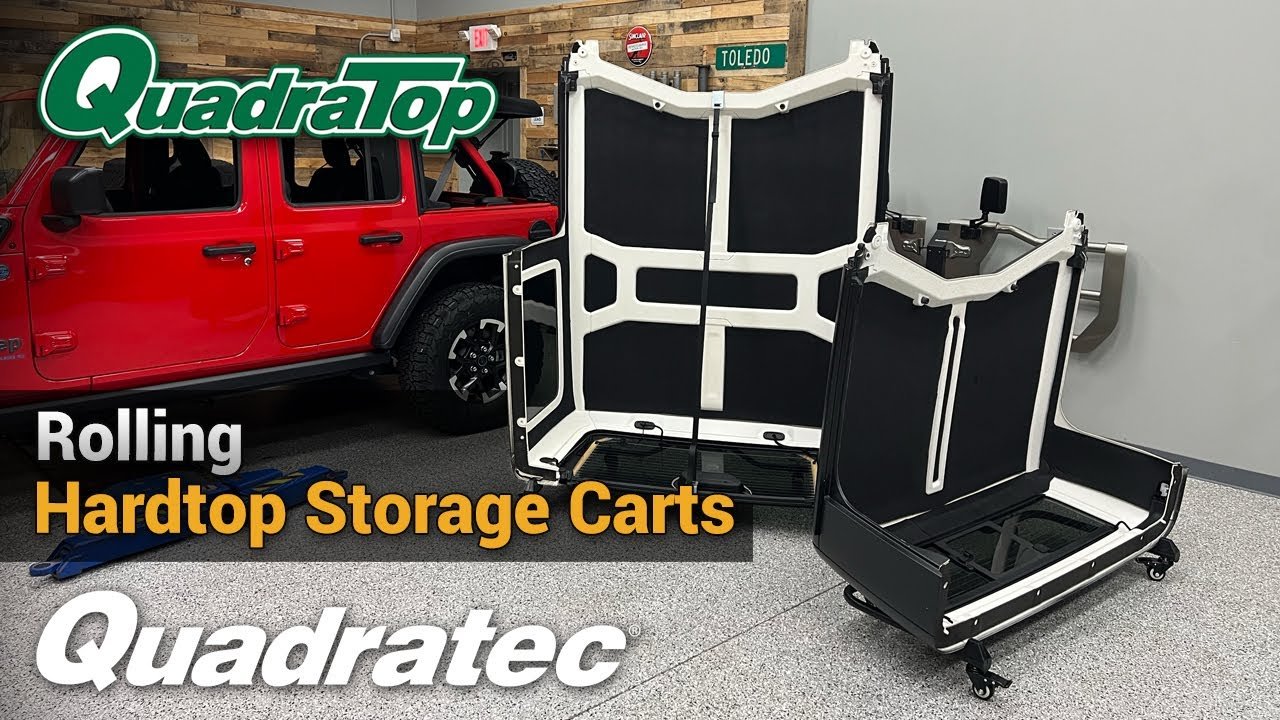
1. Hardtop Storage Cart
A storage cart is a wheeled frame with padded supports. You lift the hardtop onto the cart and can then roll it into a safe spot.
Many commercial carts are designed for Jeep tops and cost between $100-$300.
Benefits:
- Easy to move around
- Keeps hardtop off the ground
- Reduces risk of scratches
Drawbacks:
- Takes up floor space
- Still requires careful lifting
2. Ceiling Hoist System
A ceiling hoist uses pulleys and straps to lift the hardtop up and out of the way. This is popular for small garages.
Benefits:
- Saves floor space
- One-person operation possible
Drawbacks:
- Needs strong ceiling joists
- Installation required
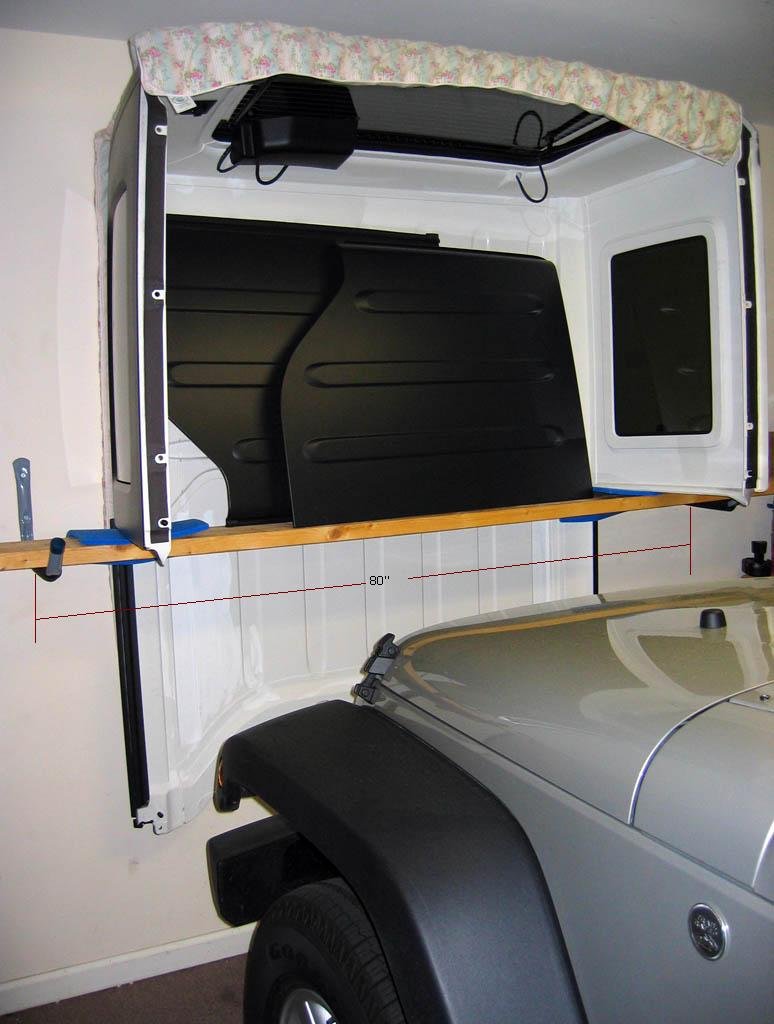
3. Wall Mounts And Racks
Wall mounts are brackets or padded arms attached to the wall.
Benefits:
- Keeps hardtop vertical and safe
- Uses wall instead of floor
Drawbacks:
- May be hard to install
- Wall must be strong enough
4. Diy Solutions
Some owners use moving blankets on the ground or create custom wooden stands.
Benefits:
- Low cost
- Flexible for unique spaces
Drawbacks:
- Less protection
- More risk of tipping or damage
Side-by-side Method Comparison
To help you decide, here’s a quick breakdown:
| Method | Cost | Space Needed | Protection Level |
|---|---|---|---|
| Storage Cart | Medium | Floor | High |
| Ceiling Hoist | Medium-High | Ceiling | Very High |
| Wall Mount | Low-Medium | Wall | High |
| DIY (Blanket) | Low | Floor | Low |
Step-by-step: Storing Your Hardtop
Follow these steps for safe storage, regardless of method:
- Remove the hardtop carefully. Get help if needed—most hardtops weigh 100+ pounds.
- Check the seals and glass. Make sure nothing is loose or cracked.
- Position on storage device. If using a cart or rack, line up the padded supports with the edges.
- Secure the top. Use straps or padding to prevent movement.
- Cover the hardtop. A soft, breathable cover protects from dust and sunlight.
- Keep hardware together. Tape the labeled bag to the top or store nearby.
Insider tip: Never store your hardtop upside down. This can warp the shape and damage seals.
Common Mistakes To Avoid
Many Jeep owners make these errors:
- Storing outside without a cover: Sun and rain can ruin the finish.
- Leaning against a wall: This can bend or crack the top.
- Using plastic covers: These can trap moisture and cause mold. Use a breathable fabric instead.
- Ignoring small cracks: These can spread over time, especially in cold or damp conditions.
Extra Tips For Long-term Storage
- Place the hardtop where it won’t be bumped.
- Check it every few months for dust, bugs, or mildew.
- If possible, move it slightly once in a while to prevent pressure marks.
- Keep it away from chemicals or sharp tools.
Frequently Asked Questions
How Heavy Is A Jeep Hardtop?
Most Jeep hardtops weigh between 100 and 150 pounds. Always get help when removing or lifting to prevent injury.
Can I Store My Hardtop Outdoors?
It’s possible, but not recommended. If you must, use a waterproof and UV-resistant cover. Moisture and sunlight can damage the top over time.
Is It Safe To Hang The Hardtop From The Ceiling?
Yes, if you use a quality ceiling hoist and strong ceiling joists. Always check the weight limit before installation.
Should I Lubricate The Seals Before Storage?
Wipe the seals clean and apply a rubber conditioner. This prevents drying and cracking, especially for long-term storage.
Where Can I Find More Information About Jeep Hardtop Care?
Check the official Jeep website for care guides and maintenance tips.
Taking care of your Jeep hardtop is simple if you plan ahead. A little effort now can save you money and hassle later.
By following these storage tips, you’ll ensure your Jeep is always ready for adventure no matter the season.