Jeep owners love adventure, but there’s one problem that can ruin any trip: Jeep wobble. Also called “death wobble,” this issue can make your steering shake violently when driving. It feels scary, especially if you’re on the highway. Many drivers worry about safety and how to fix this problem. If you want to stop Jeep wobble for good, this guide will show you clear steps and give practical advice.
What Is Jeep Wobble?
Jeep wobble is a strong vibration in the steering wheel, usually at speeds over 40 mph. It often happens after hitting a bump or pothole. The shaking can be so bad that you must slow down or stop to feel safe. This problem mostly affects Jeeps with solid front axles, like the Wrangler or Cherokee.
The wobble is not just annoying; it’s dangerous. It can cause you to lose control of your vehicle.
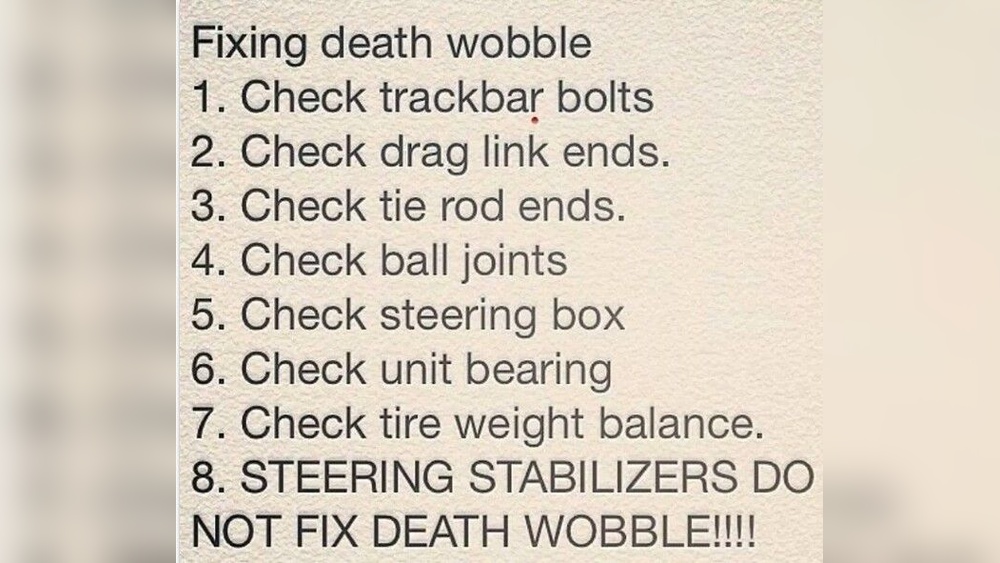
The main causes are worn suspension parts, loose steering components, or poor wheel alignment.
Common Causes Of Jeep Wobble
Fixing Jeep wobble starts with understanding what causes it. Here are the most common reasons:
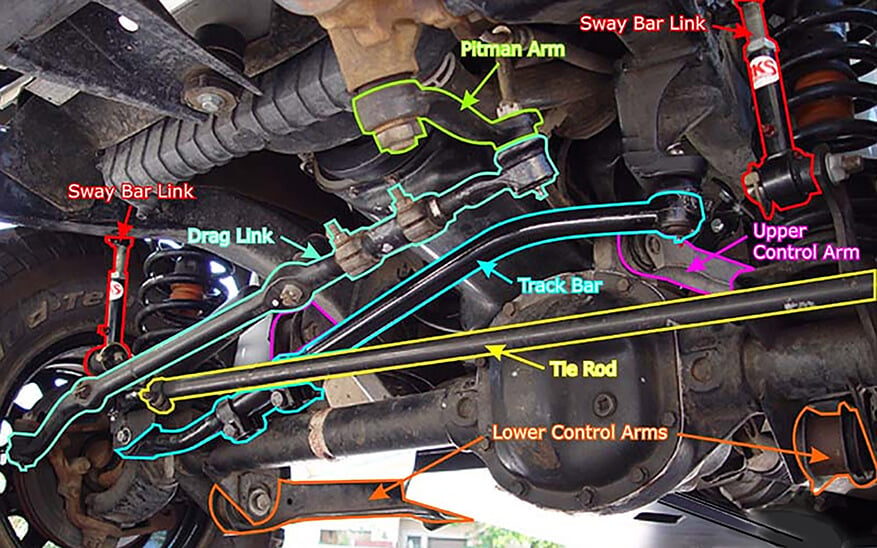
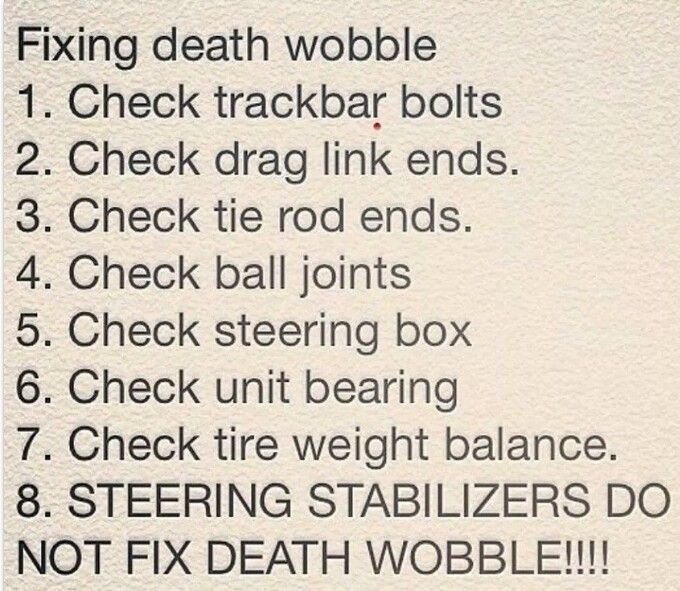
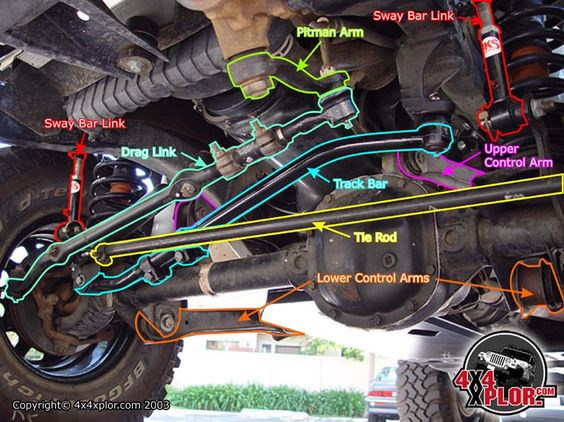
- Track bar bushings: If these are worn, the front axle can move side to side.
- Tie rod ends: Loose or damaged tie rod ends affect steering stability.
- Ball joints: Worn ball joints make the front wheels wobbly.
- Wheel bearings: Bad bearings can cause shaking.
- Control arm bushings: When these wear out, the suspension loses support.
- Steering stabilizer: If this shock absorber fails, it can’t control vibrations.
- Tire balance and alignment: Unbalanced or misaligned tires make wobble worse.
Many Jeep owners think only the steering stabilizer is the problem, but often, multiple parts need attention.
How To Diagnose Jeep Wobble
You can’t fix Jeep wobble without finding the real cause. Here’s how to check your Jeep:
- Visual Inspection: Look at the front suspension and steering parts for damage or wear.
- Jack Up the Vehicle: Lift the front and check for play in the wheels. Wiggle them side to side and up and down. If you feel movement, parts may be worn.
- Check Track Bar: Watch the track bar while someone turns the steering wheel. If it moves, the bushings or bolts may be loose.
- Test Ball Joints and Tie Rods: Pull and push the wheels to see if the ball joints or tie rods move.
- Check Tire Balance: If tires have uneven wear, get them balanced and aligned.
Here’s a simple comparison of the most common causes:
| Component | Signs of Trouble | Repair Cost (Approx.) |
|---|---|---|
| Track Bar | Loose, side-to-side axle movement | $100-$300 |
| Ball Joints | Clunking, steering looseness | $200-$400 |
| Tie Rod Ends | Steering play, vibration | $150-$250 |
| Wheel Bearings | Grinding noise, wheel play | $200-$350 |
How To Fix Jeep Wobble
Once you find the cause, you can fix Jeep wobble. Follow these steps:
- Replace Worn Parts: Change track bar bushings, ball joints, or tie rod ends if they’re worn. Always use quality parts.
- Tighten Bolts: Loose bolts can cause movement. Use a torque wrench and tighten all suspension bolts to the manufacturer’s specs.
- Check and Replace Steering Stabilizer: This part helps absorb shocks. If it’s leaking or weak, get a new one.
- Balance and Align Tires: Ask a tire shop to balance all tires and check alignment.
- Upgrade Suspension: For older Jeeps or those with lift kits, upgrade to heavy-duty parts.
Here’s a comparison of stock vs heavy-duty upgrades:
| Part | Stock | Heavy-Duty |
|---|---|---|
| Track Bar | Thin, rubber bushings | Thicker, polyurethane bushings |
| Ball Joints | Standard steel | High-strength alloy |
| Steering Stabilizer | Basic shock | Gas-charged, larger diameter |
Practical Tips For Jeep Owners
- Inspect regularly: Check suspension every 6 months, especially if you drive off-road.
- Don’t ignore wobble: Waiting can make repairs more expensive.
- Use OEM or quality aftermarket parts: Cheap parts fail faster.
- Keep tire pressure correct: Uneven pressure can cause vibration.
- Consider professional help: Some fixes need special tools.
Many people miss the importance of torque specs. If bolts are too loose or too tight, parts can fail early. Another hidden factor is lift kits. If you install a lift, you may need new track bars or alignment adjustments.
Real-life Example
John owns a 2014 Jeep Wrangler. After installing a 2-inch lift kit, he noticed severe wobble at 50 mph. He replaced the steering stabilizer, but the problem stayed. After checking the track bar and ball joints, he found the track bar bolt was loose.
Tightening it fixed the wobble. This shows that sometimes, the solution is simple and costs nothing.
How Much Does It Cost To Fix Jeep Wobble?
The price depends on what parts need replacing. Here’s a rough guide:
- Minor fixes (tightening bolts, balancing tires): $50-$150
- Replacing worn parts: $200-$500
- Upgrading suspension: $500-$1000
If you’re unsure, ask a mechanic for a full inspection. Most shops charge $100-$150 for diagnosis.
When Should You See A Mechanic?
If you can’t find the cause, or if the wobble is severe, go to a professional. Mechanics have special tools and experience.
They can check alignment, replace parts, and test for hidden issues.
For more technical information, you can check Wikipedia.
Frequently Asked Questions
What Is The Main Cause Of Jeep Wobble?
The main cause is usually worn suspension parts like track bar bushings, ball joints, or tie rod ends. Sometimes, a combination of problems leads to wobble.
Can Tire Balance Alone Fix Jeep Wobble?
Tire balance helps, but it’s rarely the only cause. You should check all suspension and steering components as well.
Is Jeep Wobble Dangerous?
Yes, Jeep wobble can make you lose control. It’s unsafe to drive with this problem, especially at high speeds.
How Can I Prevent Jeep Wobble After Installing A Lift Kit?
After installing a lift, check alignment, use heavy-duty track bars, and inspect all bolts. Lift kits can change suspension geometry, which affects stability.
Does Steering Stabilizer Fix Jeep Wobble?
A steering stabilizer helps control vibration, but it won’t fix wobble by itself. You must repair the root cause, like worn parts or loose bolts.
Jeep wobble can be scary, but with careful inspection and repairs, you can drive safely again. Take action early, use quality parts, and don’t hesitate to ask for professional help if needed.