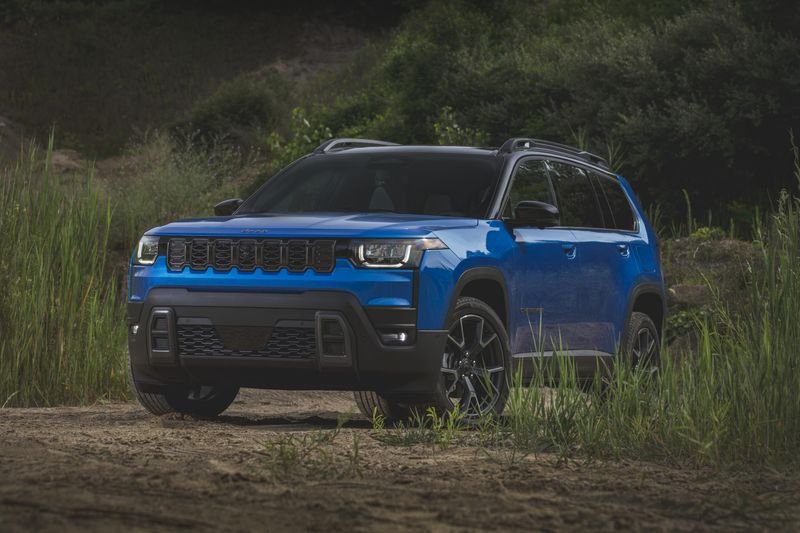
Every Jeep owner knows the fun of driving off-road with a powerful light bar. The bright beams help you see better at night and give your vehicle a tough look. But there’s a common problem that ruins the experience for many: a high-pitched whistling noise from the light bar when driving at speed. This whistling is not just annoying; it can make long drives uncomfortable and even distract you from the road. If you’re tired of the noise, you’re not alone—thousands of Jeep owners face the same issue. The good news is, there are practical ways to stop your Jeep light bar from whistling. In this article, you’ll learn what causes the noise, easy fixes you can try at home, and smart tips for a quieter ride.
Why Do Jeep Light Bars Whistle?
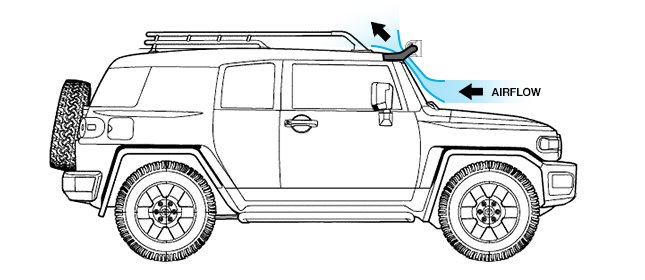
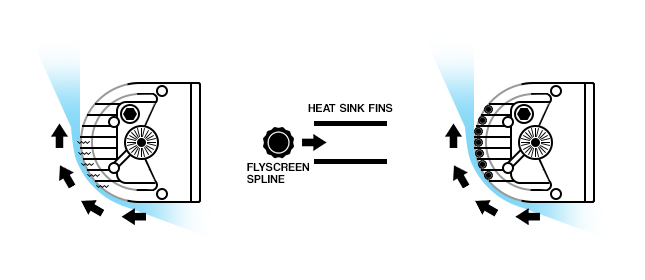
The whistling noise you hear is caused by airflow passing through or around the light bar and its brackets. As you drive faster, more air hits the light bar. Gaps, holes, or sharp edges in the light bar’s design can turn this air into a whistle—similar to blowing over the top of a bottle. The sound gets louder at highway speeds and can vary based on the shape and mounting position of your light bar.
Some light bars are more likely to whistle than others. For example, light bars with cooling fins on the back often create more noise because the thin metal fins vibrate as air moves through them. The mounting brackets, covers, or even the nuts and bolts can also create small gaps that add to the problem.
Common Light Bar Designs And Their Noise Levels
Not all light bars produce the same amount of noise. Here’s a comparison of typical Jeep light bar designs and how likely they are to whistle:
| Light Bar Design | Chance of Whistling | Typical Noise Level |
|---|---|---|
| Straight Bar with Cooling Fins | High | Loud (50-70 dB at 60 mph) |
| Curved Bar (No Fins) | Medium | Moderate (40-55 dB at 60 mph) |
| Low-Profile Flush Bar | Low | Quiet (30-40 dB at 60 mph) |
As you can see, the cooling fins are often the main culprit. But the way you mount the bar also plays a big role.
The Main Causes Of Light Bar Whistle
- Cooling fins: Thin metal pieces on the back vibrate and create noise.
- Open gaps or slots: Air passing through holes, bolt slots, or the space between the bar and roof makes a whistling sound.
- Mounting position: A light bar mounted high and away from the windshield catches more wind.
- Bracket design: Brackets with holes or sharp edges can whistle at certain speeds.
- Poor fitment: Loose bolts or uneven mounting increase vibration and sound.
Understanding these causes is the first step to finding a solution.
How To Stop A Jeep Light Bar From Whistling
Let’s look at the most effective methods to silence your light bar. Some are quick and cheap, while others need a bit more work.
Start with the easiest fixes before moving to more advanced options.
1. Seal The Cooling Fins
Most whistling comes from the cooling fins. You can reduce the sound by blocking airflow through them. Here’s how:
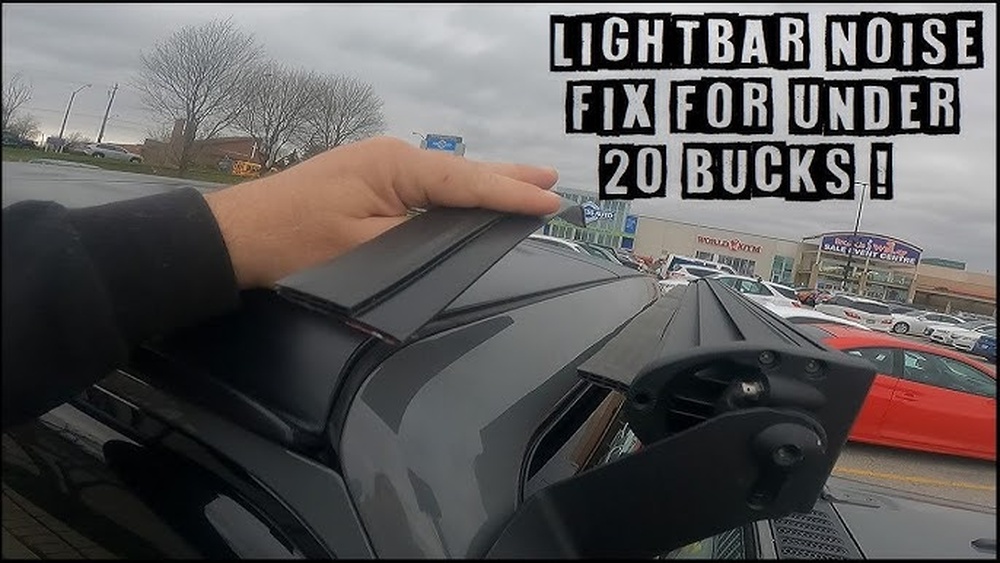
- Buy fin silencers made for light bars. These are rubber strips that press into the fins.
- If you can’t find silencers, use foam weatherstripping or thick zip ties. Push them between the fins to stop the air.
Practical tip: Don’t use tape—it can peel off in the sun and look messy.
2. Add A Light Bar Wind Diffuser
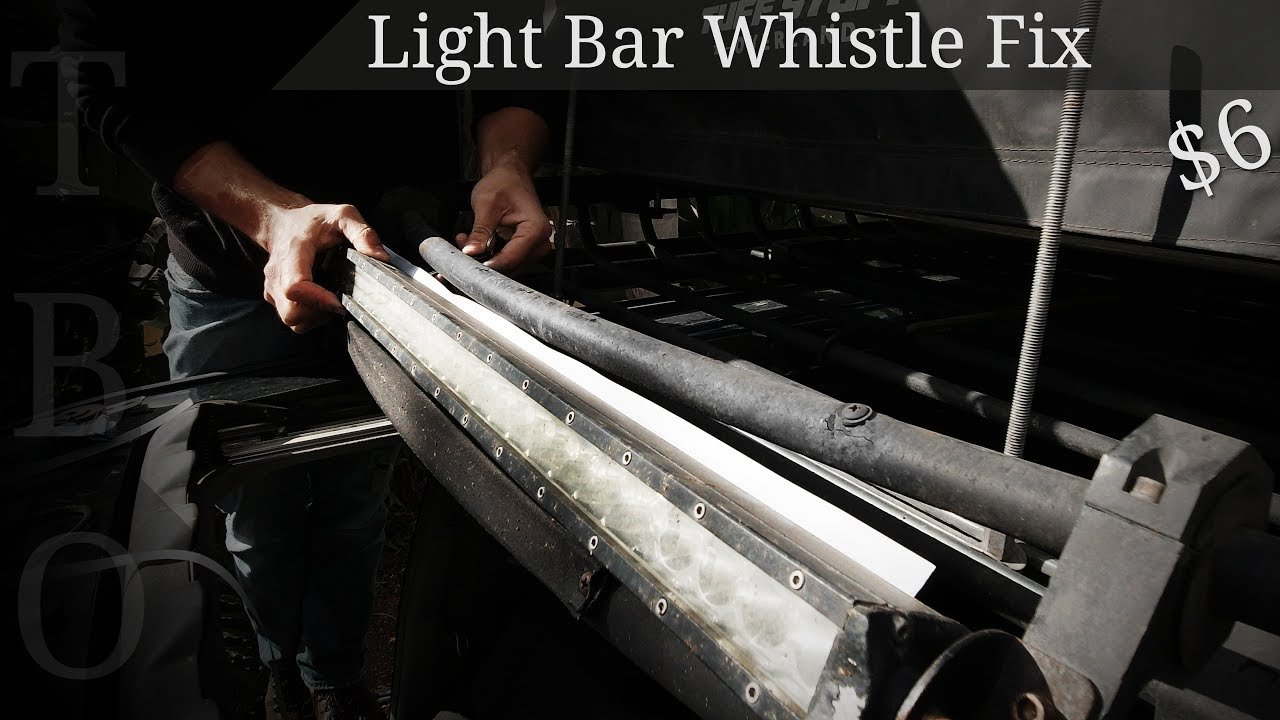
A wind diffuser is a plastic or rubber strip that attaches to the front of the light bar. It changes the way air flows over the bar, stopping the whistle.
- Many brands sell diffusers made to fit common Jeep light bars.
- You can also make your own with a piece of edge trim from an auto parts store.
Non-obvious insight: Even a simple rubber edge on the front can cut noise in half.
3. Install A Light Bar Cover
A cover is a hard or soft piece that snaps over the light bar when you’re not using it.
- Hard plastic covers block air flow completely.
- Soft vinyl sleeves are easy to put on and take off.
Example: Many Jeep owners use covers for daily driving, then remove them when off-roading at night.
4. Adjust The Mounting Position
Sometimes, just moving the light bar a few inches can make a big difference.
- Try lowering the bar closer to the roof or windshield.
- Angle the bar slightly so air flows up or down instead of straight through the fins.
Tip: Don’t mount the bar too far forward or above the roofline. This catches the most wind.
5. Fill Gaps Around Brackets
Check for small gaps between the bar, brackets, and roof. Use foam tape or rubber gaskets to fill these spaces.
- This reduces air noise and also prevents water leaks.
6. Tighten All Bolts And Fasteners
Loose hardware can vibrate and create extra noise. Go over every bolt, nut, and screw with a wrench.
- Make sure the bar and brackets are solid and do not move at all.
Common mistake: Many people think the whistling is only from air, but vibration from loose parts can make it worse.
7. Use A Different Bracket Design
If your current brackets have large holes or a sharp edge, consider swapping to a solid bracket. Some aftermarket brackets are designed to be more aerodynamic.
8. Try A Curved Or Low-profile Light Bar
If you’re willing to upgrade, a curved or low-profile bar creates less wind resistance and less noise.
- Curved bars direct air around the sides.
- Low-profile bars sit closer to the roof for less wind exposure.
9. Install A Roof Rack Fairing
If you have a roof rack, a fairing (angled plastic shield) can direct air over the light bar, reducing both whistling and wind noise.
10. Combine Methods For Best Results
You may need to use two or three solutions together. For example, sealing the fins and adding a wind diffuser usually works better than just one fix.
Comparison: Light Bar Noise Solutions
Here’s a quick look at the most common solutions and how well they work:
| Solution | Noise Reduction | Cost | Difficulty |
|---|---|---|---|
| Fin Silencers | High | Low ($10-20) | Easy |
| Wind Diffuser | Medium | Low ($10-30) | Easy |
| Light Bar Cover | High | Medium ($20-50) | Very Easy |
| Adjust Mounting | Medium | Free | Medium |
| Fill Gaps | Low to Medium | Low ($5-15) | Easy |
| New Brackets | Medium | Medium ($30-100) | Medium |
| Curved/Low-Profile Bar | High | High ($150+) | Hard |
Step-by-step: Silencing Your Jeep Light Bar
If you want a simple process to follow, here’s a step-by-step guide:
- Identify the noise source: Drive at highway speed and listen. Is the whistle from the center, sides, or brackets?
- Check the cooling fins: Look for thin metal fins on the back. If present, plan to seal them.
- Buy or make fin silencers: Install rubber strips or foam between the fins.
- Test drive: Check if the noise is gone. If not, continue.
- Install a wind diffuser: Attach a rubber or plastic edge to the front of the bar.
- Inspect mounting brackets: Look for open holes or sharp edges. Fill gaps with foam tape.
- Tighten all hardware: Make sure nothing is loose.
- Add a cover or fairing: Use a cover for daily driving or add a roof rack fairing if you have one.
- Upgrade if needed: If noise continues, consider a new bracket or a curved/low-profile bar.
Non-obvious insight: Sometimes, the whistle only happens at certain speeds or wind directions. Test after each fix to be sure which method works best for your Jeep.
Real-world Example: Jeep Wrangler Light Bar Whistle
Let’s look at a common Jeep model. Many Jeep Wrangler owners install a 50-inch light bar above the windshield.
This spot is great for lighting, but it’s also the most likely to create a whistle.
Case study: A Jeep Wrangler owner noticed a loud whistle at 55 mph. First, they used foam weatherstripping in the cooling fins. The noise dropped but was still there. Next, they added a rubber wind diffuser to the front. The whistling stopped completely, even at 70 mph.
Key lesson: Often, a combination of two cheap fixes works better than spending hundreds on a new light bar.
What If Nothing Works?
If you’ve tried all the above and still hear whistling, consider these options:
- Professional installation: Some 4×4 shops have experience with Jeep light bars and can custom-fit silencers or fairings.
- Upgrade to a better-designed bar: Newer bars often have built-in features to reduce noise.
- Check for other sources: Sometimes, roof racks, mirrors, or loose trim can cause similar noises. Make sure the light bar is really the problem.
For more information on vehicle aerodynamics and noise, see the Automotive Aerodynamics page on Wikipedia.
Frequently Asked Questions
Why Does My Jeep Light Bar Whistle Only At Certain Speeds?
The whistling usually starts when wind hits the bar at just the right angle and speed. This is called resonance. At low speeds, there’s not enough airflow; at high speeds, the sound can change or stop. Each light bar and Jeep setup is a bit different.
Can I Use Silicone Or Duct Tape To Stop The Whistle?
Silicone can work for sealing small gaps, but it’s messy and hard to remove later. Duct tape is not a good long-term fix—it can peel, flap in the wind, and leave sticky residue. Use rubber or foam products made for cars.
Will A Light Bar Cover Affect My Lights?
A cover will block the light when in place, so only use it when you don’t need the bar. Make sure to remove the cover before turning on your light bar, or you could damage the cover or even the light bar itself.
How Much Does It Cost To Fix A Whistling Light Bar?
Most fixes are cheap. Foam weatherstripping or rubber strips cost less than $20.
Wind diffusers or covers range from $10 to $50. Replacing the light bar or brackets is more expensive but rarely needed.
Is Light Bar Whistling Dangerous?
The noise itself isn’t dangerous, but it can distract you and make driving less enjoyable. A very loud whistle might mask other important sounds, like sirens or horns, so it’s best to fix the problem.
Driving with a Jeep light bar should be fun and useful not annoying. With the right steps, you can enjoy bright lights and a quiet cabin, no matter where your adventure takes you.