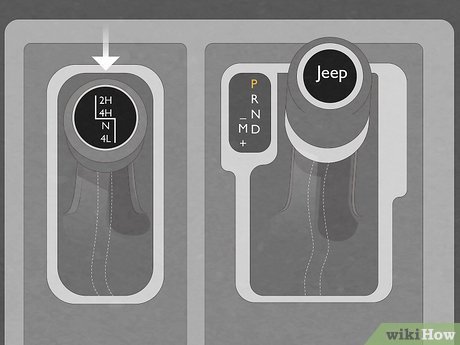
When you drive a Jeep, having 4-wheel drive (4WD) gives you more control and safety in tough road conditions. Many Jeep owners, especially new ones, are unsure about the right way to shift into 4WD. Doing it wrong can cause damage or make driving harder. This guide will help you shift your Jeep into 4WD safely, understand the different 4WD modes, and avoid common mistakes. Whether you’re facing snow, mud, or steep hills, knowing how and when to use 4WD can make your driving experience much smoother.
Understanding Jeep 4wd Systems
Jeep vehicles offer several 4WD systems. The system in your Jeep determines how you shift into 4WD and which driving situations are best for each mode.
| System | Common Models | Shifter Type |
|---|---|---|
| Command-Trac | Wrangler, Cherokee | Manual Lever |
| Rock-Trac | Wrangler Rubicon | Manual Lever |
| Selec-Trac | Grand Cherokee, Cherokee | Electronic Switch |
| Quadra-Trac | Grand Cherokee | Electronic Switch |
Command-Trac and Rock-Trac use a manual lever, while Selec-Trac and Quadra-Trac use an electronic switch. Always check your Jeep’s manual to know your system.
Main 4wd Modes In Jeeps
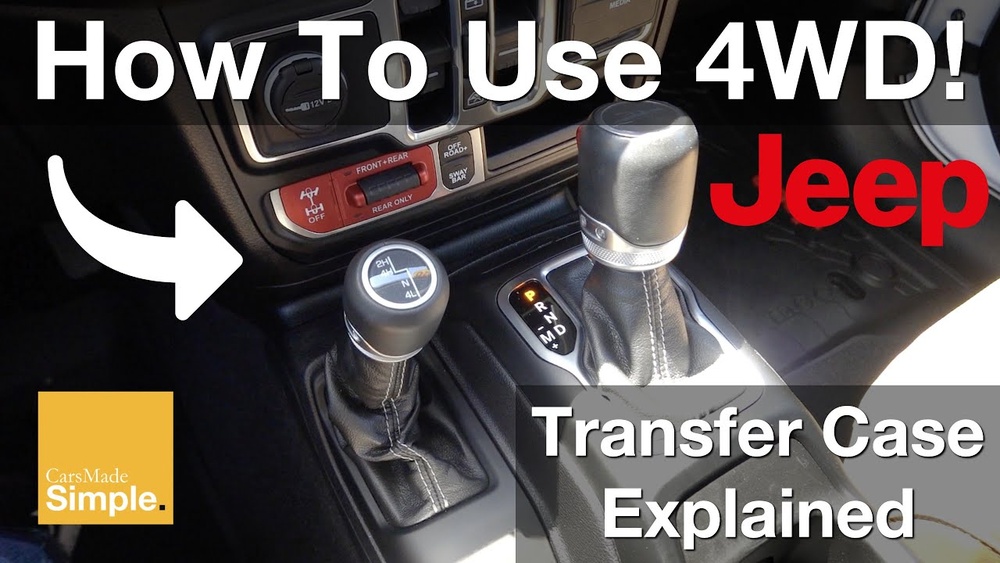
You’ll often see these modes:
- 2H (2WD High): For normal roads; power goes to rear wheels.
- 4H (4WD High): For slippery roads, snow, or sand; power to all wheels.
- 4L (4WD Low): For steep hills, deep mud, or rock crawling; more torque, less speed.
- Auto 4WD: Some Jeeps automatically switch between 2WD and 4WD as needed.
| Mode | Best For | Max Speed (mph) |
|---|---|---|
| 2H | Dry pavement | No limit |
| 4H | Snow, mud, wet roads | Up to 55 |
| 4L | Off-road, steep hills | Up to 25 |
| Auto | Mixed conditions | No limit |
Steps To Shift Your Jeep Into 4wd
The process depends on your Jeep’s system and the mode you want to use. Below are the most common steps.
Always double-check with your manual for your specific model.
1. Shifting From 2h To 4h (high Range)
This shift is the most common for sudden changes in road conditions.
- Keep moving slowly. You can shift while driving under 55 mph (about 88 km/h).
- Move the lever or turn the switch from 2H to 4H. In most models, you don’t need to stop or use the clutch.
- Listen for a click or watch for a 4WD indicator light.
Pro tip: If the shift feels stiff, let off the gas and try again at a slower speed.
2. Shifting From 4h To 4l (low Range)
Use 4L for deep mud, steep hills, or when you need extra power at low speed.
- Stop the vehicle completely. Put the gear shift in Neutral (N).
- Firmly move the 4WD lever from 4H to 4L or turn the switch, depending on your system.
- Wait for the 4WD Low light to appear on your dashboard.
- Shift the main gear back to Drive (D) or 1st gear (manual).
Do not shift into 4L while moving. This can damage the transfer case.
3. Shifting From 4l To 4h Or 2h
- Stop the Jeep. Put the transmission in Neutral.
- Move the lever or switch from 4L to 4H or 2H.
- Wait for the indicator light to change before driving.
If the lever feels stuck, gently roll the vehicle forward a few inches while shifting.
When To Use Each 4wd Mode
Choosing the right mode is key for safety and vehicle health.
- 2H: Use on dry, paved roads. Saves fuel and reduces wear.
- 4H: For rain, snow, light mud, or gravel. Gives better grip.
- 4L: For slow, tough situations like deep sand, snow, rocks, or steep climbs/descents.
- Auto: Great for changing conditions, like mixed wet and dry roads.
Many beginners use 4WD more than needed. Only shift when traction is low.
Using 4H or 4L on dry pavement causes binding, which can damage parts.

Common Mistakes To Avoid
Even experienced drivers sometimes make these errors. Avoid them to keep your Jeep running well.
- Shifting into 4L while moving: Always stop first.
- Driving fast in 4L: Stay below 25 mph (40 km/h) to avoid damage.
- Using 4WD on dry pavement: This strains the drivetrain and can lead to expensive repairs.
- Not shifting out of 4WD after conditions improve: Return to 2H to save fuel and reduce wear.
What If Your Jeep Won’t Shift Into 4wd?
If the lever or switch is stuck, or the 4WD light blinks but doesn’t stay on, try these steps:
- Check your speed. You may be going too fast for the system.
- Put the transmission in Neutral. This often helps electronic systems.
- Roll the vehicle forward or back slightly. Sometimes gears need to realign.
- Check for warning lights. Your Jeep’s computer may detect a problem.
If you still have trouble, consult your dealer or mechanic. Some issues need professional service.
Additional Tips For New Jeep Owners
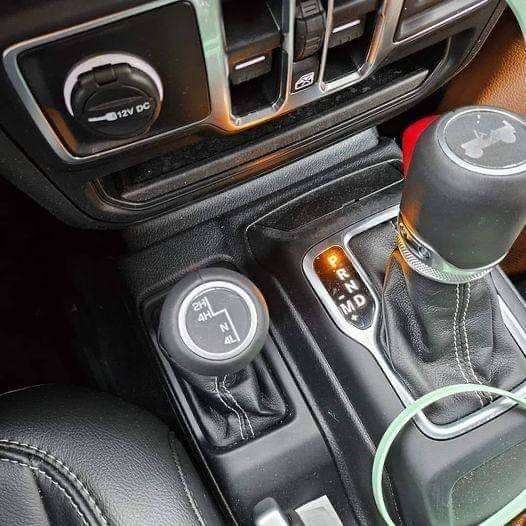
- Practice in a safe area. Try shifting into 4WD in a parking lot or open space before you need it.
- Listen for unusual noises. Grinding or loud clunks can mean something’s wrong.
- Check tire pressure. Uneven tires can cause 4WD issues.
- Read your manual. Each Jeep model has small differences.
One insight many miss: Shifting into 4WD does not improve braking—it only helps you move. Always keep a safe distance and slow down in slippery conditions.
Another tip: If you plan to use 4WD often, change your transfer case and differential fluids more regularly. Off-road use puts more stress on these parts.
For a deeper explanation of 4WD systems, you can visit the official Jeep 4×4 page.
Frequently Asked Questions
Why Won’t My Jeep Shift Into 4wd?
This can happen if you’re moving too fast, the transmission isn’t in Neutral, or there’s a mechanical problem. Try shifting at a slower speed, or gently roll the Jeep while shifting. If problems continue, visit a mechanic.
Is It Safe To Use 4wd On The Highway?
4H can be used on highways only when roads are snowy or wet. Do not use 4L on highways, as it’s for low-speed, off-road situations.
How Do I Know If My Jeep Is In 4wd?
Look for the 4WD indicator light on the dashboard. You might also feel more resistance in the steering wheel, especially in tight turns.
Can I Switch From 2h To 4h While Driving?
Yes, you can usually shift from 2H to 4H “on the fly” at speeds up to 55 mph. However, always check your owner’s manual for your Jeep’s specific limits.
Does 4wd Help With Braking?
No, 4WD does not improve braking. It only helps with traction when accelerating. Always slow down and keep a safe distance, especially in bad weather.
Shifting your Jeep into 4WD is a skill every Jeep driver should master. With the right knowledge and practice, you’ll be ready for anything the road or trail throws your way.